


 Africana55 Radio

This website uses cookies so that we can provide you with the best user experience possible. Cookie information is stored in your browser and performs functions such as recognising you when you return to our website and helping our team to understand which sections of the website you find most interesting and useful.
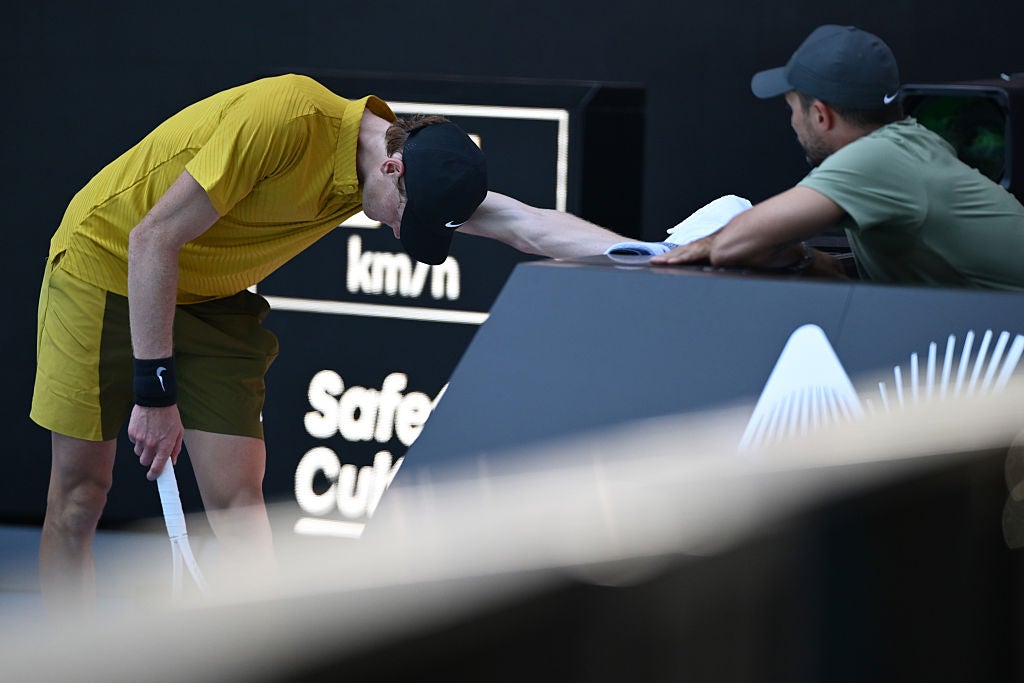
Jannik Sinner was caught wearing a banned wrist device moments before the start of his Australian Open fourth-round match against Luciano Darderi.
The defending Australian Open champion was ordered to remove what appeared to be a Whoop fitness tracker after he was busted by umpire Greg Allensworth.
Sinner was wearing the technology under his wristband, but Allensworth spotted it as the players came to the net for the pre-match coin toss, and the Italian removed it without complaint.
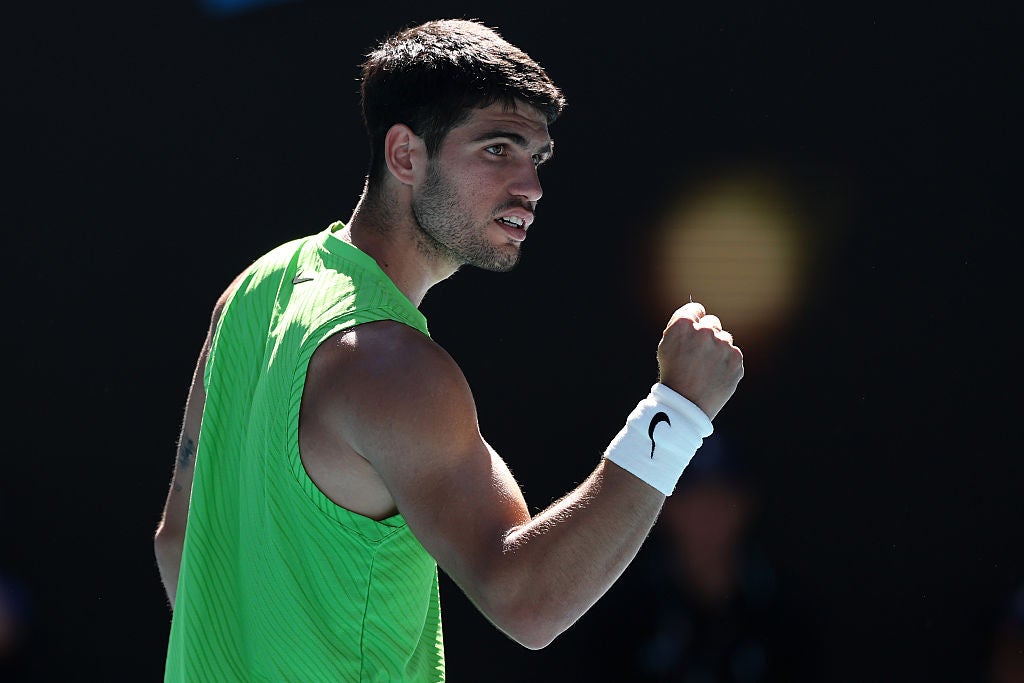
It comes as Carlos Alcaraz was also ordered to remove a similar device on Sunday, while Aryna Sabalenka was also caught out earlier in the tournament. Alcaraz also attempted to hide the device under his wristband.
Sinner, 24, struggled in the extreme heat and admitted he got “lucky” with the enforcement of the tournament’s heat rule as he battled cramp against Eliot Spizzirri in his previous match on Saturday.
The Whoop wristband can measure fitness and biometric data, including heart rate and body stress, which can also inform recovery, but wearables are not allowed at the grand slams.
After Alcaraz was caught on Sunday, the Whoop founder and CEO Will Ahmed posted on X: “Ridiculous. Whoop is approved by the International Tennis Federation for in-match wear and poses no safety risk. Let the athletes measure their bodies. Data is not steroids!”

Tennis Australia, the organisers of the Australian Open, have confirmed that wearable technology is not permitted at grand slam tournaments - but the International Tennis Federation (ITF) has the Whoop wrist device on its list of approved Player Analysis Technology. The devices are also allowed on the ATP and WTA tours.
“The Australian Open is involved in ongoing discussions on how this situation could change,” Tennis Australia said. “Some wearables provide athletes with an indication of internal load (measures like heart rate), which can give them a 360-degree view of the work they’re doing and how their bodies’ respond.
“In terms of other data provided to athletes and their teams at the AO, players can monitor key external load measures such as distance covered, changes of direction, high acceleration events and speed/spin of shots via Bolt 6.”
A Whoop spokesperson said: “Whoop believes athletes have a fundamental right to understand their own performance and health - including during competition at events like the Australian Open.
“Whoop is approved by the International Tennis Federation for in-match wear and poses no safety, fairness, or competitive risk. Blocking access to personal health data does not protect sport. Whoop will continue to stand with athletes and our members to defend their right to their data.”