


 Africana55 Radio

This website uses cookies so that we can provide you with the best user experience possible. Cookie information is stored in your browser and performs functions such as recognising you when you return to our website and helping our team to understand which sections of the website you find most interesting and useful.
Having your luggage stolen or items taken from it, is guaranteed to ruin a vacation.
So that filing police reports doesn’t eat into your relaxation time, heed this advice on making your luggage less attractive to thieves.
It comes from Ed Burnett, a former U.S. Army military policeman and security expert for UPS who’s now the Executive Advisor at Cloudastructure Inc, an AI surveillance and remote guarding company.
Here, he divulges tips on everything from luggage colors that attract thieves to the effectiveness of tracking tech, and from packing strategies to whether wrapping suitcases in plastic serves any purpose.
1. The ‘secure’ mistake — plastic wrapping
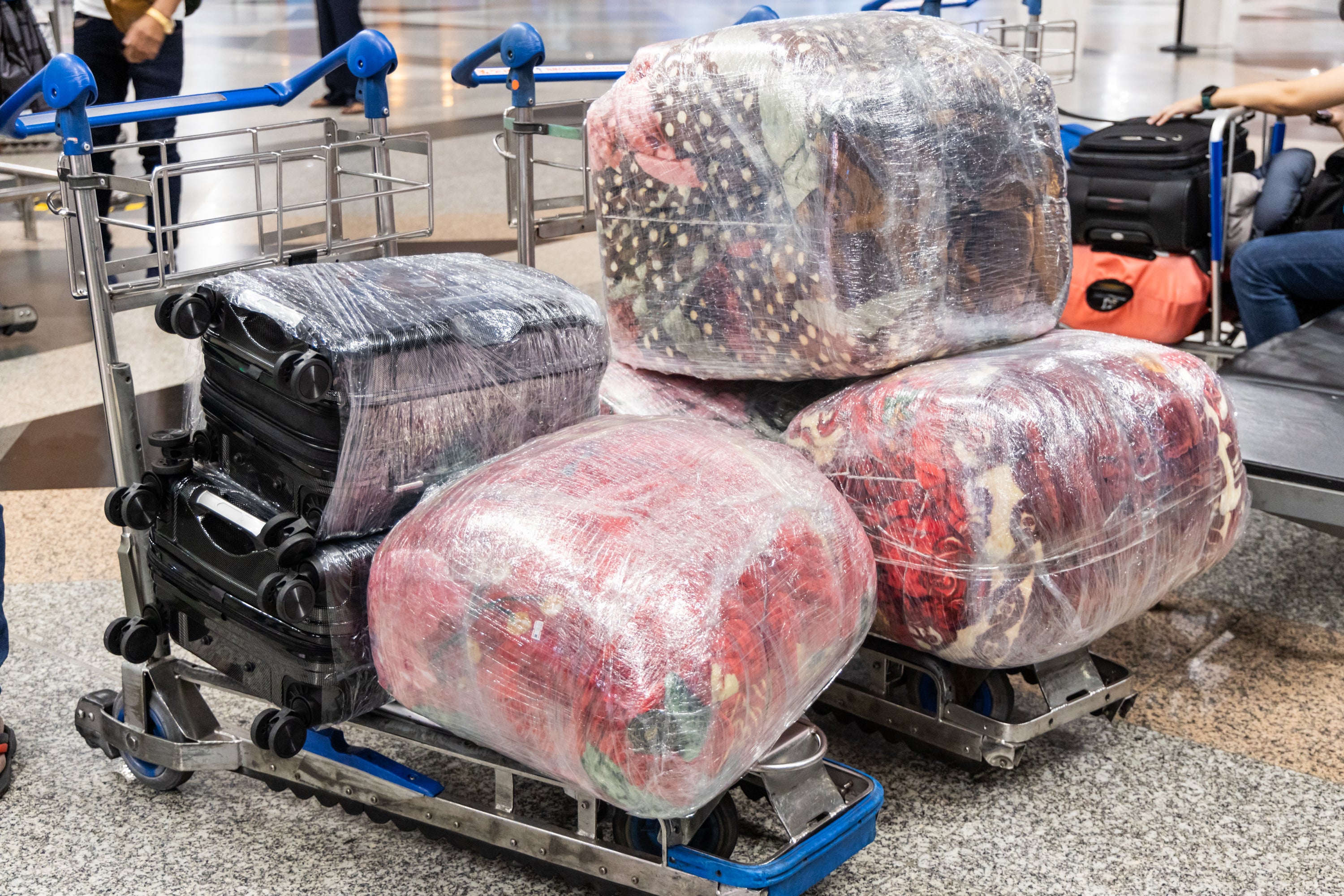
Ed advises against wrapping suitcases in plastic.
He explained to The Independent: “While it protects against scratches and prevents planting drugs, it screams ‘I have something expensive in here.’
“It also makes it impossible for you to quickly check your belongings if you suspect tampering.”
2. Luggage choice and appearance
Colors
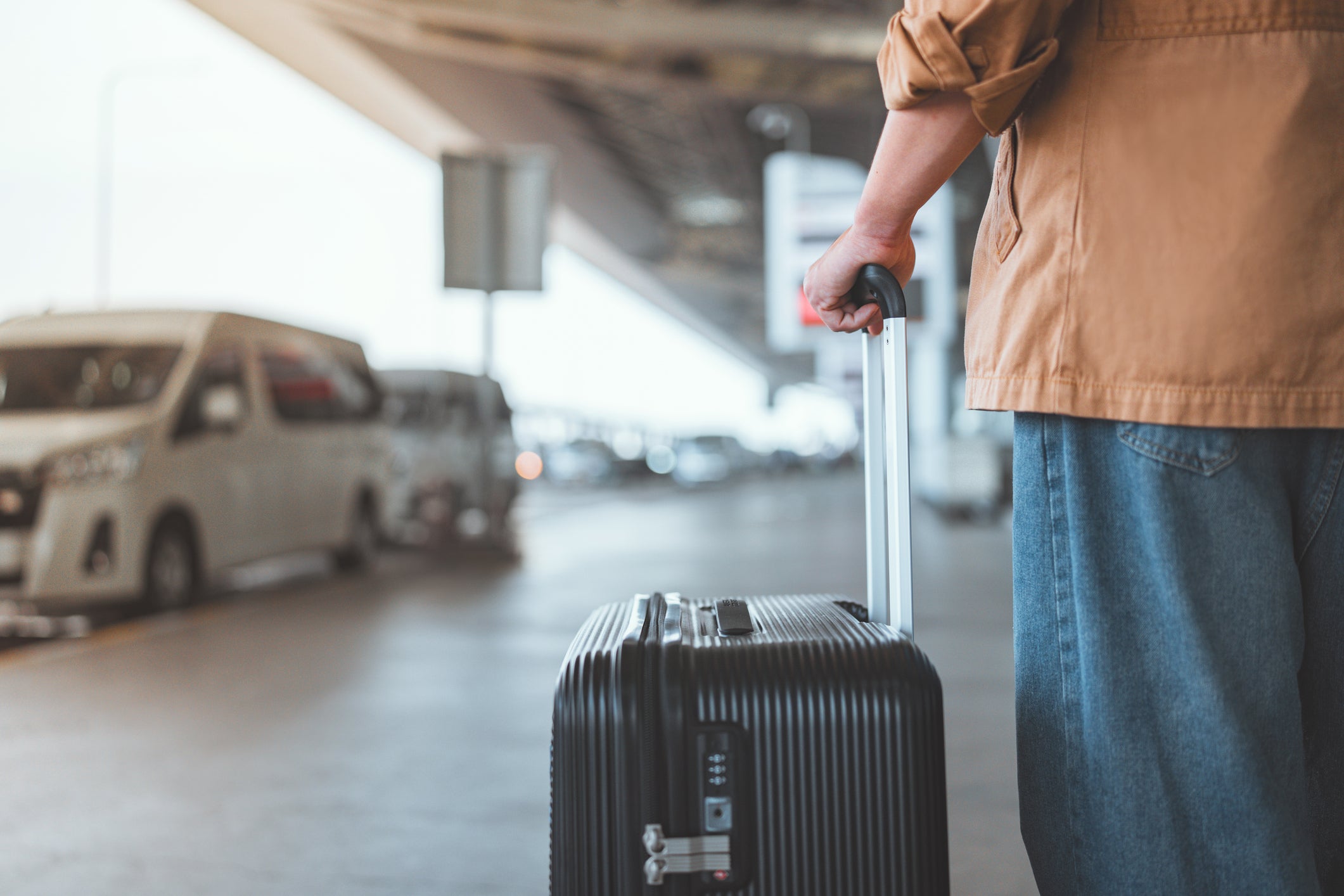
Pick a color that’s a liability for the thief, stressed Ed.
He explained: “Bright colors are a deterrent. Thieves prefer anonymous black or navy bags because they can walk away with them without standing out. A neon green bag, for example, is a liability for a thief. If you yell, ‘Stop that man with the green bag,’ everyone sees him.”
Hard-shell vs soft-shell
“Hard-shell is significantly safer,” declared Ed, who revealed: “Soft-shell bags can be ‘shived’ — where a thief uses a box cutter to slice the fabric and reach in. Hard shells require more noise and effort to breach.”
Logos
Certain brands lure thieves.
Ed explained: “High-end brands — such as Tumi, Rimowa, Louis Vuitton — are magnets. They signal that the contents are likely as expensive as the bag.”
Instead, advised Ed, stick to "upper-middle" brands, because they “look sturdy but don't scream ‘look at me, I’m wealthy.’"
Backpacks vs wheels
Backpacks and wheeled luggage both carry risks.
“Backpacks are targets for pickpockets, because the zippers are behind you,” said Ed, “while wheeled suitcases are targets for grab-and-run theft. Thieves in stations watch for people who let go of their suitcase handles to check a departure board or cell phone.”
3. Deterrents — locks and tech
Tracking and tech
If you think making a tracking device visible is a solid deterrent, think again.
Ed said: “AirTags and other trackers do nothing to deter theft — unless the thief sees the ‘item found’ alert on their own iPhone — but they are essential for recovery.”
He added: “Keep them hidden. Sew them into the lining or hide them inside a sock. If a thief finds a tracker, they will toss it immediately.
“And most ‘GPS-tracked’ stickers are ignored, or seen as a challenge. In addition, labels like ‘fragile’ or ‘camera equipment’ are active invitations for theft. Never label what’s inside.”
Locks and cable ties
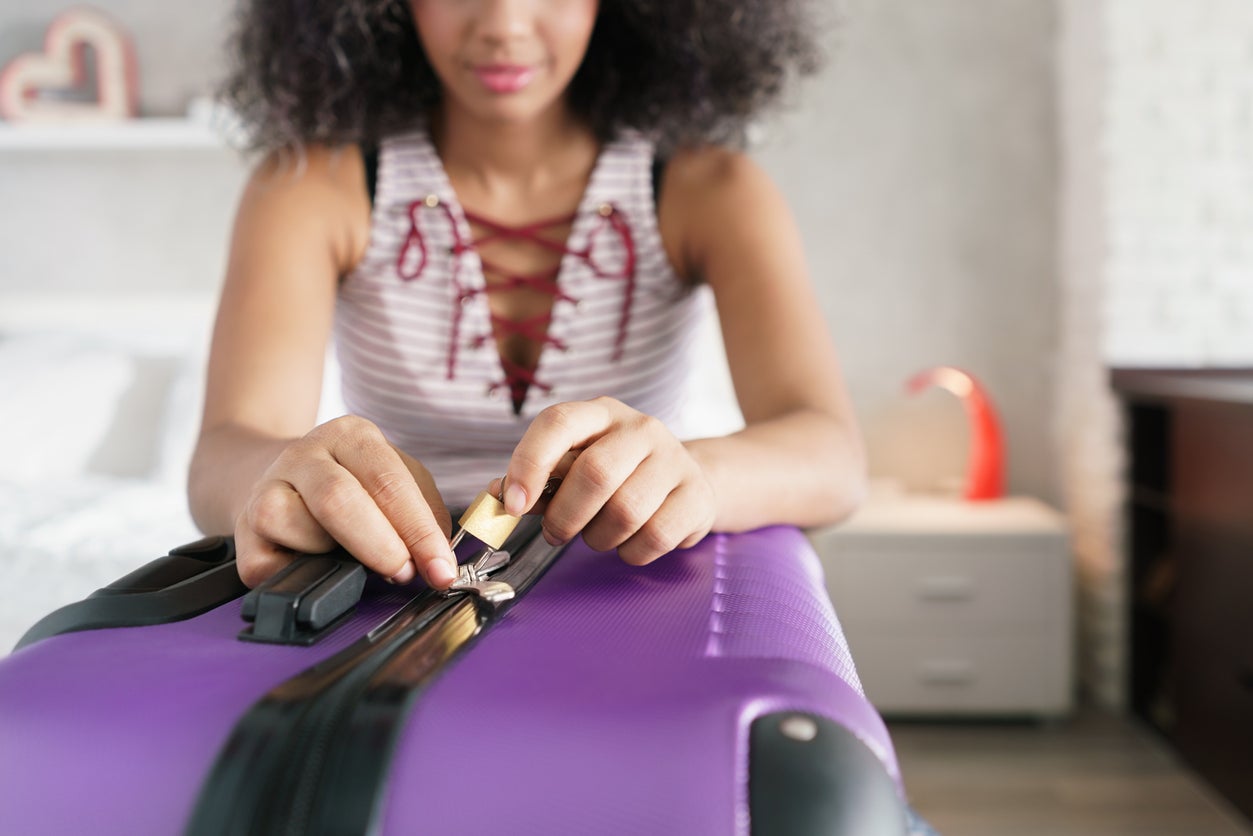
Locks and cable ties are useful to a point, but ultimately are unlikely to prevent theft, according to our expert.
He said: “Locks deter opportunistic theft — someone trying to unzip your bag quickly. But many soft-shell suitcases use coil zippers, which can be opened with a ballpoint pen in seconds [bypassing the lock entirely].
“Cable tiles and zip clips don’t stop a thief either, but they do act as a seal. A thief knows they can't relock a snapped cable tie, meaning you will notice the theft immediately. Most thieves want to steal without you knowing until you get to your hotel.”
4. Labels and identification
While displaying your name and address might seem logical, to aid recovery, it’s also advertising that your house is probably empty.
Ed said: “Put your business card inside the bag. On the outside, use a covered tag so the name and address aren't visible to anyone standing in line behind you. And always use work contact details. You don't want a stranger knowing your home address and the fact that you are currently away from home.”
5. Packing strategy
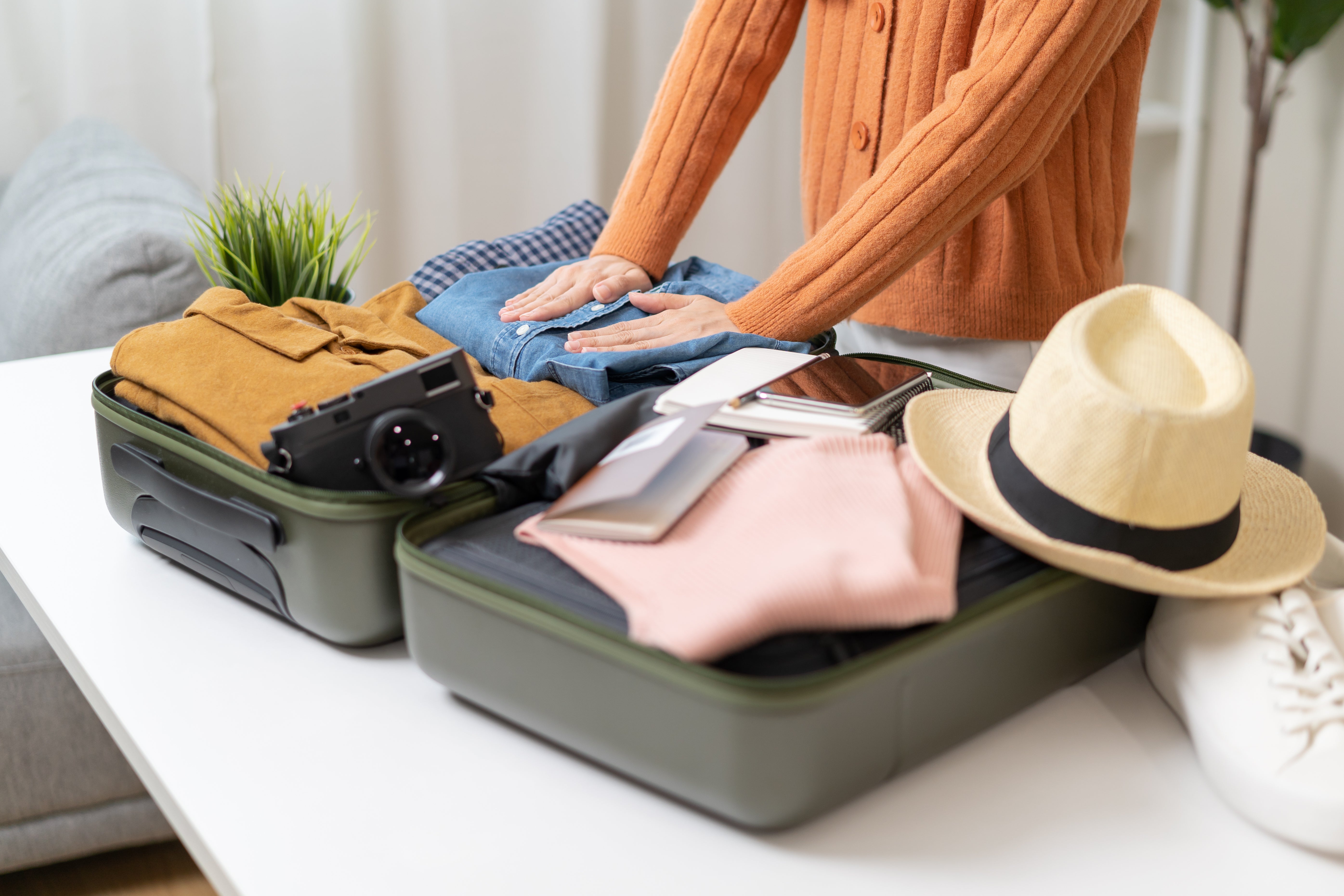
Don’t spread your valuables, counsels Ed.
He advised: “Keep all ‘must-haves’ such as jewelry, electronics and meds in your personal carry-on that never leaves your sight.
“If you must put valuables in checked luggage, use a ‘diversion safe’ — an empty sunscreen bottle or a laundry bag.
“And take care with electric toothbrushes and high-end chargers. They have high resale value and are often overlooked by travelers until they are gone.”
6. The danger zones
Ed pinpointed train overhead racks and hotel lobbies as prime hotspots for theft.
He said: “In a lobby, travelers are distracted by check-in; on a train, thieves grab bags right before the doors close at a stop.”
Coffee shops are also a “guard-down” moment.
Ed added: “People set their bag next to them and look at their phone. Always keep a strap looped around your leg.”