


 Africana55 Radio

This website uses cookies so that we can provide you with the best user experience possible. Cookie information is stored in your browser and performs functions such as recognising you when you return to our website and helping our team to understand which sections of the website you find most interesting and useful.
As gardeners embark on their annual spring weeding ritual, the subsequent step of mulching emerges as a vital practice for cultivating healthy beds and borders. Spreading a protective layer around prized plants offers multiple benefits, from suppressing unwanted weeds and retaining essential moisture to enriching the soil with vital nutrients.
However, navigating the array of options can be perplexing, as noted by David Stanford-Beale, a doctor of entomology at MAD Company.
He said: "Nine times out of 10, a customer is going to choose aesthetics over nearly everything. You want something that just looks nice in your garden and the same with houseplants," he explains.
"The one gardener out of 10 cares about the ingredients, the provenance and what they are actually putting in their garden."
Stanford-Beale advises consumers to scrutinise product labels: "When you’re looking for a mulch at your garden centre, the key is read the bag, look for an origin and, if you can, buy local."
Different mulches are suited to specific gardening tasks:
Compost
Whether sourced from a garden centre or your own heap, compost delivers crucial nutrients to hungry plants like roses and hostas, while also effectively suppressing weeds. It enhances soil structure and moisture retention across all soil types.
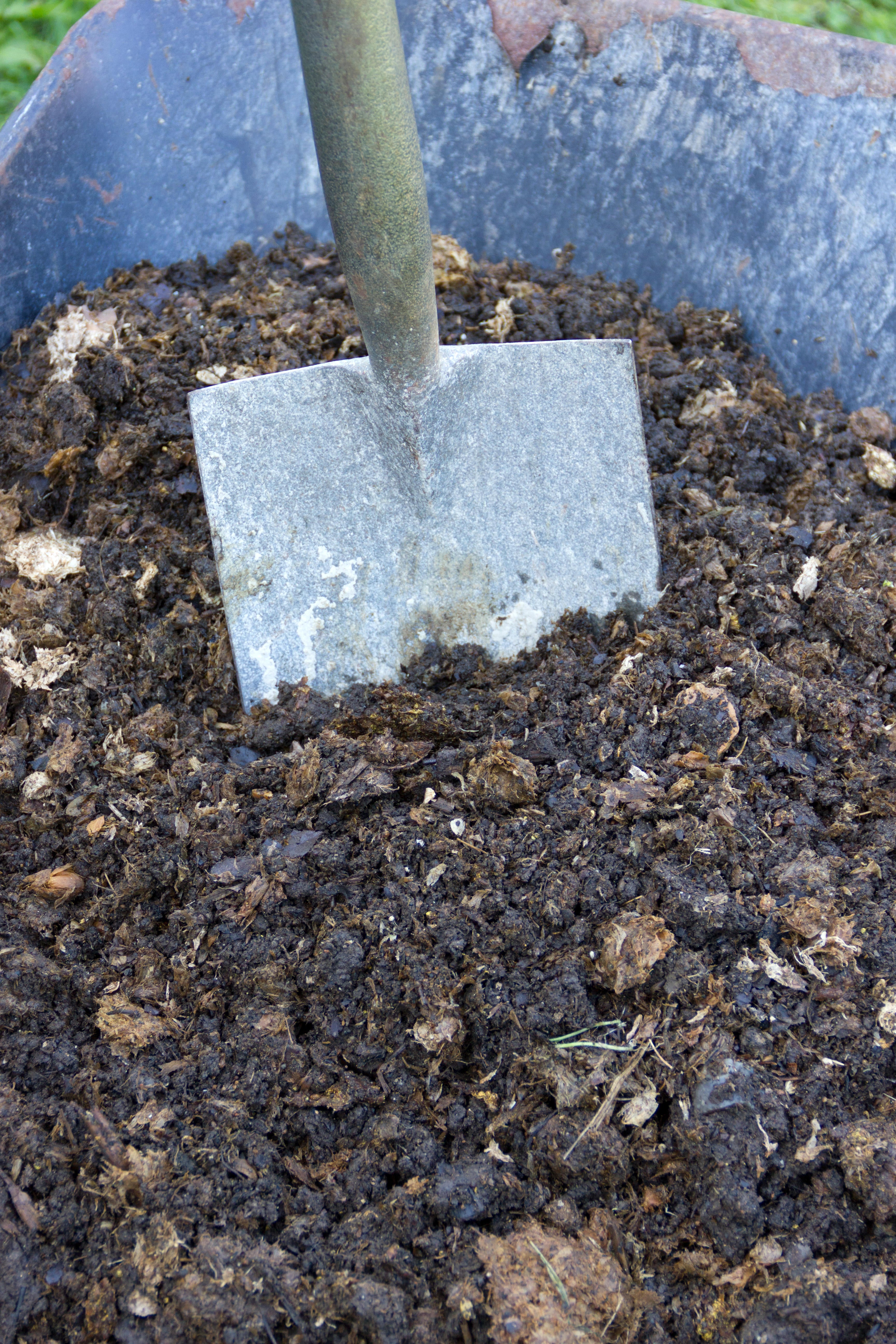
However, the RHS cautions against using it around plants such as lavender or salvias, which thrive in drier, nutrient-poor conditions. Gardeners should also be mindful that some compost may contain weed seedlings requiring removal.
For extensive areas, purchasing compost can prove a costly mulching solution, Stanford-Beale points out.
Farmyard Manure
This highly potent organic material excels at retaining moisture and infusing beds and borders with a wealth of nutrients, making it ideal for roses, shrubs, and other demanding plants. It significantly improves soil structure and is unlikely to introduce weed seedlings.
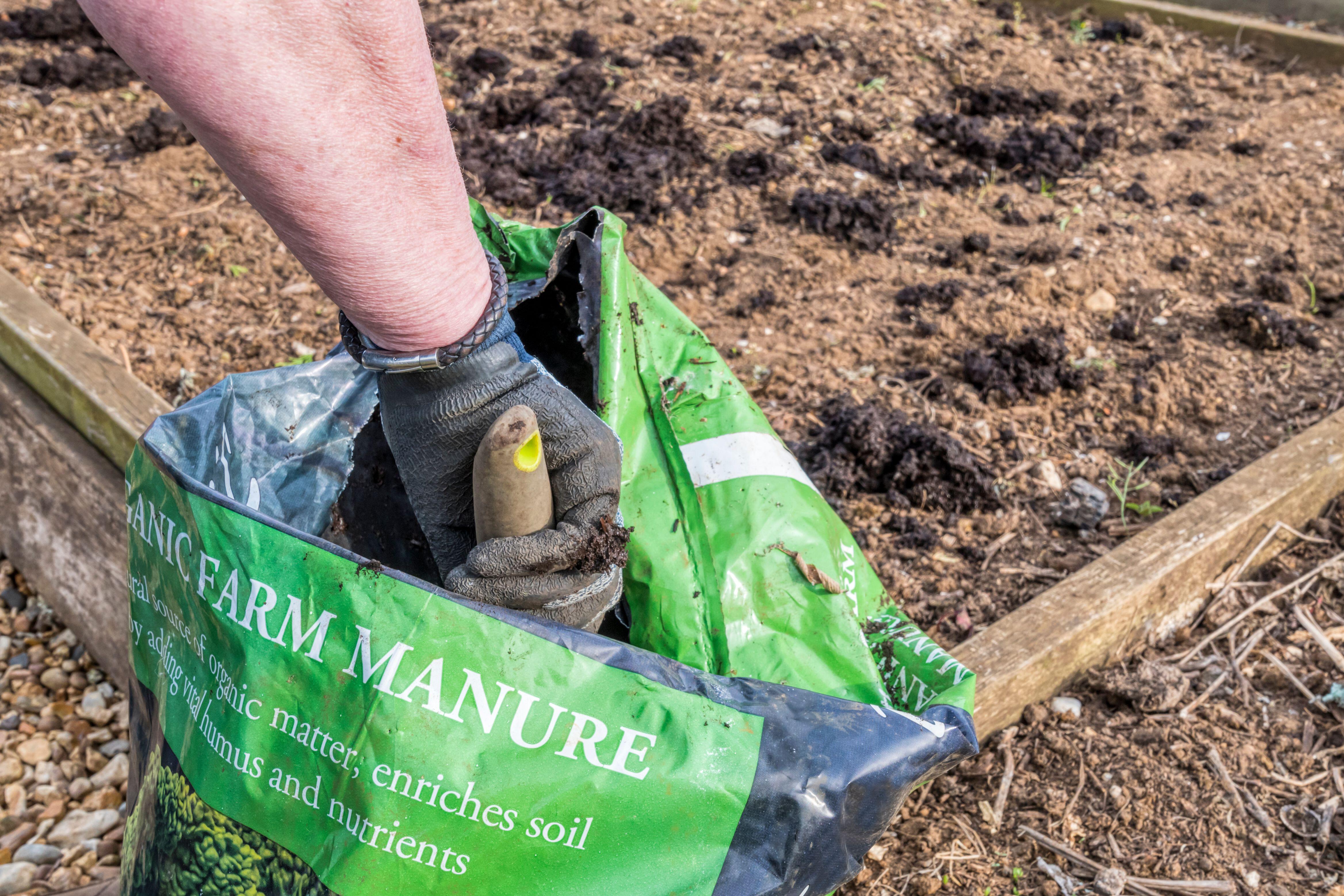
The key, according to the RHS, is to ensure the manure is thoroughly rotted to prevent scorching plants; if it’s still odorous or steaming, it requires further decomposition.
Straw
"Straw-based mulches are OK. They look and smell nice, so the customer has a great reaction. They break down really quickly and release loads of potassium in the soil," says Stanford-Beale.
While suitable for raised beds or allotments in spring, care must be taken to avoid overwhelming young plants and new seedlings with excessive potassium. "It only becomes an issue when you go year after year after year with straw mulch and it will build up, but if gardeners are sensible about what they are putting in, there shouldn’t be any problems."
Bark
Bark chippings are a popular choice for borders, effectively suppressing weeds and conserving moisture. Stanford-Beale highlights additional ecological benefits: "If you have more moisture you end up with less air and get slightly different cycles going on in your soil, so it encourages worms and lots of burying insects to come up through that mulch and recycle it around."
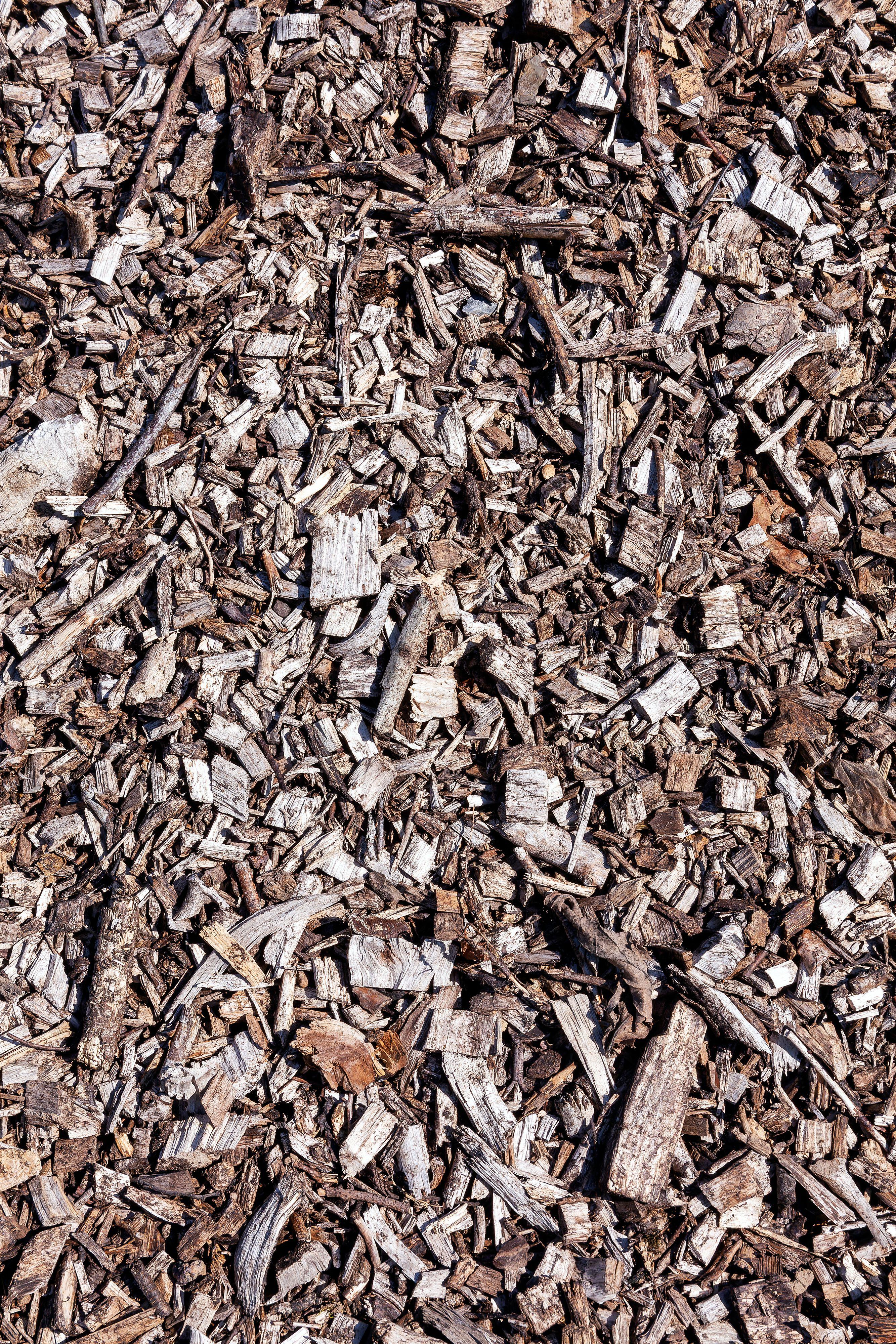
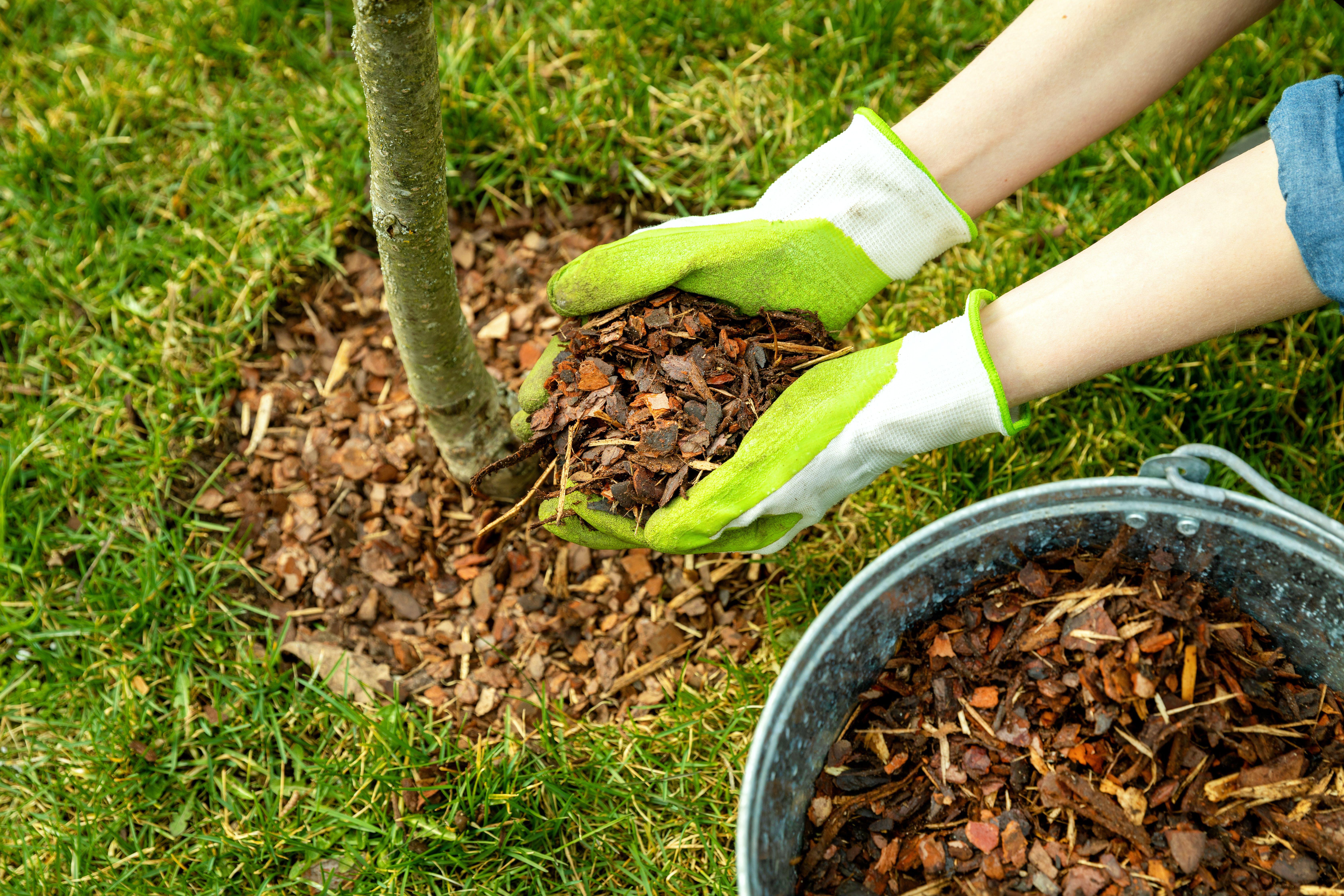
He likens its function to natural forest ecosystems, where fallen leaves act as mulch, stimulating the surrounding environment. He recommends using bark mulch around trees, ideally from the same species – oak bark for an oak tree, pine bark for a pine. He also stresses the importance of checking the source, advising against treated wood and encouraging the use of UK-sourced products.
"People are not labelling responsibly or properly and it’s making it difficult for customers to choose responsibly," he warns, though notes that some retailers are improving their labelling practices.
Non-biodegradable Materials
Slate, stone chippings, pebbles, shingle, and even decorative glass are often employed for their aesthetic appeal, while also helping to conserve moisture and suppress weeds.
However, Stanford-Beale cautions against their long-term implications. "That slate and glass will go on to your grass and break your lawnmower. And for the rest of time you’re going to be finding that product in your bed.
“So if you use something today which you like because of aesthetics, make sure you’ll like it in 20 years, because it’s still going to be there."
How deep should your mulch be?
For effective weed suppression without the need for a weed membrane, a mulch layer should ideally be three inches deep, Stanford-Beale advises. However, he adds, "But any amount helps, even if it’s just a scattering to add organic matter to your soil."