


 Africana55 Radio

This website uses cookies so that we can provide you with the best user experience possible. Cookie information is stored in your browser and performs functions such as recognising you when you return to our website and helping our team to understand which sections of the website you find most interesting and useful.
A woman who initially dismissed her symptoms as piles faced a life-threatening battle with rectal cancer, narrowly escaping death after a severe allergic reaction to chemotherapy. Jane Locke, 66, from New Milton, Hampshire, has now received the all-clear and expresses daily gratitude for her survival, stating her life is "brighter, more colourful, more immediate".
Ms Locke’s ordeal began in November 2021 when she started chemotherapy and radiotherapy following her diagnosis. However, a severe allergic reaction to the chemotherapy medication left her dangerously swollen and under intense hospital monitoring for nine days.
Recalling the terrifying experience, the mother-of-two told PA Real Life: "When I was in hospital, I watched my body start to swell up – my legs took on loads of liquid, my thighs were getting big and I was watching my body expand. All of a sudden there were doctors everywhere and everybody was rushing around. They said I could have died."
Her journey began in January 2021 when she experienced what she believed were typical symptoms of haemorrhoids, including blood after passing stool and a lump in the anal area. By July, with no improvement, she consulted her GP. "They said to me you’re the fittest person I’ve got in my books in your age group, except for this lump," she explained.
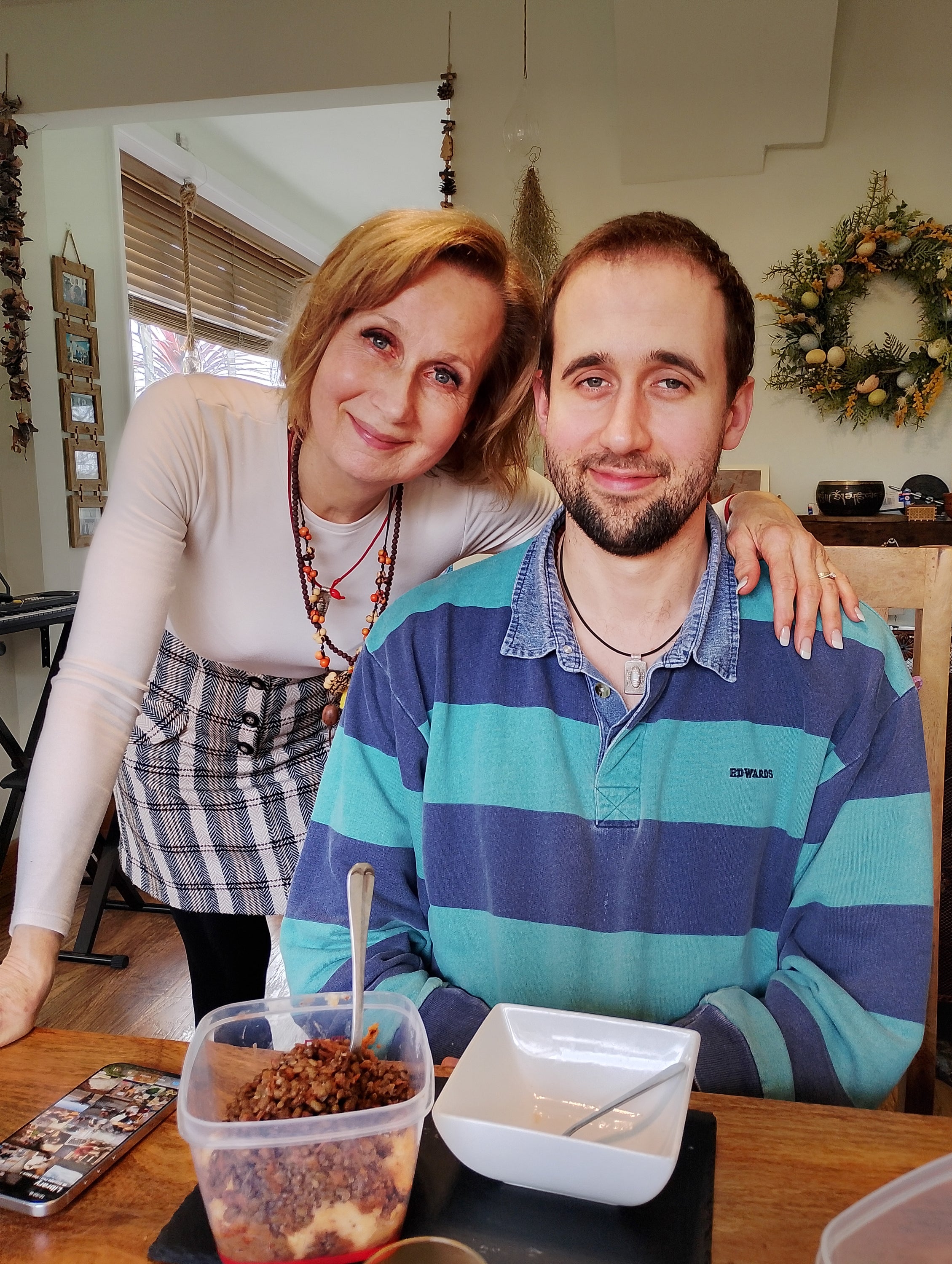
Just six weeks later, in September, Ms Locke attended an appointment with a consultant at Royal Bournemouth Hospital, expecting to have her piles removed. However, the situation took a dramatic turn. "I was on the operating table and the surgeon put her fingers in me, and she said, ‘That’s rectal cancer’ straight away," Ms Locke recounted. While she was not surprised, she noted: "It was a very big shock to my husband, because the whole operation stopped there, and then they wouldn’t do anything else."
Hospital staff explained the possibility of needing a stoma bag and outlined the stages of rectal cancer. Ms Locke’s initial reaction was pragmatic: "My first reaction was asking if I could still do yoga!"
Two weeks later, a biopsy, CT, and MRI scans were conducted. Doctors informed her that the lump could not be removed due to the risk of "bleeding out," which she found "quite upsetting." Three weeks later, she received the news that she had stage one rectal cancer and would not require a stoma bag. "It was a sigh of relief, but the bombshell was that I had to have chemotherapy and radiotherapy everyday, besides weekends, for six weeks," she said.
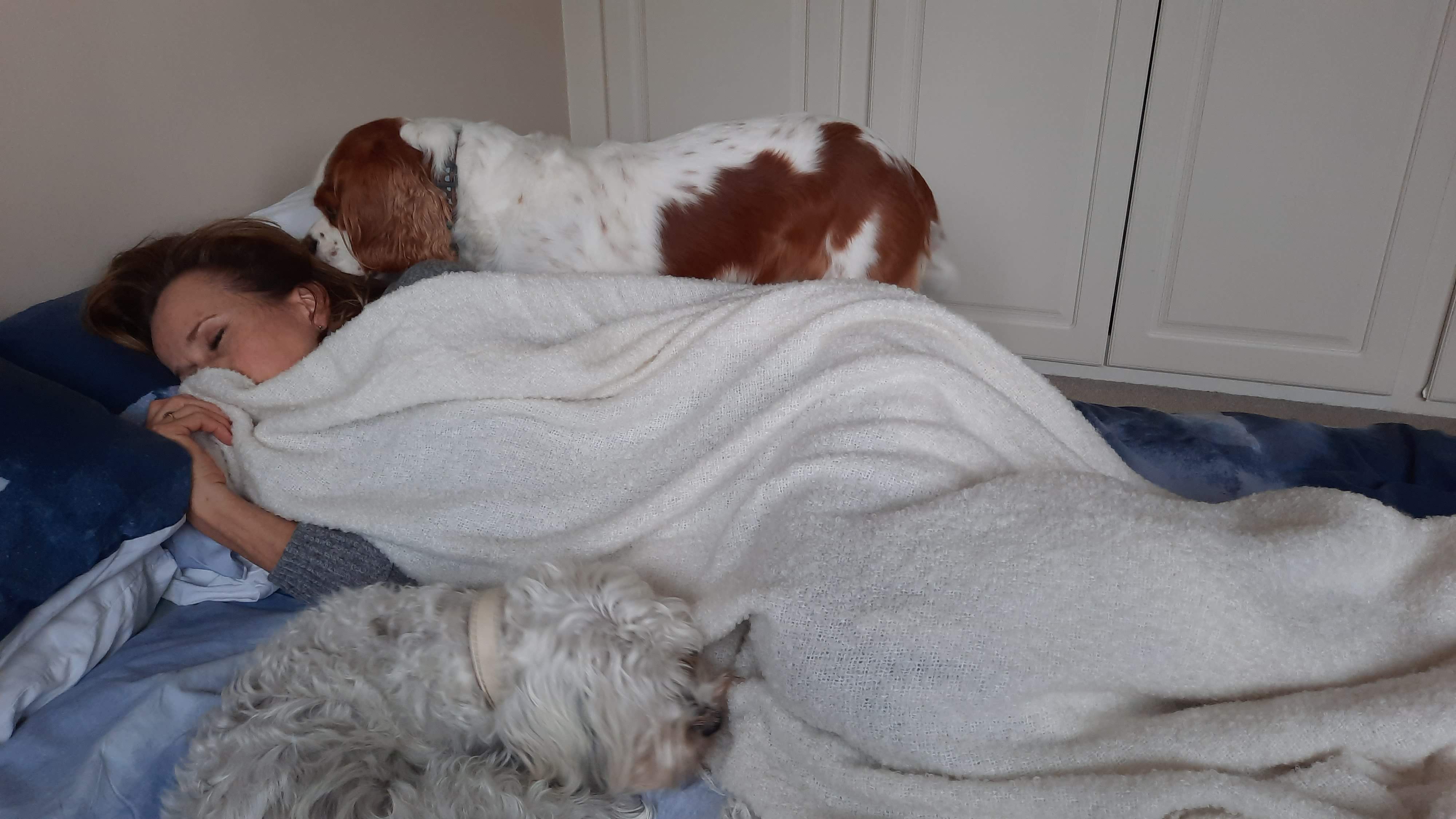
Treatment commenced in November 2021 at Poole Hospital, starting with intravenous chemotherapy. About two weeks in, after a radiotherapy session, Ms Locke felt "dizzy and just a bit weird," leading to the severe allergic reaction to chemotherapy tablets she had previously tolerated.
She recalled her body rapidly swelling, surrounded by medical staff. "They said they’d have to operate on me to remove all the inflammation and I’d potentially die as a result, or I’d be okay if they monitored me," she explained. Due to Covid-19 restrictions, her husband was unable to visit. Doctors monitored her for nine days, administering an IV drip and diuretics, as she was barely able to walk. During her hospital stay, Ms Locke bonded with other patients, helping them with meditation, which she found emotionally "healing."
After her condition stabilised, Ms Locke returned home and continued radiotherapy until 23 December 2021. "It got harder because the radiotherapy burned my skin from just below my navel to the top of my thighs," she explained. "It looked like I got a terrible sunburn, it was excruciating. I still felt terrible for two or three weeks after stopping the treatment – I had to crawl out of bed."
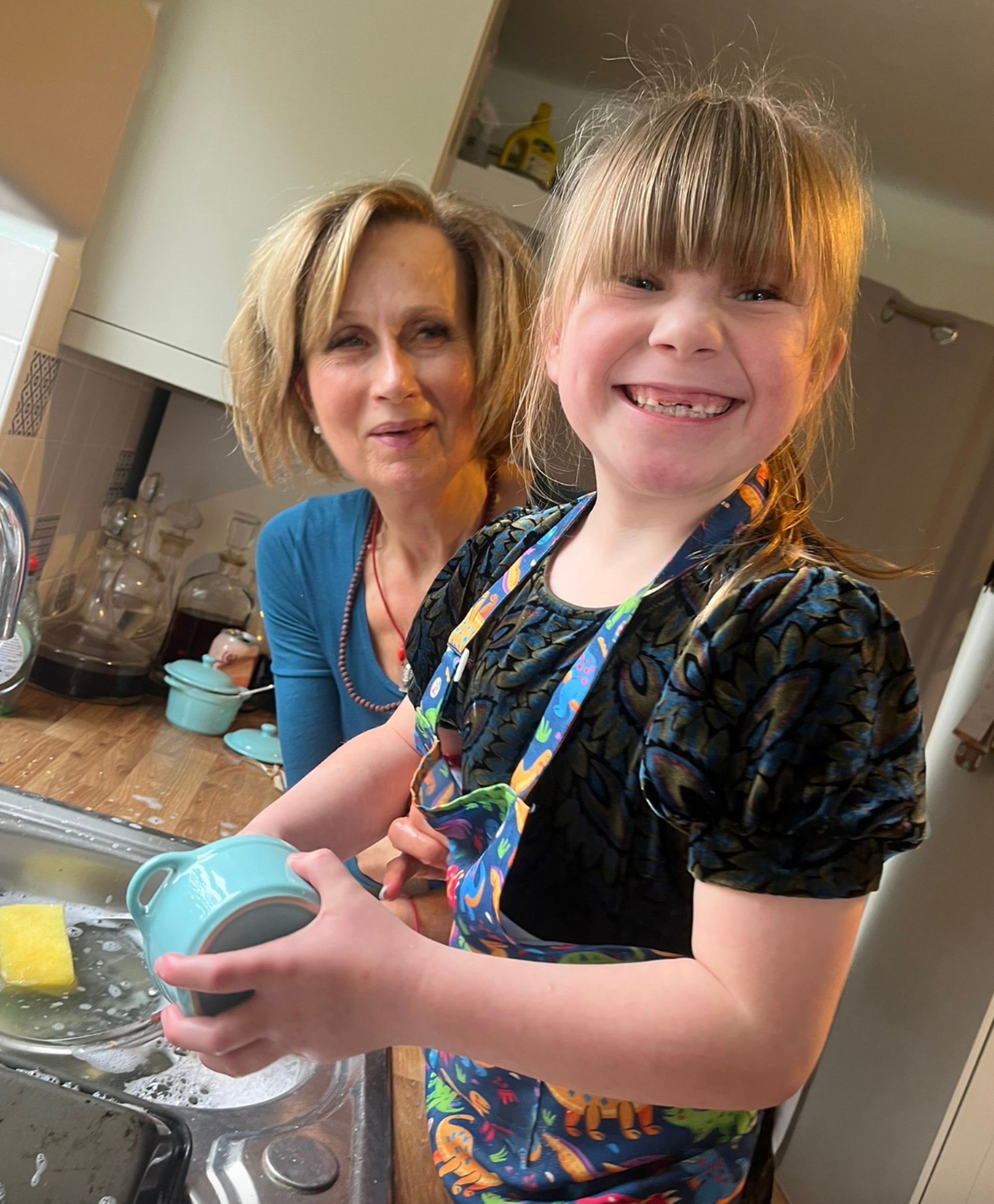
Following regular follow-up scans, Ms Locke received the all-clear in August 2022. Her immediate thought was practical: "I said great, but if it does come back, where does it go? They said it could spread to the bowel, but they haven’t found anything."
Since her cancer diagnosis, Ms Locke says she no longer "puts things off" and has gained a new perspective on life. She continues to have follow-up scans and credits meditation, particularly a programme by The Isha Foundation called Miracle of Mind, with helping her stay grounded and manage anxiety between appointments.