


 Africana55 Radio

This website uses cookies so that we can provide you with the best user experience possible. Cookie information is stored in your browser and performs functions such as recognising you when you return to our website and helping our team to understand which sections of the website you find most interesting and useful.
Q We were due to fly with Etihad from Phnom Penh in Cambodia to Manchester via Abu Dhabi on Wednesday 12 March. The flight was cancelled, and Etihad said that the earliest available flight is on 19 March – a week later than we should have flown. Both of us are going to miss a week of work and have additional hotel expenses.
Looking at the war situation, we are increasingly worried that the next flight will be cancelled and that we will be forced to buy a new flight, which could be very costly. What rights do we have?
David and Miri Mair
A Sadly, this is becoming a familiar tale. Because you are booked on a non-European airline from an airport outside Europe, you have no significant rights beyond the general presumption that a professional airline will aim to get you to your final destination as soon as possible. “We would like to thank our guests for their patience,” says Etihad. “We apologise for any disruption caused by circumstances beyond our control.”
The Abu Dhabi carrier has not, as far as I can tell, laid on any flights to Phnom Penh in the two weeks since the Iran crisis began. Once Etihad has told you that rescue is on the way, I believe it is likely to go ahead – though the airline warns: “Given the fluid nature of the situation, some services may be subject to change.” Onwards from Abu Dhabi, the carrier is flying twice daily to London Heathrow and once a day to Manchester.
Be aware, though, that during the time you are in transit in Abu Dhabi, you will not be covered by standard travel insurance. The “no-go” warning from the UK Foreign Office invalidates most policies during airport connections. If you are unhappy with this, or your flight ends up being cancelled, then the best option is to make for the nearest big hub to Cambodia: Bangkok.
Many airlines are piling on capacity to Bangkok, and plenty of budget airlines will get you to the Thai capital for around £50. The best deal I have seen in the next few days that avoids the Gulf states is around £700 one way on Oman Air to Heathrow. Better deals are likely to emerge as the supply of seats increases and demand dwindles.

Q I booked a UK-Sri Lanka ticket with British Airways. My return flight from Colombo was cancelled because of the closure of Gulf airspace. BA is telling me the earliest reroute is three weeks from now, but earlier flights with other airlines exist. Under the UK261 civil aviation regulations, aren’t I entitled to rerouteing at the earliest opportunity?
Leon Y
A UK261 is the law that governs air passengers’ rights from a British perspective. It is a copy-and-paste near-replica of the deeply flawed European statute, EU261, which came into effect 21 years ago. Both sets of consumer protections have a gaping loophole for many airlines. While all carriers that cancel a flight from British or European airports must find alternative transport for the passenger as soon as possible, that obligation does not apply to non-UK/EU airlines flying from outside Europe.
You are among tens of thousands of passengers whose travel plans have been torn up because of the Middle East flight disruption – and who are discovering that the airlines are in no particular hurry to fly them home.
The fact that you bought your ticket from a bona fide UK airline, British Airways, is irrelevant. BA hasn’t flown from Colombo for many years. The carrier that you had actually booked to fly you from Sri Lanka to the UK was BA’s part-owner, Qatar Airways. This airline has no obligation to you beyond flying you back when it is convenient for it to do so, or refunding the homeward portion of your fare. I can more or less guarantee that this sum will be a lot less than you will need to spend to return swiftly.
If you are prepared to take the risk involved in changing planes at Dubai International airport, the obvious way home is on Emirates for about £700-£800; seats are available every day. Note that the Foreign Office regards connecting at a UAE airport as too risky, but many people – faced with much higher fares for alternative routes – are opting for a Gulf transit.
Meanwhile, I will continue to lobby for an improvement in air passengers’ rights. After Brexit, the government could have chosen to make the rules fit for purpose, but declined to do so. All that changed was that the stipulated compensation figures in euros were replaced by proper sterling pounds.
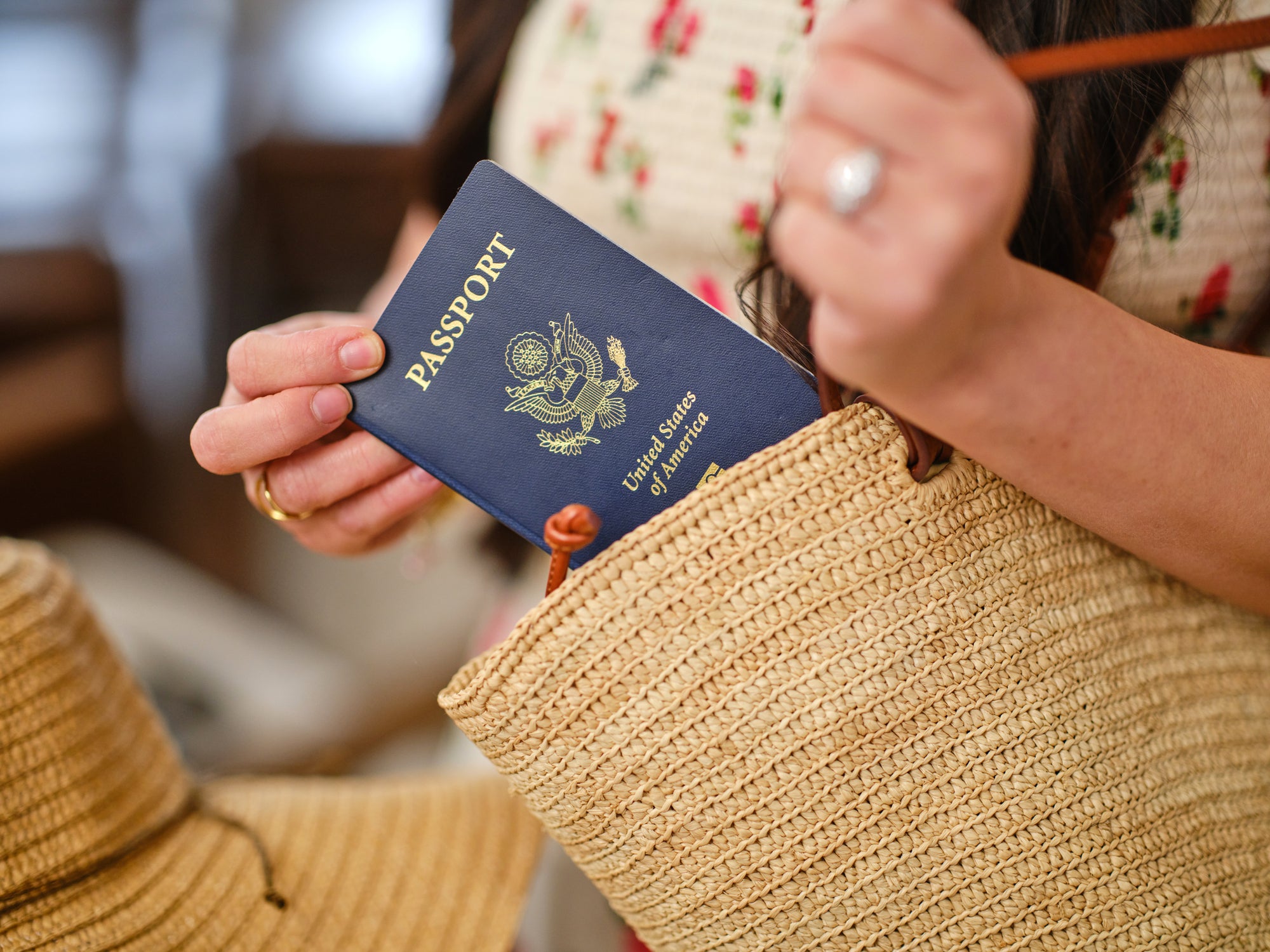
Q I just discovered my UK passport expired in January. And while I have a valid US passport, I can’t use it to travel to the UK for the event I’m supposed to attend in two weeks. Were I just an American I would get an ETA, but that’s not allowed for someone who is a British citizen. It’ll take a month to renew my passport. Any suggestions to rescue my trip?
Name supplied
A Until last month, any dual citizen from a so-called “visa-free nation” could enter the UK on their non-British passport. They would be stamped in and out by frontier officials. The process, which was largely automated, involved a straightforward enquiry: does the owner of this passport have permission to enter the UK? Since 26 February 2026, the question has become: is this person eligible to enter the UK on an electronic travel authorisation (ETA)?
Anyone known to be a British citizen is ineligible. A UK person can leave and return only on a British passport. So strident has been the publicity from the Home Office about the change, that you might infer that people are being told: “You can’t come into the UK, because we know you are British.” This could never actually happen. But were the system working as intended, that UK citizen could be denied boarding a plane – on the grounds that with a foreign passport, an ETA is needed.
So much for the theory; what about the practice? Let me turn to the House of Commons Library, whose recent report notes: “Dual nationals may travel to the UK on a foreign passport [while] unaware that they have British citizenship.” This clearly does not apply to you. But the report also says: “There has been speculation that some British dual nationals will go against UK government advice by applying for an ETA with their foreign passport and not declaring their British citizenship.”
In such a case: “Transport providers and staff at UK passport control wouldn’t necessarily know that a person travelling on a foreign passport also has British citizenship if the person didn’t volunteer that information. There is no central register of British citizens or dual nationals, and information about a person’s place of birth isn’t enough to confirm if they are British.”Everyone should comply with all border rules at all times. Evidently, though, not everyone does. I shall say no more.
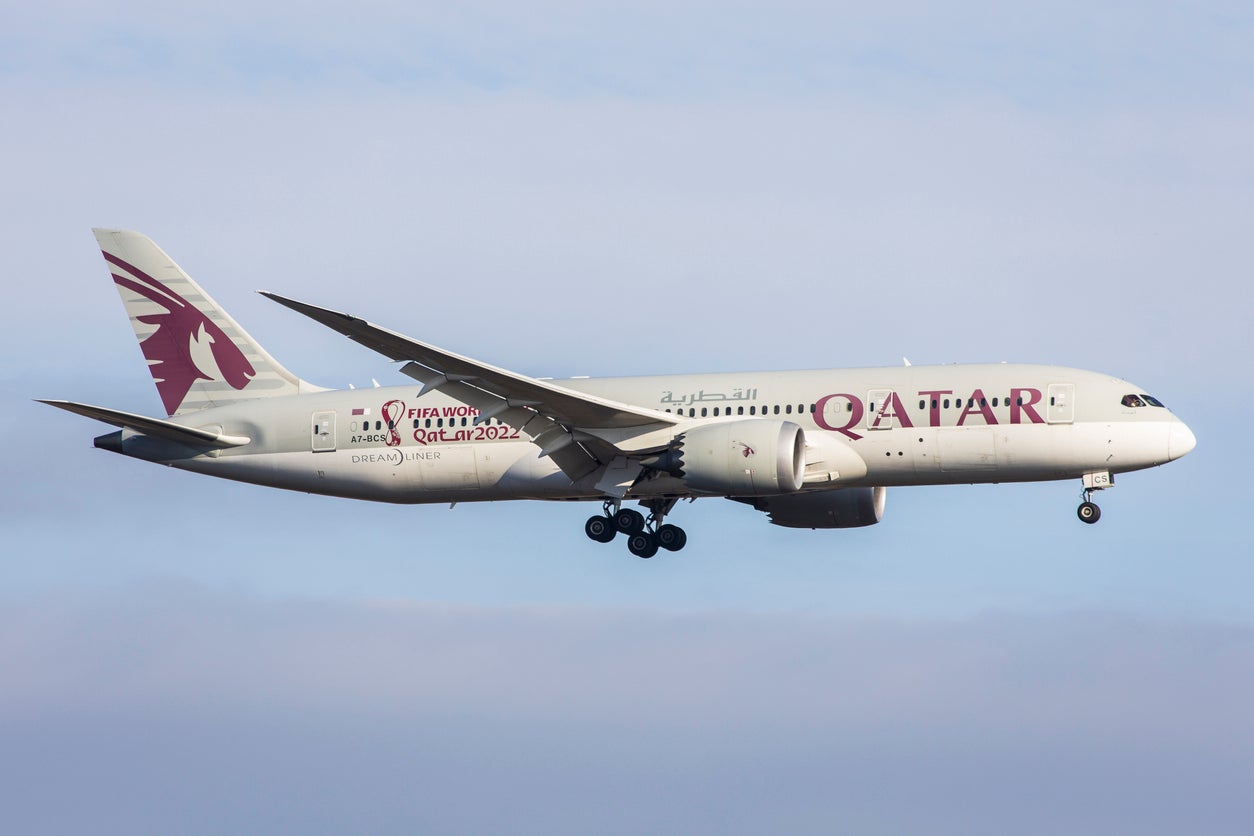
Q We’re in Cape Town, and were due to go home on Monday with Qatar Airways via Doha to Manchester. They have offered a refund for the flight, or a rebooking within 14 days of the original booking. We can stay, but are concerned that a rebooked flight in a week or so may not go ahead. Would we be best getting a refund and finding another way home?
Sallie S
A The carrier is currently saying: “Qatar Airways will resume operations once the Qatar Civil Aviation Authority announces the safe full reopening of Qatari airspace by the relevant authorities.” At present, the airline is operating flights to the highest-volume destinations, where the most passengers are stranded, including Bangkok, Mumbai, Delhi, Moscow and Melbourne. Cape Town is not on that list. Furthermore, Qatar Airways stresses: “These flights do not constitute a confirmation of the resumption of scheduled commercial operations.”
That term “commercial operations” is crucial. Only when Qatar Airways resumes a normal schedule, with new customers paying money to fly, can you be sure of being flown without a problem to Manchester. (I assume here that if the Qatari authorities deem Doha airport to be safe, the Foreign Office will lift its current advice against connections at the hub.)
While you wait it out in Cape Town, do not assume that the airline has you at the top of its list of priorities. “Fend for yourselves” is the general principle I have observed from Qatar Airways towards its passengers. Even so, I urge you not to cancel. During times of disruption, airlines like passengers to accept a refund because it manages down the problem at little cost to the carrier. Better to hang on to the ticket and remain a problem for the airline to solve.
Also, when people hear the word “refund”, they may assume that the airline is going to hand back the entire cost of their return ticket. Far from it. You are reliant upon the airline’s judgement of how much that particular segment of your trip costs. It is likely to be significantly less than half of what you paid for the round trip. If you end up deciding to buy a new ticket, I recommend Ethiopian Airlines via Addis Ababa. The carrier offers excellent service, at fares that are significantly lower than going non-stop.
Email your question to s@hols.tv or tweet @SimonCalder