


 Africana55 Radio

This website uses cookies so that we can provide you with the best user experience possible. Cookie information is stored in your browser and performs functions such as recognising you when you return to our website and helping our team to understand which sections of the website you find most interesting and useful.
Muslims globally are preparing to celebrate Eid al-Fitr, marking the end of the holy month of Ramadan.
While typically a time of immense joy, with congregational prayers, family visits, and new clothes, this year's festivities are notably overshadowed.
The ongoing conflict in the Middle East, with its far-reaching consequences, casts a particularly sombre mood. In the United States, many Muslims observed Ramadan amidst heightened concerns over immigration crackdowns and anti-Muslim rhetoric, compounded by the distress of loved ones affected by the war.
Eid al-Fitr, an Islamic holiday, marks the end of Ramadan, the month when devout Muslims fast daily from dawn to sunset. Ramadan is a time for increased worship, charity, and good deeds, typically featuring festive gatherings. Eid al-Fitr literally means "the feast, or festival, of breaking the fast."
Islam follows a lunar calendar, meaning both Ramadan and Eid al-Fitr cycle through the seasons. This year, the first day of Eid al-Fitr is expected on or around 20 March. The actual date may vary among countries and Muslim communities.
To greet someone celebrating Eid, you can say: "Eid Mubarak," or "Blessed Eid," and "Happy Eid."
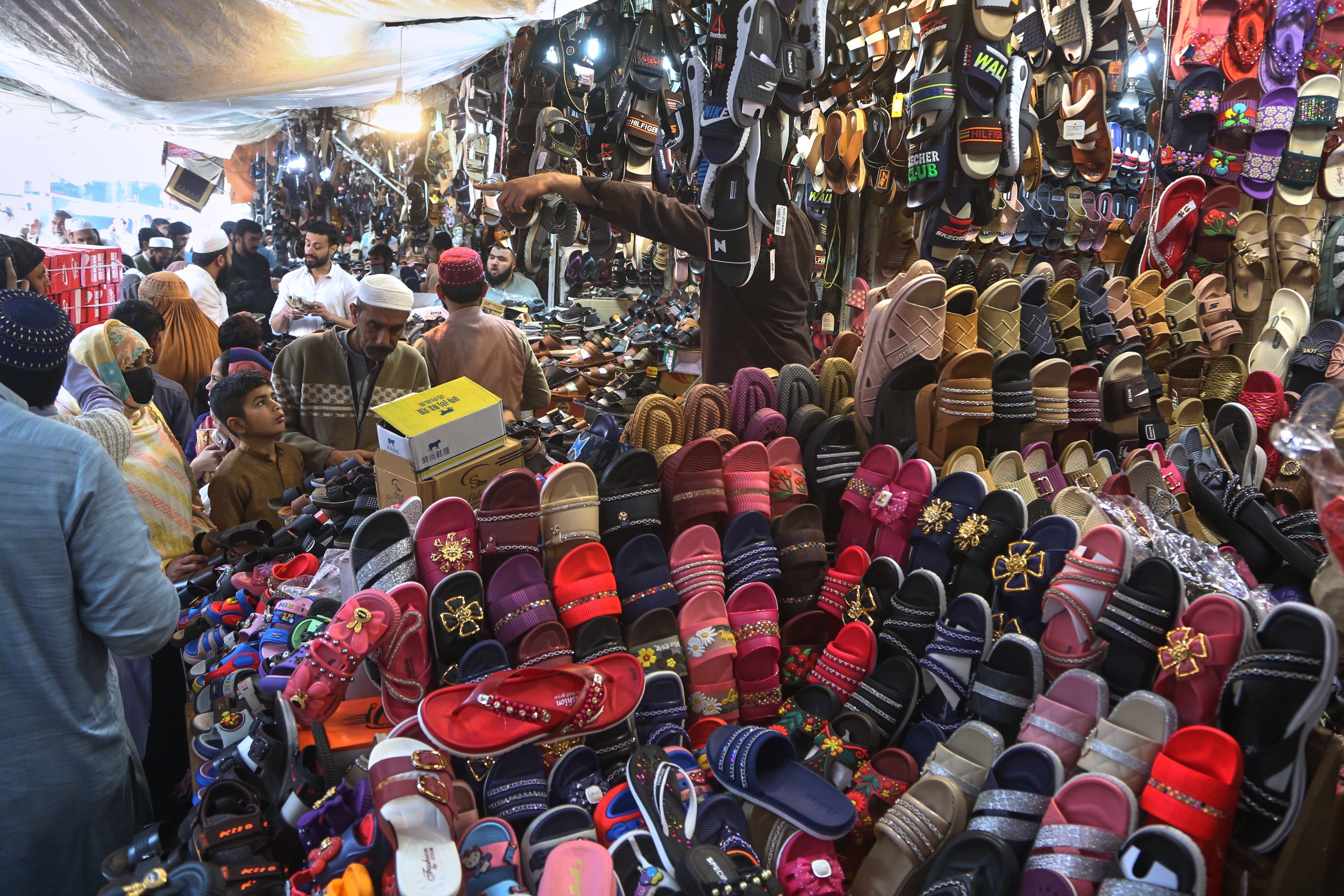
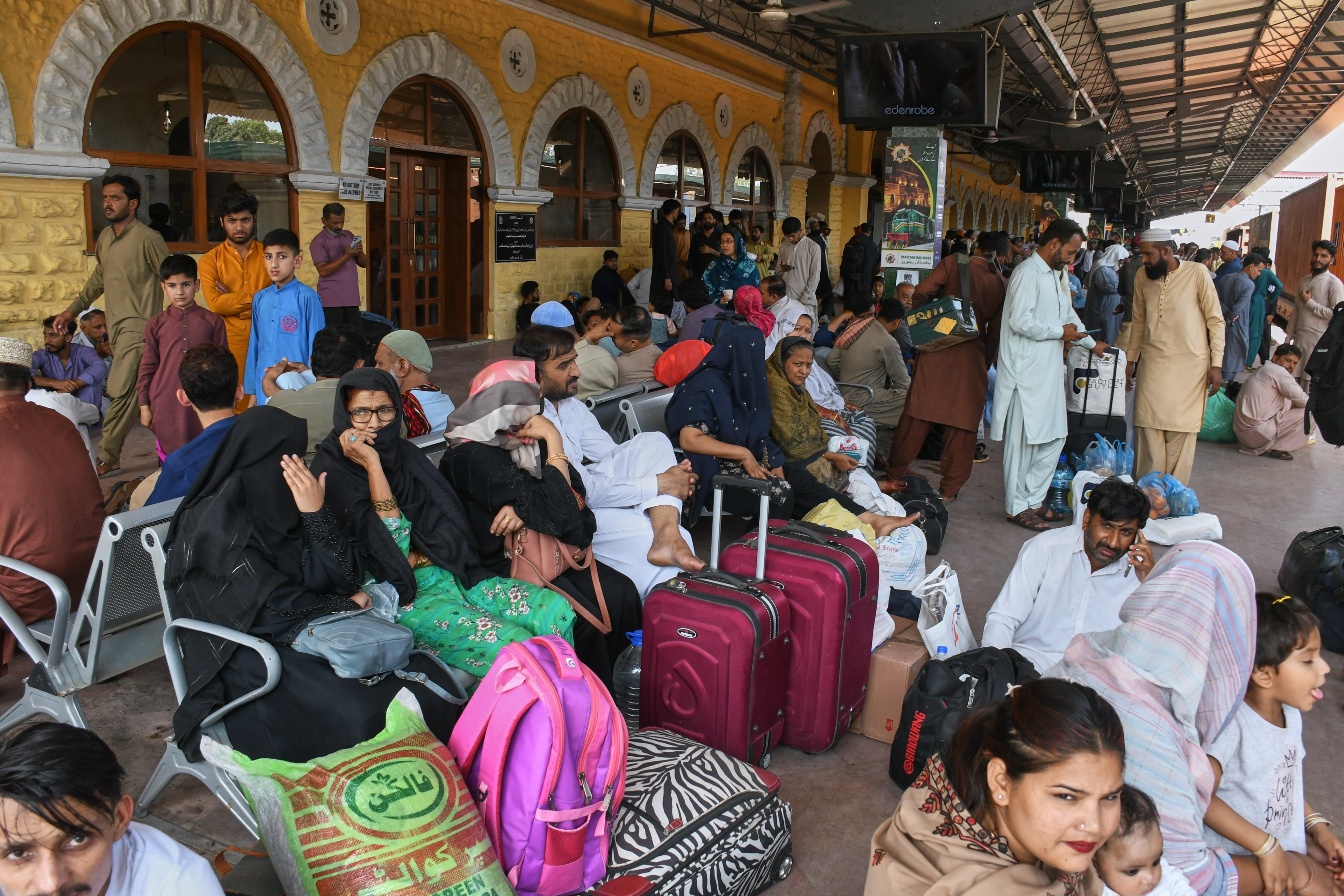
In Indonesia, many embark on an "exodus" to their hometowns, a homecoming tradition to celebrate Eid with loved ones. People pour out of major cities to return to villages for prayers and family gatherings. Before the holiday, popular markets typically teem with shoppers buying clothes, shoes, cookies, and sweets.
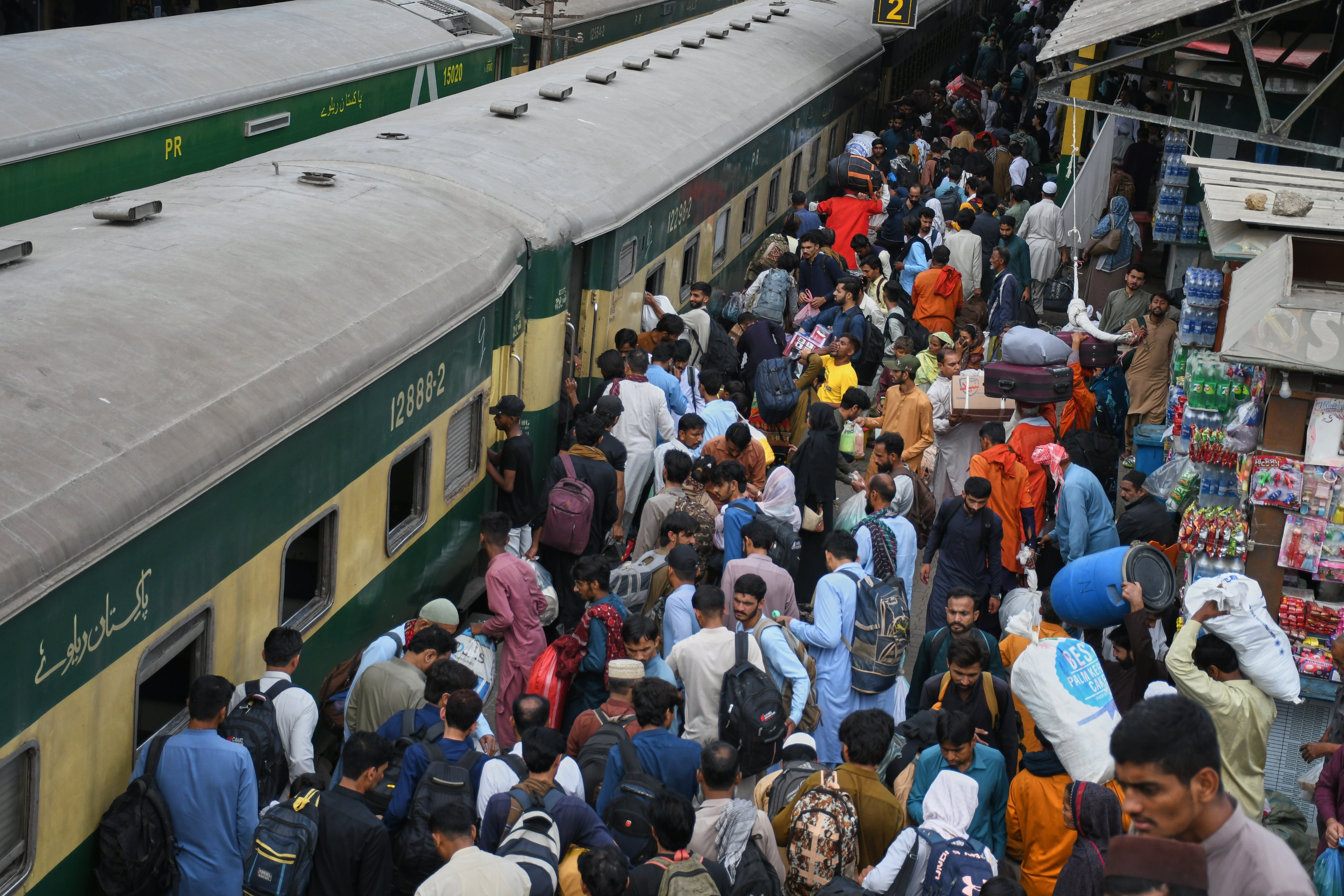
Malaysia also observes a homecoming tradition for Eid. The first day typically begins with morning prayers at the mosque, seeking forgiveness from family and friends, and visiting loved ones’ graves. An "open house" spirit encourages friends and families to exchange visits, enjoying traditional delicacies. Older Muslims present money in green packets to visiting children and guests.
In Egypt, families partake in Eid prayers amid a festive atmosphere. Many visit relatives, friends, or neighbours, with some travelling to vacation spots. Children, usually in new Eid outfits, receive traditional cash gifts known as "eidiya." Making or buying Eid cookies dusted with powdered sugar is another fixture of marking the holiday in the country.
In the United States, where Muslims form an ethnically and racially diverse minority, many gather for Eid prayers and festivals. These events feature fun activities for children and families, often including face painting and balloon twisting.