


 Africana55 Radio

This website uses cookies so that we can provide you with the best user experience possible. Cookie information is stored in your browser and performs functions such as recognising you when you return to our website and helping our team to understand which sections of the website you find most interesting and useful.
“Welcome to Spice Island” was the first thing I read as I approached the arrivals desk. As an avid foodie with a penchant for travel, it was as if these words were written especially for me.
This was my first experience of the West Indies, a subregion of the Caribbean famous for its paradise beaches, lush landscape, vibrant culture and, of course, top-tier rum. While hotspots like Barbados and Antigua draw many of the tourists, Grenada is something of a hidden gem. Last year, only around 370,000 intrepid travellers touched down on the island. Compare that to Jamaica’s 4.3 million and it’s a drop in the ocean.
Hallie, the marketing manager at Mount Cinnamon, my hotel for the week, met me outside. On the short drive to the resort, she schooled me on the island’s history. Grenada supplies around 40 per cent of the world’s nutmeg and mace, I learnt as I breathed in the tropical air and mountainous scenery.
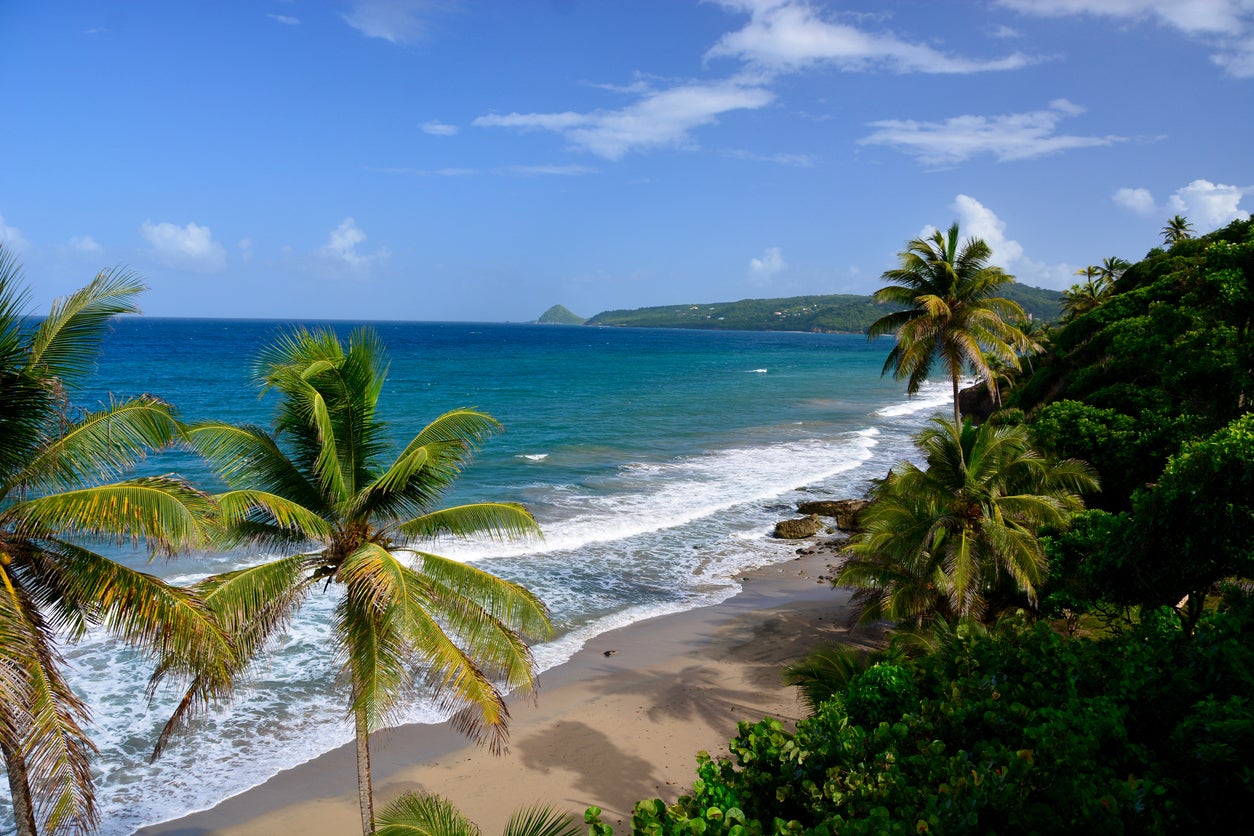
Our first stop was a tapas and tacos experience at the hotel’s bar and grill. It was situated on Grand Anse beach, a two-mile stretch of white sands near the island’s capital, Saint George’s. As the sun sunk low, dragging streaks of molten orange across the sky, I understood why it’s considered one of the Caribbean’s best beaches.
There was more to come, however. A 10-minute walk away is Morne Rouge Bay, a crescent cove enveloped by fuchsia bougainvillaea, Grenada’s national flower. Taylor, a local yoga instructor, told me that the fish tacos at La Plywood, a pastel-painted beachfront bar, are to die for.
The next morning, I mostly wanted to snuggle under the covers of my king-size bed, which was perfectly positioned by the floor-to-ceiling windows. Alas, head chef Janice was waiting for me downstairs for a cooking demonstration and I could feel my stomach rumbling. Despite having a lifelong love affair with food, I’m the first to admit I’m no Nigella. At home, my fiancé does the cooking and I do the eating. But the tables had turned, and with Janice’s patient guidance, I was able to whip up tuna steak marinated in coconut oil, served with a plantain salad and pineapple salsa.
My next stop was the Belmont Estate. Located in the north-east of the island, this 17th-century plantation was established during the colonial era, when its main crops were sugarcane and coffee. Workers would have been enslaved people until nationwide emancipation in 1834. According to Grenada’s National Archives, the then-owner Robert Houston claimed £5,024 in compensation for the loss of labour at the time, and the estate continued to operate with waged employees.
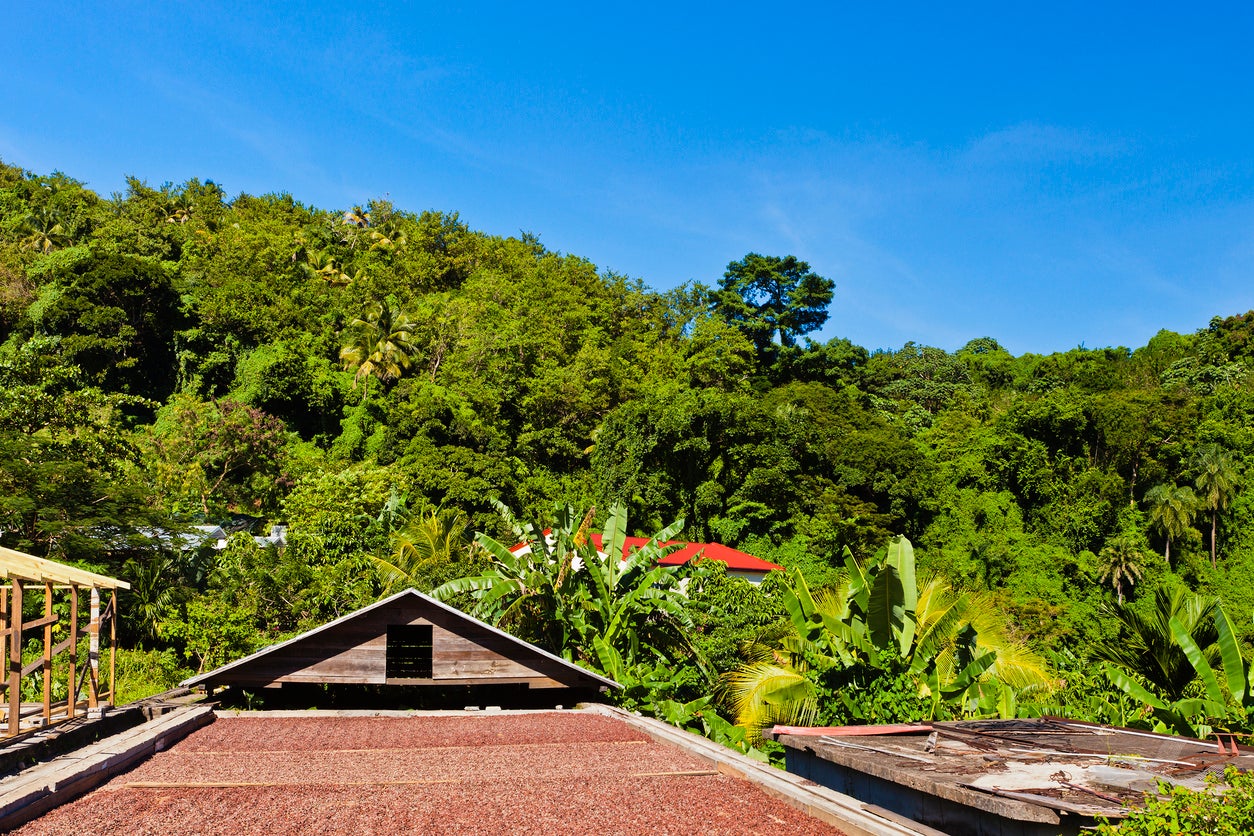
In 2002, the plantation opened to tourists, and it now offers an insight into organic farming, with tours showcasing tree-to-bar chocolate production. The local owners have worked to transform its oppressive past into a thriving business that empowers the community and preserves the environment. I joined the classic tour, where, for just EC$16 (£4.46), I learnt how cocoa beans are made into chocolate, tried cocoa tea and visited the chocolate factory.
History is everywhere on the island. On the drive to Belmont Estate, my guide, Krishna, spoke of “his Grenada”, sharing personal stories and a cultural context. Stopping at the island’s old airport, which now houses Cold War relics, he explained that, outside of Cuba, it’s rare to find signs of the former USSR in the Caribbean. Yet there I was, face-to-face with the remnants of a Soviet crop duster and an old Cubana Airlines aircraft from the Grenadian revolution in 1979.
Read more: The best MSC Cruises ships and sailings for 2026
All the while, we were listening to “Jab Jab”, a type of call-and-response music with island origins. Thanks to a handful of local artists, Grenada’s carnival – known as Spicemas – has become one of the biggest in the Caribbean. Held annually in August, it’s a cultural celebration complete with lively street parties and traditional music.
From the chaos of the city to the calmness of the rainforest, I worked off the copious chocolate by hiking to the Seven Sisters Waterfall. The 40-minute trek in Grand Etang National Park leads to a series of stunning cascades and cool mountain pools. Lion, my new guide, told me I was surrounded by Earth’s “natural pharmacy.” He picked indigenous herbs and educated me on their healing powers. Swimming beneath the waterfall, I’d never felt so zen.
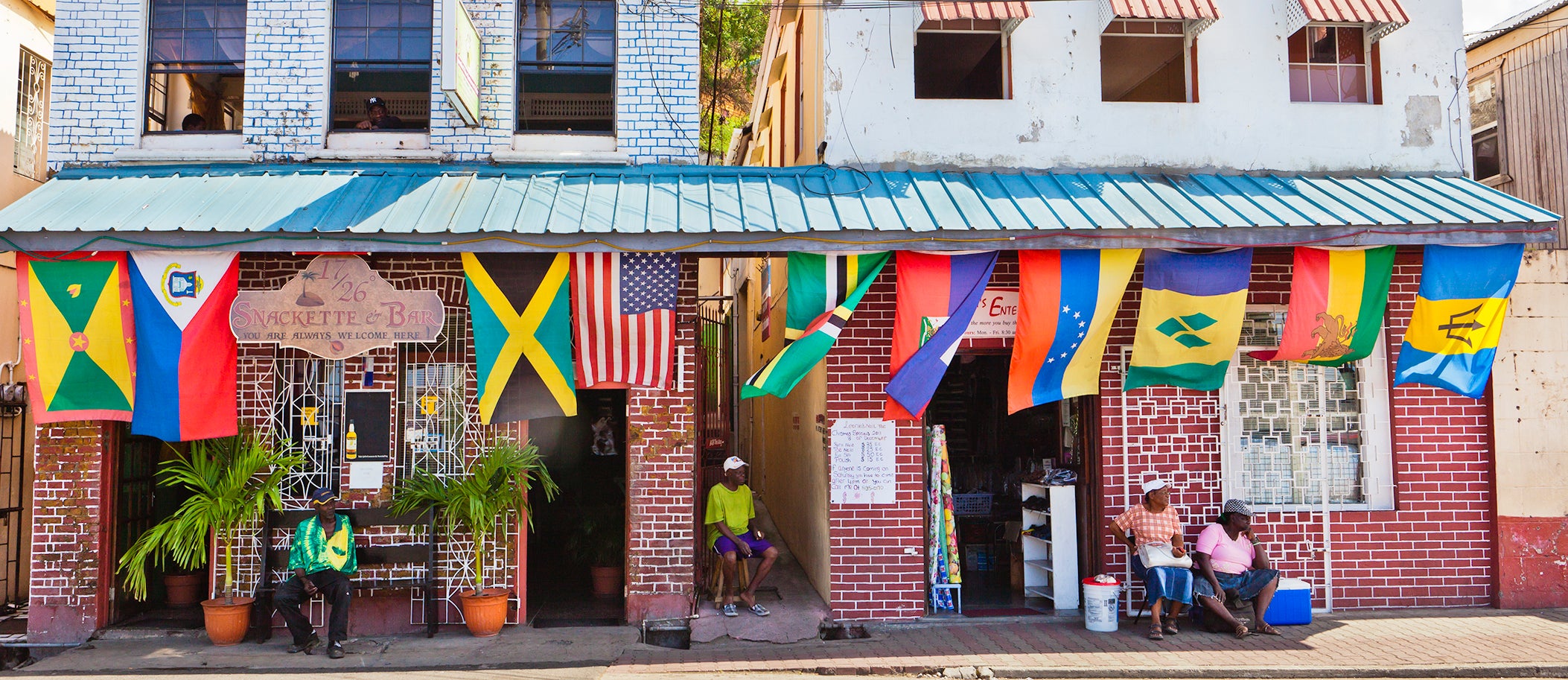
Another day brought another activity: the coveted Spice Foodie Tour. My host, Curtis, declared that Grenada is the “best place in the world.” I got the impression that locals are fiercely proud of their country. Grenada gained independence from the United Kingdom in 1974, and everywhere I turned there was a mural celebrating the 50-year anniversary, always painted in the colours of the national flag. Curtis told me that green symbolises Grenada’s lush vegetation and agriculture, yellow represents the sun and warmth of the people, and red stands for courage, unity and harmony.
Read more: The six most affordable Caribbean holiday destinations
We had breakfast at D Bamboo, an authentic restaurant at Mount Parnassus Plantation. Served in a repurposed bamboo bowl, I savoured saltfish souse and fishcakes. Later, we stopped by a gas station where I try my first ever doubles, a delicious Caribbean street food consisting of fried flatbread, curried chickpeas, chutney and a spicy pepper sauce. I washed it down with a shot of under-the-counter at Mark’s Sports Bar, a potent, locally-made spiced rum that often exceeds 70 per cent alcohol. Trust me when I say one is enough.
But perhaps the star of the show was my final meal of the whole trip: oil down, Grenada’s national dish. After a week learning about the island’s connection with spices and spirits, I find myself in the charming hillside home of Chef Kennedy, proprietor of Home Hospitality.
During a three-and-a-half-hour class, I learnt how to cook the a hearty, one-pot stew from scratch, before settling down for dinner on his terrace. Made from breadfruit, dumplings, meat, salted fish and callalloo, the dish is cooked in spices and coconut milk to create a savoury, creamy and tender texture. As we “unpacked the pot”, the aromas drifted lazily through the room, curling into every corner. I couldn’t help but think that this is the perfect excursion for those searching for a taste of the island.
My time in Grenada was a treat for the senses. Grenada is a country steeped in history, culture, glorious food and even greater people. I’ll certainly be back.
How to do it
Flights from London Heathrow to Grenada with Virgin Atlantic depart twice a week, starting at £619 for a return ticket. Flight time is from 11 hours, with one stop at Barbados.
Mount Cinnamon Beach & Wellness Resort is a boutique hideaway inspired by Caribbean life. Its Cinnamon Suites feature king-size beds, expansive views and outdoor patios. Rooms start from £454 per night including breakfast, taxes and services.
Sophie was a guest of Mount Cinnamon and the Grenada Tourism Authority