


 Africana55 Radio

This website uses cookies so that we can provide you with the best user experience possible. Cookie information is stored in your browser and performs functions such as recognising you when you return to our website and helping our team to understand which sections of the website you find most interesting and useful.
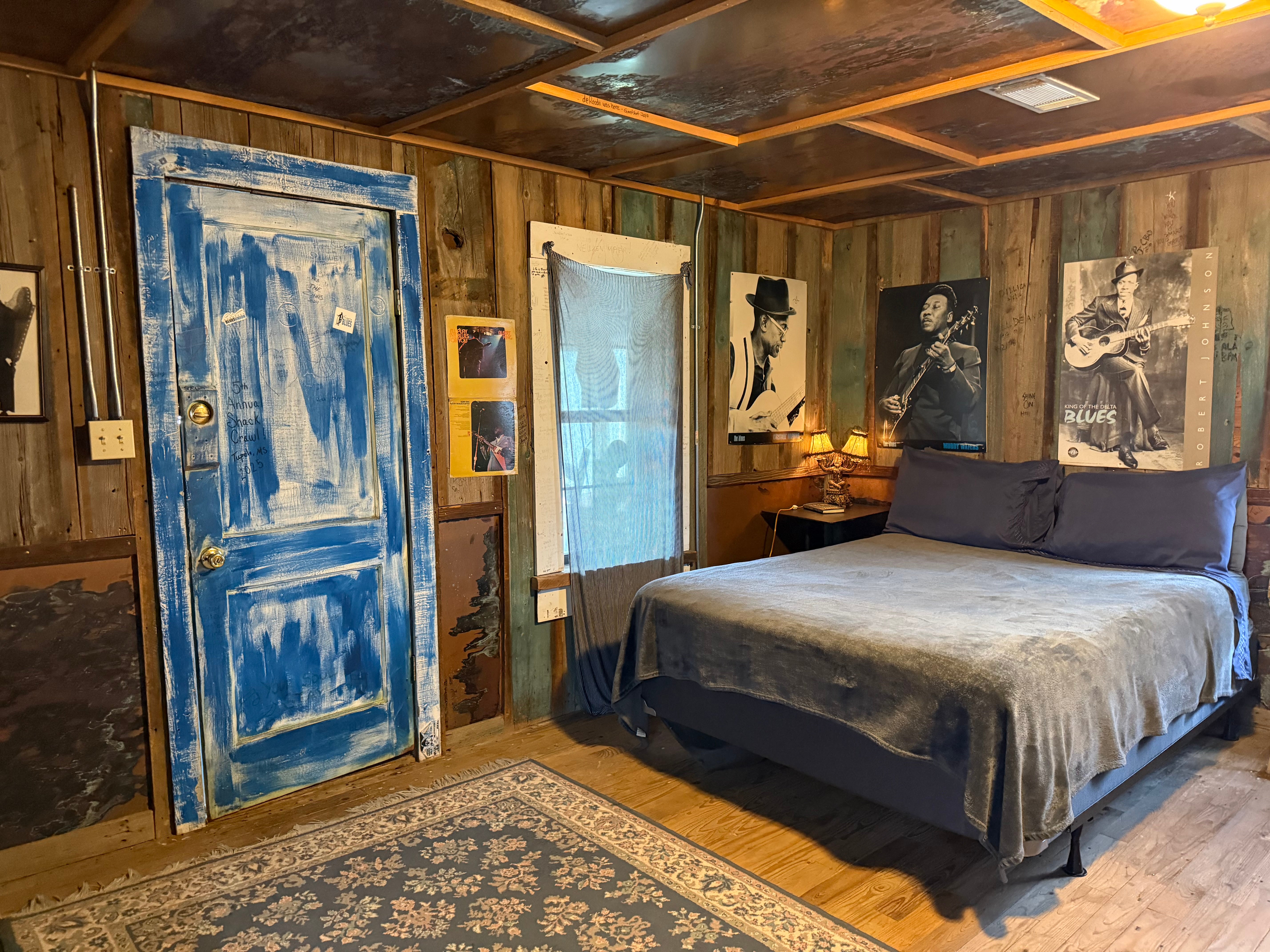
As the Mississippi sun glints through the coloured glass on the bottle tree, I think about the haints. I’ve been told that the “tree” has been built to catch these dark spirits and protect those who sleep here from their mischief and malice. I’ve heard how the scribbles and sketches that cover the walls in the shack where I’m staying are there to confuse the haints, and that there may be a kitchen colander placed in the ceiling so they get distracted by the holes. The door to my bedroom is painted “haint blue” – a shade designed to make the spirits think they’ve reached sky or water, and will continue on their way rather than swoop through the home.
I’m deep in the Mississippi Delta, a land of superstition and mysticism. Where local lore, long-held traditions and spiritualism seep through the swamps, fields and towns. It’s a region that has seen hardship, tragedy and tales of unimaginable cruelty, but it is also where resistance grew, resilience persisted and cultures flourished in harsh conditions. After all, this region fostered one of the world’s greatest music movements; in Clarksdale where I’m gazing warily at the bottle trees, blues runs through the veins of the city, played late into the night at juke joints, rising from record players in bars, and drifting off front porches.
It’s blues that Clarksdale has to thank for the town’s quiet emergence as something of a tourism success story in the unlikeliest of regions.
Nestled in the corner of the poorest state in the US, the Mississippi Delta consistently ranks highly for poverty and unemployment, with a population in decline. Racial tensions still simmer following a troubled history that witnessed a cotton industry built on slavery. In a state that recoded the highest number of lynchings and the most rigorously enforced racial segregation in the country, the Delta stood out for its brutality – this was the region that witnessed the harrowing murder of 14-year-old Emmett Till in 1955, followed by a violent, and sometimes deadly, response to the drive for racial equality during the Civil Rights Movement. It was the most racially segregated state in the South during the Jim Crow era (and arguably still is).
In Coahoma – the county where Clarksdale is found – the poverty rate was 35.5 per cent in 2024, far above the national rate of 12.5 per cent and the state level of 18.9 per cent.
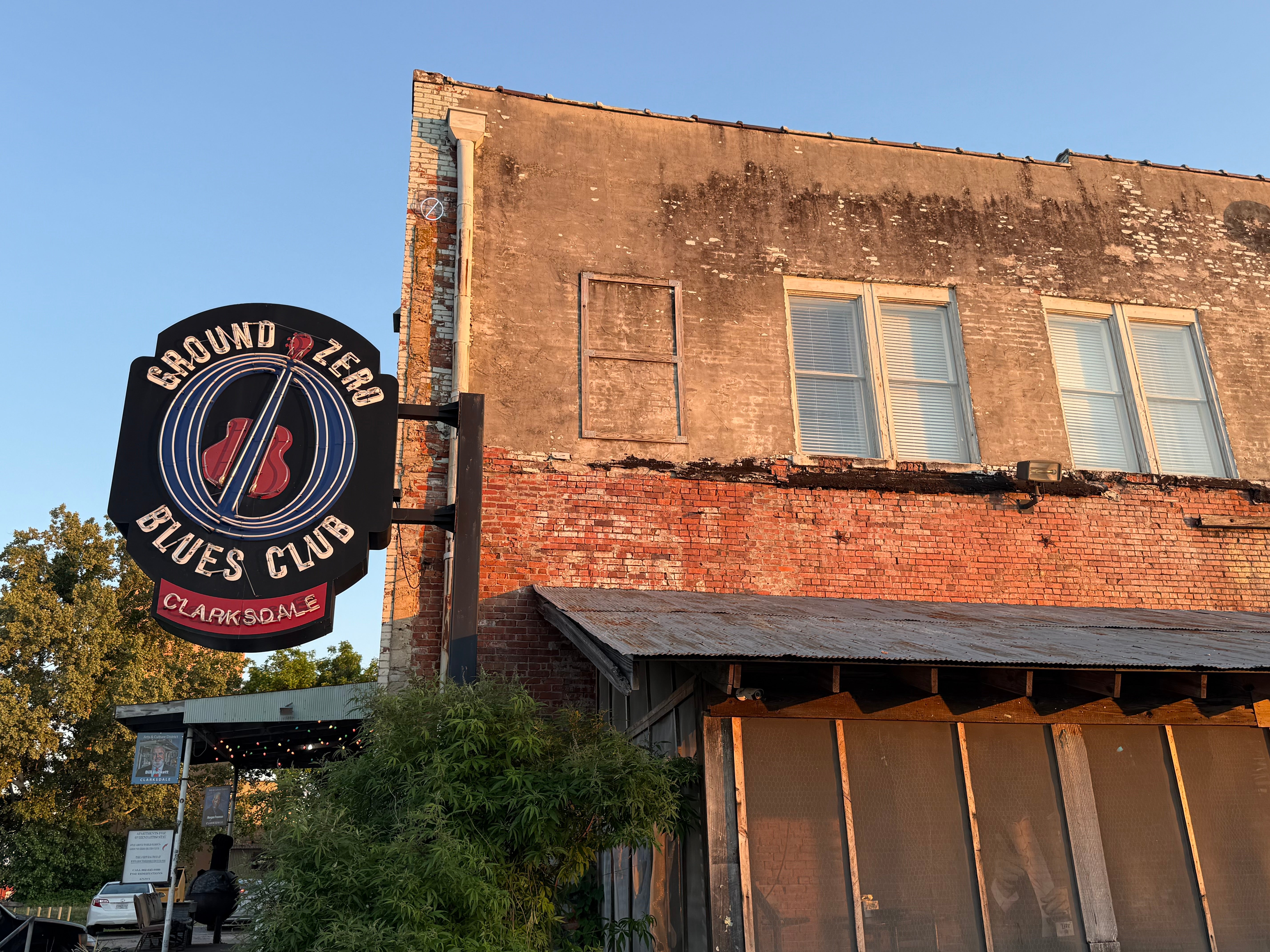
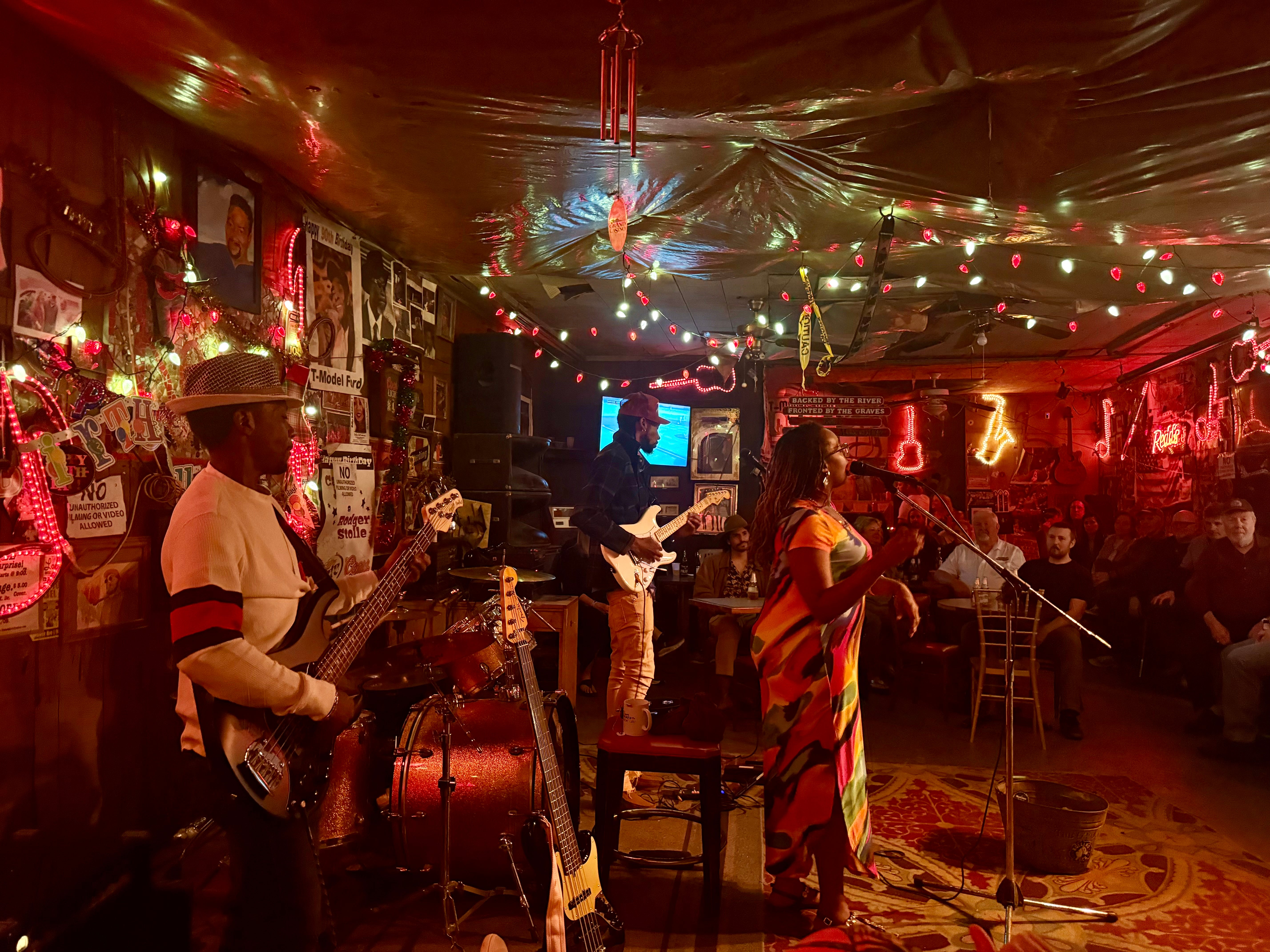
Yet, the night before I arrived in town, internationally acclaimed rock duo The Black Keys had played in Red’s juke joint; and when I perched on a barstool to listen to Edna Nicole and Rev Slim playing soulful blues on the following Saturday night, tourists clasping beers were sitting shoulder-to-shoulder with locals. Earlier that evening at Ground Zero (a juke joint part-owned by Morgan Freeman), over fried green tomatoes and Red Panther beers, I’m told that the crowd is comprised mostly of tourists keen to get a taste of authentic Delta blues. Many of them – like a couple of middle aged brothers I chat with as we listen to Ms Nickki & The Lizard Kings – come to the South on the well-trodden blues trail that takes in the musical heavyweights of Nashville, Memphis and New Orleans, and then through word of mouth find themselves in Clarksdale.
Read more: Mitchelville could be the most important place you visit in the USA
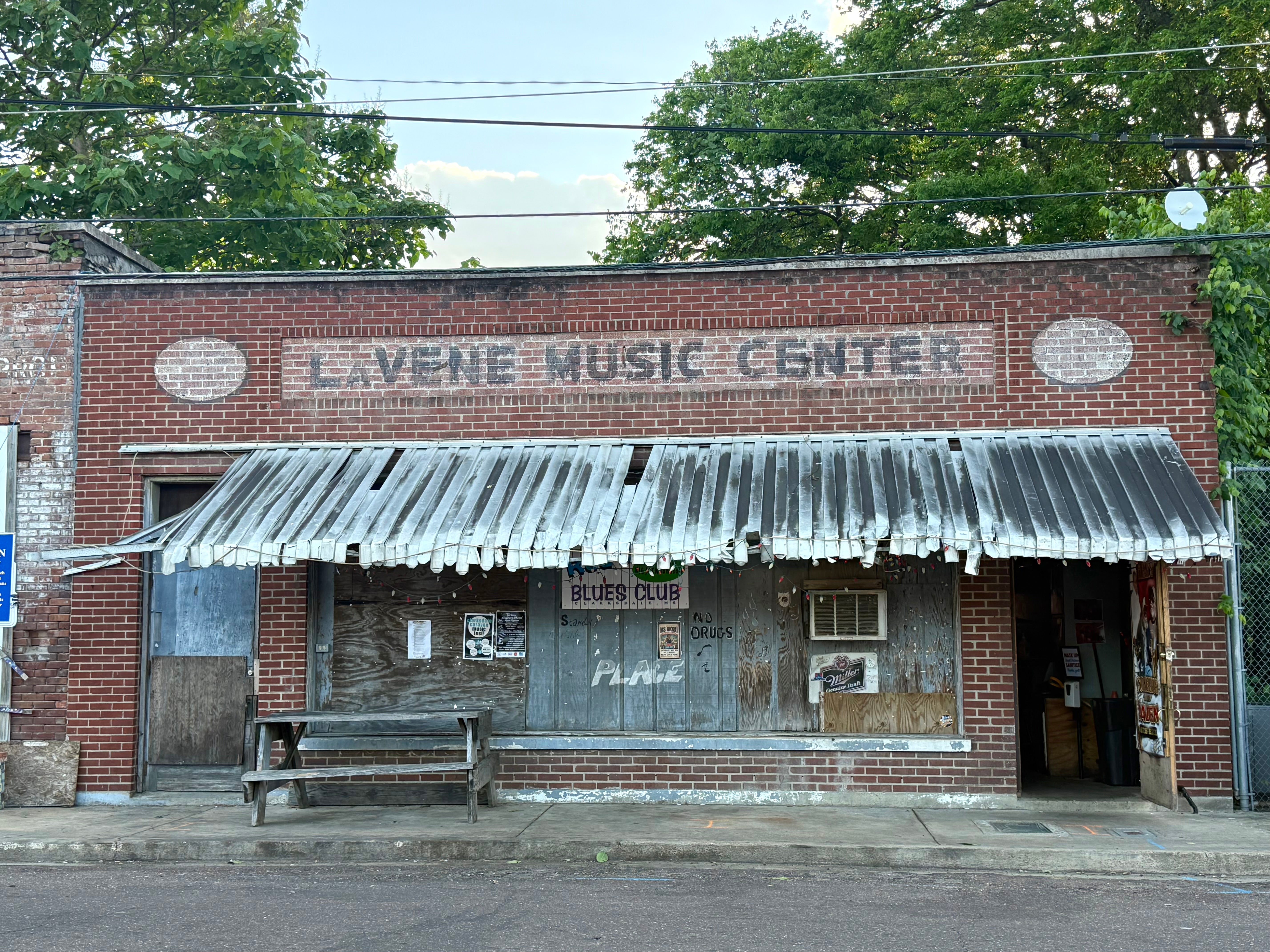
Most tourists will start their journey at the crossroads between Highways 49 and 61, where legendary American blues singer Robert Johnson is said to have sold his soul to the devil in exchange for musical mastery. Here, visitors can also stop in at Abe's Bar-B-Q where they’ll find a warm welcome, along with ribs, sandwiches and tamales doused in Abe’s famous “comeback sauce”. In the surprisingly walkable downtown, street art and colourful murals cover the walls of bars and shops, including Cat Head records, where you can get lost among vinyl, books, t-shirts, folk art, books and gifts.
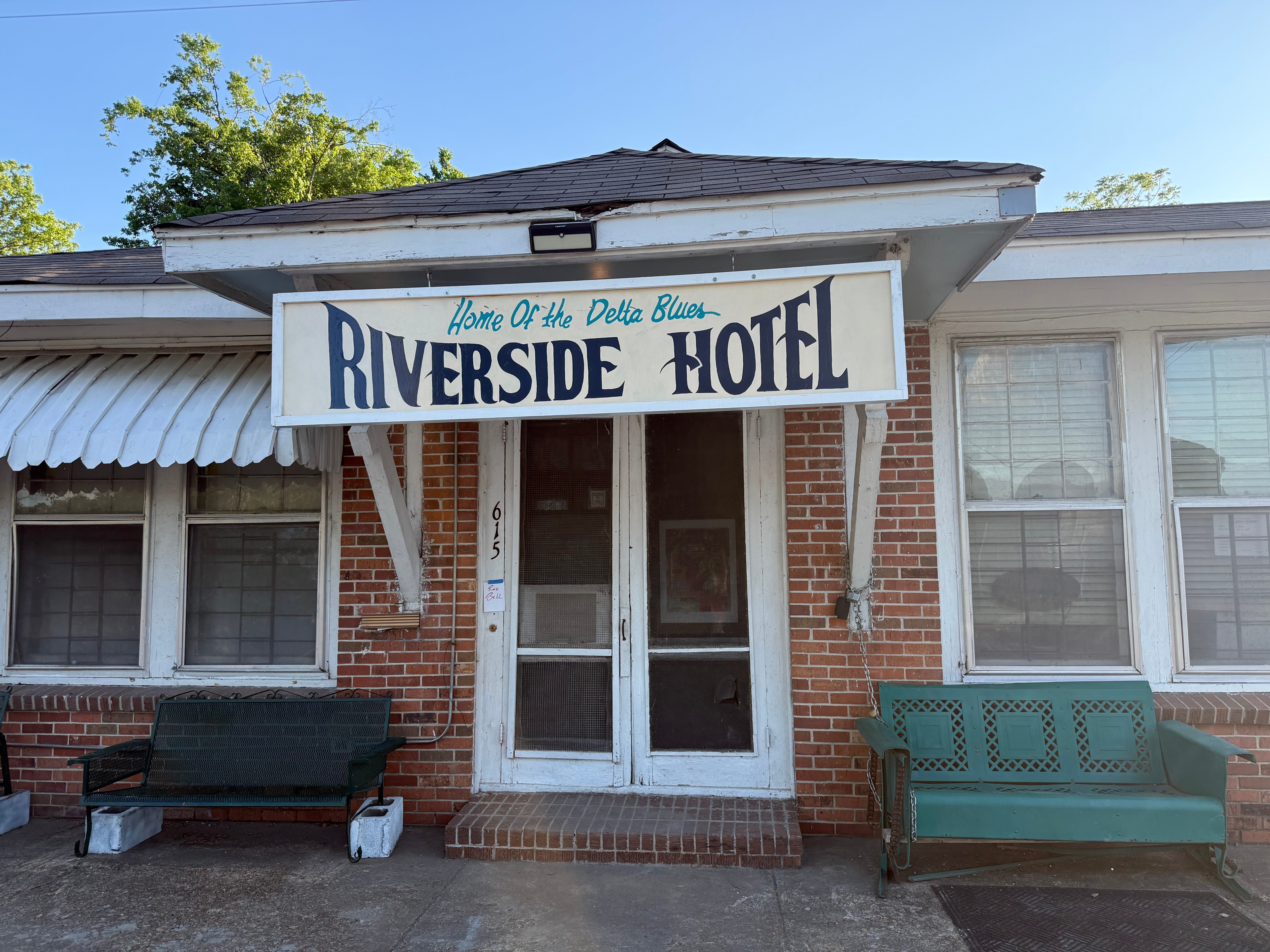
Then over on Sunflower Avenue, you’ll find the Riverside Hotel. This much-loved family-owned hotel was formerly the G T Thomas Afro-American Hospital built in 1937, and became lodging with 20 guest rooms over two floors in the mid-1940s, offering a bed for travelling musicians, artists and other visitors to Clarksdale.
It was one of the only African American-owned hotels in Mississippi during the racially segregated years of Jim Crow and featured in the Green Book (a guidebook used by Black travellers at the time, listing accommodations where they would be welcomed). As such, legendary musicians including Duke Ellington, Muddy Waters, Howlin’ Wolf, Sam Cooke and Ike Turner have all slept at the Riverside Hotel. Although you can currently only visit during the day, the hotel is expected to start accepting overnight guests sometime in autumn this year.
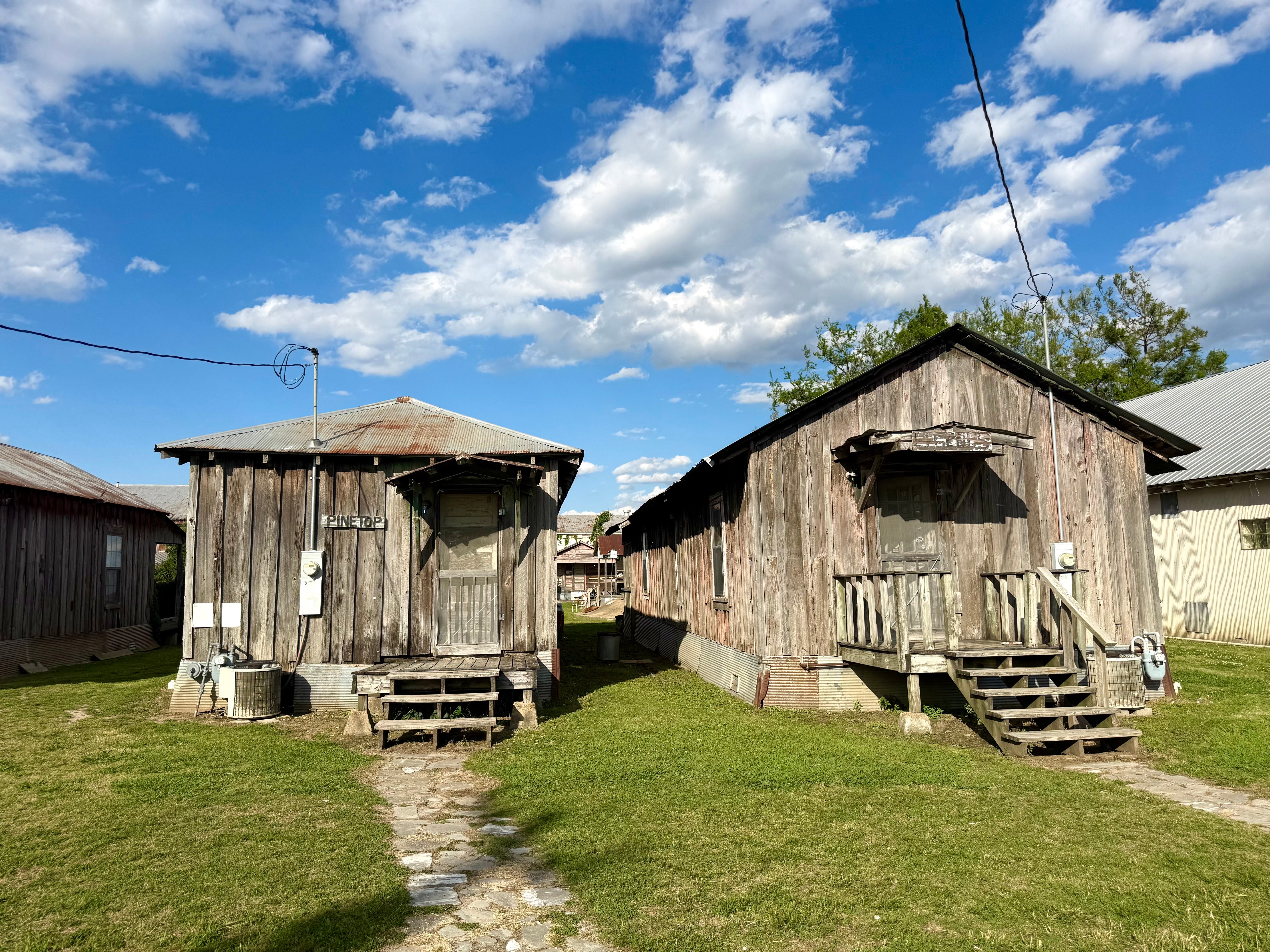
Shack Up Inn, where I sat on the porch and learned about haints, can take some credit for the blossoming tourism industry. This collection of shacks in the style of sharecroppers' homes was set up by Clarksdale locals Bill Talbot, James Butler, and Tommy Polk, who initially just wanted a place to drink beer and hang out. At the same time, the friends were on a mission to save the shacks that were disappearing, and a single building grew to a handful. Now there are 54 units, and between 40 to 50 per cent of the guests are international visitors.
“The Ritz we ain’t”, the hotel declares on its website. True, indeed – the Ritz could never compare to the charm of Shack Up. At the Ritz you won’t find wonky pictures of legendary bluesmen Muddy Waters (who grew up the Stovall Plantation down the road) or Howlin’ Wolf nailed to the wall. And you certainly won’t be able to bring your own beer to the bar and watch old Bill Talbot play late into the Mississippi night, or wake to birds singing sweetly as the sun rises over the delta in the morning. When I enquire about the check-out time, the woman at the front desk smiles, shrugs slightly and says: “Hmm around about 11am. But we hardly gonna come kick you out.”
Hard tourism figures are hard to come by given that most travellers won’t fly into Mississippi when they visit Clarksdale. Most land at Nashville (which enjoys direct flights to the UK) or Memphis in Tennessee, or they will wind their way up from New Orleans in Louisiana. What we can see, though, is that total visitor spending in Coahoma County came in at an estimated $128.1m (£95.4m) in 2024 and in that year tourism directly employed 676 people and indirectly employed 237.
Read more: On the culinary trail through Mississippi
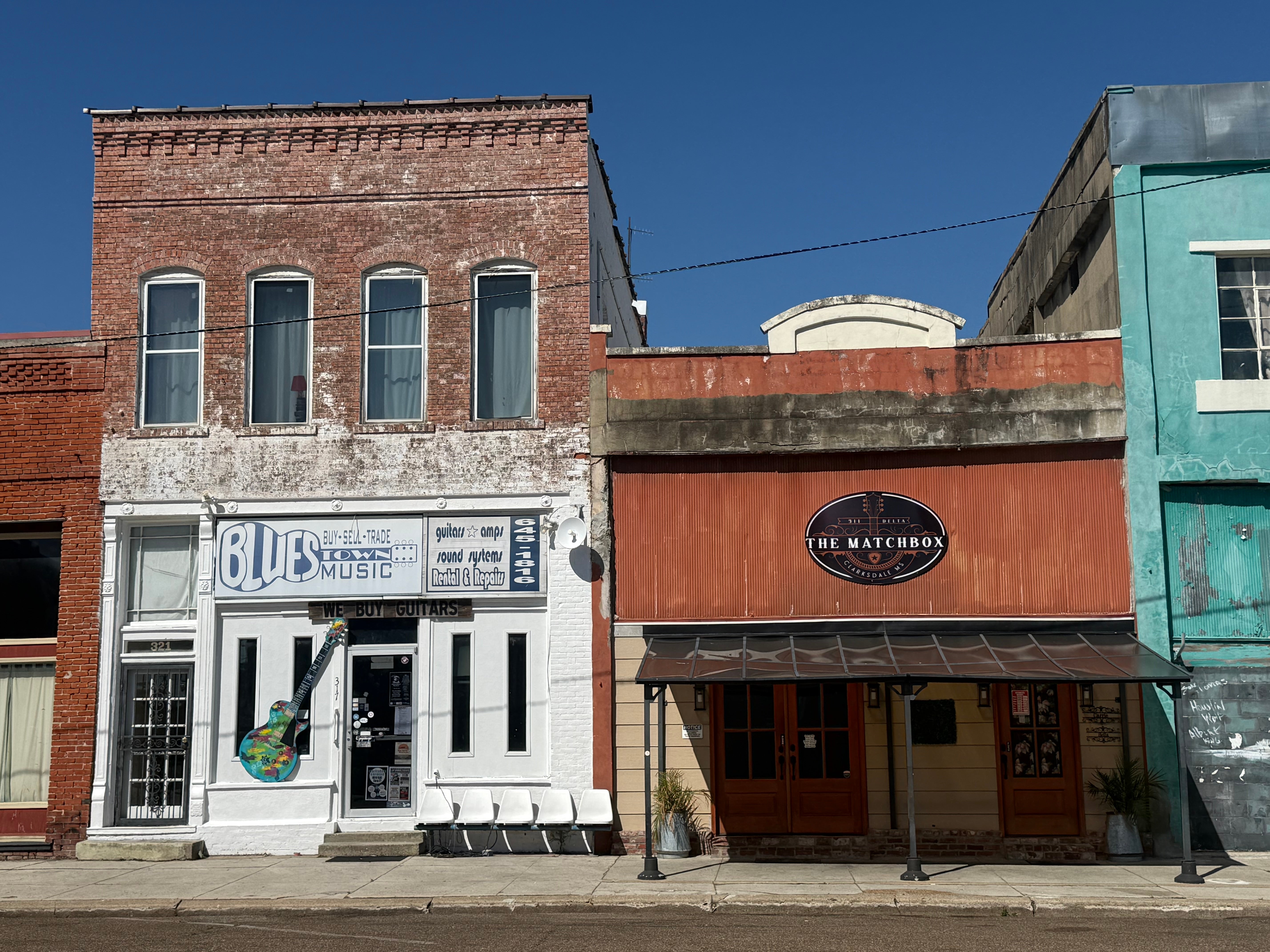
What’s more, since 2000 – when downtown Clarksdale had no hotels, no restaurants (I’m told there was a single bookie joint that served chili burgers) and one music venue – there has emerged one hotel, one hostel (the first and only hostel in the state of Mississippi), a number of lofts and Airbnbs, more than 10 restaurants, two coffee shops, more than 20 festivals and a dozen music venues with with live blues 365 days a year.
Tourism also appears to be helping Clarksdale invest in the Delta’s younger generations. Following a hearty breakfast at Our Grandma's House of Pancakes in downtown Clarksdale, we head to Meraki Roasting Co. and sit outdoors as a series of locals wander by, many stopping to chat. Beyond producing great coffee through small-batch roasting, Meraki runs a career-readiness and entrepreneurial programme for young people in the Mississippi Delta. Over the course of 16 weeks, the young men and women are given hands-on training in skills including time management, resume building, interviewing, professional dress, and tracking and managing a budget.
As we drink coffee in the sunshine, locals talk to me excitedly about the big event of 2025: following the release of Sinners – Ryan Coogler’s blockbuster horror starring Michael B Jordan that was set in Clarksdale – at the end of May a screening was held at Clarksdale civic auditorium attended by Coogler himself as well as producers on the film.
Having Hollywood’s eyes on Clarksdale is obviously a thrill for its residents, but it makes me feel slightly uneasy. I think back to the moment in Sinners when Sammie is warned that the blues is the devil's music, and how it is still feared as a curse, viewed as a danger. The film also brings to mind the questions of ownership of music, art and culture that nag slightly as I listen to blues in Clarksdale (my mind flickers back to the scene when white people attempt to enter the juke joint, where the town’s Black residents have gone to escape the harsh realities of 1930s America). And I think about Robert Johnson selling his soul to the devil at the crossroads, where tourists now have their photo taken.
As Clarksdale embraces this steady flow of tourists lured by the blues, is the city at risk of losing its heart and soul? Could the devil’s music be working its wicked ways?
One local scoffs when, while ordering a matcha latte, I suggest this blues city could become gentrified. “Not in my lifetime,” he laughs. “We’re too gritty, too edgy.”
And that, it seems, is the joy of Clarksdale.
Annabel’s stay in Clarksdale was supported by Visit Mississippi with car hire provided by America As You Like It.
Read more: How Scottsboro is refusing to forget its civil rights story