


 Africana55 Radio

This website uses cookies so that we can provide you with the best user experience possible. Cookie information is stored in your browser and performs functions such as recognising you when you return to our website and helping our team to understand which sections of the website you find most interesting and useful.
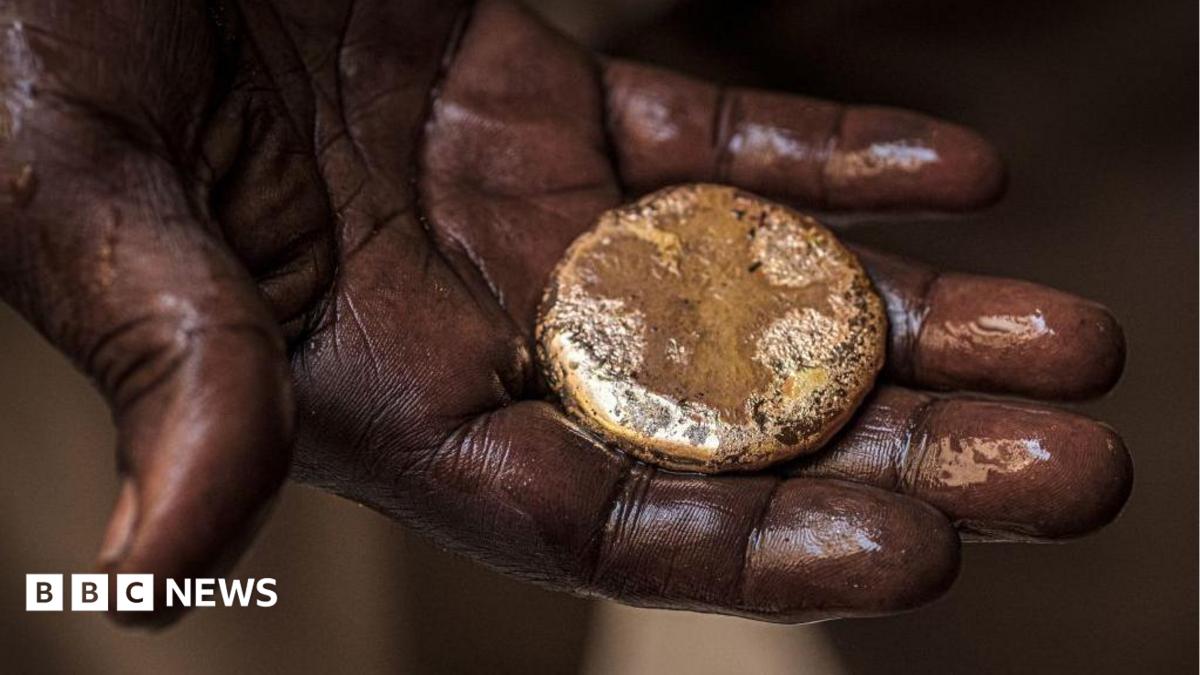
According to UN experts and other analysts, more than half - and by some estimates as much as 70% - of Sudan's gold is smuggled out of the country each year.
The RSF controls most goldfields in Darfur and Kordofan - in the western and central areas of the country, while the Sudanese army oversees production in northern and eastern regions.
The gold is often trafficked through neighbouring countries, including Egypt, Chad and Libya, before reaching Dubai in the United Arab Emirates (UAE), a major global hub for gold refining and trade.
"Gold has become a key source of revenue sustaining the conflict in Sudan," the EU Council said in a statement, adding that the ban and other restrictions were designed to "reduce the resources" available to those responsible for perpetuating the violence.
"The measures are designed to curb sources of financing for the conflict and further increase pressure on those fuelling the war," it added.
Under the restrictive measures, EU individuals and companies are prohibited from purchasing, importing or transporting gold originating in Sudan.
Mercury and cyanide needed for humanitarian and public-health purposes are not subject to the EU's export ban.
The latest restrictions expand a broader EU sanctions regime that has already targeted individuals and entities accused of fuelling the conflict.
However, experts have warned that sanctions alone are unlikely to halt the trade unless major international gold trading hubs and regional transit routes also tighten enforcement against illicit Sudanese gold.
International pressure has been increasing on the backers of this conflict to disengage as aid agencies estimate that more than 28 million people in Suan are facing acute hunger.