


 Africana55 Radio

This website uses cookies so that we can provide you with the best user experience possible. Cookie information is stored in your browser and performs functions such as recognising you when you return to our website and helping our team to understand which sections of the website you find most interesting and useful.

Want to bookmark your favourite articles and stories to read or reference later? Start your Independent Membership today.
Already a member? Log in
If you missed the northern lights, which lit up the skies over the weekend in spectacular hues of green and purple, there may be more chances on Monday and Tuesday night this week.
Met Office meteorologist Greg Dewhurst forecast that the northern lights, or, in Latin, aurora borealis, may be visible as far as central and southern England, especially with a camera phone and long-exposure settings.
The light show happens when electrically charged particles enter Earth’s atmosphere from space, producing dazzling displays of green, yellow, purple, and even red.
Countries in the Arctic Circle are more likely to see this shimmering solar activity, so when nature’s most awe-inspiring displays are visible in our own country, it’s essential to know the best places to get a good look.
As a rule, dark, clear skies with minimal light pollution and no cloud cover are best. North-facing coasts and rural spots also offer great vantage points.
It’s tough to predict exactly when and where the spectacle will appear, but here are some of the best places in the UK to view the northern lights.
The best places to see the northern lights in the UK
1. Hebrides, Scotland
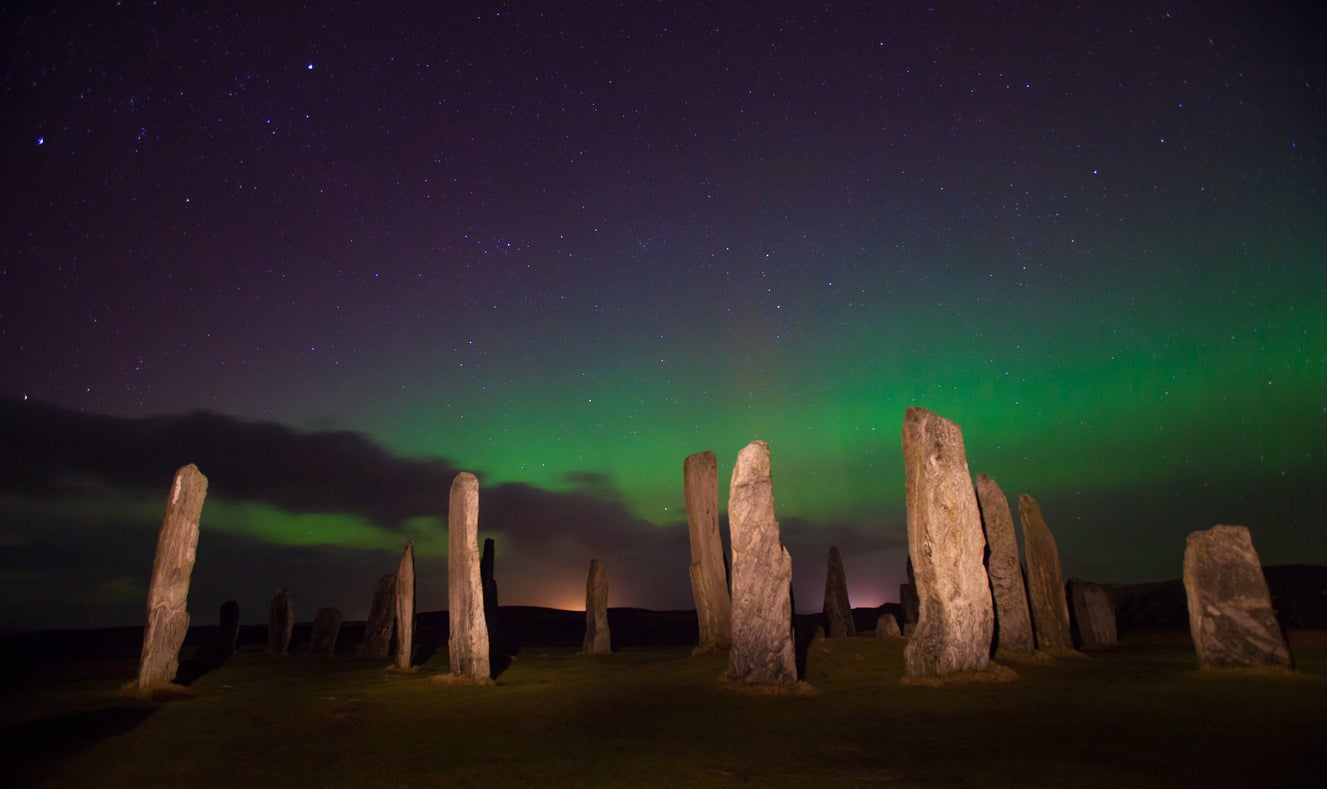
This northern archipelago off Scotland's west coast comprises hundreds of islands, split into the Inner and Outer Hebrides. While you can see the lights in Skye and other Inner Hebrides islands, your best bet is the Outer Hebrides, likely on Lewis or Harris. The flat beaches and countryside offer great viewing points, while the islands’ remote areas have almost no light pollution. The exceptionally dark skies here are ideal for stargazing; even if you miss the lights, you'll still have a good chance of seeing the Orion Nebula, the Milky Way, and the Great Andromeda galaxy.
The “season” here runs from September to April, though the aurora is most common in winter, when skies get dark late in the afternoon.
Read more: I explored some of Scotland’s most beautiful islands on a 12-person boat
2. Shetland, Scotland
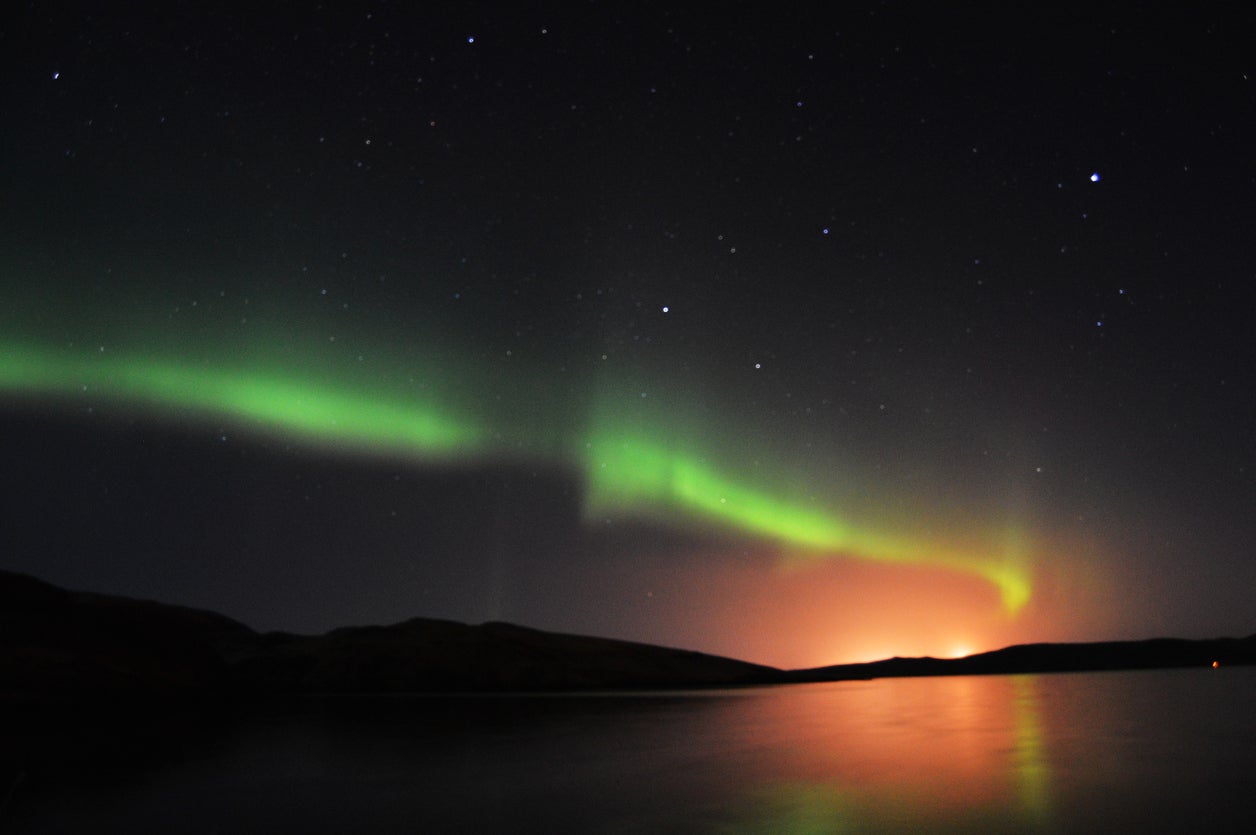
Britain's most northerly point, Shetland is a place where locals can expect to see the Northern Lights a few times each winter. Over 100 miles from the mainland, the remote isle offers tranquil countryside and coastal scenery, with dozens of spots where you can watch the lights away from the light pollution of nearby settlements. On Shetland’s northernmost island, Unst, follow the interactive sky trail created by Wild Skies to the best spots for viewing solar activity. Some areas have benches and listening posts to enhance the experience.
The season runs from mid-October to mid-March, with winter again being the best time to try to see the phenomenon (there are fewer than six hours of daylight on the shortest days). Though light shows aren’t guaranteed during your stay, wildlife spotting, walking, and exploring the towns more than make up for any disappointment if the aurora fails to materialise.
3. Cairngorms, Scotland
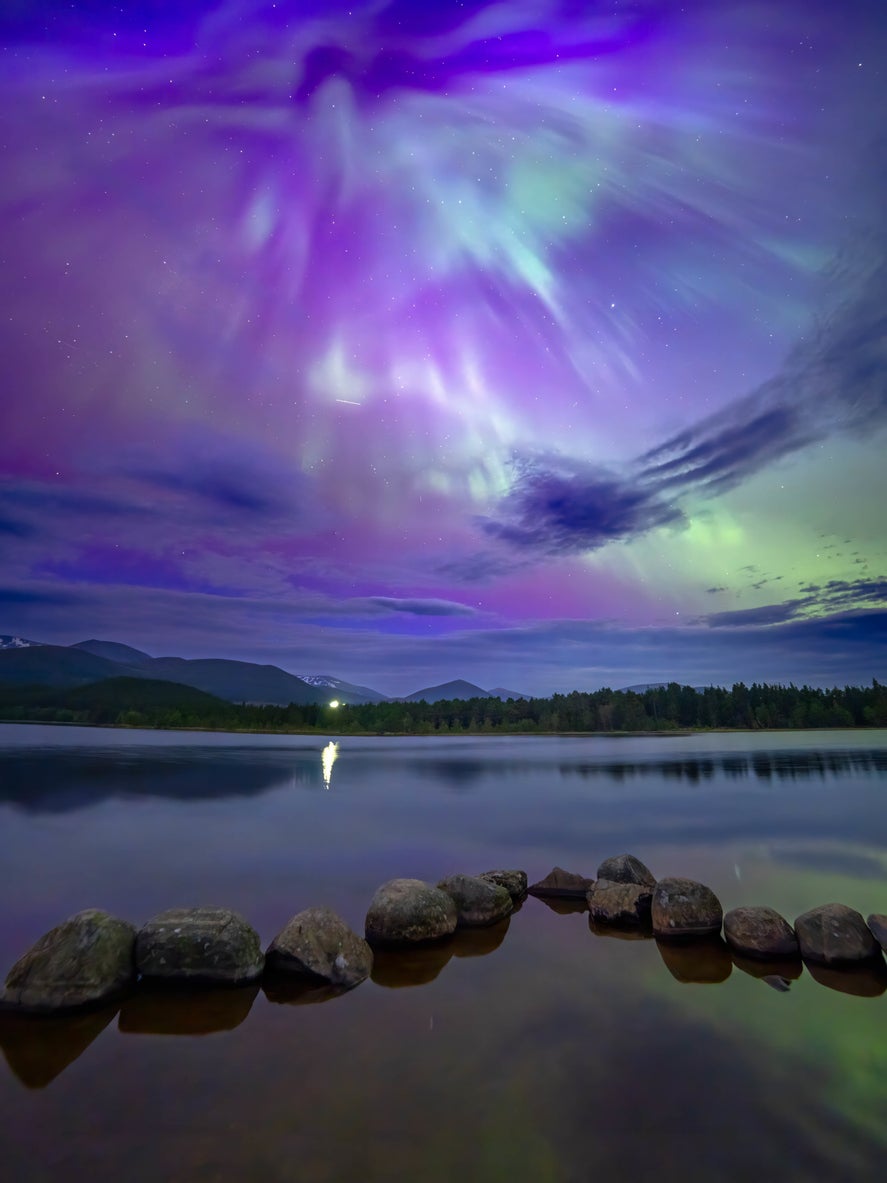
The UK’s largest national park is another Scottish destination for seeing the Northern Lights. The park is home to Ben Nevis, the UK's highest peak, and is one of the International Dark Sky Places (areas noted for “possessing an exceptional or distinguished quality of starry nights”). The area centres on the Glenlivet Estate, forming Tomintoul and Glenlivet Park. With “remarkably dark skies”, the region stays busy year-round, offering vast wilderness to explore and wildlife to see.
While mountains and hills may block views, plenty of dark areas are perfect for seeing the lights between mid-October and mid-March (especially near the coast, where clouds are less likely to interrupt views).
Read more: How to discover Scotland’s Highlands and islands by bus for just £2
4. Yorkshire Dales, England
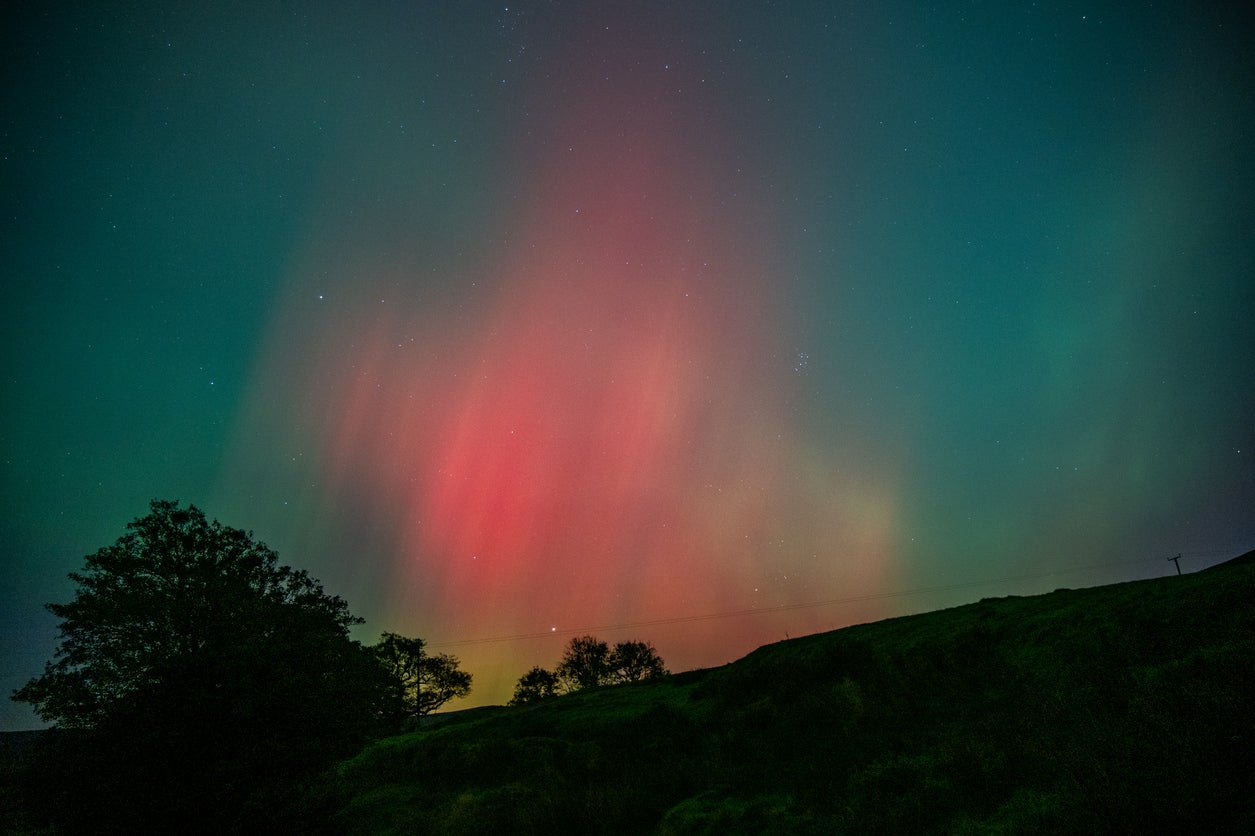
With a northerly, light-pollution-free location, the Yorkshire Dales is one of England’s largest Dark Sky Reserves and will host a Dark Skies Festival in February 2027. It has several Dark Sky Discovery sites, including Buckden, Tan Hill Inn, and the Malham National Park Visitor Centre.
With some of the darkest skies in the country, you can see as many as 2,000 stars, the Milky Way, and even the International Space Station on clear nights. The Perseid meteor shower occurs in August, but the best time to see the lights is still between September and March; remember to wrap up warm and follow aurora updates online.
Read more: Why Yorkshire’s ‘worst city’ is one of the best Northern getaways
5. Northumberland, England
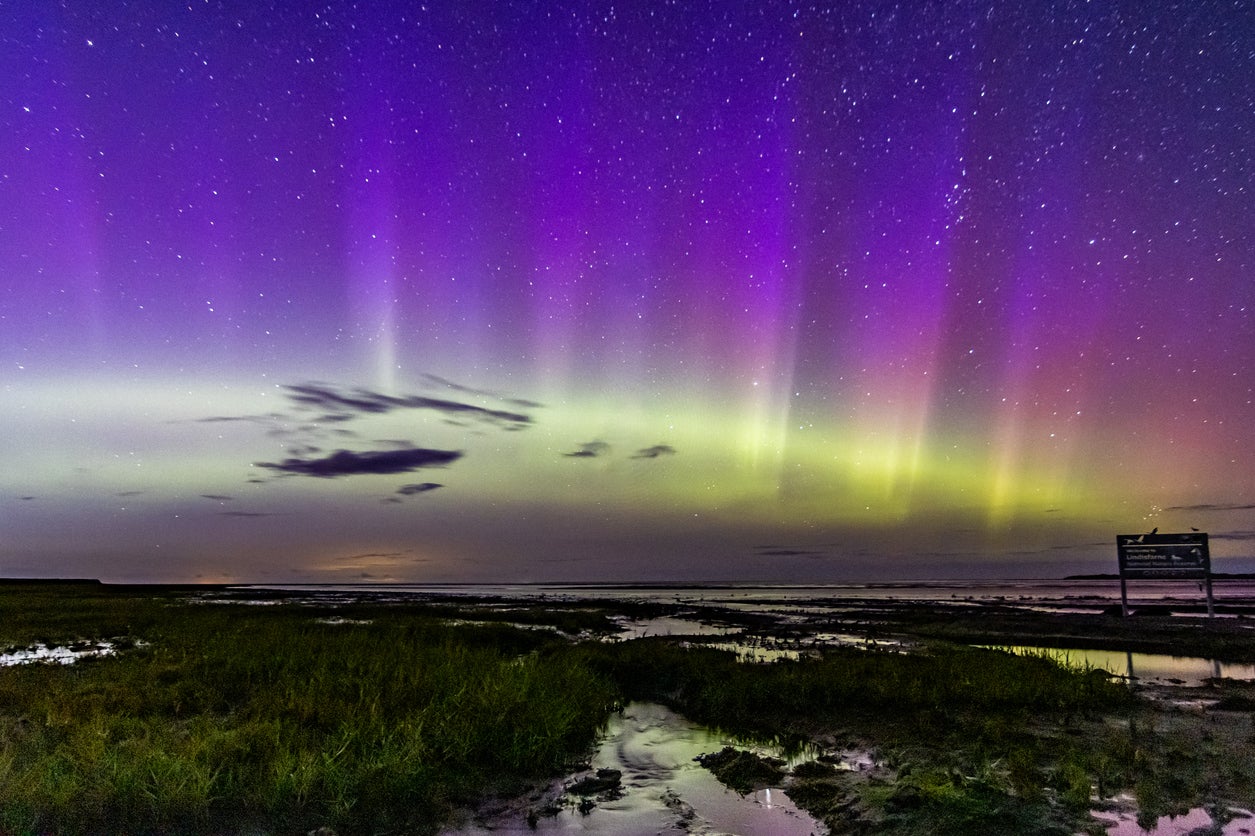
Another International Dark Sky Place, Northumberland’s National Park boasts very low levels of light pollution. Although it sits at a more southerly latitude, people have seen the aurora over Hadrian’s Wall and Bamburgh, and the county remains one of the most reliable places to see the display. Lights are usually only visible here after particularly strong geomagnetic storms, so keep an eye on these if you’re planning a visit.
Read more: Exploring the Northumberland Coast Path and a world-famous bookshop
6. Eryri (Snowdonia), Wales
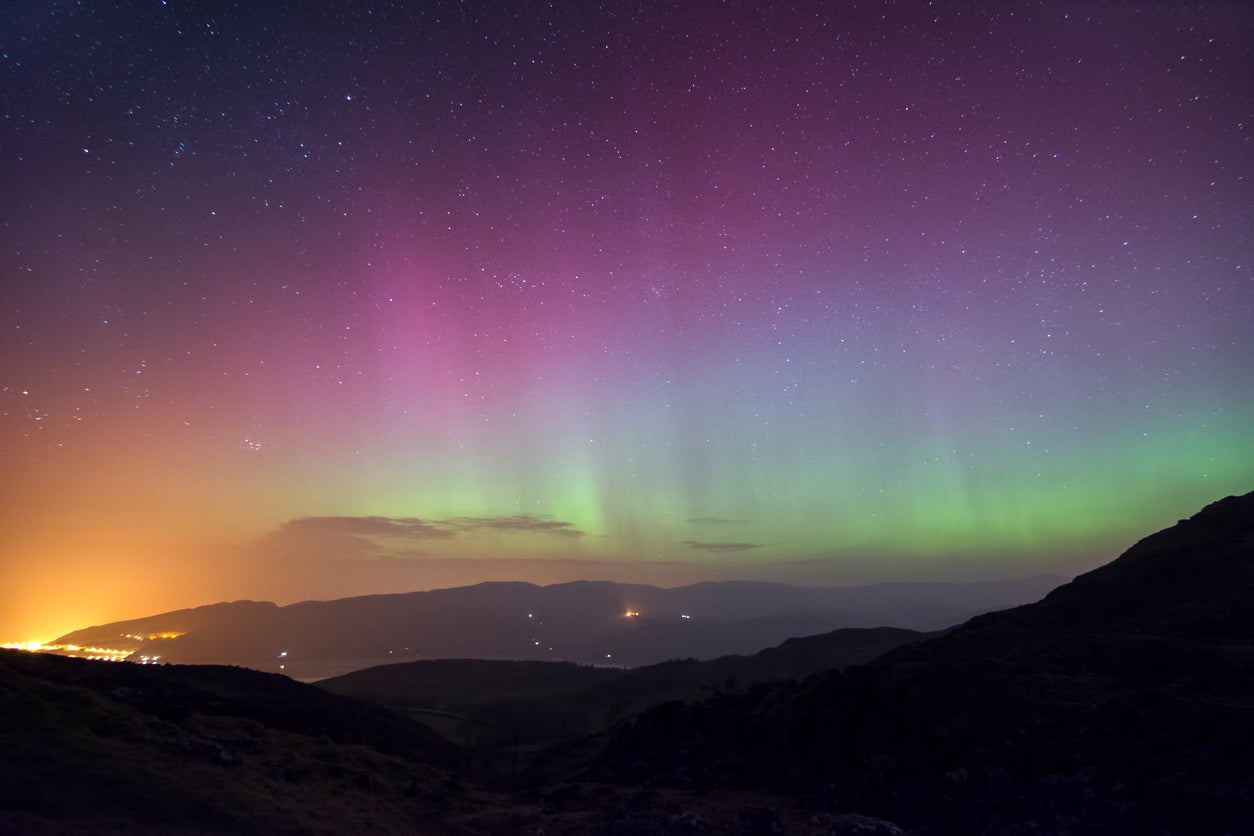
One of three official Dark Sky reserves in Wales, Eryri (Snowdonia) also boasts the country’s highest peak, its largest lake, a mountain railway, and 1,497 miles of public footpaths. The 823-square-mile park offers views of the Milky Way and major constellations on clear nights, with the occasional shooting star to make up for nights when you miss an aurora borealis show. As with most places in the UK, you’re more likely to see the lights between October and March. For the best views, head to Llyn Geirionydd and Llyn y Dywarchen lakes, or to Ty Cipar, a former gatekeeper’s house set between Llan Ffestiniog and Ysbyty Ifan.
7. Lake District, England
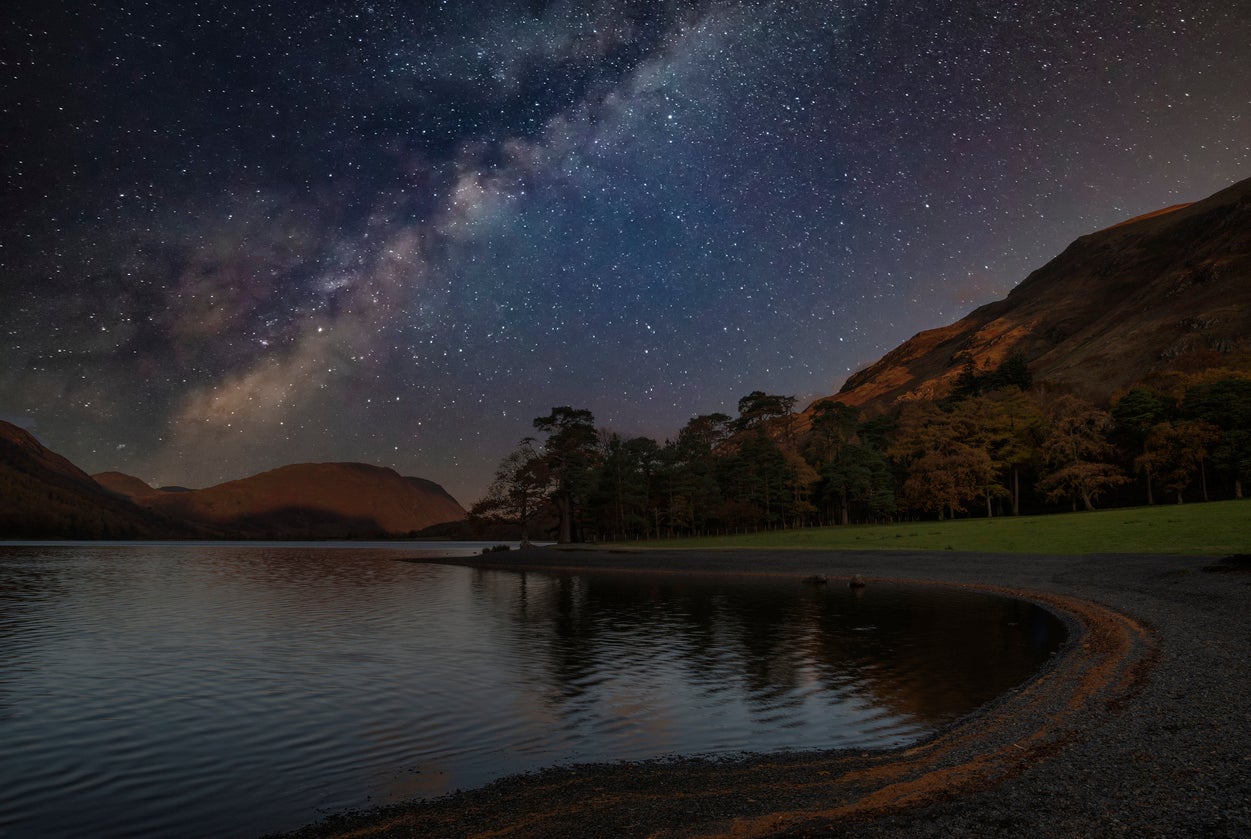
While better known for walking and hiking and for its peaceful, tranquil nature, the Lake District is also one of the best places in England to see the northern lights. It's also an exceptional place for stargazing. Though the lights are rarer here than in Scotland, the lakeside backdrops make for particularly dramatic surroundings if they do appear, with excellent viewpoints at Grizedale Forest, Wasdale, the Langdale Valley, and Derwentwater.
Read more: The best Lake District hotels, with spas and Michelin stars
8. OM Dark Sky Park and Observatory, Northern Ireland
.png)
Northern Ireland’s only International Dark Sky Place, OM Dark Sky Park and Observatory offers plenty of sky-watching spots without light pollution in the Davagh Sperrin Mountains. Visitors can book guided tours with chances to see star constellations, the Milky Way, and the northern lights. An interactive visitor centre also houses a 14-inch LX6000 Meade telescope, which can see deep into space. The park is also home to megalithic monuments such as the Beaghmore Stone Circles, which some archaeologists believe were built to record the movements of the sun and moon, possibly serving as an ancient observatory.
Read more: The best road trips in Ireland and Northern Ireland for breathtaking views
9. Pembrokeshire, Wales
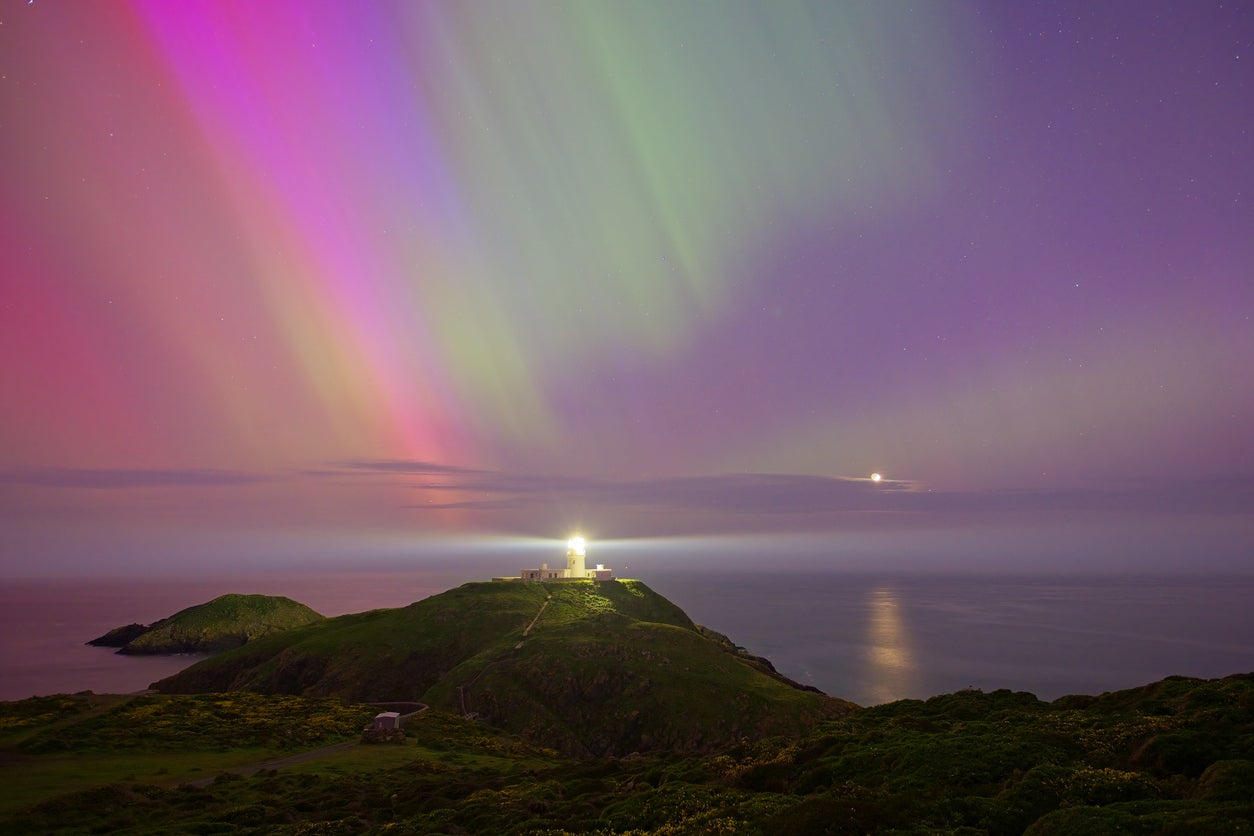
Its western, coastal location makes Pembrokeshire an ideal spot for stargazing and viewing the Northern Lights. The area has several Dark Sky Discovery Sites for the best chance of spotting space weather with the naked eye, including the car parks of Skrinkle Haven, Broad Haven, Newgale Beach and Garn Fawr.
Read more: This affordable UK village is a sought-after staycation spot this summer
10. Thorington Street, Suffolk, England
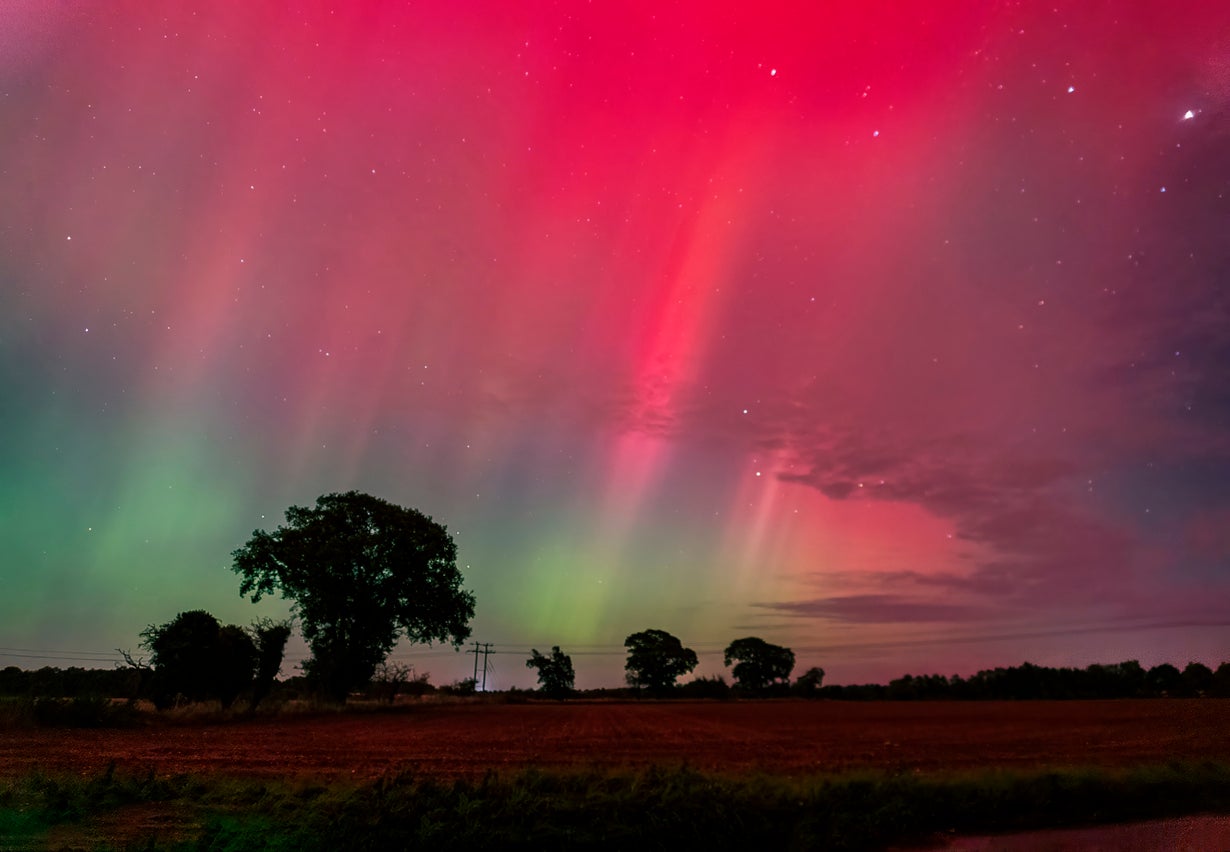
Earlier this year, a small Suffolk hamlet called Thorington Street became England’s first dark sky community. While large national parks across the country have been recognised as International Dark Sky Places, this rural community, with its lack of artificial light, also received the title. It is also unusual because it is one of the few Dark Sky areas located in southern England.
It took Thorington Street nine years to earn Dark Sky status, swapping streetlights for ones that turn on only when needed and shine downward instead of into the sky. The community has now turned a Tudor barn into the Dedham Vale Dark Sky Discover Centre, where talks and community events on stargazing and astronomy take place.
This piece has been updated
Read more: This underappreciated UK town is ideal for a surprising staycation