


 Africana55 Radio

This website uses cookies so that we can provide you with the best user experience possible. Cookie information is stored in your browser and performs functions such as recognising you when you return to our website and helping our team to understand which sections of the website you find most interesting and useful.

Want to bookmark your favourite articles and stories to read or reference later? Start your Independent Membership today.
Already a member? Log in
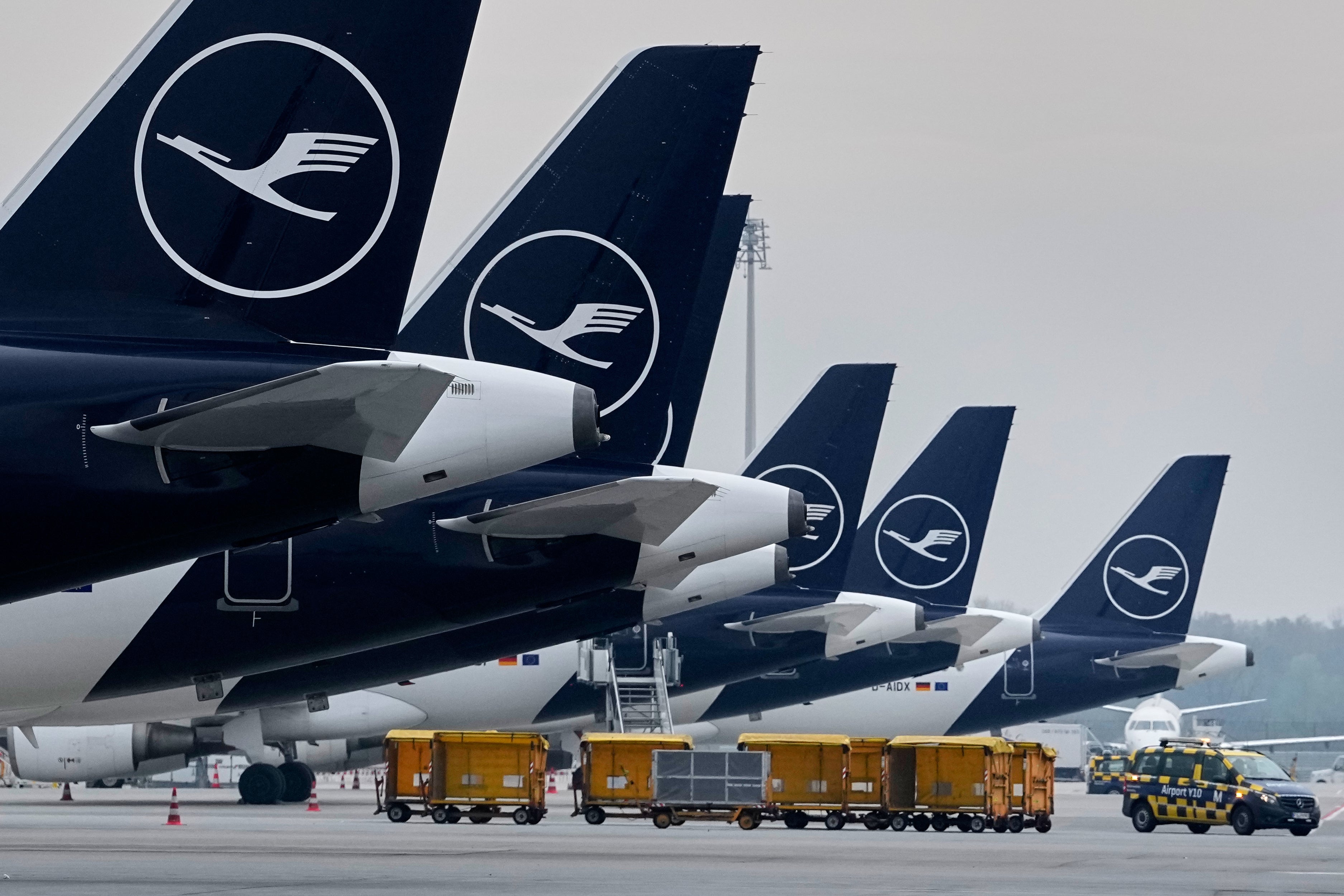
Lufthansa is acquiring a 44.9 per cent stake in Portuguese flag carrier TAP Air Portugal in a deal valued by the government at 1.2 billion euros ($1.3 billion), officials announced Wednesday, in the latest step to privatise the airline.
Portuguese Prime Minister Luis Montenegro said the German company outbid Air France-KLM, the only other rival in the race. The government will remain the main shareholder, having set aside 5 per cent of the company for its more than 9,000 employees to buy shares.
The deal still requires approval from European Union regulators. Full privatisation could be completed by 2028, Montenegro added.
The airline made a net profit last year of 4.1 million euros ($4.6 million), according to the company’s published accounts.
Two previous attempts to sell off stakes in the airline, in 1998 and 2015, failed, with governments taking the company back into Portuguese state ownership.
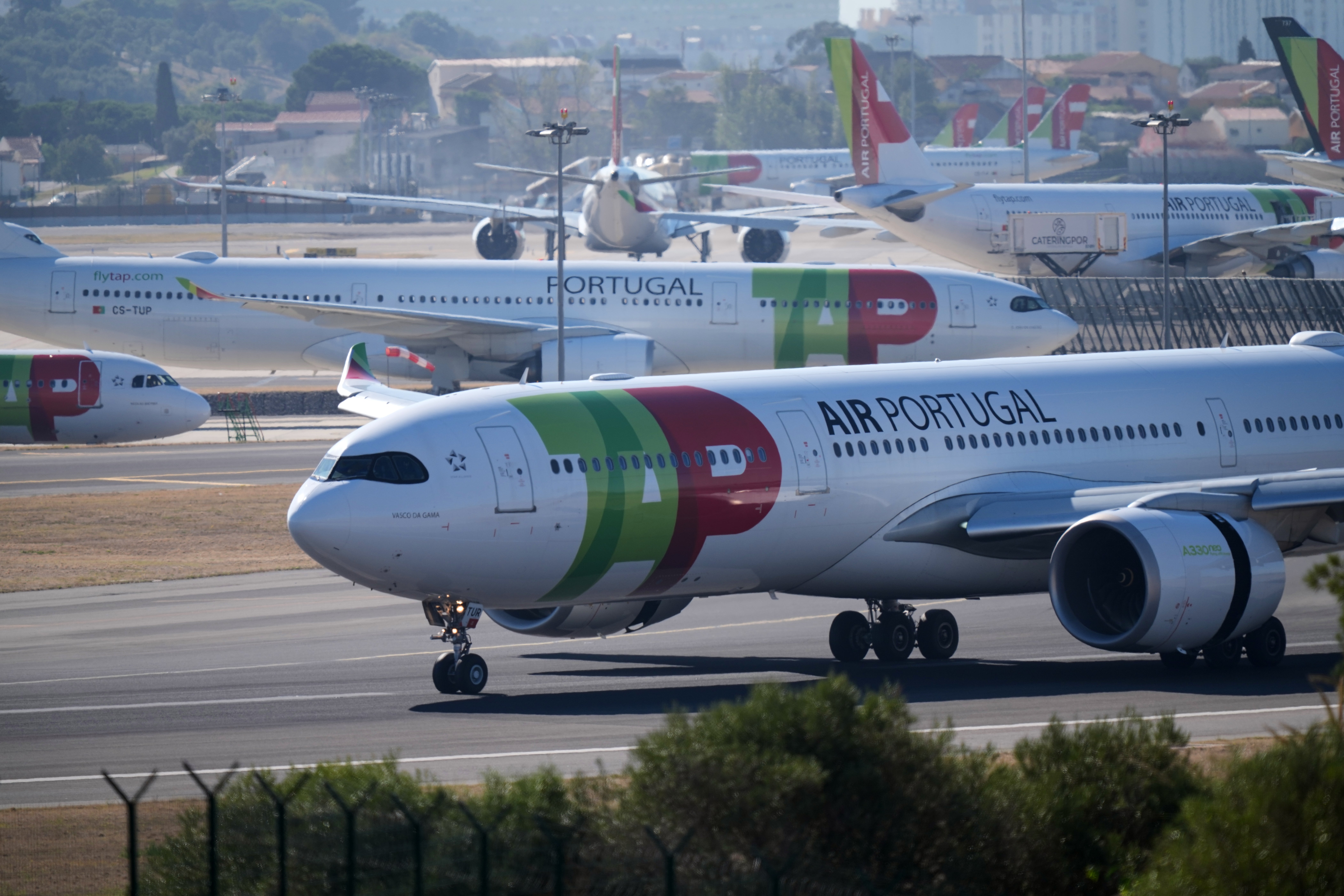
The deal, years in the making and repeatedly delayed, is the next step in the consolidation of Europe's airline industry, a process seen as necessary to help smaller national carriers become more resilient as part of larger groups. Analysts and industry executives say that is likely to accelerate as soaring jet fuel prices linked to the war in Iran force weaker airlines to work with larger, better-capitalised groups.
TAP's main attraction is its valuable landing slots connecting Lisbon with Brazil, Portuguese-speaking Africa and the US, routes that underpin Portugal's diaspora ties, tourism flows and investment links. Prime Minister Luis Montenegro told a news briefing the winning bid exceeded Air France-KLM's offer by 16%.
Speaking at the World Aviation Festival in Lisbon before the announcement, TAP CEO Luis Rodrigues said joining a larger group would allow the Portuguese carrier to "access a larger pool of resources at better value".
The perks
The government said its decision was based not only on price but also on each bidder's industrial plan for TAP, including its strategy for the airline's growth and long-term sustainability.
It wants TAP's partner to expand operations and connectivity across Portugal's airport network, not only at Lisbon's hub but also in Porto, Faro, the Azores and Madeira. Infrastructure Minister Miguel Pinto Luz said the Lufthansa Group has committed to increasing TAP's fleet by a further 117 aircraft by 2035 and by another 130 after 2035, when Lisbon's new airport is expected to be operational.
As of June, TAP operated a fleet of 101 aircraft serving 93 destinations worldwide: 52 in Europe, 16 in South and Central America, 14 in Africa and 11 in North America. TAP says it carried 16.7 million passengers last year.
A rocky road ahead
Analysts pointed to Lufthansa's ongoing financial woes as a potential challenge in TAP's turnaround. Such deals require initial investment, and the pay-off isn't always guaranteed.
"Lufthansa is still struggling financially. Lufthansa Deutsche Airlines, as the largest part of the group, is still losing money. It has to get its own house in order," Strickland told Reuters. Lufthansa has vowed to reach an operating profit of 8% to 10% between 2028 and 2030 and to simplify and centralise its operations in an effort to rebuild investor confidence.
The turnaround of Italy's ITA is still ongoing, too, Strickland said, with investors and analysts previously worrying about the impact of Lufthansa's fragmented and spread-out network
Additional reporting by Reuters.