


 Africana55 Radio


This website uses cookies so that we can provide you with the best user experience possible. Cookie information is stored in your browser and performs functions such as recognising you when you return to our website and helping our team to understand which sections of the website you find most interesting and useful.

Want to bookmark your favourite articles and stories to read or reference later? Start your Independent Membership today.
Already a member? Log in
With falling temperatures and increasingly frequent rainy days, many people notice a heightened craving for warm, sweet comfort food.
Lizzie Sanchez, a registered dietitian, member of Nutritionist Resource and founder of Green Health Dietetics, explains that this very common urge is fundamentally tied to our biology as well as our evolutionary instincts.
“Our body naturally craves more energy at this time of the year because more fat will help keep us warmer throughout the winter. So, that’s one of the biggest reasons why we tend to crave higher energy and higher fat comfort foods in the colder months,” explains Sanchez.
However, she adds that without mindful eating habits, seasonal cravings can contribute to significant weight gain over the winter period.
The good news is that enjoying your favourite comfort foods doesn’t have to compromise your health.

With a few simple ingredient alterations, you can make your go-to winter dishes more nutritious while still enjoying all the warmth and flavour they offer.
Here are seven easy swaps to try this winter…
1. Swap heavy dairy products like cream or ice cream for low-fat yoghurt
“Creamy high-energy desserts, such as apple crumble and cream, are really popular this time of year. A really easy switch you can do is swap the cream or ice cream out for some low fat yoghurt, low-sugar custard, soya cream or soya yoghurt,” recommends Sanchez. “These are much healthier alternatives that are much lower in fat.”
The dietitian also recommends putting the peeler away.
“You can make these fruit-based puddings more nutritious by adding lots of fruit and by reducing the amount of sugar going into it,” suggests Sanchez. “Also, if you keep the peel on the apple, pear or plum or whatever fruit you are using, then this will add more fibre to it.”
2. Use leaner mince and lentils instead of standard mince in your next shepherd’s pie
“Comfort dishes like shepherd’s pie are also really popular this time of year and we can make these healthier by choosing a leaner mince which is lower in saturated fat and, therefore, better for our hearts,” says Sanchez.
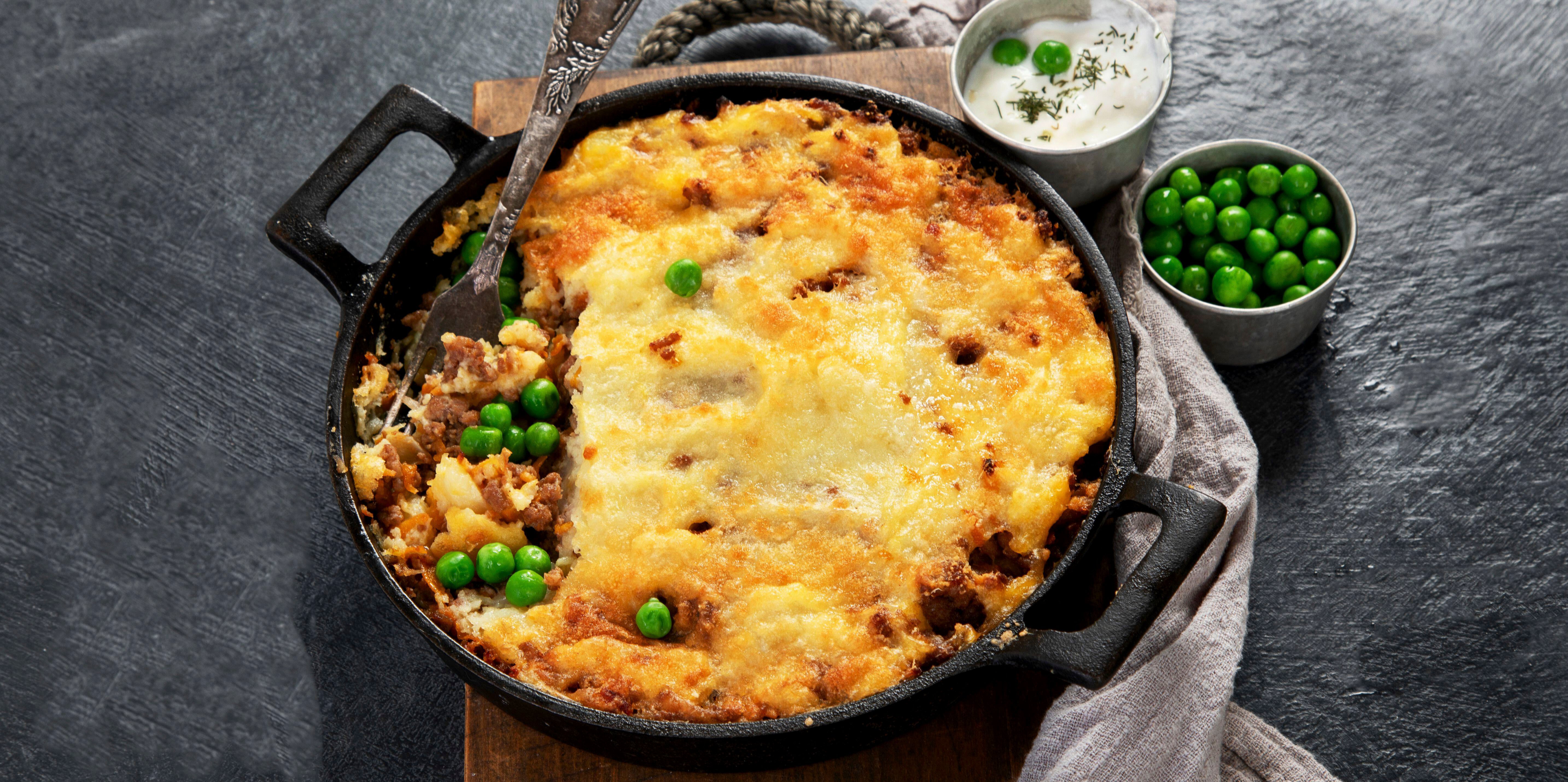
Tipping some legumes into your pie will also give it an extra fibre boost.
“For example, you could make your pie with 50 per cent mince and 50 per cent lentils,” suggests Sanchez. “The texture will remain very similar and you will still have that protein, but will also be getting much more fibre and very little fat from adding those lentils in.”
3. Switch refined carbohydrate for whole grain alternatives
“I would try to always choose a wholegrain carbohydrate option wherever possible,” advises Sanchez.
“If you usually have a slice of white bread with your warming soup, have some wholegrain or multigrain bread instead which is much higher in fibre.”
4. Substitute olive oil for butter in mashed potatoes
“Rather than adding loads of butter into your mash potatoes you could use some olive oil instead,” says Sanchez.
“You could also use sweet potato instead of white potato, as it has more fibre, vitamin minerals and phytochemicals in it.”
5. Go for a tomato-based soup rather than a creamy one
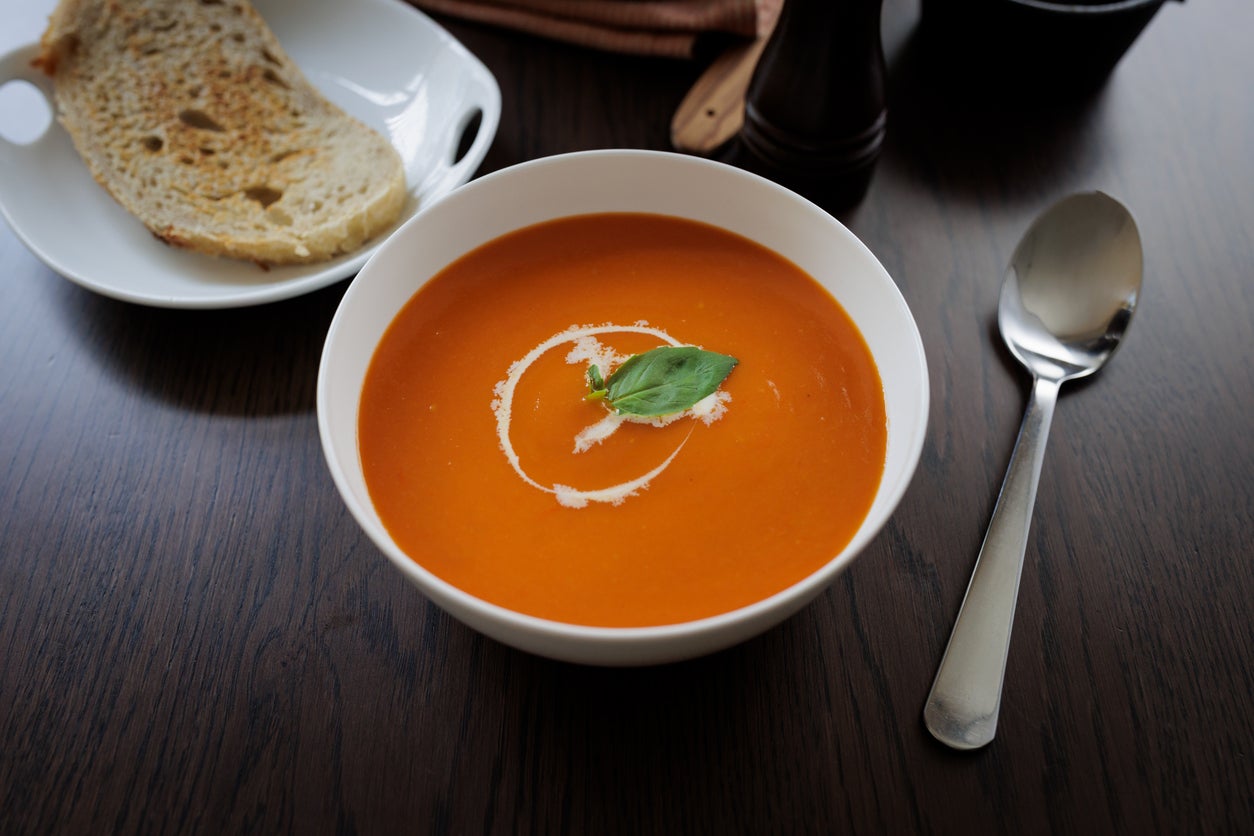
“Avoiding creamy soups and going more for a more tomato-based soup is always a really good idea,” says Sanchez.
“If you really miss that creaminess in a soup, then you could add in some silken tofu. You can just throw a block in with all your vegetables and blend it together to make a really nice creamy soup.”
6. Choose a stronger cheese and use less of it
“Cheese on its own is high in fat, but it is nutritious in other ways. It’s got a little bit of protein and calcium in it, for example. However, if we have too much of it, then we are at risk of eating too many calories, too much saturated fat, and that can be harmful for our cardiovascular system as well,” explains Sanchez.

“So, one thing we can do is choose a stronger cheese – such as a really mature cheddar or stilton – and use less of them.”
She adds: “Another thing you can do is grate it instead of slicing it to help you reduce how much cheese you are consuming.”
If you want to ditch the cheese completely, you could go for a nutritional yeast.
“It’s vegan and you could mix it into a macaroni cheese sauce, for example, and will still get a nice cheesy umami flavour. It has much less fat than cheese and also contains lots of B vitamins, some iron and a little bit of protein in it, so it can be a much healthier option,” says Sanchez.
7. Swap sugary hot chocolate powder for plain cocoa powder
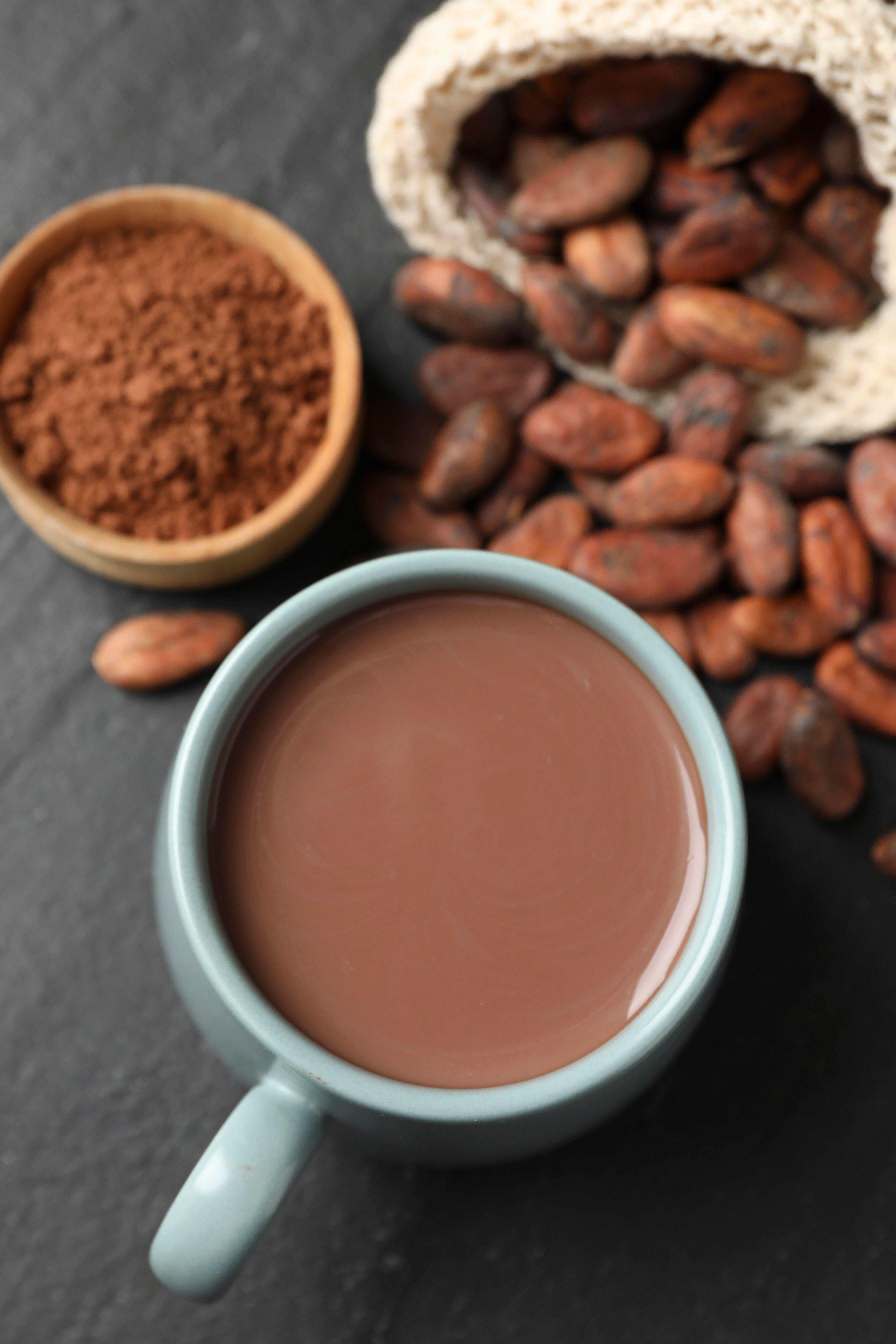
“Start with the milk that you prefer and then add in plain cocoa rather than shop bought sugary hot chocolate powder,” advises Sanchez. “Cocoa is actually a really healthy food and is really high fibre.
“If you do want to add in a bit of a sweeter flavour, you could use an alternative sweetener, such as xylitol.
“I would also recommend avoiding putting any cream on top because there’s no good alternatives for that.”