


 Africana55 Radio


This website uses cookies so that we can provide you with the best user experience possible. Cookie information is stored in your browser and performs functions such as recognising you when you return to our website and helping our team to understand which sections of the website you find most interesting and useful.

Want to bookmark your favourite articles and stories to read or reference later? Start your Independent Membership today.
Already a member? Log in
As the days grow colder, gnawing pain in your knees, shoulders, neck and ankles can worsen. But, don’t fret, experts say there are some simple steps to take that can help with the discomfort.
People with arthritis, a disease that causes damage in the joints, are especially impacted, including 58.5 million American adults. The body’s response to cold is to have blood vessels narrow, reducing blood flow the joints need to function well and affecting our ability to produce joint-lubricating synovial fluid.
That’s why the joints “operate best in temperate weather,” Dr. Mariko L. Ishimori, Interim Director at the Cedars-Sinai Division of Rheumatology, explained in a statement.
"When the weather gets cooler, the synovial fluid that acts like motor oil in our joints becomes more like sludge,” she said.
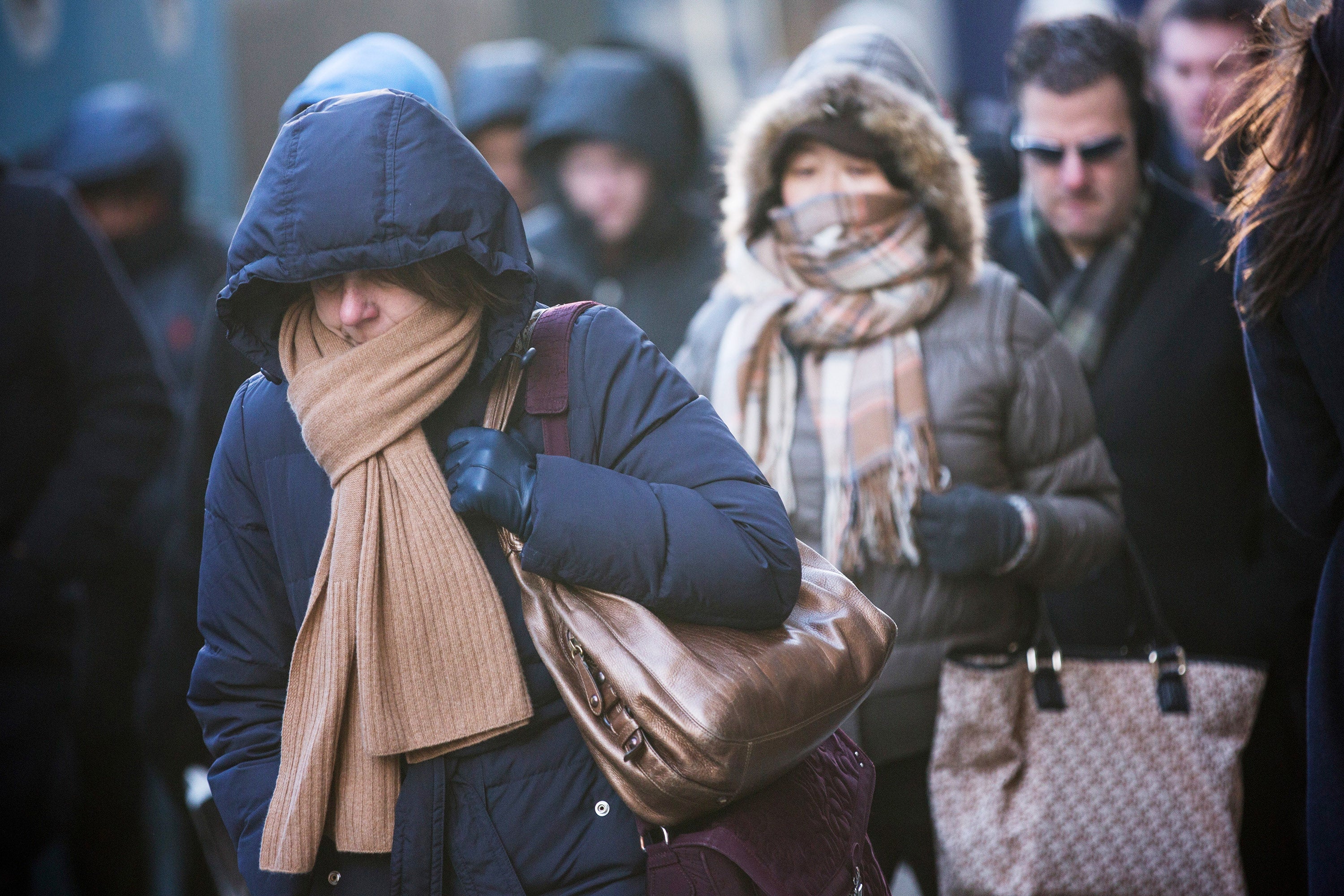
Another contributing factor is behavior in cold weather. Nearly 60 percent of people are less active during the winter months, according to the National Recreation and Park Association.
Not moving joints - which are designed to bend and flex - can make them feel stiff as synovial fluid builds up, Samuel Ashby, an orthopedic surgeon with Banner Health, explained. At the same time, muscles and tissues can tighten and blood flow slows.
“These changes are temporary but can make your joints feel stiff, tight or sore when you start moving again,” he said.
One theory suggests a drop in pressure in the atmosphere, frequently felt during winter storms, causes tendons and muscles to expand, leading to pain.
“Everyone’s body reacts to fluctuating barometric pressure, but people with arthritis and those with chronic pain are more vulnerable to feeling discomfort,” UChicago Medicine says.
Still, every body is different, so it’s hard to know what's causing the increased pain in each case. But experts say simple strategies can soothe most joints that tighten in the coldest months.
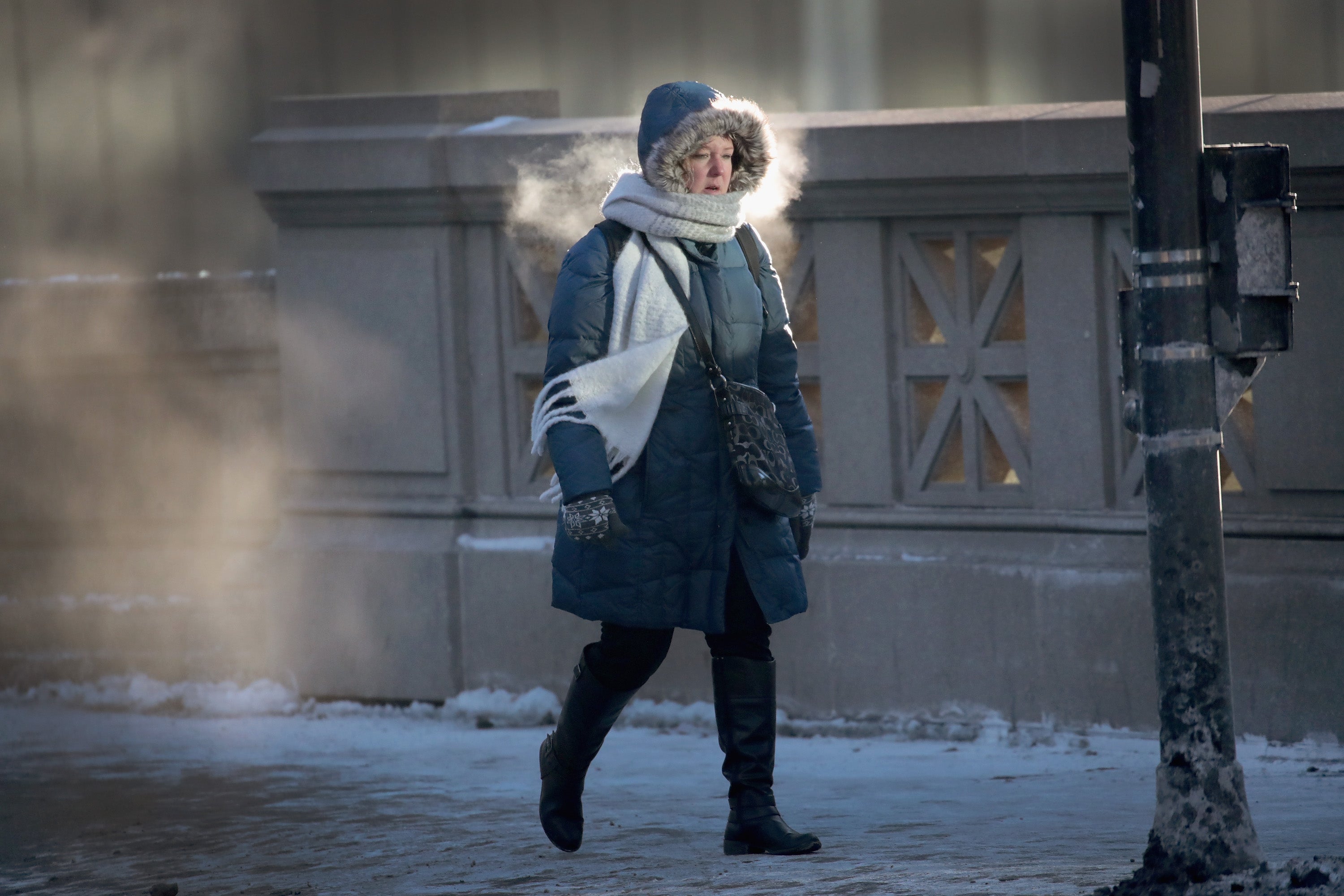
Being active is key to keeping joints lubricated, but you don’t have to be sprinting. Even just 30 minutes of yoga or strength training a day is enough. Federal recommendations say adults should get at least 150 minutes of aerobic exercise a week and two days of strength training for optimal health.
Staying hydrated is also crucial because it helps the body produce synovial fluid and maintain fluid levels. People tend to drink less water in the winter due to diminished thirst and low humidity levels.
Bundling up in warm clothing and layers can further prevent stiffness in joints as the warmth increases circulation and loosens up tight muscles.
“Layer up with hats, gloves and scarves, and use an electric heating pad or an electric blanket to keep yourself warm while you're napping,” Ishimori advises.
If none of this is working, doctors can help with a more tailored treatment, such as medication or therapy.
"You should seek help for joint pain when you're doing the simple things, and they’re just not working,” Andrew Bang, a chiropractor with the Cleveland Clinic, said Thursday. “For example, you're putting on the heat, you're stretching, you're moving, you're layering up before you head outside, but the joint pain is really disrupting your activities of daily living."