


 Africana55 Radio


This website uses cookies so that we can provide you with the best user experience possible. Cookie information is stored in your browser and performs functions such as recognising you when you return to our website and helping our team to understand which sections of the website you find most interesting and useful.

Want to bookmark your favourite articles and stories to read or reference later? Start your Independent Membership today.
Already a member? Log in
You can say what you want about Davide Tamburella, but fundamentally, he’s a man with standards. The former head chef of the “classic” Italian restaurant, La Costa, in Queensland, Australia, was sacked for refusing to put pineapple on pizza, which Tamburella said was “an insult to his culture”.
An unfair dismissal court case, which has captured the attention of the world, ensued. Tamburella ultimately lost as the Fair Work Commission found that he’d filed his claim too late. The chef is now employed at another Italian restaurant – where pineapple does not appear on the menu. La Costa, meanwhile, has been forced to close due to high overhead costs.
Tamburella’s firing has reignited a decades-long debate over whether the spiky fruit has any place on the Italian classic. It’s a dispute that’s long divided Italian restaurants in England, with one in Norwich even charging £100 for a Hawaiian in a bid to put customers off ordering it.
Meanwhile, other less traditional restaurants, like Short Road Pizza’s Bethnal Green branch, are taking the opposite approach and leaning into experimentation by expanding out to other fruits. Specifically, kiwis alongside smoked sausage, aka the controversial “London Hawaiian”.
But despite the attention, the Hawaiian is far from the only crime being committed against Italian cuisine in kitchens all over the world. There are many other food habits that are seen as sacrilege by both professional chefs and home cooks alike. Here are the worst offenders...
Chicken in pasta
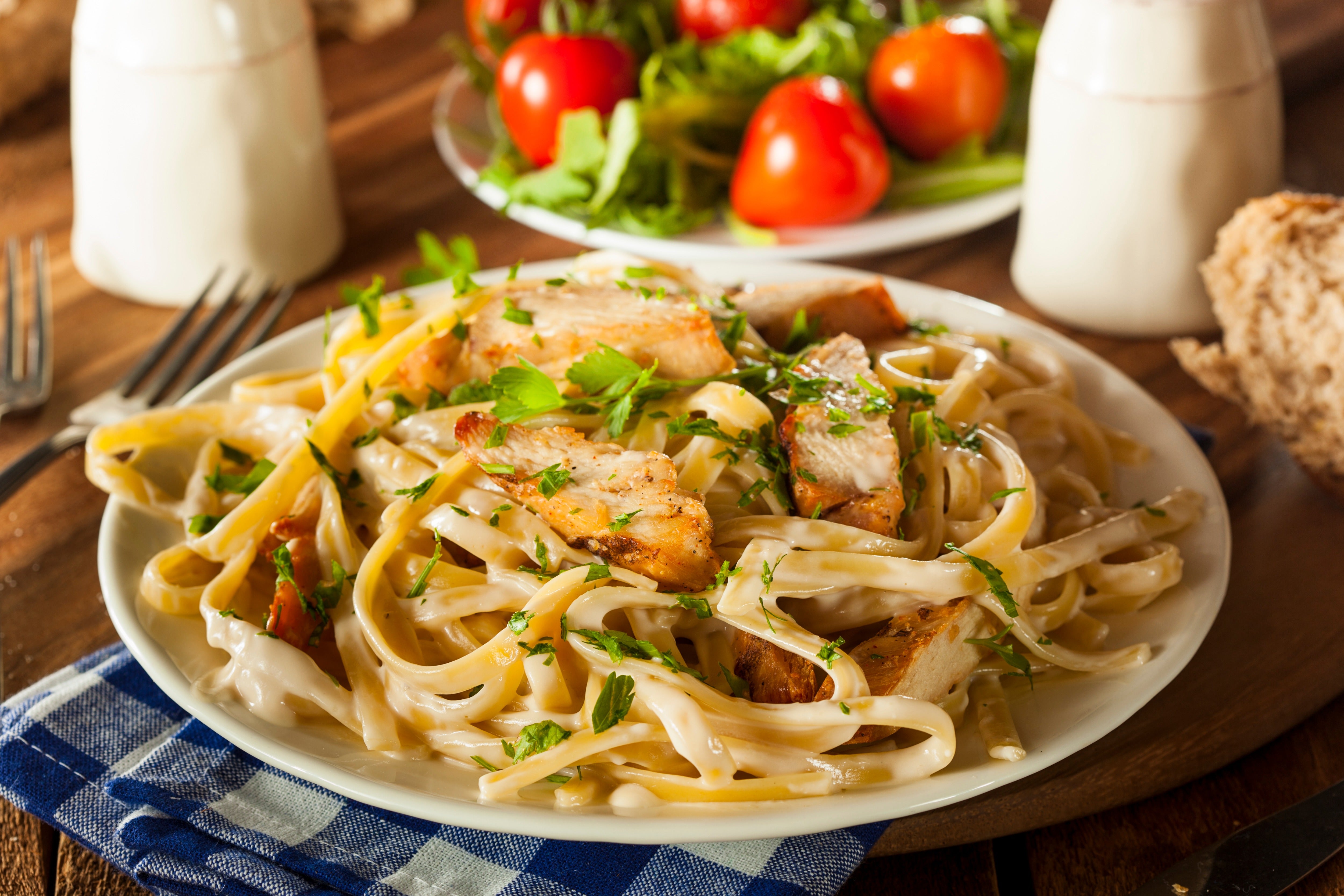
“Chicken in pasta is a definite no for me,” says Michele Pascarella, chef at Napoli on the Road. “In our minds, chicken is a main course, with potatoes, for example, but never something you put in pasta. There is no reason to do it.” You heard the man. Put the chicken arrabbiata down.
Chilli oil on everything
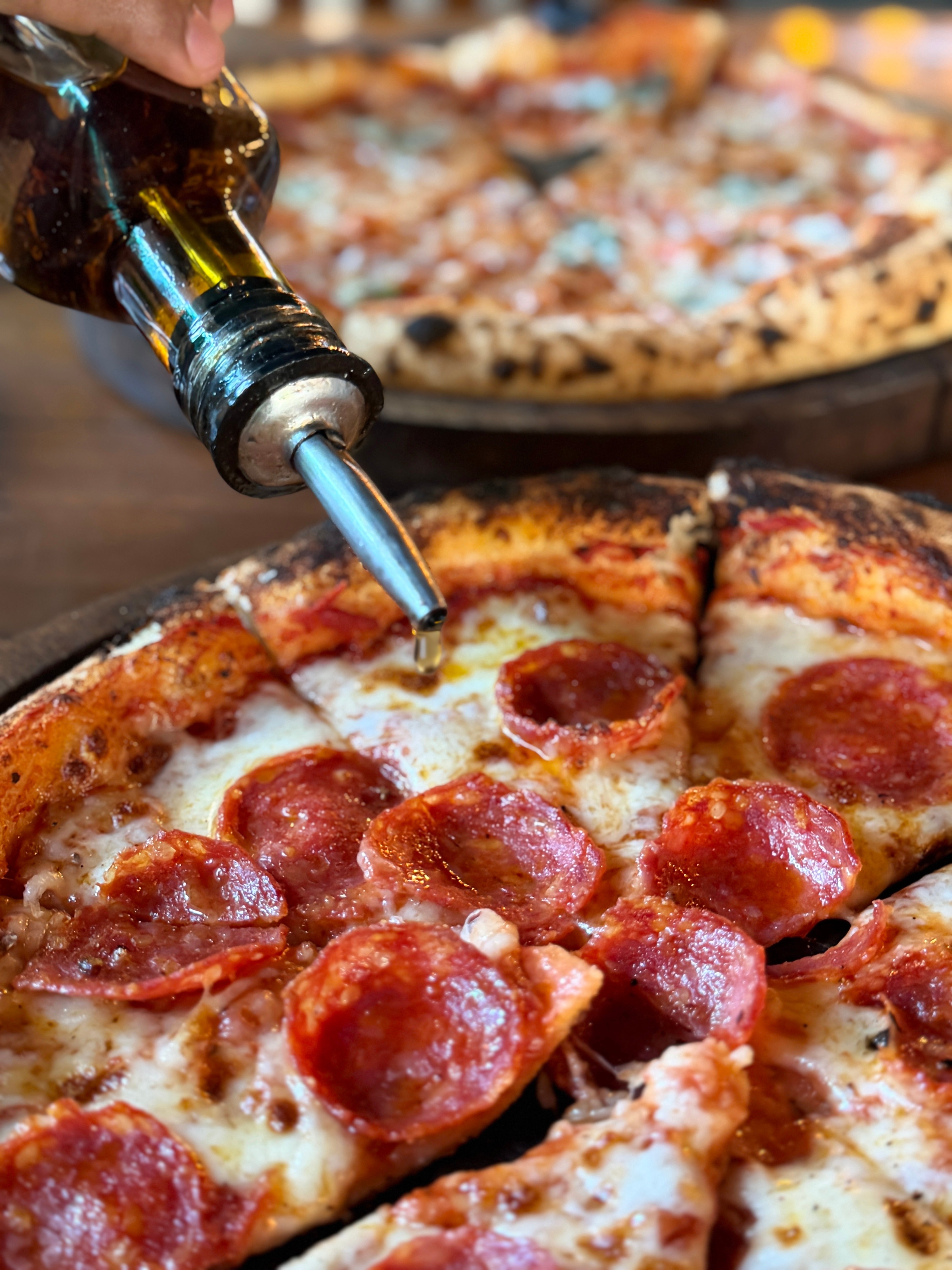
Chilli oil might be on the table of almost every Italian restaurant in the UK – but there’s no need to go overboard and blow your entire palate to smithereens. “I really hate when people pour chilli oil over everything: on a pizza, every pasta, every dish,” says Pascarella. “Why cover up all the flavours with so much chilli oil?!”
Mushrooms in Bolognese
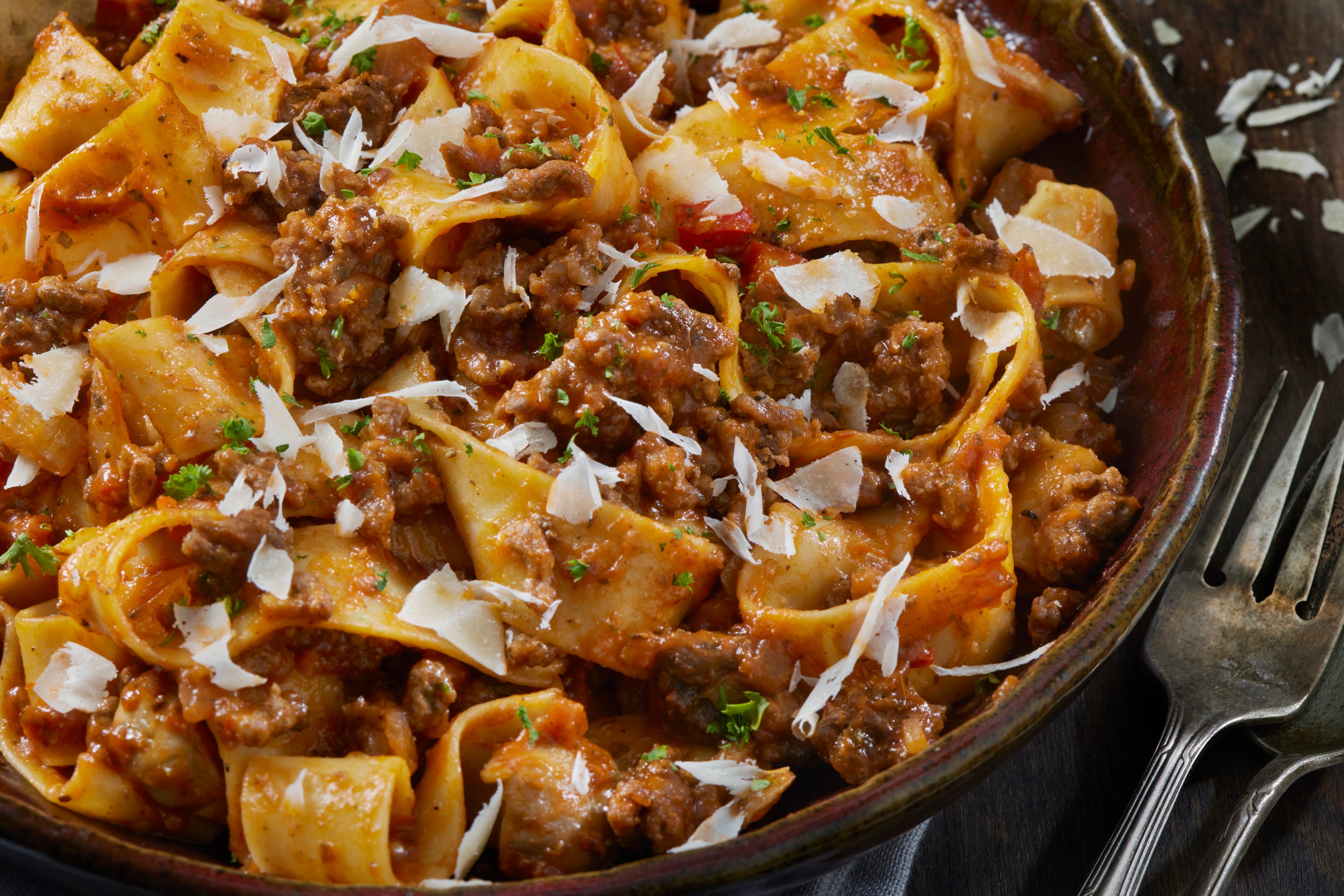
Bolognese has a long and winding origin story that has resulted in many region-specific iterations and many, many arguments. The Accademia Italiana della Cucina released an official recipe for the dish (beef cut from the plate section, fresh unsmoked pancetta, onions, carrot, celery, passata (or tomato puree), meat broth, dry white wine, milk, salt and pepper) as recently as 1982 in an attempt to streamline the ragu recipe.
Despite these clear instructions, many cooks still feel the urge to go rogue with the addition of mushrooms. “Why do we feel the need to change recipes that are so traditional and have such a long history?” questions Pascarella. “Bolognese is Bolognese; if you add mushrooms, it’s a different dish.”
“A proper ragù is about slow-cooked meat, soffritto and patience,” adds Hammad. “So, mushrooms in Bolognese miss the point entirely.”
Broken or overcooked pasta
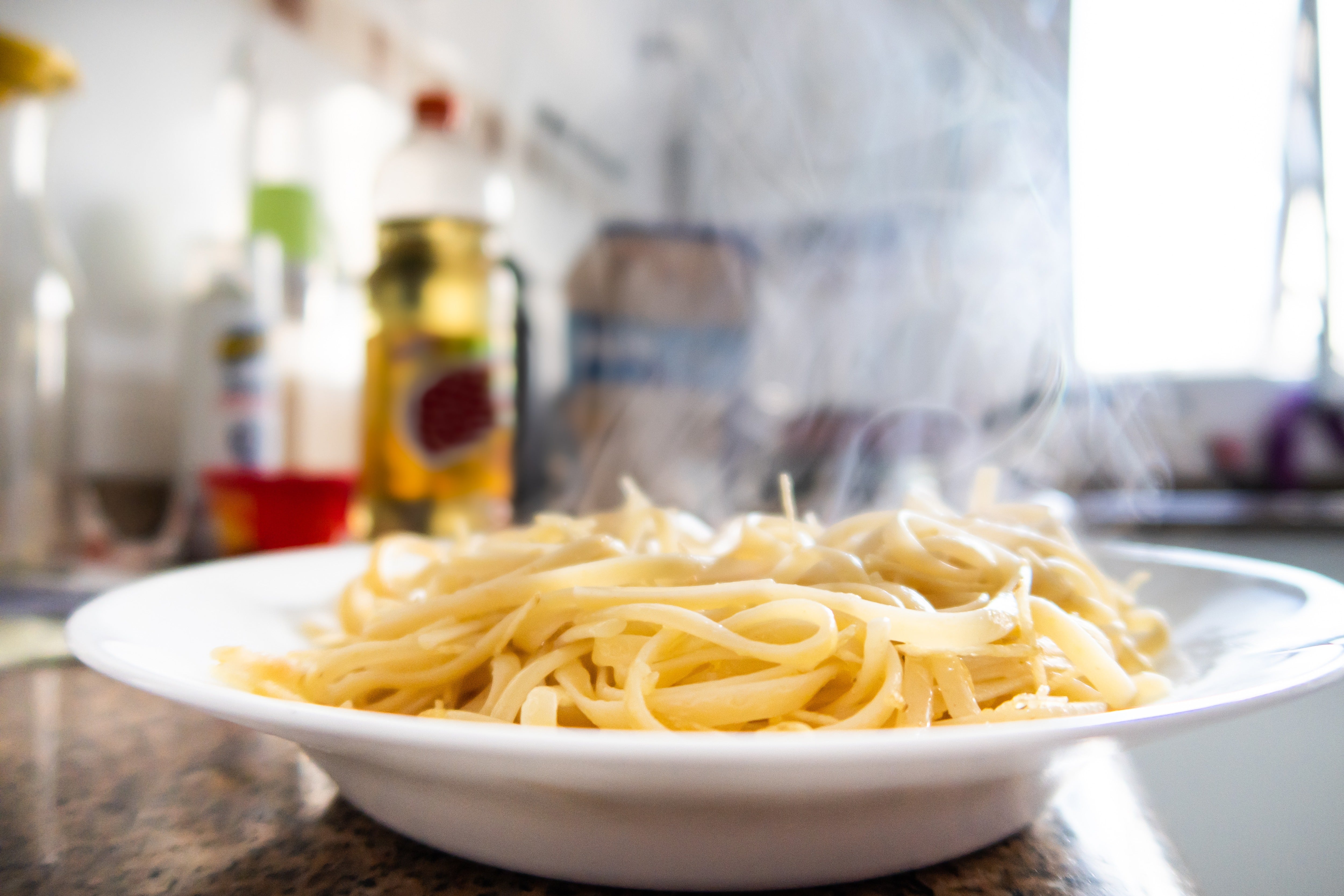
“Breaking spaghetti before cooking is something I’d rather not witness,” says Nipotina head chef, Somaia Hammad. “Long strands are meant to be twirled.”
While Pascarella, controversially, says he doesn’t mind breaking spaghetti before adding it to water, he says he “really hates” when the pasta is overcooked. Al dente pasta, generally, takes one to two minutes less than the cooking time indicated on the packaging. If you take a bit and the centre is still white, it’s too soon.
There are health benefits to not boiling your pasta into oblivion, too. Al dente has a lower glycemic index, so it can be easier to digest and shouldn’t spike your blood sugar and raise the risk of heart disease or stroke.
Cream in carbonara
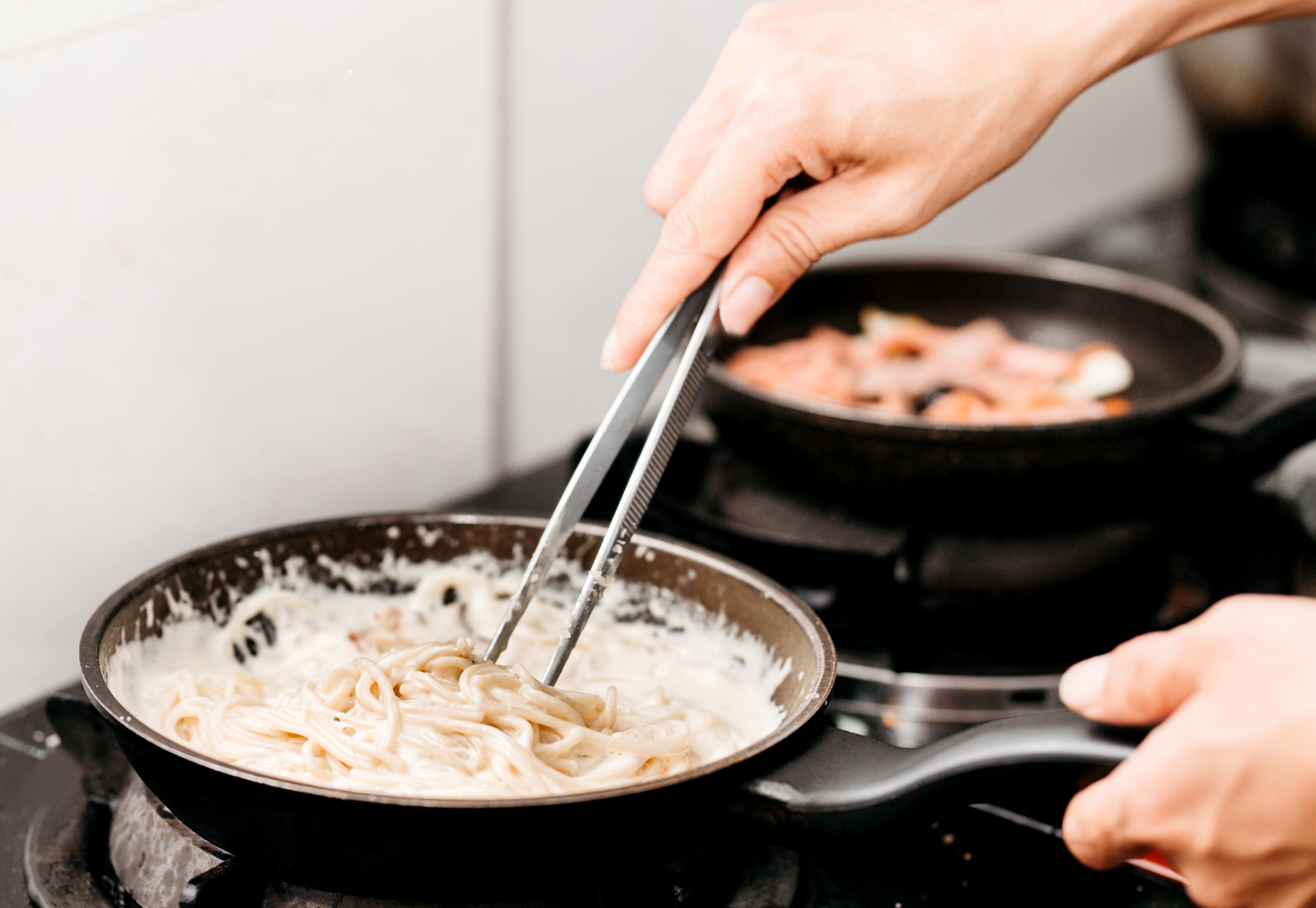
Pascarella feels the same about carbonara as he does about Bolognese: stick to the recipe (egg yolks, Pecorino Romano cheese, guanciale fat, and black pepper). “You don’t make it with cream; otherwise it isn’t carbonara. And honestly, it’s delicious without cream. So why add it?” he asks.
“Some habits do make Italian chefs flinch, and cream in carbonara is the big one,” echoes Hammad. “The silkiness should come from egg yolk, pecorino and starchy pasta water, not from a carton of double cream.”
Cheese on seafood
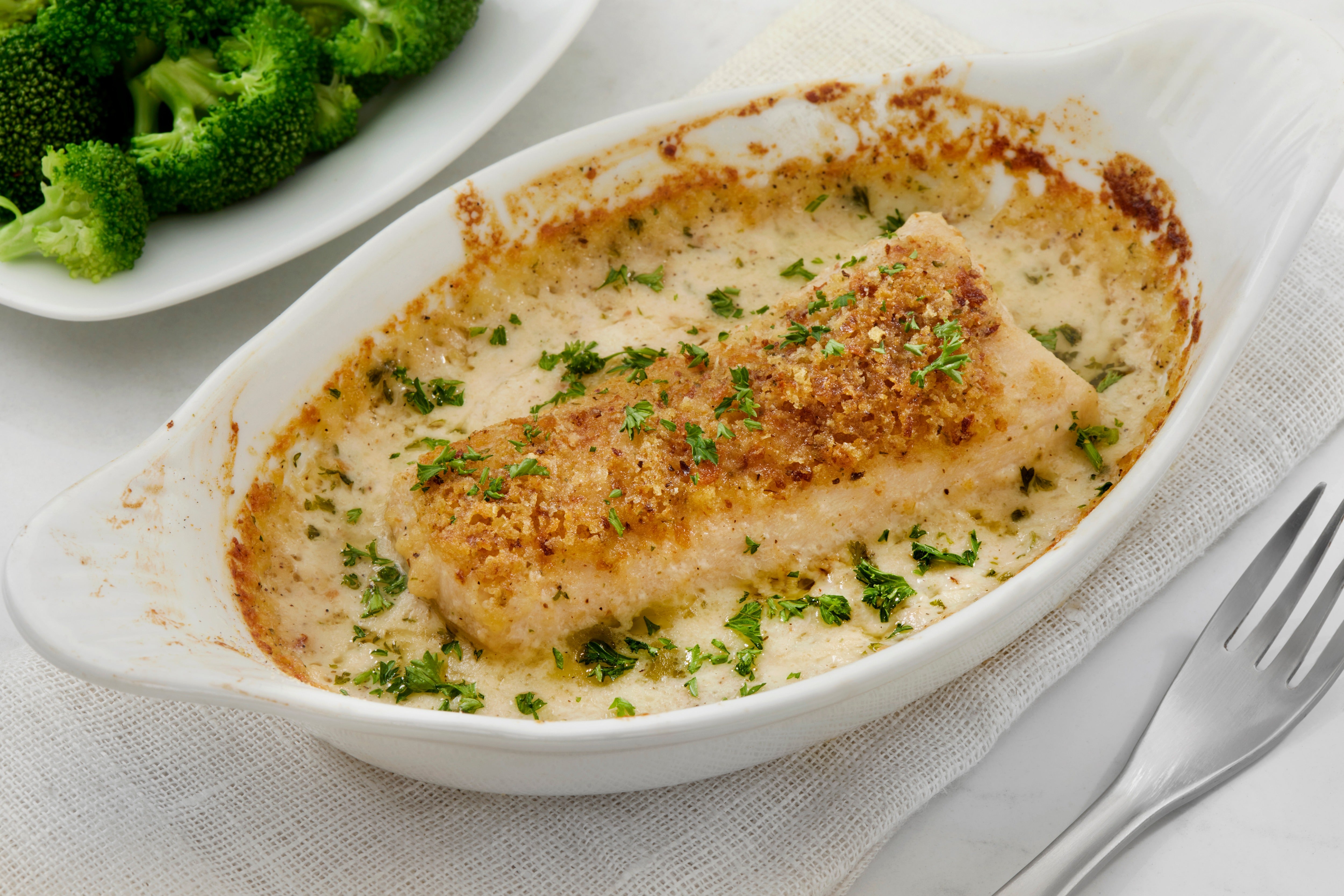
Italians traditionally avoid putting cheese on seafood because aged, salty cheeses like Parmigiano Reggiano or Pecorino Romano easily overpower the delicate, briny flavour of fresh fish and shellfish. “No, you don’t do that. Okay?” says Kucina chef Gero Dimaria. “Just eat the natural juiciness of the clams, of the prawns, of the lobster, of whatever it is, so that you’re going to taste the sea. You don’t want to put the milkiness from the cow of the cheese on top of my pasta with seafood... It’s very painful.”