


 Africana55 Radio

This website uses cookies so that we can provide you with the best user experience possible. Cookie information is stored in your browser and performs functions such as recognising you when you return to our website and helping our team to understand which sections of the website you find most interesting and useful.
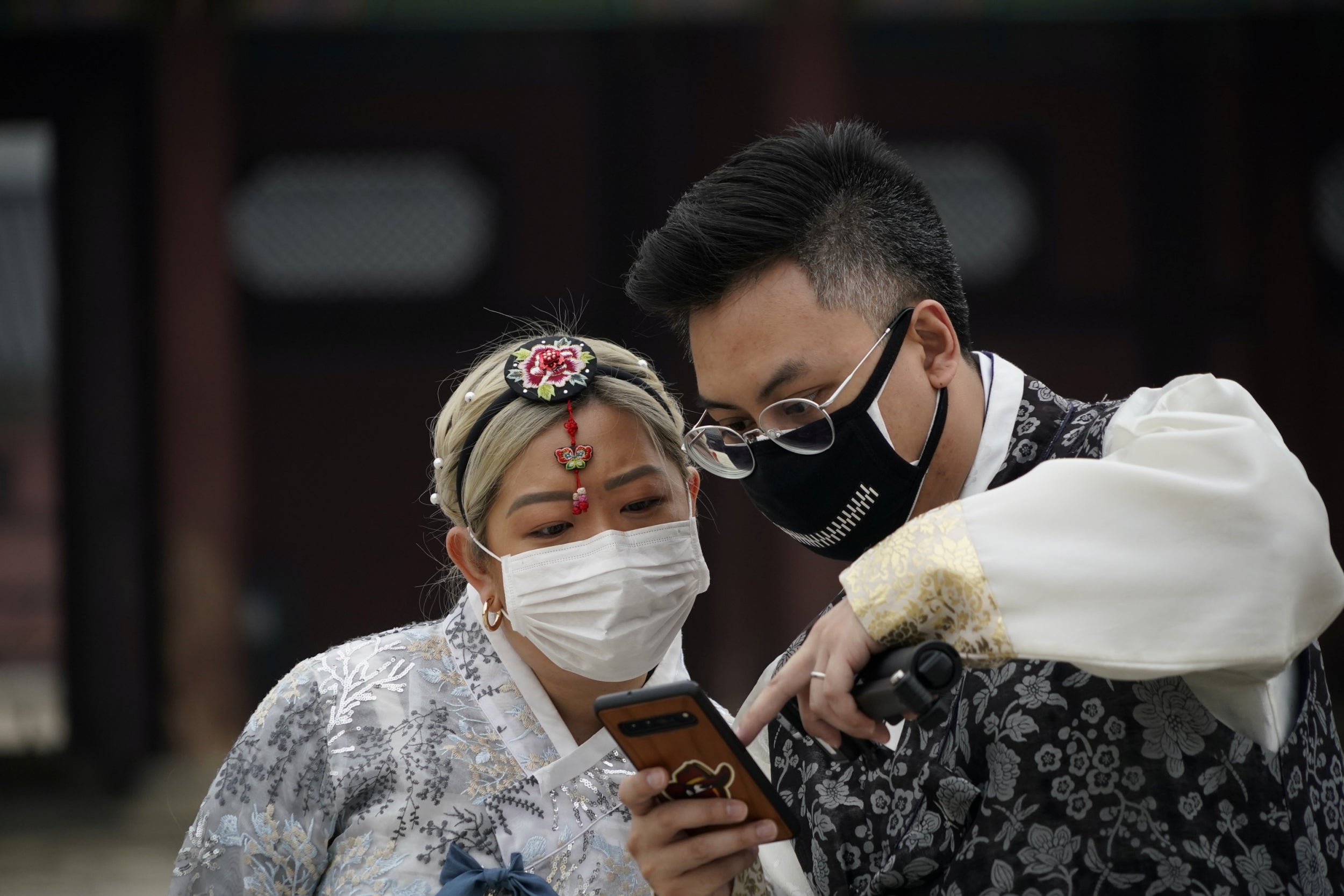
People in South Korea are turning to smartphone apps to avoid areas infected by the Covid-19 coronavirus.
The country was placed on ‘red alert’ last month by health authorities after a rapid rise in the outbreak. Since then, app developers in the country have used public government data to create tools that help track the outbreak, with six of the country's top 15 most-downloaded apps on Google Play now coronavirus related.
The most popular is Corona 100m, which has been installed more than 1 million times since it launched on 11 February. The app alerts users if they come within 100m of a location that has been marked by the government as a high-risk area.
Other apps provide data about where infected people have visited, together with demographic information about the patient.
More than 5,000 people in South Korea have been infected with the deadly virus, making it the country with the most confirmed cases outside of China.
The outbreak is already having a significant impact on the country’s economy. Major manufacturing plants have been forced to shut down, travel restrictions have been put in place and many live events have been cancelled.
The worst affected areas have been in Daegu and the North Gyeongsang Province, where Samsung factories and Apple supply facilities have reported worker infections.
More than 3,600 people in Daegu have tested positive for coronavirus, according to The Korea Herald, resulting in a shortage of hospital beds in the city.
Created with Sketch.
Created with Sketch.
1/11
Visitors with suspected symptoms of the new coronavirus, inside of a car, bottom right, get virus test by members of medical team as others queue in their cars at a "drive-through" test facility at Yeungnam University Medical Center in Daegu on 27 February 2020
AP
2/11
Workers move equipment into containers set up as a makeshift medical facility to accommodate COVID-19 patients at a hospital's grounds in Daegu, South Korea on Friday 28 February 2020
AP
3/11
People wait in line to buy face masks in front of a store at Dongseongro shopping district in Daegu on 27 February 2020
AFP via Getty Images
4/11
Medical workers wearing protective gears comfort each other outside a hospital in Daegu, South Korea, on 28 February 2020
REUTERS
5/11
Medical staff in protective gears arrive for a duty shift at Dongsan Hospital in Daegu South Korea on Friday 28 February 2020
AP
6/11
A South Korean health worker sprays disinfectant as part of preventive measures against the spread of the COVID-19 coronavirus, at a residential area near the Daegu branch of the Shincheonji Church of Jesus in Daegu on 27 February 2020
AFP via Getty Images
7/11
A man wears a mask and goggles as he waits in line to buy face masks from a post office near the Daegu branch of the Shincheonji Church of Jesus in Daegu on 27 February 2020
AFP via Getty
8/11
South Korean medical workers wearing protective gear visit a residence of people with suspected symptoms of the COVID-19 coronavirus to take samples, near the Daegu branch of the Shincheonji Church of Jesus in Daegu on 27 February 2020
AFP via Getty Images
9/11
A South Korean health worker sprays disinfectant as part of preventive measures against the spread of the COVID-19 coronavirus, at a residential area near the Daegu branch of the Shincheonji Church of Jesus in Daegu on 27 February 2020
AFP via Getty Images
10/11
A South Korean army vehicle sprays disinfectant on a road to prevent the spread of the COVID-19 in Daegu, South Korea on Thursday 27 February 2020.
AP
11/11
Troops set up makeshift partitions and beds at the Armed Forces Hospital in Daegu South Korea 28 February 2020
EPA
1/11
Visitors with suspected symptoms of the new coronavirus, inside of a car, bottom right, get virus test by members of medical team as others queue in their cars at a "drive-through" test facility at Yeungnam University Medical Center in Daegu on 27 February 2020
AP
2/11
Workers move equipment into containers set up as a makeshift medical facility to accommodate COVID-19 patients at a hospital's grounds in Daegu, South Korea on Friday 28 February 2020
AP
3/11
People wait in line to buy face masks in front of a store at Dongseongro shopping district in Daegu on 27 February 2020
AFP via Getty Images
4/11
Medical workers wearing protective gears comfort each other outside a hospital in Daegu, South Korea, on 28 February 2020
REUTERS
5/11
Medical staff in protective gears arrive for a duty shift at Dongsan Hospital in Daegu South Korea on Friday 28 February 2020
AP
6/11
A South Korean health worker sprays disinfectant as part of preventive measures against the spread of the COVID-19 coronavirus, at a residential area near the Daegu branch of the Shincheonji Church of Jesus in Daegu on 27 February 2020
AFP via Getty Images
7/11
A man wears a mask and goggles as he waits in line to buy face masks from a post office near the Daegu branch of the Shincheonji Church of Jesus in Daegu on 27 February 2020
AFP via Getty
8/11
South Korean medical workers wearing protective gear visit a residence of people with suspected symptoms of the COVID-19 coronavirus to take samples, near the Daegu branch of the Shincheonji Church of Jesus in Daegu on 27 February 2020
AFP via Getty Images
9/11
A South Korean health worker sprays disinfectant as part of preventive measures against the spread of the COVID-19 coronavirus, at a residential area near the Daegu branch of the Shincheonji Church of Jesus in Daegu on 27 February 2020
AFP via Getty Images
10/11
A South Korean army vehicle sprays disinfectant on a road to prevent the spread of the COVID-19 in Daegu, South Korea on Thursday 27 February 2020.
AP
11/11
Troops set up makeshift partitions and beds at the Armed Forces Hospital in Daegu South Korea 28 February 2020
EPA
There has also been a shortage of protective face masks, prompting a public apology from President Moon Jae-in on Tuesday.
“I feel very sorry for causing inconveniences to the public by failing to supply masks sufficiently and quickly,” Moon reportedly said.
He stressed the need for an “urgent and bold” injection of state funds, as well as bi-partisan cooperation to pass the necessary budget bills.
Around 30 trillion won (£19 billion) is expected to be rolled out in order to combat the public health crisis and prevent its further spread.