


 Africana55 Radio

This website uses cookies so that we can provide you with the best user experience possible. Cookie information is stored in your browser and performs functions such as recognising you when you return to our website and helping our team to understand which sections of the website you find most interesting and useful.
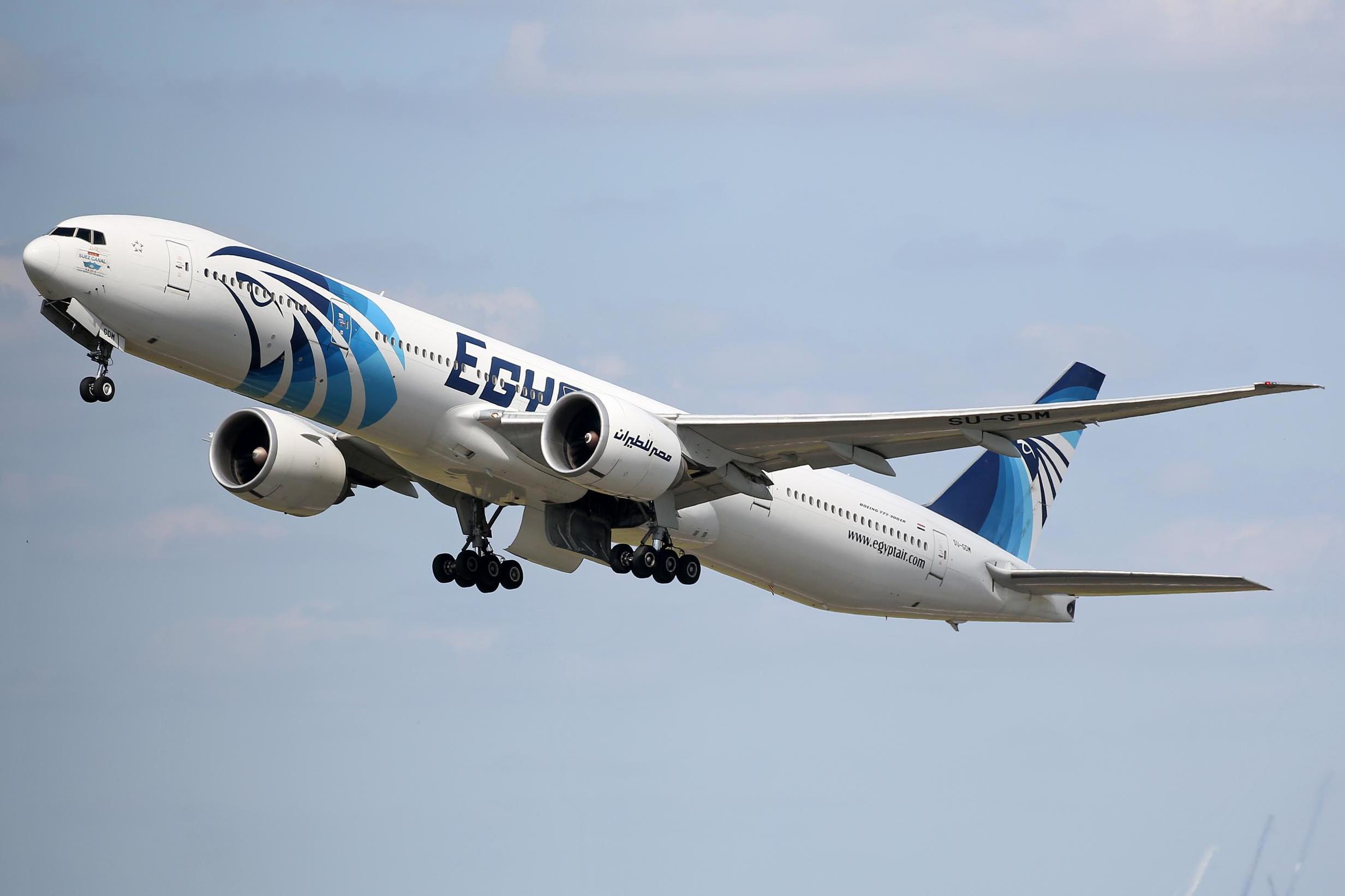
The last time I was on a plane was five weeks ago.
The aircraft was an Egyptair Boeing 777 from Cairo to Heathrow; the ticket, bought a couple of hours before departure, reflected “distress purchase” rates. I paid nearly £700 for four airborne hours between the Egyptian capital and London.
The foreign secretary had just warned against overseas travel because of the coronavirus crisis. I did not begrudge Egypt’s national carrier the cash: it was providing an essential service. And since my northwest, homebound trip across Europe, the whole aviation enterprise has been heading south, financially speaking.
Or has it?
“Our passenger division has been moving people around on private jets, on aircraft like the Boeing 787 Dreamliner, and even some 777-300s,” says Matt Purton.
“We’ve been flying to every continent and with every kind of passenger you can imagine.”
Mr Purton is in his office in Surbiton, southwest London. As commercial director of Air Charter Service (ACS), he is indisputably a key worker.
The bread-and-butter work of ACS is finding the right planes for organisations who need them. Sports teams, political campaigners and musicians often need a bit of extra lift beyond the standard commercial airlines.
In 2015, the firm took the Tokyo Metropolitan Symphony Orchestra on a European tour by Airbus A319, followed a year later by flying Iron Maiden around the world in a Boeing 747 branded Ed Force One.
Those gigs have ceased for a while, but the need urgently to move people thousands of miles at short notice has never been stronger.
Purton and his colleagues have spent the past few weeks helping people who, through misfortune rather than misadventure, inadvertently find themselves on the wrong side of the world.
Created with Sketch.
Created with Sketch.
1/18 Najaf, Iraq
A man holds a pocket watch at noon, at an almost empty market near the Imam Ali shrine
Reuters
2/18 Bangkok, Thailand
Wat Phra Si Rattana Satsadaram (The Temple of the Emerald Buddha, also known as The Grand Palace)
Reuters
3/18 Prague, Czech Republic
Empty streets at Old Town Square
Reuters
4/18 Washington, US
United States Capitol
Reuters
5/18 Jerusalem's Old City
A watch showing the time at noon, in front of Damascus Gate
Reuters
6/18 London, UK
A woman jogs past the Houses of Parliament on Westminster Bridge
Reuters
7/18 Wuhan, China
Empty road with low traffic
Reuters
8/18 Havana, Cuba
The seafront Malecon next to an almost empty road
Reuters
9/18 Cairo, Egypt
Tahrir Square
Reuters
10/18 Berlin, Germany
Brandenburg gate
Reuters
11/18 Caracas, Venezuela
Bolivar avenue
Reuters
12/18 Moscow, Russia
The clock on Spasskaya tower showing the time at noon, next to Moscow's Kremlin, and St Basil's Cathedral on an empty square
Reuters
13/18 Istanbul,Turkey
Emionu district
Reuters
14/18 New Delhi, India
An empty road at Rajpath
Reuters
15/18 Amman, Jordan
The Roman amphitheater
Reuters
16/18 New York City, US
The clock strikes noon at the main concourse of the Grand Central Terminal in Manhattan
Reuters
17/18 Kiev, Ukraine
Almost empty streets at Maidan Nezalezhnosti (Independence Square)
Reuters
18/18 Accra, Ghana
People walk past Ring Road Central Street
Reuters
1/18 Najaf, Iraq
A man holds a pocket watch at noon, at an almost empty market near the Imam Ali shrine
Reuters
2/18 Bangkok, Thailand
Wat Phra Si Rattana Satsadaram (The Temple of the Emerald Buddha, also known as The Grand Palace)
Reuters
3/18 Prague, Czech Republic
Empty streets at Old Town Square
Reuters
4/18 Washington, US
United States Capitol
Reuters
5/18 Jerusalem's Old City
A watch showing the time at noon, in front of Damascus Gate
Reuters
6/18 London, UK
A woman jogs past the Houses of Parliament on Westminster Bridge
Reuters
7/18 Wuhan, China
Empty road with low traffic
Reuters
8/18 Havana, Cuba
The seafront Malecon next to an almost empty road
Reuters
9/18 Cairo, Egypt
Tahrir Square
Reuters
10/18 Berlin, Germany
Brandenburg gate
Reuters
11/18 Caracas, Venezuela
Bolivar avenue
Reuters
12/18 Moscow, Russia
The clock on Spasskaya tower showing the time at noon, next to Moscow's Kremlin, and St Basil's Cathedral on an empty square
Reuters
13/18 Istanbul,Turkey
Emionu district
Reuters
14/18 New Delhi, India
An empty road at Rajpath
Reuters
15/18 Amman, Jordan
The Roman amphitheater
Reuters
16/18 New York City, US
The clock strikes noon at the main concourse of the Grand Central Terminal in Manhattan
Reuters
17/18 Kiev, Ukraine
Almost empty streets at Maidan Nezalezhnosti (Independence Square)
Reuters
18/18 Accra, Ghana
People walk past Ring Road Central Street
Reuters
“We’ve done some 777s out of southern Africa back into the US, into Brazil for a mining company, and also we’ve just done a Virgin Australia 777 out of New Zealand via Hong Kong to Paris.
“If you’re a planespotter it’s been quite an interesting time, but if you’re a passenger I imagine you’ve just been glad to get home.”
While some flights have been organised on behalf of governments, most are privately chartered.
“We’ve taken some people out of India and repatriated them via Cairo to Salt Lake City. That flight took just under 14 hours, nonstop, on a brand new Dreamliner. That’s the longest charter we have ever done.”
ACS has also been working with the cruise industry: repatriating passengers whose vessels have ended up in the wrong place at the wrong time, due to ports refusing to allow them ashore.
The firm has also been flying cruise line crew to their destinations. “They have to get home some way. The normal way they would use is commercial flights and connect through one of the hubs in the Middle East or on the west coast of America or in Asia. They just don’t exist, so we’re chartering planes flying nonstop.”
According to Eamonn Brennan, the director general of the air traffic coordinator, Eurocontrol: “Charter and business aviation had the biggest share of flights on Monday 13 April with 42 per cent of the overall movements.
As you might imagine, seeking a large passenger aircraft is something of a buyer’s market right now. Mr Purton says: “It’s been great to be able to get people to where they want to go using aircraft that aren’t normally available to us, or that normally cost a lot more than they do right now.”
Some of the planes he has been using belong to Egyptair. I hope he negotiated a better deal than I did.