


 Africana55 Radio

This website uses cookies so that we can provide you with the best user experience possible. Cookie information is stored in your browser and performs functions such as recognising you when you return to our website and helping our team to understand which sections of the website you find most interesting and useful.
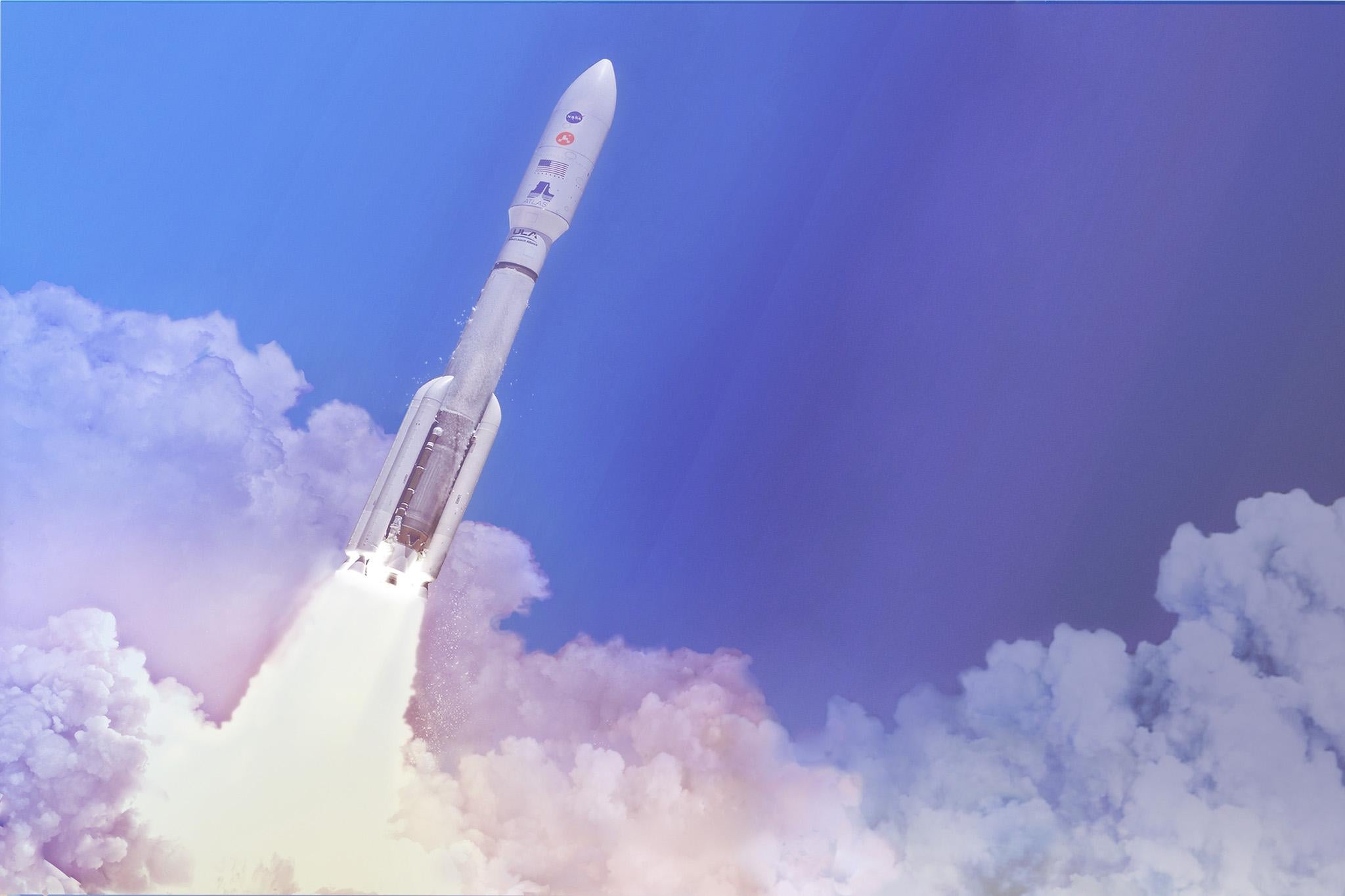
Nasa has been forced to delay the launch of its newest and most ambitious Mars rover – leading to fears it might miss its launch window entirely.
The Perseverance rover and its associated mission will cost about $3 billion. It will look for signs of Martian life in the past, as well as gathering materials from the surface that will one day be returned to Earth.
The launch has been pushed back to 30 July at the very earliest, the space agency announced, leaving it with only half the expected launch window.
Nasa must send the rover and the rocket carrying it into space by 15 August, or Mars will move too far away for the mission to be launched at all.
If that happens, engineers will have to wait until 2022, when the planets will align in the right way once again.
The space agency said that it hopes to be able to push back the window, giving it more time to attempt the launch, to avoid the 26 month delay that could come with any further problems.
Nasa has already been forced to delay the launch, in part because of contamination problems and issues with a crane at the pad. It had originally been scheduled to go as soon as 17 July, before being pushed further and further into the month.
United Launch Alliance, which made the rocket that will carry the rover to the red planet, said that it needed extra time to deal with problem readings during a recent practice for the launch, the space agency said in a release. A liquid oxygen sensor line had shown unexpected readings during that rehearsal, it said.
Created with Sketch.
Created with Sketch.
1/10
A total solar eclipse as seen from the US National Science Federation observatory in the Chilean Andes on 2 July
NASA/Goddard/Rebecca Roth
2/10
A composite image of the Cygnus OB2 star cluster composed of pictures taken by the Isaac Newton Telescope and Spitzer Space Telescope on July 24
NASA/CXC/SAO/J. Drake
3/10
The spacecraft Soyuz MS-13 is launched at the Baikonur Cosmodrome in Kazakhstan on July 20
NASA/Joel Kowsky
4/10
A copy of LIFE magazine from July 4 1969 signed by Michael Collins is seen onboard the Soyuz spacecraft
NASA/Nick HAgue
5/10
The galaxy NGC 1156 which is said to resemble a cherry blossom tree. Captured by the Hubble Telescope on July 12
ESA/Hubble/NASA/R. Jansen
6/10
The spacecraft Soyuz MS-13 on the launch pad at the Baikonur Cosmodrome in Kazakhstan ahead of launch on July 20
NASA/Joel Kowsky
7/10
Earth is seen in the background as a robotic arm from the International Space Station is positioned for training activities on July 12
NASA Johnson
8/10
The galaxy NGC 2985, a classic example of a spiral galaxy. Captured by the Hubble Telescope on July 22
ESA/Hubble/NASA/L. Ho
9/10
The sun rises over Earth as captured from the International Space Station on July 15
NASA Johnson
10/10
The Namibian port town of Walvis is captured from 262 miles above on the International Space Station
NASA Johnson
1/10
A total solar eclipse as seen from the US National Science Federation observatory in the Chilean Andes on 2 July
NASA/Goddard/Rebecca Roth
2/10
A composite image of the Cygnus OB2 star cluster composed of pictures taken by the Isaac Newton Telescope and Spitzer Space Telescope on July 24
NASA/CXC/SAO/J. Drake
3/10
The spacecraft Soyuz MS-13 is launched at the Baikonur Cosmodrome in Kazakhstan on July 20
NASA/Joel Kowsky
4/10
A copy of LIFE magazine from July 4 1969 signed by Michael Collins is seen onboard the Soyuz spacecraft
NASA/Nick HAgue
5/10
The galaxy NGC 1156 which is said to resemble a cherry blossom tree. Captured by the Hubble Telescope on July 12
ESA/Hubble/NASA/R. Jansen
6/10
The spacecraft Soyuz MS-13 on the launch pad at the Baikonur Cosmodrome in Kazakhstan ahead of launch on July 20
NASA/Joel Kowsky
7/10
Earth is seen in the background as a robotic arm from the International Space Station is positioned for training activities on July 12
NASA Johnson
8/10
The galaxy NGC 2985, a classic example of a spiral galaxy. Captured by the Hubble Telescope on July 22
ESA/Hubble/NASA/L. Ho
9/10
The sun rises over Earth as captured from the International Space Station on July 15
NASA Johnson
10/10
The Namibian port town of Walvis is captured from 262 miles above on the International Space Station
NASA Johnson
Whether or not Nasa is forced to delay, it will aim to send the rover to a river delta on the Martian surface, where it will begin the work of exploring the surface.
The European Space Agency has already been forced to push its own launch back until 2022, in part because of issues arising from the coronavirus pandemic. The United Arab Emirates and China are also planning missions to Mars during this window, and their launches are said to be on track.