


 Africana55 Radio

This website uses cookies so that we can provide you with the best user experience possible. Cookie information is stored in your browser and performs functions such as recognising you when you return to our website and helping our team to understand which sections of the website you find most interesting and useful.
The travel industry has welcomed the dramatic cull of the travel “red list” – reduced from 54 countries to just seven. But senior figures are demanding to know why what amounted to a travel ban has dragged on for so long – and why hotel quarantine is still in effect.
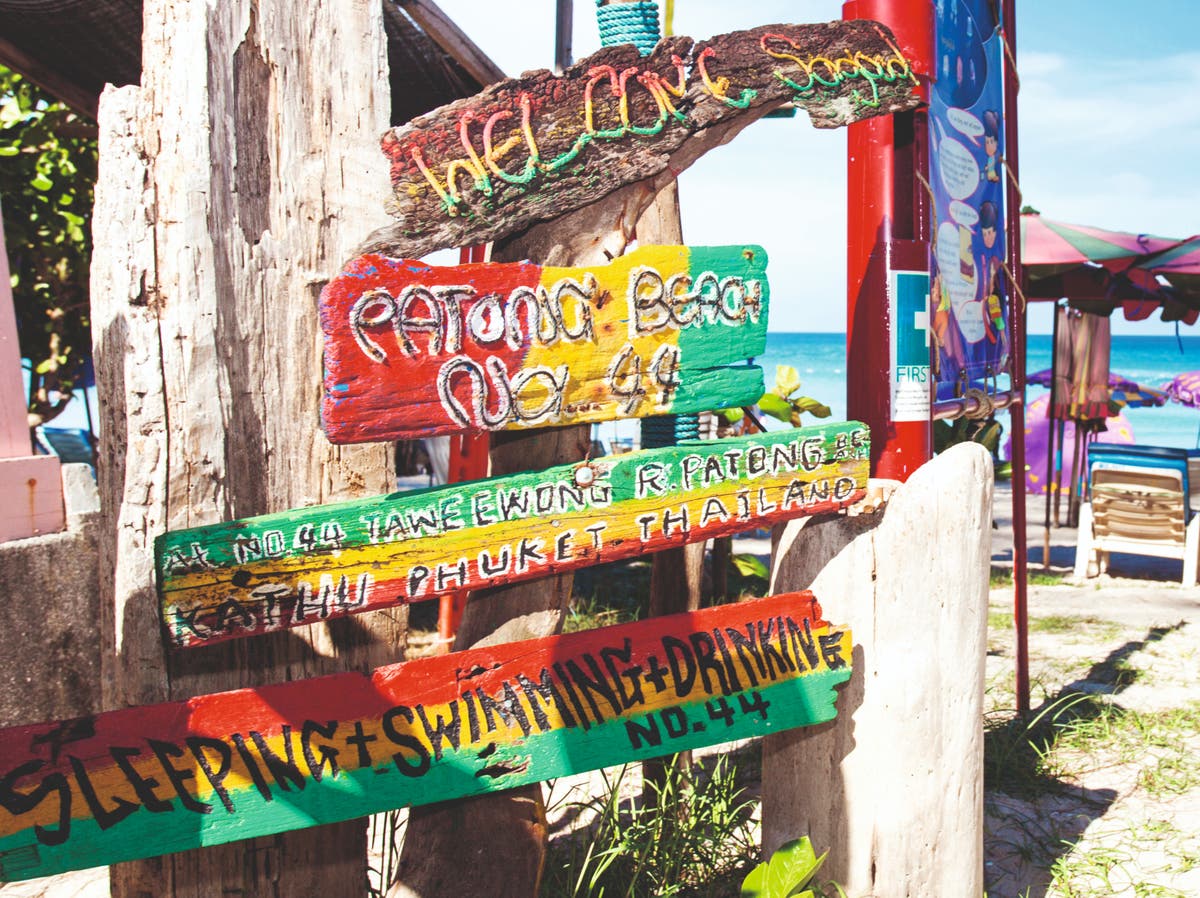
The transport secretary, Grant Shapps, announced this afternoon that from 4am on Monday 11 October, arrivals from 47 nations, including South Africa, Thailand, Brazil, Mexico and Indonesia, would no longer need to go into hotel quarantine for 11 nights on return to the UK.
He also increased the number of nations whose vaccinations are recognised by the UK to 92, including India, Turkey and Ghana.
“The measures announced today mark the next step as we continue to open up travel, and provide stability for passengers and industry, while remaining on track to keep travel open for good,” he said.
All seven countries remaining on the red list are in Latin America: Colombia, Ecuador, Dominican Republic, Haiti, Panama, Peru and Venezuela.
For arrivals from the other countries, travellers who have been vaccinated in a country recognised by the UK will not need to self-isolate, and will need to take a single test on arrival or on one of the two following days.
Julia Lo Bue-Said, chief executive of the Advantage Travel Partnership, said: “While this is a hugely positive step forward, it does beg the question as to why, all of a sudden, 47 destinations that were previously deemed to be high-risk are now safe to travel to.
“We’d still like to see the removal of inhumane hotel quarantine from remaining red-list countries and replaced with home self-isolation and appropriate testing instead.”
Paul Goldstein, a tour guide and wildlife photographer, said: “I sincerely hope Mr Shapps is not expecting any bouquets from an industry he has almost single-handedly butchered with his year-long primitive assault, employing corridors, quarantine and traffic lights as his principal weapons of destruction.
“The travel industry has still had to work, for little or no return, knowing that its business cannot just be turned on and off like a switch. His mystifying decisions over the past twelve months have eroded confidence and sent many into the poorhouse.”
Julia Simpson, president and chief executive of the World Travel & Tourism Council, said: “There is no justification for a red list to remain in the UK.
“Other countries have realised that blanket country measures are no longer needed, and instead assess on individual risk and whether travellers have been fully jabbed.”
David Frost, chief executive of Satsa, the biggest tourism association in South Africa, called the decision “long overdue”.
He said: “Our UK operators have already seen a surge in enquiries from sun-starved Brits looking for a winter escape, and early estimates suggest that upwards of 300,000 British passport holders expect to visit friends and family or take advantage of highly competitive holiday deals across southern Africa in the coming months.”
Maija de Rijk-Uys, managing director of Go2Africa, said: “From our perspective, the UK market has shrunk to revenues of one-third of pre Covid numbers – leading to an 81 per cent loss in revenue from the UK.”
Donal Kane, who analyses coronavirus infections worldwide, tweeted: “Hopefully it’s only for three weeks until they get rid of it altogether.
“Really pointless at this stage and little justification for any of these places having restrictions on them now.
“Seems particularly harsh on Dominican Republic.”