


 Africana55 Radio

This website uses cookies so that we can provide you with the best user experience possible. Cookie information is stored in your browser and performs functions such as recognising you when you return to our website and helping our team to understand which sections of the website you find most interesting and useful.
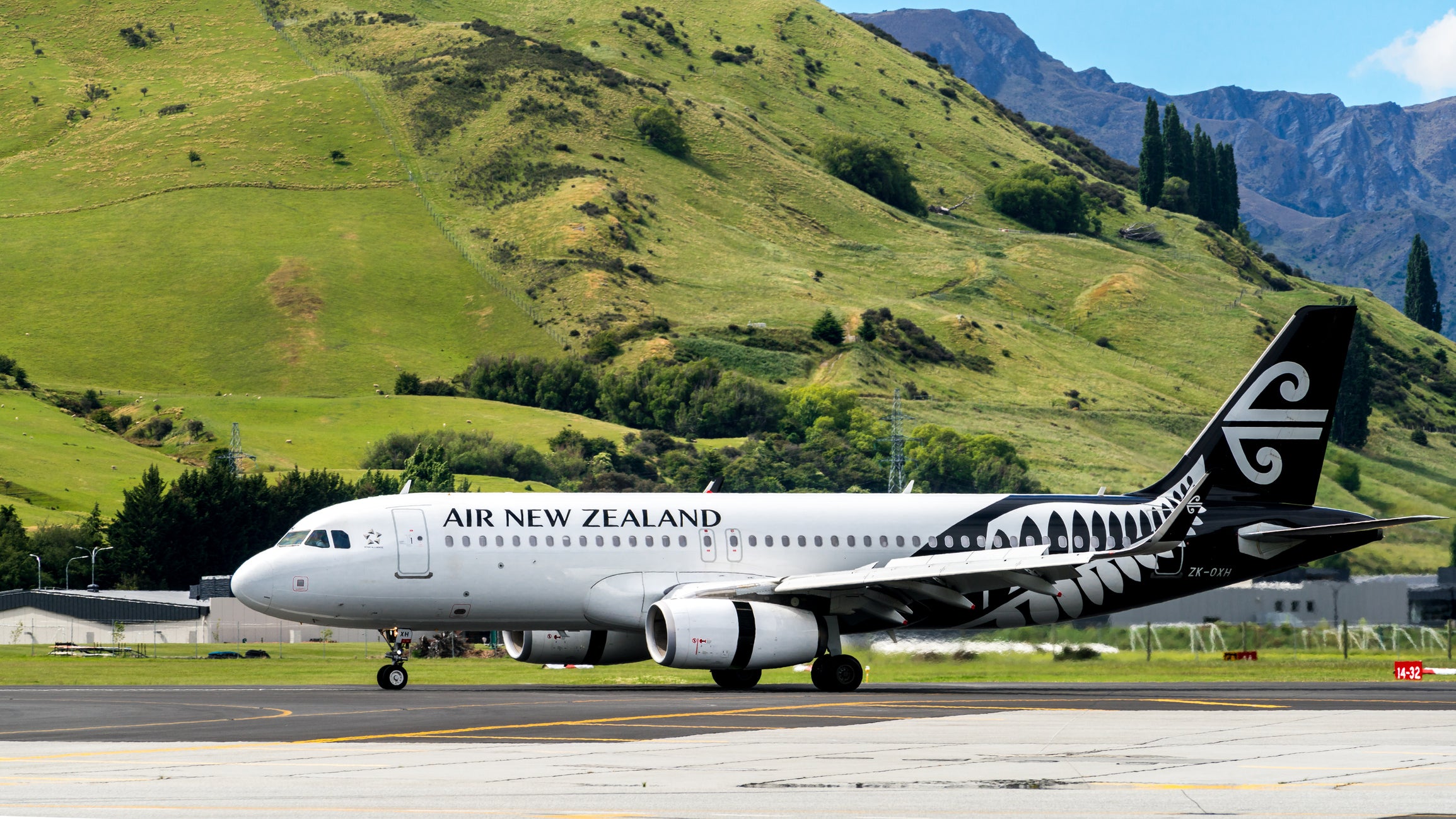
Air New Zealand has announced a significant reduction in its flight schedule, cutting 5 per cent of its services – approximately 1,100 flights – through early May.
The move comes as the ongoing conflict in Iran drives jet fuel prices sharply upwards, disrupting air travel even in regions thousands of miles from the immediate conflict zone.
New Zealand’s national carrier joins a growing list of airlines, including Australia’s Qantas Airways, Scandinavia’s SAS, and Thai Airways, that have implemented airfare increases this week.
They attribute these hikes to an abrupt surge in fuel costs, which has sent shockwaves through the global aviation sector.
The Middle East conflict has also forced many airlines to cancel flights to and from the region or seek alternative routes, as drone and missile activity has severely restricted airspace, creating the most significant crisis for the industry since the pandemic.
Oil prices climbed further on Thursday following reports from Iraqi security officials that Iranian explosive-laden boats had struck two fuel oil tankers, amidst other global supply disruptions.
Iran has also warned that the world should prepare for oil prices to reach $200 a barrel.
Nikhil Ravishankar, Air New Zealand’s chief executive, told state-owned Radio New Zealand that around 44,000 customers out of 1.9 million scheduled to fly through early May would need to be re-accommodated due to the domestic and international flight cuts.
Airports serving areas such as New Zealand’s popular Marlborough winemaking region and the west coast city of New Plymouth are among those facing reduced services in the coming weeks.
Mr Ravishankar noted that fewer long-haul flights would be affected, as the airline’s US routes have become increasingly popular as stopovers for European travel since widespread Middle Eastern airspace closures.
"People want to get to Europe still, and over the US airspace we can get them into Europe, and that's what we're focused on doing," he said.
Air New Zealand’s shares saw a 1 per cent drop on Thursday, mirroring declines experienced by Hong Kong’s Cathay Pacific, Qantas Airways, and Japan Airlines.
Concerns over jet fuel supplies were also raised by Sydney Airport chief executive Scott Charlton, who highlighted Australia’s reliance on imports and the vulnerability of its 25-30 day supply to international shipping lanes and geopolitical stability.
"We don't refine aviation fuel at scale anymore. We import it," Mr Charlton explained at a biofuels conference.

Cathay Pacific became the latest to adjust fuel surcharges, announcing that all routes would be affected from 18 March, as jet fuel prices have doubled since the beginning of the month.
The broader impact of the conflict was underscored by incidents near Dubai’s main airport and Bahrain evacuating some planes, as attacks on infrastructure across the Gulf continue to disrupt air traffic.
Travellers are increasingly seeking carriers that avoid Middle East airspace, with Thai Airways reporting an increase in passengers on its Europe routes.
Cathay Pacific has cancelled flights to Dubai and Riyadh through March, instead adding services to London and Zurich to meet demand for Asia-Europe flights that bypass the Middle East.
The ripple effect extends further, with Vietnam warning that its domestic airlines could face fuel shortages as early as next month.