


 Africana55 Radio

This website uses cookies so that we can provide you with the best user experience possible. Cookie information is stored in your browser and performs functions such as recognising you when you return to our website and helping our team to understand which sections of the website you find most interesting and useful.
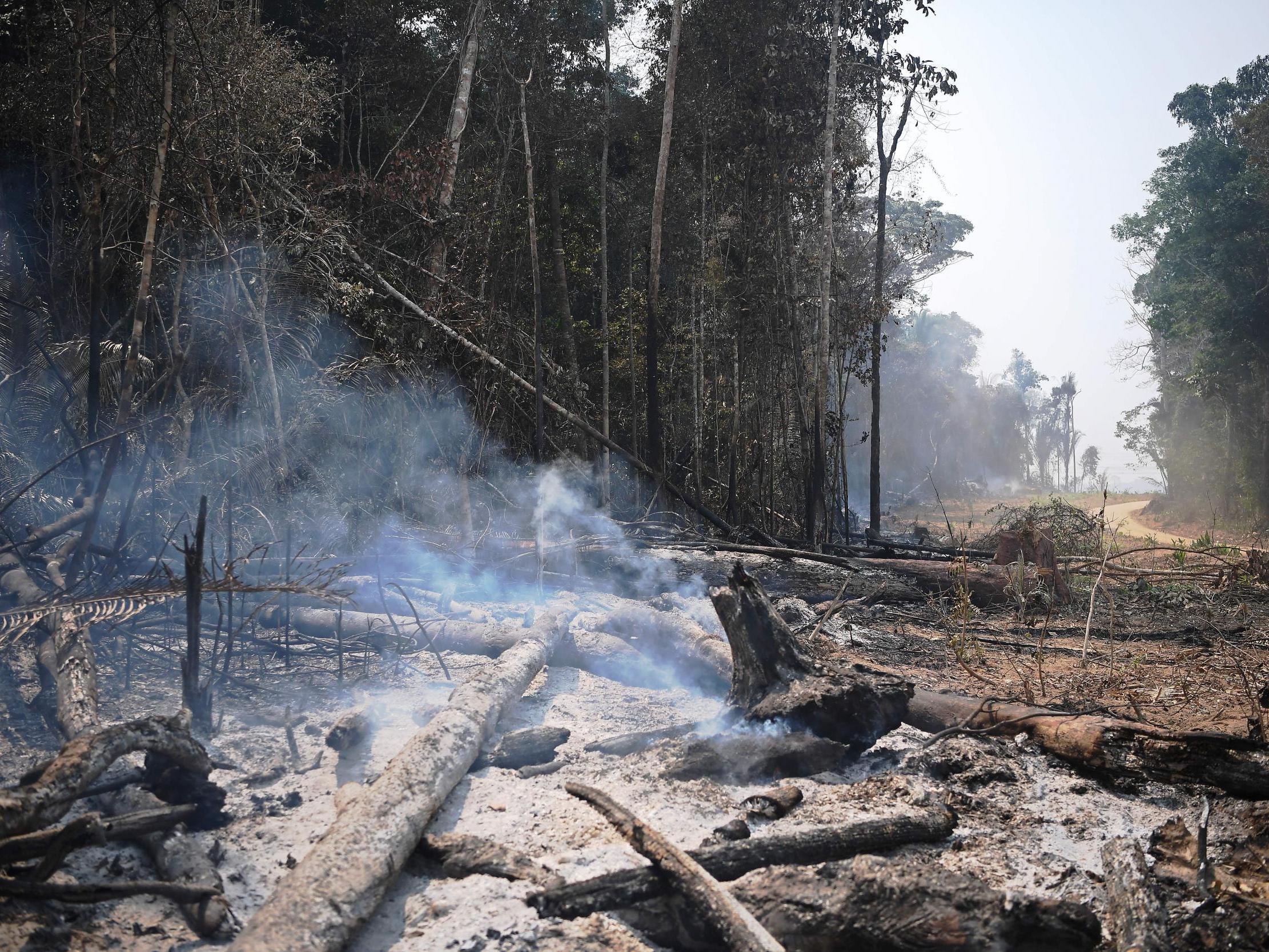
Food produced in Britain could be contributing to deforestation and the loss of wildlife overseas, campaigners have warned.
Environmental group WWF has urged the government to prevent companies importing soy, palm oil and other products that have been linked to the loss of forests across the globe.
European consumers, including in the UK, eat around 134.5lb (61kg) of soy a year without realising it, as it is imported and fed to animals such as pigs and chickens reared in the UK.
Palm oil is found in a wide range of foods and some cosmetics and household goods, but its production can be problematic and unsustainable, with vast plantations that replace native forests in southeast Asia being grown to satisfy rising demand.
As part of its “Let’s get deforestation #OffOurPlates” campaign, WWF is calling for lawmakers to set targets to end deforestation and enforce regulations on companies which would ensure their supply chains are not harming nature.
Created with Sketch.
Created with Sketch.
1/25
Fire rages in the Amazon rainforest in the Brazilian state of Rondonina on August 23
Reuters
2/25
Smoke billlows from burning tracts of the Amazon rainforest in the Brazilian state of Para on August 23
AFP/Getty
3/25
Fire rages in the Amazon rainforest in the Brazilian state of Rondonina on August 23
EPA
4/25
Land in the Amazon rainforest left scorched in the fires in the Brazilian state of Rondonina on August 23
AFP/Getty
5/25
Smoke billows during a fire in an area of the Amazon rainforest in the state of Rondonia, Brazil on August 23
AFP
6/25
Fire tears through a farm in the Brazilian state of Mato Grosso
AP
7/25
An area of the Amazon rainforest left scorched in the fires in the Brazilian state of Amazonas on August 24
AFP/Getty
8/25
Satellite images show a series of fires in the southwest Brazilian state of Rondonia on August 15
AP
9/25
Smoke billows during a fire in an area of the Amazon rainforest in the state of Rondonia, Brazil
Reuters
10/25
A satellite image released by NASA shows the active fires that have been detected in the Amazon region
EPA
11/25
Smoke billows during a fire in an area of the Amazon rainforest in the state of Amazonas, Brazil
Reuters
12/25
Smoke billows during a fire in an area of the Amazon rainforest in the state of Rondonia, Brazil
Reuters
13/25
Smoke billows during a fire in an area of the Amazon rainforest in the state of Rondonia, Brazil
Reuters
14/25
Smoke billows during a fire in an area of the Amazon rainforest in the state of Amazonas, Brazil
Reuters
15/25
Indigenous people from the Mura tribe wallk in a deforested area inside the Amazon rainforest in the Brazilian state of Amazonas on August 20
Reuters
16/25
Fire tears through a farm in the Brazilian state of Mato Grosso
AP
17/25
Smoke billows from a stretch of fire in the Amazon rainforest in the Brazilian state of Rondonia on 23 August
AFP/Getty
18/25
Smoke billows during a fire in an area of the Amazon rainforest in the state of Amazonas, Brazil
Reuters
19/25
Indigenous people from the Mura tribe wallk in a deforested area inside the Amazon rainforest in the Brazilian state of Amazonas on August 20
Reuters
20/25
Smoke billows from a stretch of fire in the Amazon rainforest in the Brazilian state of Rondonia on 23 August
AFP/Getty
21/25
A view of logs felled illegally in the Amazon rainforest are seen in sawmills in the Brazilian state of Amazonas on August 22
Reuters
22/25
A scorched patch of land in the state of Mato Grosso in Brazil on 20 August
EPA
23/25
Several fires are seen burning in the Amazon rainforest in this satellite image taken by NASA on 11 August
AFP/Getty
24/25
Smoke billows from a stretch of fire in the Amazon rainforest in the Brazilian state of Rondonia on 23 August
AFP/Getty
25/25
The sunsets behind clouds and smoke from fires in the Amazon rainforest in the Brazilian state of Rondonia on 18 August
EPA
1/25
Fire rages in the Amazon rainforest in the Brazilian state of Rondonina on August 23
Reuters
2/25
Smoke billlows from burning tracts of the Amazon rainforest in the Brazilian state of Para on August 23
AFP/Getty
3/25
Fire rages in the Amazon rainforest in the Brazilian state of Rondonina on August 23
EPA
4/25
Land in the Amazon rainforest left scorched in the fires in the Brazilian state of Rondonina on August 23
AFP/Getty
5/25
Smoke billows during a fire in an area of the Amazon rainforest in the state of Rondonia, Brazil on August 23
AFP
6/25
Fire tears through a farm in the Brazilian state of Mato Grosso
AP
7/25
An area of the Amazon rainforest left scorched in the fires in the Brazilian state of Amazonas on August 24
AFP/Getty
8/25
Satellite images show a series of fires in the southwest Brazilian state of Rondonia on August 15
AP
9/25
Smoke billows during a fire in an area of the Amazon rainforest in the state of Rondonia, Brazil
Reuters
10/25
A satellite image released by NASA shows the active fires that have been detected in the Amazon region
EPA
11/25
Smoke billows during a fire in an area of the Amazon rainforest in the state of Amazonas, Brazil
Reuters
12/25
Smoke billows during a fire in an area of the Amazon rainforest in the state of Rondonia, Brazil
Reuters
13/25
Smoke billows during a fire in an area of the Amazon rainforest in the state of Rondonia, Brazil
Reuters
14/25
Smoke billows during a fire in an area of the Amazon rainforest in the state of Amazonas, Brazil
Reuters
15/25
Indigenous people from the Mura tribe wallk in a deforested area inside the Amazon rainforest in the Brazilian state of Amazonas on August 20
Reuters
16/25
Fire tears through a farm in the Brazilian state of Mato Grosso
AP
17/25
Smoke billows from a stretch of fire in the Amazon rainforest in the Brazilian state of Rondonia on 23 August
AFP/Getty
18/25
Smoke billows during a fire in an area of the Amazon rainforest in the state of Amazonas, Brazil
Reuters
19/25
Indigenous people from the Mura tribe wallk in a deforested area inside the Amazon rainforest in the Brazilian state of Amazonas on August 20
Reuters
20/25
Smoke billows from a stretch of fire in the Amazon rainforest in the Brazilian state of Rondonia on 23 August
AFP/Getty
21/25
A view of logs felled illegally in the Amazon rainforest are seen in sawmills in the Brazilian state of Amazonas on August 22
Reuters
22/25
A scorched patch of land in the state of Mato Grosso in Brazil on 20 August
EPA
23/25
Several fires are seen burning in the Amazon rainforest in this satellite image taken by NASA on 11 August
AFP/Getty
24/25
Smoke billows from a stretch of fire in the Amazon rainforest in the Brazilian state of Rondonia on 23 August
AFP/Getty
25/25
The sunsets behind clouds and smoke from fires in the Amazon rainforest in the Brazilian state of Rondonia on 18 August
EPA
Katie White, WWF executive director of advocacy and campaigns, said: “People don’t want to eat food that’s destroying forests – but deforestation is hidden even in food that appears home-grown.
“Action by individual businesses or consumers isn’t enough.
“We need the UK government to show decisive leadership to take deforestation off our plates with legislation that makes it illegal to import products that contribute to the destruction of forests.”
The soy that is fed to animals mostly comes from South America, where production of the crop has nearly trebled in the last 20 years, WWF warned.
The Amazon is protected from further expansion for soy production by a 2006 ban but other areas with vital ecosystems such as the Cerrado and the Gran Chaco – South America’s second largest forest – are still being exploited, according to Greenpeace investigators.
Meeting Britain’s annual demand for high-protein soya requires 1.5 million hectares of land, an area larger than Northern Ireland. This does not include soy feed that forms part of the environmental footprint of meat imported from other countries.
The food people eat in the UK is linked to the threatened extinction of an estimated 33 species, including jaguars, giant anteaters and three-toed sloths, WWF added.
In a separate report produced by the WWF last month, some of the world’s biggest brands were accused of failing in their commitments to banish unsustainable palm oil from the supply chains of their products.
Additional reporting by PA