


 Africana55 Radio

This website uses cookies so that we can provide you with the best user experience possible. Cookie information is stored in your browser and performs functions such as recognising you when you return to our website and helping our team to understand which sections of the website you find most interesting and useful.
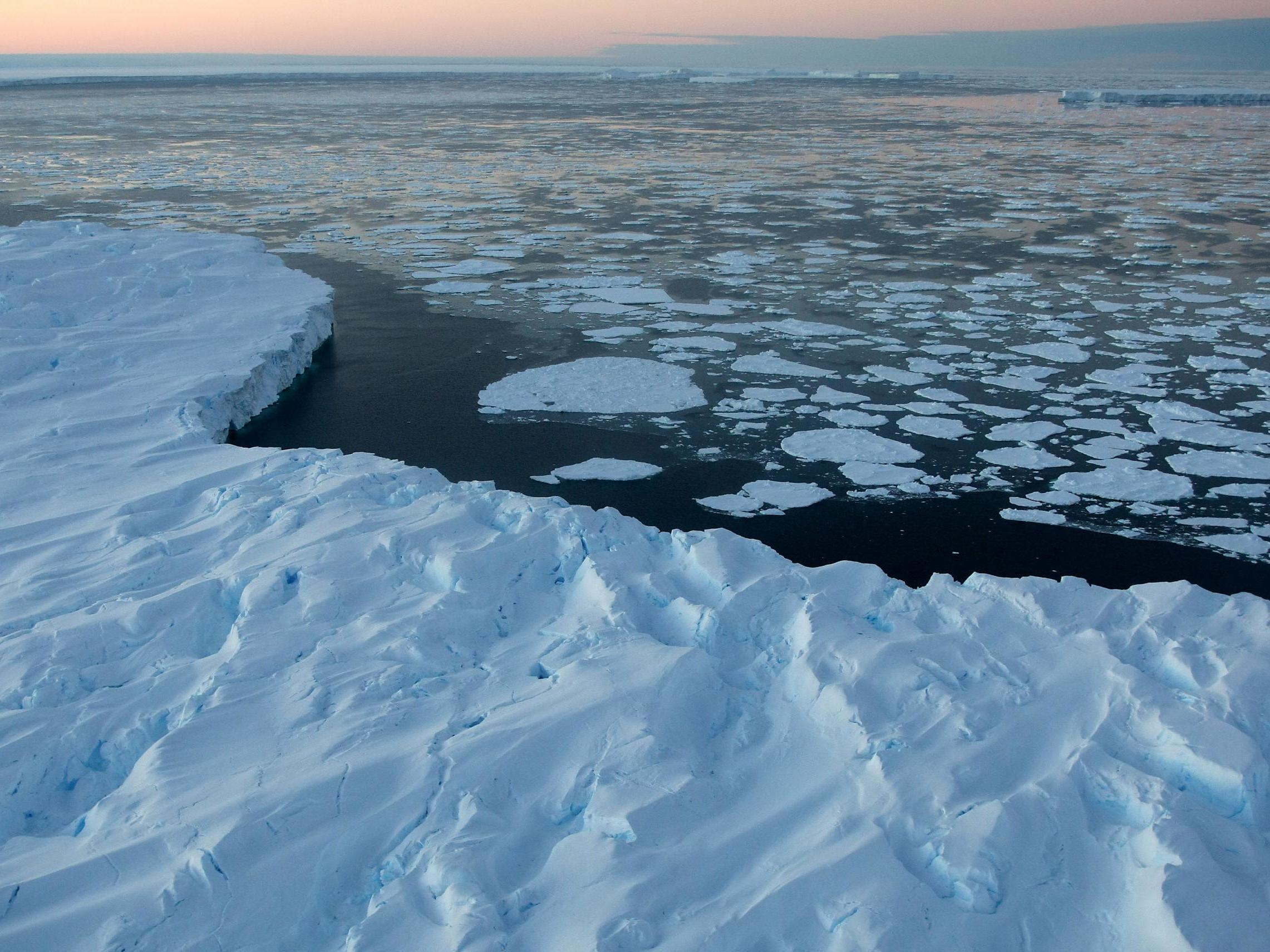
A record high temperature of 20.75C has been registered in Antarctica, exceeding the 20C mark for the first time.
The measurement was made on 9 February by Brazilian scientists at a monitoring station on Seymour Island, situated off the coast of the Antarctic Peninsula.
This is the second time in one week that a record temperature has been set for the region.
On 6 February, an Argentinian research station at Esperanza, on Antarctica’s north-west tip, measured 18.3C, which is the highest reading for the continent since March 2015.
The previous record for the Antarctic region – everywhere south of 60 degrees latitude – was 19.8C, taken on Signy Island in January 1982.
Created with Sketch.
Created with Sketch.
1/8
Penguins on Curverville Island
Reuters
2/8
Seals on a beach in Half Moon Bay
Reuters
3/8
Penguins in Neko Harbour
Reuters
4/8
A Greenpeace boat sails in Andvord Bay
Reuters
5/8
An iceberg floats in Selvick Cove
Reuters
6/8
A krill fishing ship with unknown nationality in Half Moon Bay
Reuters
7/8
Waves break on Greenpeace ship ‘Arctic Sunrise’ at the Drake Passage
Reuters
8/8
A whale swims in Selvick Cove
Reuters
1/8
Penguins on Curverville Island
Reuters
2/8
Seals on a beach in Half Moon Bay
Reuters
3/8
Penguins in Neko Harbour
Reuters
4/8
A Greenpeace boat sails in Andvord Bay
Reuters
5/8
An iceberg floats in Selvick Cove
Reuters
6/8
A krill fishing ship with unknown nationality in Half Moon Bay
Reuters
7/8
Waves break on Greenpeace ship ‘Arctic Sunrise’ at the Drake Passage
Reuters
8/8
A whale swims in Selvick Cove
Reuters
Brazilian scientist Carlos Schaefer, who is part of the team working on Seymour Island, said that he had “never seen a temperature this high in Antarctica” – but warned that the recording was just one reading and could not be used to predict wider trends.
“We can’t use this to anticipate climatic changes in the future. It’s a data point,” he told AFP. “It’s simply a signal that something different is happening in that area.”
Although the recordings made on 6 and 9 February need to be confirmed by the World Meteorological Organization (WMO), they remain consistent with broader trends across the Antarctic peninsula and nearby islands which have warmed by almost 3C over the past 50 years.
Roughly 87 per cent of glaciers along the peninsula’s west coast have also retreated during this period, according to the WMO.
There has been an “accelerated retreat” over the past 12 years due to global warming, the organisation adds.
The past 20 years has seen an erratic fluctuation in recorded temperatures across the peninsula – a narrow stretch of land that stretches out into the South Atlantic Ocean.
Scientists on the Brazilian Antarctic programme have attributed this to influential shifts in ocean currents and El Nino events: “We have climatic changes in the atmosphere, which is closely related to changes in permafrost and the ocean. The whole thing is very interrelated.”
Last month was also Antarctica’s warmest January on record.
The region stores about 70 per cent of the world’s fresh water in the form of snow and ice. Sea levels would rise by 50 to 60 metres if it were all to melt, according to scientists.