


 Africana55 Radio

This website uses cookies so that we can provide you with the best user experience possible. Cookie information is stored in your browser and performs functions such as recognising you when you return to our website and helping our team to understand which sections of the website you find most interesting and useful.
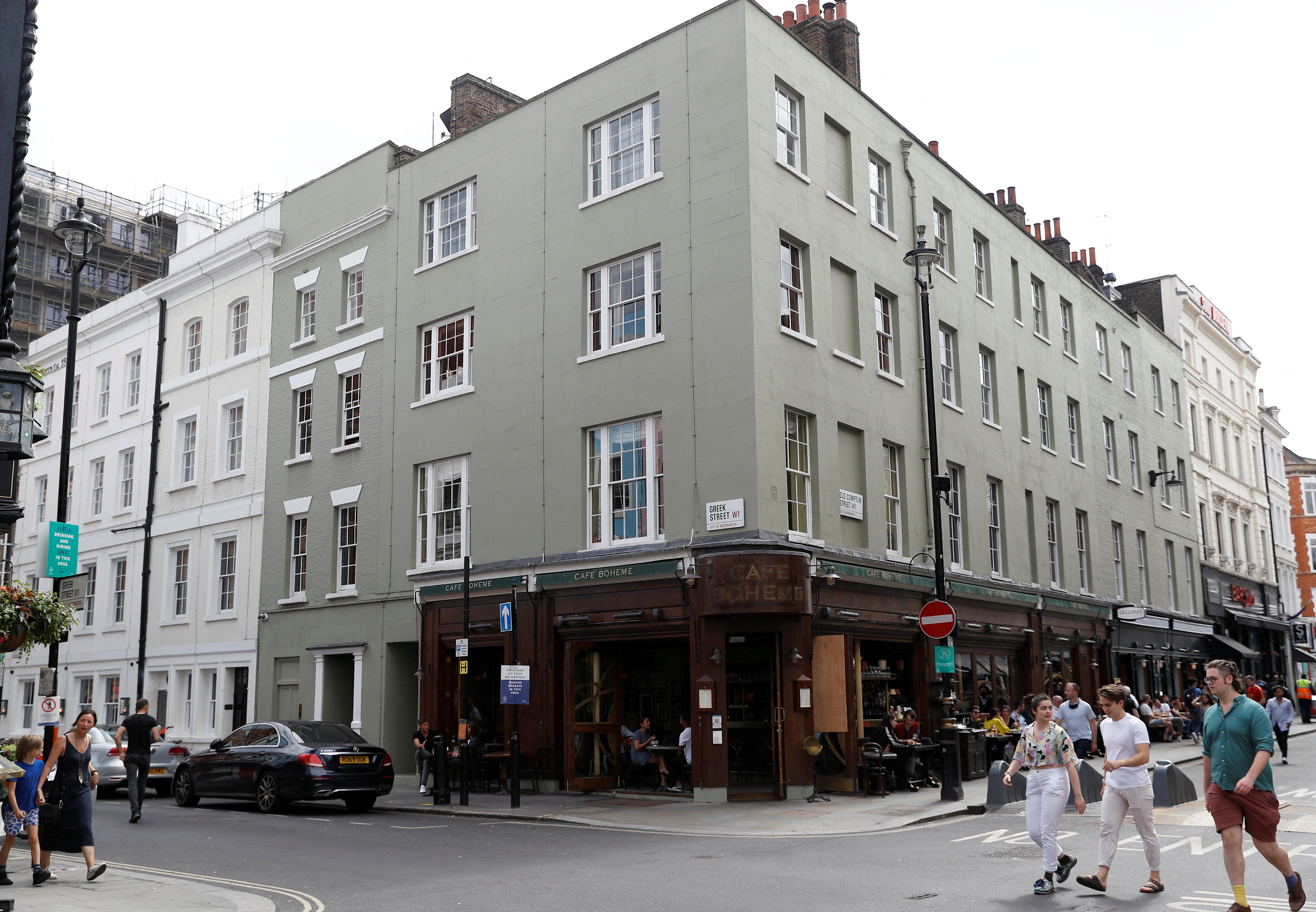
When Soho House first opened in 1995 on London’s Greek Street, the member’s club, nestled inside a Georgian House above founder Nick Jones’s restaurant, Cafe Boheme, was intended to provide a home away from home for the creative elite who worked in the area. “I just wanted people to go in, have fun and meet each other,” Jones said of the founding ethos for the club.
Today, things look wildly different from Jones’s original vision. Soho House is now an international a chain – a sort of Prezzo of ”you’re not on the list” institutions – with more than 40 locations worldwide. New Houses are opening imminently in Tokyo, Milan, Madrid, and Sydney and the brand is also set to venture to California’s Coachella Valley; handily nearby to the influencer-heavy musical festival that takes place there every year and has previously been lampooned for charging $64 (£48) for two coffees and two burritos.
While Soho House was once the epitome of cool – in the Nineties if you weren’t bumping into Jude Law in The Circle Bar were you even there – grumbles about the club have been building for years now. Overcrowding (over 210,000 members), long waits for tables (despite annual fees that can reach up to £4,500), and uninterested staff have all been common gripes – to the point where the group was forced to temporarily halt new members in New York and London entirely in 2024.
It looked like punter frustration had them on the rocks, careering towards a fate of further losses. Yet, just two years later, a £2 billion sale of the public share of the company to return it to private ownership has former members questioning whether its on the brink of a return to its Nineties heyday.
The £2 billion sale was spearheaded by MCR hotels group, withThe Butterfly Effect star Ashton Kutcher also joining the board of directors. The actor-turned-investor hasn’t been seen in a Hollywood film since 2023 – the same year he made headlines for writing a letter of support for hisThat 70’s Show co-star Danny Masterson, claiming he was an “exceptional character” while he was on trial for the rape of two women. Kutcher later expressed regret for vouching for the actor, alongside his wife Mila Kunis, in a video fans branded “incredibly insulting“.
Kutcher was also criticised by fans for his historic association with Sean ‘Diddy’ Combs, after the rapper was found guilty of transportation for the purposes of prostitution. Existing Soho House shareholders, including Ron Burkle (an American businessman who reportedly injected millions into Diddy’s clothing line Sean John), Ivy Collection boss Richard Caring and Jones have also retained their stakes in the company.

Thirty-three year-old writer Grace has been enjoying the club feeling a bit quieter of late. “There used to be a literal queue for the treadmills at Shoreditch gym in the mornings and now there isn’t,” she says. “I wouldn’t say it feels ‘special’ in London – but the Houses are convenient and a good option – you will have a solid time at Greek Street or 180 on a Friday night...but it might not be one for the memory books.”
“The pool is still hectic – not as bad as it was,” she adds. “But there are still too many rules in place: you need to book ahead in summer, and then when you get there they give you a lame wristband for your time slot. I think this misses the whole point of a members club,” Grace reflects on the strict system. “You should be able to rock up when you want.”
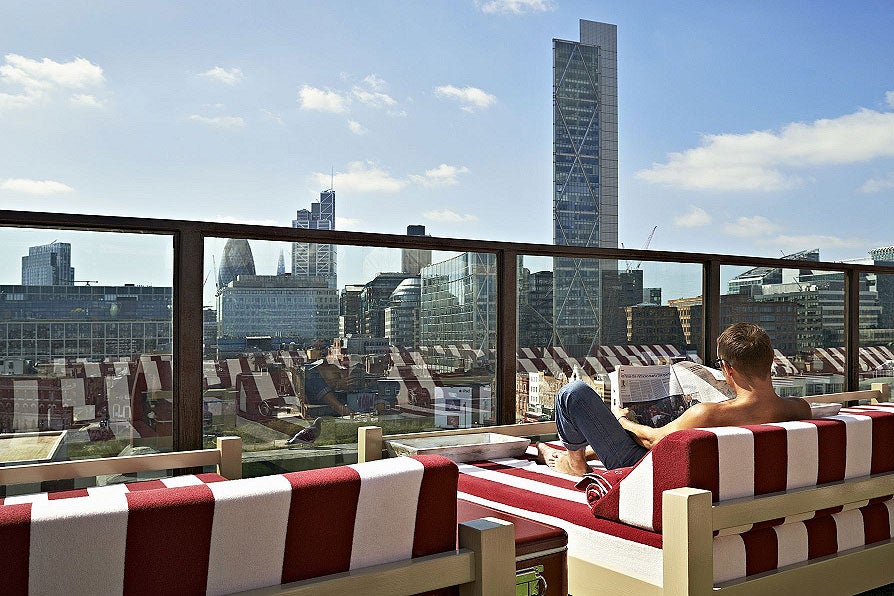
Pools are often a point of contention. Twenty-nine year-old Lauren was accepted as a member at London’s White City house during one of the most intense London heat waves. “I thought, ‘Great. I can go and use the rooftop,” she says. “But you had to join the queue and then wouldn’t necessarily get a sun lounger. It was just too busy. Everyone had the same idea and it was not a big enough pool. So, that wasn’t happening.”
It’s a similar story in Miami, where – despite there being 500 loungers – a TikTok user shared a video of members lying out on the beach on their towels because nowhere else was available. “They ran out of beach chairs and had guests just lay on the sand,” they wrote of the desperate response. “What is the point in paying to lay on a public beach?”
“Some [staff] were lovely but I always felt like a bit of a nuisance – maybe it’s different if you’re a celebrity,” Lauren reflects of her experience. “I always felt like I was a bit of a hassle just by being there...like I was being judged all the time – by other members too, I thought it could be a good place to network – but no one really talked to each other at all.”
Would she go back if Soho House returned to its heyday? “If it went down in price a lot,” Lauren reasons. “It’s not worth £250 a month...and if it ever was ‘cool’ to be a member there, I really don’t think it is anymore.”
Popular podcasters Ally Mac and Georgia Forsyth-Read would agree. Although the pair, on their podcast Leave a Message, said they’d had fun singing and dancing while “s**t faced” at a Soho House Friday night event, they ultimately declared their attendance was “embarrassing”.
“I just really despise the fact that that terrace little terrace is so congested,” Ally said of the original Greek Street house’s cramped alfresco area. “Its like a f*****g motorway up there.”
PR consultant Lauren O’Connor also ditched her membership after she grew tired of overcrowding and started to question what she was paying for.
In an age of eternal small plates restaurant recommendations on Instagram and TikTok, she’s now enjoying the diversity of trying new openings and areas over always returning to one place that never had a table for her, anyway. “There’s never a go-to,” she says.
When I ask current Soho House members what keeps them forking out the monthly fee, their answer is always the same: The gym, which can work out cheaper than other luxury options like Third Space or Equinox.
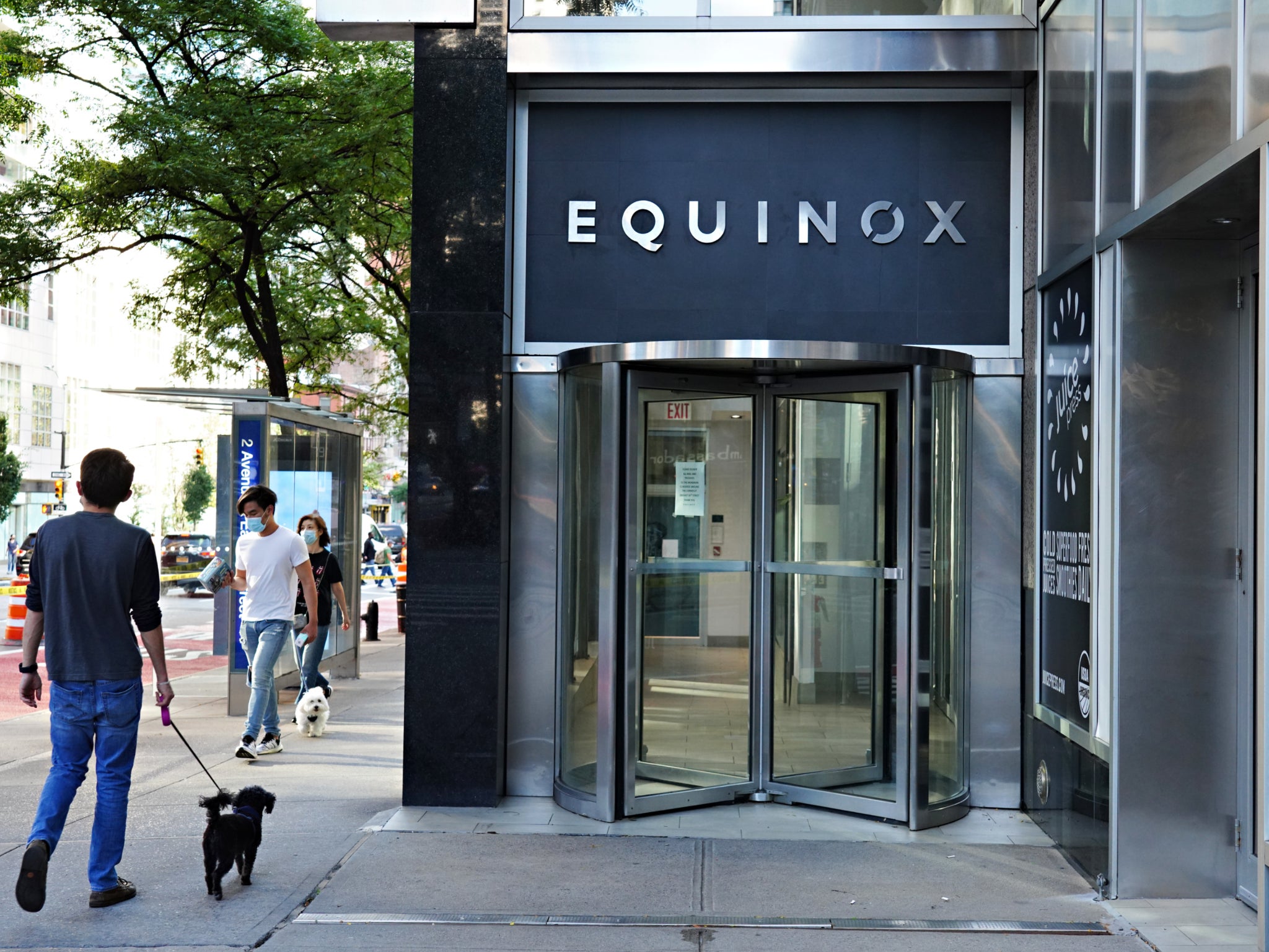
A once buzzy members club being reduced down to its weight machines is a worrying sign of how far things have come from its glory years.
But then, arguably, society has moved on too. Wellness is cool in the way it wasn’t in the Nineties and early Noughties – and messy nights out have become regrettable for many, rather than a rite of passage.
The fact that the group plans to host its first international Wellness Summit in Miami in 2026, where it will open another Soho Health Club, might sound like a departure from its roots, but could prove a smart move.
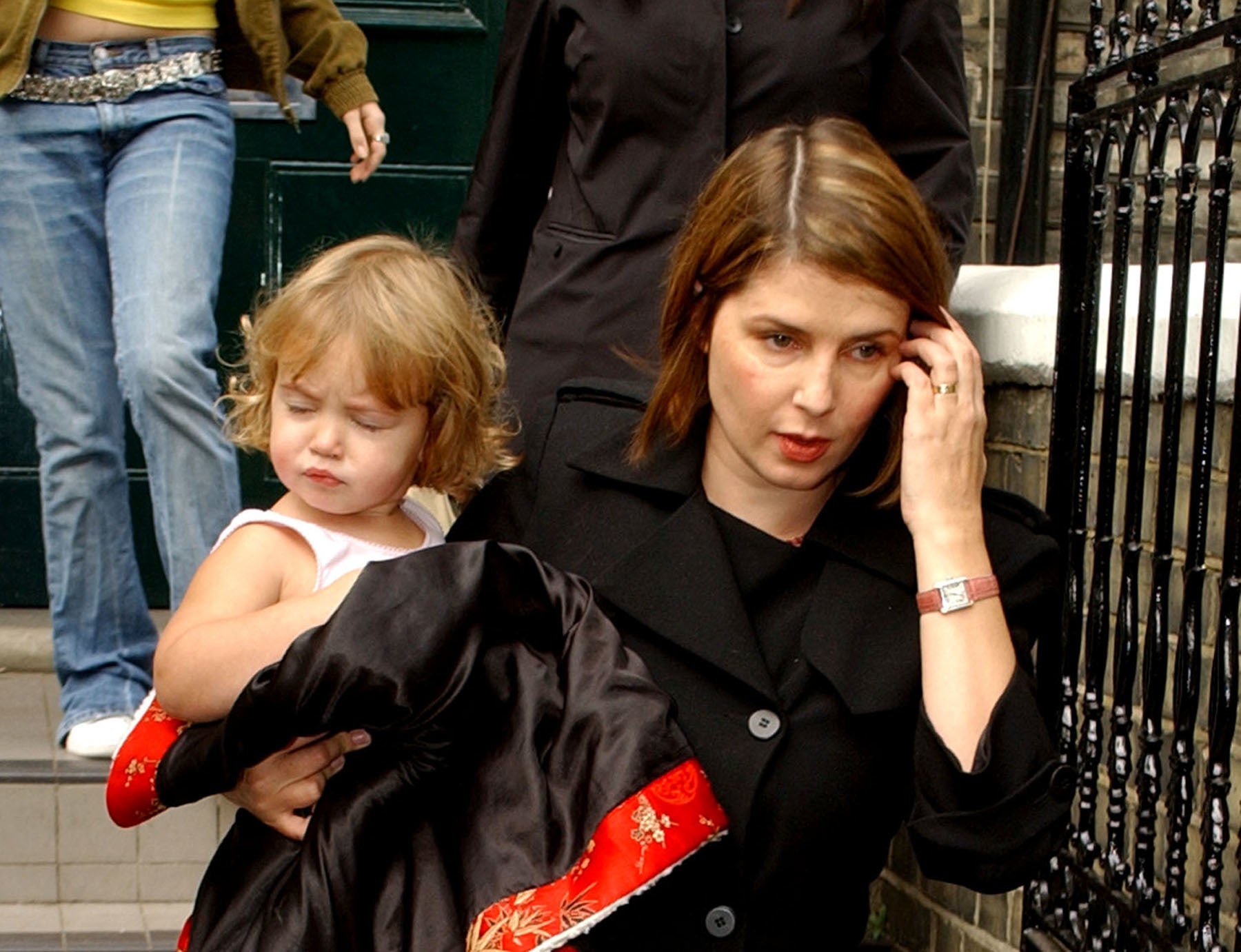
Lest we forget back in 2002, when celebrities were still fighting to join Soho House, that Jude Law and Sadie Frost’s then two-year-old daughter Iris picked up an ecstasy pill left behind on the floor of the Greek Street club while attending a children’s birthday party and ate it.
If that happened today in 2026, it’s hard to imagine the fall out would be so forgiving. The club subsequently has removed all flat surfaces from its toilets and introduced a “one in, one out” cubicle policy as part of an anti-drugs code.
The Soho House demographic has shifted with the times, too. The membership club’s Cool Britannia era felt like a narrow white-certain-type demographic.
Thankfully, the brand has since committed to a wider and much more inclusive client base. “We love an even split of men and women, ethnicity and background mixes,” CEO Andrew Carnie told Fortune in 2024, adding it relies on “committees” of local members to ensure a balance.
Still, the complaints about overcrowding continue to endure and the bray of finance bros is inescapable. From the members to the management board – the money men have arrived.
But this is maybe also a wider reflection of how Soho itself has shifted too. Thanks to sharp rent increases and the financial shock of the pandemic, the area has lost some of its independent DNA. It’s become more Gails than G-A-Y, once one of Soho’s buzziest nightlife venues for the after-hours party crowd.

And perhaps, the shift in Soho House’s vibe is emblematic of a wider issue at hand: dwindling careers in the creative arts – as people are either priced out or shoved out of creativity by astronomical living costs and AI. The original Soho House crowd is fading away, giving way to the last ones standing in gilets and quarter zip jumpers, who still have money and jobs.
“I think the core market of creatives, who Soho House originally wanted as members, are the ones who’re leaving,” says Lauren of the scene shift. “They’re going to be replaced with finance bros – you can already see it happening in New York... People will just go somewhere else.”
A spokesperson for Soho House said: “We strongly reject the suggestion that these isolated and unverified claims reflect the experience of our members. We have a very loyal and engaged membership community in 50 countries across the world, and the overwhelming feedback we receive about our Houses, events, facilities and atmosphere is extremely positive.
“Our rooftop pools, private beaches and outdoor terraces are unique to Soho House and loved by members.
“Our priority is to ensure these areas run smoothly with reservations managed through a booking system – especially during peak times – to deliver the best experience for members. We consistently encourage our members to share feedback so we can act on it.”
The genius of Soho House has always been to provide a welcome retreat from the daily grind. And as the world grows more unstable and volatile, that need is greater than ever. It may never recreate the good times of the Nineties, but there will always be a place for anywhere that brings some joy and light in these dark days.