


 Africana55 Radio

This website uses cookies so that we can provide you with the best user experience possible. Cookie information is stored in your browser and performs functions such as recognising you when you return to our website and helping our team to understand which sections of the website you find most interesting and useful.
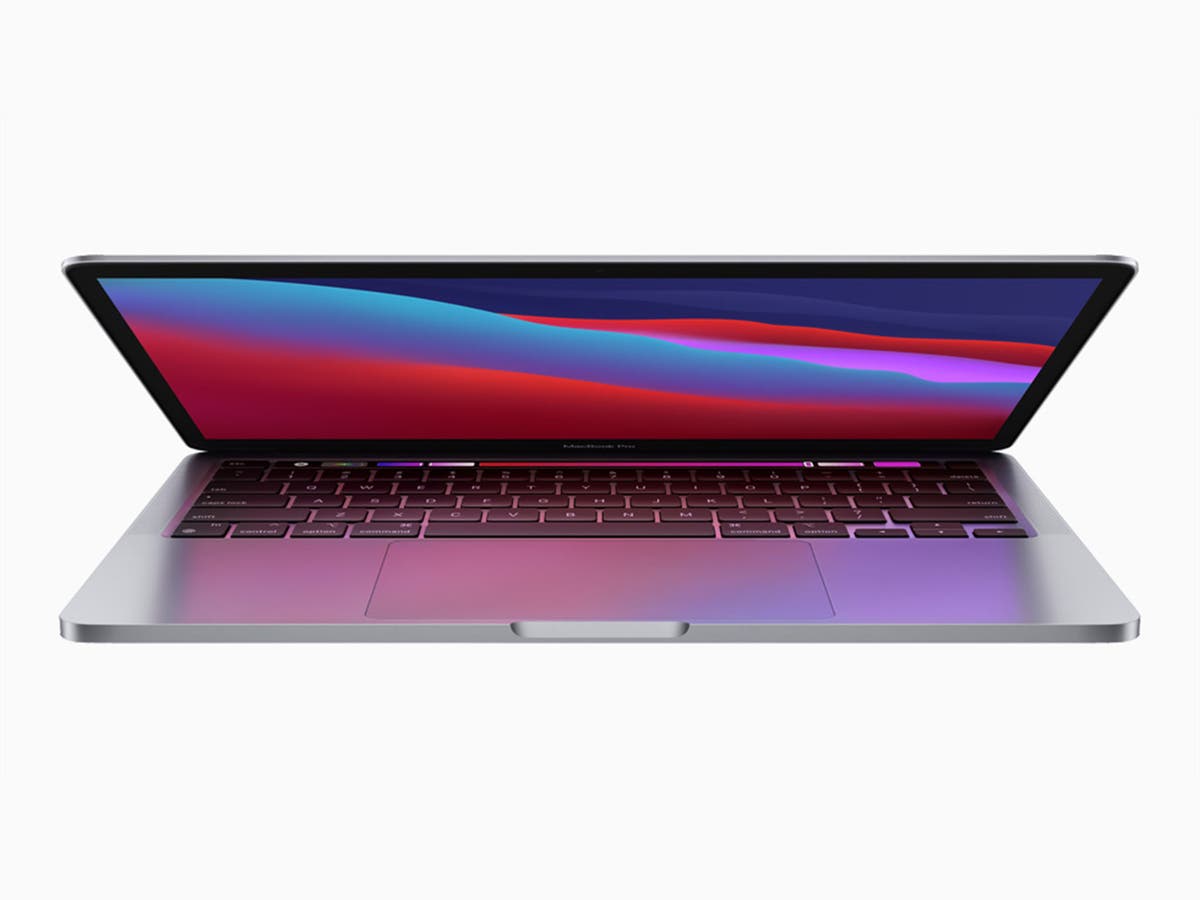
Security researchers have discovered a piece of malware called Silver Sparrow on 30,000 Mac computers, including those with Apple’s latest M1 chips.
Instead, spreading across 153 countries, the malware is designed to deliver a payload that the researchers have yet not discovered.
It also has a system in place to self-destruct - hiding its existence totally.
As Ars Technica reports, infected computers check a server every hour to see if there are any new commands from malicious individuals to execute.
The malware is even stranger due to the fact it uses the macOS Installer JavaScript API to execute commands, which makes it hard to analyse the contents of the package.
When the malware is executed, all that the researchers found were two messages: for computers using Intel chips, the malware displays the words “Hello World!”, while for M1 Macs it says “You did it!”
The researchers hypothesise that these are simply placeholders for a later execution.
“We’ve found that many macOS threats are distributed through malicious advertisements as single, self-contained installers in PKG or DMG form, masquerading as a legitimate application—such as Adobe Flash Player—or as updates”, the researchers describe.
Apple has already revoked the binaries that could be mean users accidentally install the malware.
“To me, the most notable [thing] is that it was found on almost 30K macOS endpoints... and these are only endpoints the MalwareBytes can see, so the number is likely way higher,” says Patrick Wardle, a macOS security expert, according to Ars Technica.
“That’s pretty widespread... and yet again shows the macOS malware is becoming ever more pervasive and commonplace, despite Apple’s best efforts.”
Between 2018 and 2019, there was a 400 per cent increase in Mac threats - twice the average of Windows computers.