


 Africana55 Radio

This website uses cookies so that we can provide you with the best user experience possible. Cookie information is stored in your browser and performs functions such as recognising you when you return to our website and helping our team to understand which sections of the website you find most interesting and useful.
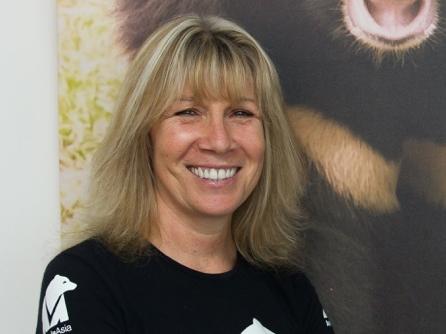
The founder of one of the most prominent global wildlife charities, has expressed her “100 per cent support” for The Independent’s campaign to ban the wildlife trade, and said that only the closure of live animal markets worldwide will reduce the risk of disease.
Speaking to The Independent, Dr Jill Robinson MBE, whose organisation Animals Asia Foundation campaigns on animal welfare, called live animal markets “dirty, dangerous places” that cannot be properly regulated, especially in countries where “no animal welfare regulations exist, or are poorly enforced if they do”.
On 4 March, the Chinese government published a list of recommended remedies for Covid-19, which included bear bile. Animals Asia campaigns to end the bear bile trade, and runs two bear sanctuaries in China and Vietnam where they rehouse abused animals from bile farms.
Dr Robinson founded the organisation in 1998 after a visit to a bear bile farm in Guangdong, China. They have now rescued 632 bears in total and run an international public information campaign on the danger of wildlife trafficking and abuse.
Bear bile has been in use in Chinese traditional medicine for centuries. The active ingredient, ursodeoxycholic acid, is often used to treat liver diseases. It is available across the world as a synthetic drug.
Created with Sketch.
Created with Sketch.
1/17 Amur Leopard
Endemic to the far east of Russia, the Amur Leopard has a population of around 84 and is critically endangered. Here follows every species that the WWF lists as critically endangered.
Getty
2/17 Sumatran Elephant
The Sumatran elephant population now stands at only 2400-2800
Getty
3/17 Yangtze Finless Porpoise
Endemic to China's Yangtze River, the Yangtze finless porpoise has an estimated population of 1000-1800
Kenichi Nobusue
4/17 South China Tiger
When discovered in the 1950s, the South China tiger population was estimated to be 4000, by 1996 it was estimated to be only 30-80. Scientists consider the tiger to be "functionally extinct" as one has not been sighted for over 25 years
5/17 Sumatran Orangutan
The Sumatran orangutan was once found across the island of Sumatra and even further south on Java. Today it is found only in the island's north and its population stands at 14,613
Getty
6/17 Western Lowland Gorilla
Though it is the most populous of all gorilla subspecies, the western lowland gorilla is still critically endangered and its population has declined by 60% in the last quarter century
Getty
7/17 Sumatran Rhinoceros
The Sumatran rhinoceros is the smallest of the surviving rhinoceros species. Only 80 are known to be living today. The last male Sumatran rhino in Malaysia died on 28 May 2019
Willem V Strien
8/17 Sumatran Tiger
There are fewer than 400 Sumatran tigers left today. They are severely threatened by deforestation and poaching
Getty
9/17 Eastern Lowland Gorilla
Half of the rainforest of the Democratic Republic of Congo in which these gorillas live has been destroyed the past 50 years. There were 17,000 Eastern Lowland gorillas in the 1990s but scientists estimate their population has declined by over 50% since then
Getty
10/17 Vaquita
The world's rarest marine animal has a population of only 30. They were discovered in 1958 and are endemic to Mexico's Gulf of California
Paula Olson / NOAA
11/17 Javan Rhino
The most threatened of all rhino species, there are only an estimated 58-68 Javan rhinos left
Reuters
12/17 Saola
The saola was first sighted in 1992, being the first large mammal to be discovered in over 50 years. Scientists have only sighted saola in the wild four times and it is considered critically endangered
13/17 Malayan Tiger
The Malayan Tiger population now stands at only 250-300
Getty
14/17 Hawksbill Turtle
The population of the Hawksbill Turtle has declined by more than 80% in the last century. They are threatened by black market poachers who kill them for their shell
Getty
15/17 Black Rhino
The population of the black rhino dropped by 98% in the years 1960-1995 due to poaching, it stands today at around 5000
Getty
16/17 Cross River Gorilla
The population of the Cross River gorilla has been damaged by deforestation and poaching, it now stands at 200-300
Julie Langford
17/17 Bornean Orangutan
The population of the Bornean orangutan has been reduced by over 50% in the past 60 years, now standing at around 104,700. Their habitat has been reduced by at least 50% in the 21st century
Getty
1/17 Amur Leopard
Endemic to the far east of Russia, the Amur Leopard has a population of around 84 and is critically endangered. Here follows every species that the WWF lists as critically endangered.
Getty
2/17 Sumatran Elephant
The Sumatran elephant population now stands at only 2400-2800
Getty
3/17 Yangtze Finless Porpoise
Endemic to China's Yangtze River, the Yangtze finless porpoise has an estimated population of 1000-1800
Kenichi Nobusue
4/17 South China Tiger
When discovered in the 1950s, the South China tiger population was estimated to be 4000, by 1996 it was estimated to be only 30-80. Scientists consider the tiger to be "functionally extinct" as one has not been sighted for over 25 years
5/17 Sumatran Orangutan
The Sumatran orangutan was once found across the island of Sumatra and even further south on Java. Today it is found only in the island's north and its population stands at 14,613
Getty
6/17 Western Lowland Gorilla
Though it is the most populous of all gorilla subspecies, the western lowland gorilla is still critically endangered and its population has declined by 60% in the last quarter century
Getty
7/17 Sumatran Rhinoceros
The Sumatran rhinoceros is the smallest of the surviving rhinoceros species. Only 80 are known to be living today. The last male Sumatran rhino in Malaysia died on 28 May 2019
Willem V Strien
8/17 Sumatran Tiger
There are fewer than 400 Sumatran tigers left today. They are severely threatened by deforestation and poaching
Getty
9/17 Eastern Lowland Gorilla
Half of the rainforest of the Democratic Republic of Congo in which these gorillas live has been destroyed the past 50 years. There were 17,000 Eastern Lowland gorillas in the 1990s but scientists estimate their population has declined by over 50% since then
Getty
10/17 Vaquita
The world's rarest marine animal has a population of only 30. They were discovered in 1958 and are endemic to Mexico's Gulf of California
Paula Olson / NOAA
11/17 Javan Rhino
The most threatened of all rhino species, there are only an estimated 58-68 Javan rhinos left
Reuters
12/17 Saola
The saola was first sighted in 1992, being the first large mammal to be discovered in over 50 years. Scientists have only sighted saola in the wild four times and it is considered critically endangered
13/17 Malayan Tiger
The Malayan Tiger population now stands at only 250-300
Getty
14/17 Hawksbill Turtle
The population of the Hawksbill Turtle has declined by more than 80% in the last century. They are threatened by black market poachers who kill them for their shell
Getty
15/17 Black Rhino
The population of the black rhino dropped by 98% in the years 1960-1995 due to poaching, it stands today at around 5000
Getty
16/17 Cross River Gorilla
The population of the Cross River gorilla has been damaged by deforestation and poaching, it now stands at 200-300
Julie Langford
17/17 Bornean Orangutan
The population of the Bornean orangutan has been reduced by over 50% in the past 60 years, now standing at around 104,700. Their habitat has been reduced by at least 50% in the 21st century
Getty
In their statement on coronavirus published in March, Animals Asia stated that “we shouldn't be relying on wildlife products like bear bile as the solution to combat a deadly virus that appears to have originated from wildlife”.
The coronavirus emerged in Wuhan, China in late 2019. A study published in medical journal, The Lancet, found that 27 of the initial 41 people who became infected with the coronavirus in the city had been exposed to Huanan Seafood Wholesale Market. However in the earliest case, the patient had no reported contact with the market and in total 13 of the 41 cases had no link to it.
Although there are conflicting theories as to Covid-19’s source, researchers agree that the virus made the jump from an animal to a human in a “zoonotic spillover” event.
Dr Robinson said: “We urgently support the humane and responsible alternatives to bear bile that will prevent the ongoing exploitation and utilisation of both captive and wild caught bears, and continue to offer help and resources for the bears themselves when the farms close.”
“With so many herbal and synthetic alternatives now available to replace bear bile we believe that the time has come to be more proactive in protecting all bear species across Asia.”
They also express their hope that recent restrictions, such as those against the consumption of cats and dogs in the Chinese cities of Shenzhen and Zhuhai, will expand to include protections for bears.
Dr Robinson is proud of how Animals Asia has responded to the coronavirus challenge. During the strict lockdown of Hubei province, the organisation worked with local groups to deliver food for cats and dogs in Wuhan.
“This has been a testing time for all NGOs of course and Animals Asia is no different”, adds Dr Robinson. “We continue to put out appeals to help with the day to day operation of our sanctuaries, as well as towards rescuing more bears from bile farms in Vietnam.”
In a blog post from April, Dr Robinson condemned the trade of wild animals, writing: “From Sars to Covid-19, from Ebola to Mers, to HIV – the global wildlife trade has its roots in every one of these infections and the whole world must take responsibility for the tragic consequences we are seeing today.”
She goes on to describe the live markets visited by her and her team, like those in Indonesia on which The Independent reported last month. “Breathing in the dust baked bacteria emerging from every cage stacked high of miserable species within.
“This melting pot of disease sees the worst abuse of wild, domestic and endangered species as row upon row of sick and dying animals stare miserably out from chicken wire and bars, shedding the consequential diseases of their stress and cruel treatment.”
When asked about The Independent’s #BanWildlifeTrade campaign, she responds that she is “in 100 per cent support”.
She continues: “This is clearly a responsible way to look to the future with increased confidence that emerging viruses will have less places to multiply, which is surely what the world is looking for in reducing the risk of disease.”
Neither is she naive about the economic cost of disrupting what is, in China alone, a $74bn (£61bn) industry. She urges compensation for farmers and investment in re-training, before concluding that these costs “pale into insignificance compared with the tragic loss of so many lives and the estimated trillions that Covid-19 will cost”.