


 Africana55 Radio
This website uses cookies so that we can provide you with the best user experience possible. Cookie information is stored in your browser and performs functions such as recognising you when you return to our website and helping our team to understand which sections of the website you find most interesting and useful.
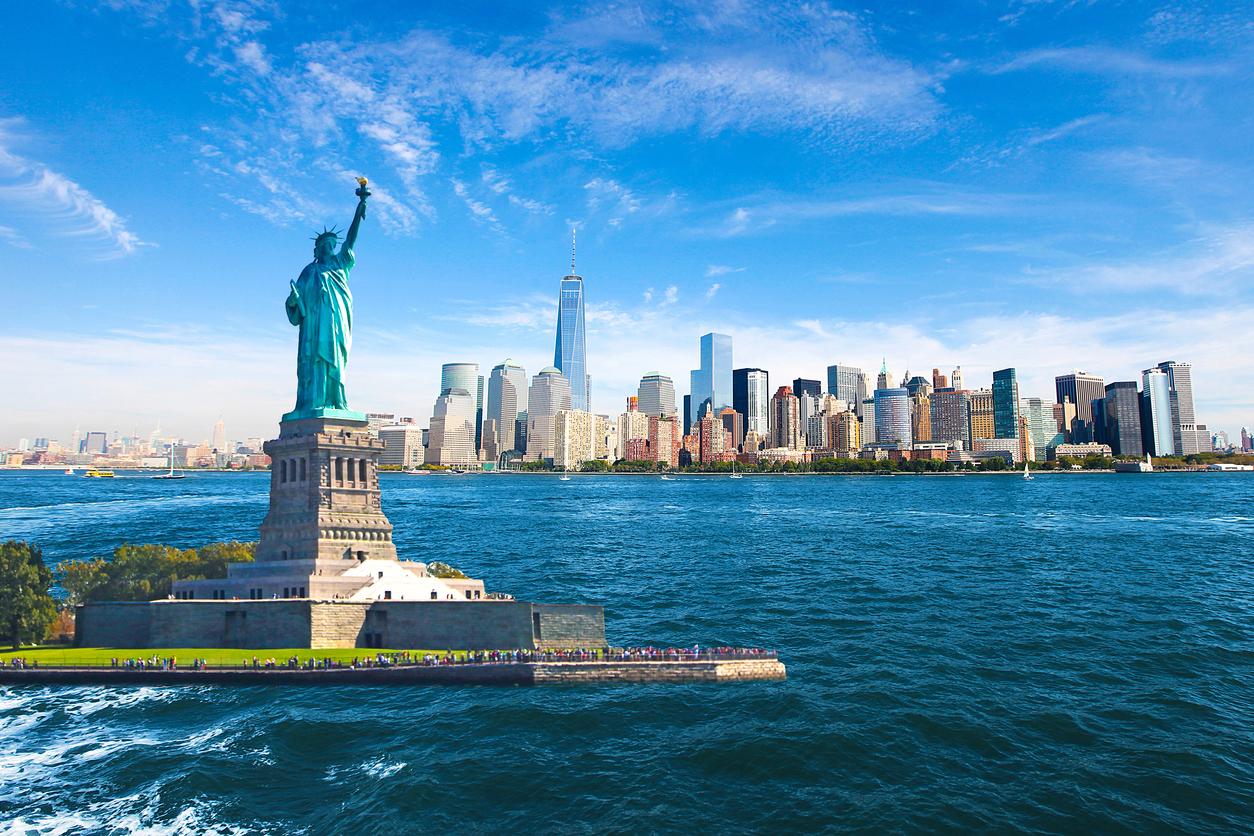
The US has finally lifted its blanket advisory warning citizens against all international travel – but the UK is still on the “high-risk” list.
Only a handful of countries – including New Zealand, Thailand and Fiji – have been classed as level 1, or “low risk” in terms of Covid-19, while destinations including the British Virgin Islands, Mauritius and Taiwan are designated “very low risk”.
Almost the entirety of North and South America, Europe and Africa are currently classed as level 3, or high risk.
The Centers for Disease Control and Prevention (CDC) recommends that travellers avoid “all nonessential travel” to level 3 countries.
“With health and safety conditions improving in some countries and potentially deteriorating in others, the department is returning to our previous system of country-specific levels of travel advice,” the CDC and the US state department said on 6 August.
The policy will see countries split into four categories related to coronavirus – high, moderate, low and very low risk – in order to “give travellers detailed and actionable information to make informed travel decisions”.
“This will also provide US citizens more detailed information about the current status in each country,” reads the advice.
It is currently unclear how the CDC is calculating the risk level of each country.
The UK has updated its own travel lists, with Belgium, Andorra and the Bahamas removed from both the list of countries exempt from quarantine for travellers arriving into England, and the Foreign Office list of destinations where its blanket warning against all non-essential travel has been lifted.
It follows a spike in confirmed coronavirus cases in the affected countries.
Created with Sketch.
Created with Sketch.
1/13
Two girls wash their hands with water from recycled bottles at a rudimentary hand-washing station at La Montana School, Bolivia. Similar hand-washing stations are in use in all schools in areas where water has become scarce
Unicef/Ashley Gilbertson VII Photo
2/13
Using a Unicef-supported water point, a woman and her husband wash their child outside their home in the village of Abdoya in Djibouti. Abdoya is in a remote zone, with a desert-like climate, and is home to hundreds of families who live with only a few natural resources
Unicef/Shehzad Noorani
3/13
Despite major issues of water scarcity in Jordan, Mahmoud is able to wash his hands and face using a storage tank provided by Unicef. He lives in the Baqa’a camp with his parents, brother and sister. The family are refugees from the Palestinian territories
Unicef/Sebastian Rich
4/13
Children in India are taken outside to wash their hands before they receive their mid-day meal. A healthcare worker ensures they are washing their hands correctly
Unicef/Ashima Narain
5/13
A child in Malawi uses sanitiser and a tippy tap – a device for hand washing that is operated by a foot lever
Unicef/Bennie Khanyizira
6/13
In the Domiz camp for Syrian refugees, in northern Iraq, a girl helps her brother to wash his hands with water from a tap. More than 30,000 refugees currently live in the camp
Unicef/Salam Abdulmunem
7/13
Children wash their hands at Escola Vila Verde in Timor Leste using a facility donated by Unicef
Unicef/Helin
8/13
During a household visit in a Sudanese village, a community health worker demonstrates how to wash hands using soap and water
Unicef/Shehzad Noorani -
9/13
A girl from the Warao community in Venezuela learns how to wash her hands correctly
Unicef/Roberto Montico
10/13
Pedrina Toj Sucup teaches her son, Sergio Romeo Toj Sucup, how to wash his hands in the community of Santa Ana Panquix, Guatemala
Unicef/Willocq
11/13
During their break, schoolgirls at Snor Kley school in Cambodia apply the good practices of hand washing they have learned, using water from the school's water and sanitation facility
Unicef/Bona Khoy
12/13
Access to basic sanitation has continued to improve in the Kamwenge district of Uganda
Unicef/Zahara Abdul
13/13
In Indonesia, a group of children in primary school sing a song about hand washing and the importance of cleanliness
Unicef/Shehzad Noorani
1/13
Two girls wash their hands with water from recycled bottles at a rudimentary hand-washing station at La Montana School, Bolivia. Similar hand-washing stations are in use in all schools in areas where water has become scarce
Unicef/Ashley Gilbertson VII Photo
2/13
Using a Unicef-supported water point, a woman and her husband wash their child outside their home in the village of Abdoya in Djibouti. Abdoya is in a remote zone, with a desert-like climate, and is home to hundreds of families who live with only a few natural resources
Unicef/Shehzad Noorani
3/13
Despite major issues of water scarcity in Jordan, Mahmoud is able to wash his hands and face using a storage tank provided by Unicef. He lives in the Baqa’a camp with his parents, brother and sister. The family are refugees from the Palestinian territories
Unicef/Sebastian Rich
4/13
Children in India are taken outside to wash their hands before they receive their mid-day meal. A healthcare worker ensures they are washing their hands correctly
Unicef/Ashima Narain
5/13
A child in Malawi uses sanitiser and a tippy tap – a device for hand washing that is operated by a foot lever
Unicef/Bennie Khanyizira
6/13
In the Domiz camp for Syrian refugees, in northern Iraq, a girl helps her brother to wash his hands with water from a tap. More than 30,000 refugees currently live in the camp
Unicef/Salam Abdulmunem
7/13
Children wash their hands at Escola Vila Verde in Timor Leste using a facility donated by Unicef
Unicef/Helin
8/13
During a household visit in a Sudanese village, a community health worker demonstrates how to wash hands using soap and water
Unicef/Shehzad Noorani -
9/13
A girl from the Warao community in Venezuela learns how to wash her hands correctly
Unicef/Roberto Montico
10/13
Pedrina Toj Sucup teaches her son, Sergio Romeo Toj Sucup, how to wash his hands in the community of Santa Ana Panquix, Guatemala
Unicef/Willocq
11/13
During their break, schoolgirls at Snor Kley school in Cambodia apply the good practices of hand washing they have learned, using water from the school's water and sanitation facility
Unicef/Bona Khoy
12/13
Access to basic sanitation has continued to improve in the Kamwenge district of Uganda
Unicef/Zahara Abdul
13/13
In Indonesia, a group of children in primary school sing a song about hand washing and the importance of cleanliness
Unicef/Shehzad Noorani
France is also on the government’s “watch list” after an increase in infections.
US “very low” risk destinations
British Virgin Islands
Brunei
Cayman Islands
Dominica
Falkland Islands
French Polynesia
Greenland
Laos
Macau SAR
Mauritius
New Caledonia
Taiwan
Timor-Leste
US “low” risk destinations
Bonaire
Fiji
New Zealand
Saba
Saint Barthelemy
Sint Eustatius
Thailand
All other destinations are classed as level 3 – “high” risk