


 Africana55 Radio

This website uses cookies so that we can provide you with the best user experience possible. Cookie information is stored in your browser and performs functions such as recognising you when you return to our website and helping our team to understand which sections of the website you find most interesting and useful.
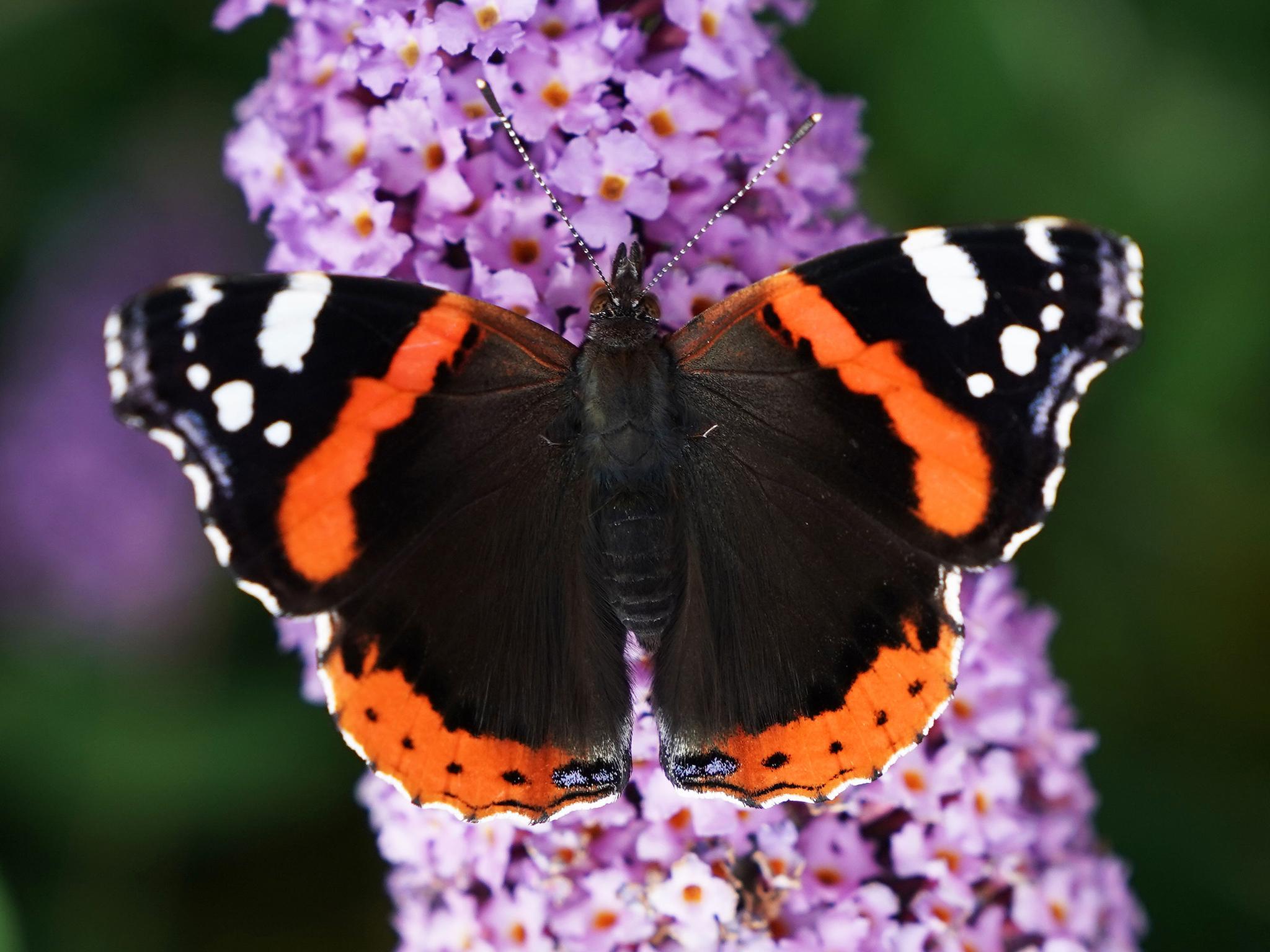
Wildlife is being confused by “lost” winters, conservationists warn as butterflies, newts and nesting blackbirds are spotted earlier than normal.
The latest data from Nature's Calendar, which asks members of the public to record signs of the changing seasons, shows that active butterflies and newts and blackbirds building a nest have already been spotted months before normal.
Analysis of the conditions in 2019 found that all but one of the 50 spring events tracked by the scheme were early last year, amid warmer winter temperatures.
The Woodland Trust, which runs the Nature's Calendar scheme, warns that many species are losing their seasonal cues as winters warm and seasons shift.
Some could be tempted out of hibernation too soon, and be hit by plummeting temperatures amid increasingly erratic weather, while some birds appeared to be breeding too late to make the most of vital food sources, the Trust said.
Created with Sketch.
Created with Sketch.
1/23 Winner: Habitat
Flock of rock doves flying near Burley in Wharfedale, West Yorkshire
Rich Bunce/SWNS
2/23 Winner: Animal Portraits
Small-spotted catshark capture in Loch Fyne, Argyll and Bute
Mark Kirkland/SWNS
3/23 Overall winner
Grey heron in London
SWNS
4/23 Winner: British Seasons
Blue tit in autumn in Rendham, Suffolk
Paul Sawer/SWNS
5/23 Winner: Wales Coast and Marine
Plaice captured off Criccieth Beach, Gwynedd
PA
6/23 Winner: Scotland Coast and Marine
Seal captured off the Isle of Coll, Inner Hebrides Argyll and Bute
Alex Mustard/SWNS
7/23 Winner: 12-18 age group
Spiny starfish in Falmouth, Cornwall
Jacob Guy/SWNS
8/23 Winner: Under 12s
Razorbill on Skokholm Island, Pembrokeshire
Ollie Teasdale/SWNS
9/23 Winner: Northern Ireland Coast and Marine
Mauve stinger in Malin Beg, County Donegal
Trevor Rees/SWNS
10/23 Winner: Hidden Britain
Garden spider in Reading, Berkshire
Alan Smith/SWNS
11/23 Winner: Wild Woods
European larch in The Roaches, Staffordshire
Dave Fieldhouse/SWNS
12/23 Winner: England Coast and Marine
Stalked jellyfish and a rissoa snail in Kimmeridge Bay, Dorset
Paul Pettitt/SWNS
13/23 Winner: Documentary Series
Hedgehog in Cornwall
Lawrie Bailey/SWNS
14/23 Winner: Documentary Series
Hedgehog in Cornwall
Lawrie Bailey/SWNS
15/23 Winner: Documentary Series
Hedgehog in Cornwall
Lawrie Bailey/SWNS
16/23 Winner: Documentary Series
Hedgehog in Cornwall
Lawrie Bailey/SWNS
17/23 Winner: Documentary Series
Hedgehog in Cornwall
Lawrie Bailey/SWNS
18/23 Winner: Black and White
Marbled white butterfly in Darley Bridge, Derbyshire
Nicholas Court/SWNS
19/23 Winner: British Seasons
Blue tit in autumn in Rendham, Suffolk
Paul Sawer/SWNS
20/23 Winner: British Seasons
Blue tit in autumn in Rendham, Suffolk
Paul Sawer/SWNS
21/23 Winner: British Seasons
Blue tit in autumn in Rendham, Suffolk
Paul Sawer/SWNS
22/23 Winner: Botanical Britain
Bluebell in Worton Woods, Oxfordshire
Jack Mortimer/SWNS
23/23 Winner: Animal Behaviour
Common swift captured in Norwich
Robin Chittenden/SWNS
1/23 Winner: Habitat
Flock of rock doves flying near Burley in Wharfedale, West Yorkshire
Rich Bunce/SWNS
2/23 Winner: Animal Portraits
Small-spotted catshark capture in Loch Fyne, Argyll and Bute
Mark Kirkland/SWNS
3/23 Overall winner
Grey heron in London
SWNS
4/23 Winner: British Seasons
Blue tit in autumn in Rendham, Suffolk
Paul Sawer/SWNS
5/23 Winner: Wales Coast and Marine
Plaice captured off Criccieth Beach, Gwynedd
PA
6/23 Winner: Scotland Coast and Marine
Seal captured off the Isle of Coll, Inner Hebrides Argyll and Bute
Alex Mustard/SWNS
7/23 Winner: 12-18 age group
Spiny starfish in Falmouth, Cornwall
Jacob Guy/SWNS
8/23 Winner: Under 12s
Razorbill on Skokholm Island, Pembrokeshire
Ollie Teasdale/SWNS
9/23 Winner: Northern Ireland Coast and Marine
Mauve stinger in Malin Beg, County Donegal
Trevor Rees/SWNS
10/23 Winner: Hidden Britain
Garden spider in Reading, Berkshire
Alan Smith/SWNS
11/23 Winner: Wild Woods
European larch in The Roaches, Staffordshire
Dave Fieldhouse/SWNS
12/23 Winner: England Coast and Marine
Stalked jellyfish and a rissoa snail in Kimmeridge Bay, Dorset
Paul Pettitt/SWNS
13/23 Winner: Documentary Series
Hedgehog in Cornwall
Lawrie Bailey/SWNS
14/23 Winner: Documentary Series
Hedgehog in Cornwall
Lawrie Bailey/SWNS
15/23 Winner: Documentary Series
Hedgehog in Cornwall
Lawrie Bailey/SWNS
16/23 Winner: Documentary Series
Hedgehog in Cornwall
Lawrie Bailey/SWNS
17/23 Winner: Documentary Series
Hedgehog in Cornwall
Lawrie Bailey/SWNS
18/23 Winner: Black and White
Marbled white butterfly in Darley Bridge, Derbyshire
Nicholas Court/SWNS
19/23 Winner: British Seasons
Blue tit in autumn in Rendham, Suffolk
Paul Sawer/SWNS
20/23 Winner: British Seasons
Blue tit in autumn in Rendham, Suffolk
Paul Sawer/SWNS
21/23 Winner: British Seasons
Blue tit in autumn in Rendham, Suffolk
Paul Sawer/SWNS
22/23 Winner: Botanical Britain
Bluebell in Worton Woods, Oxfordshire
Jack Mortimer/SWNS
23/23 Winner: Animal Behaviour
Common swift captured in Norwich
Robin Chittenden/SWNS
Lorienne Whittle, Nature's Calendar citizen science officer said: “It seems that last year we almost lost winter as a season - it was much milder and our data shows wildlife is responding, potentially putting many at risk.
“Our records are showing random events such as frogspawn arriving far earlier than expected, possibly to be wiped out when a late cold snap occurs.”
She added: “It appears that some species are able to adapt to the advancing spring better than others.
“Oak trees respond by producing their first leaves earlier and caterpillars seem to be keeping pace.
“But blue tits, great tits and pied flycatchers are struggling to react in time for their chicks to take advantage of the peak amount of caterpillars, the food source on which they depend.”
This winter's surprise sightings include two December records of peacock butterflies in Kent and Cornwall, thought to have been woken early due to mild weather in the south of the country, and a red admiral in the Channel Islands.
Active newts were recorded in late December in Cheshire and a blackbird was spotted building a nest at the beginning of January.
Press Association