


 Africana55 Radio


This website uses cookies so that we can provide you with the best user experience possible. Cookie information is stored in your browser and performs functions such as recognising you when you return to our website and helping our team to understand which sections of the website you find most interesting and useful.

Want to bookmark your favourite articles and stories to read or reference later? Start your Independent Membership today.
Already a member? Log in
A 17-year-old boy who survived six days alone in dense bushland in the Australian state of Victoria did so by staying in one place, rationing his food and keeping warm, rescue experts have said.
The teenager, named only as William because his surname has not been released, disappeared on 6 November while camping with a friend near Walhalla East, about 180km (about 110 miles) east of Melbourne.
Police said he was last seen at about 4pm near Stoney Creek Road, between the towns of Cowwarr and Walhalla. He was found on Thursday, and officers winched him to safety and reunited him with his mother.
William had little camping experience, very limited supplies and little protection from the elements as daytime temperatures soared and overnight temperatures plummeted, but he rationed a single packet of chicken chips, kept hydrated, wrapped himself in blankets at night, stayed in one spot in clear view of search crews and sang John Denver's Take Me Home, Country Roads to keep his spirits up, ABC reported.
"Given the level of experience he had in the bush, he did absolutely what was appropriate and the best thing to do," Simin Ngan, co-convener of Bush Search and Rescue Victoria, told ABC.
Ms Ngan said staying warm and hydrated are two of the most important things to do when stuck in the bush, and that William did not push himself to keep going through terrain he was not used to when he was unsure how to navigate. "I think that was a key factor in his own survival," she said.
Gordon Dedman, a senior instructor at Bushcraft Survival Australia, told ABC Sydney that it was vital in an emergency not to "keep moving, and moving, and moving". "That makes it hard for rescue teams to find them," he said.
"He's kept his wits about him. He's done exactly the right thing," Mr Dedman said.
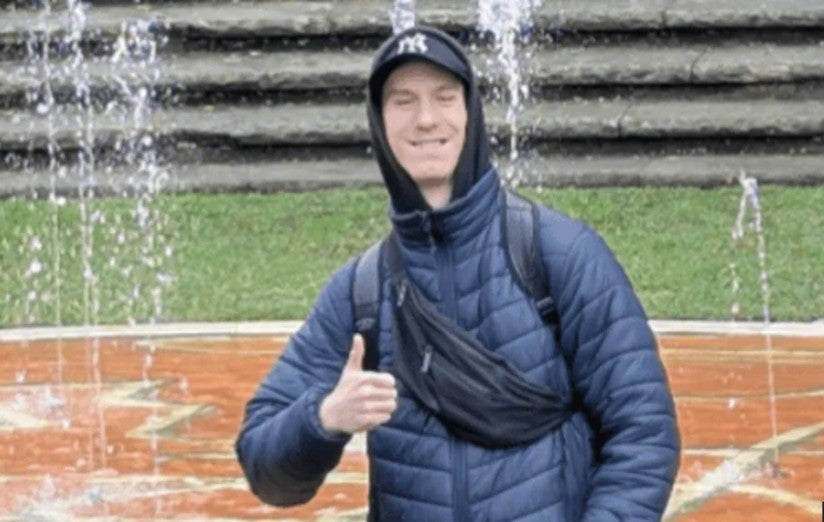
Victoria Police said William had been dropped off by his mother for the purposes of camping for the weekend, and that he walked a short distance to the drop-off location to retrieve further camping equipment.
When he failed to return shortly after, his friend searched the area but found no trace of him. He had left his phone, food and water at the campsite, which prompted a major search involving more than 100 people, police divers, sniffer dogs and helicopters.
A police helicopter crew conducting an aerial search of the Cowwarr area spotted his fishing tackle box in bushland about 2km from Stoney Creek on Wednesday morning, police said. Victoria Police acting inspector Jason Benbow said the helicopter crew later found William lying down and waving his arms at them.
Police said he was in good spirits and for the most part in good health, and his mother said he had only a few scratches. He was taken to hospital for monitoring. ABC later reported that he was recovering in hospital with severe sunburn, cuts to his leg, dehydration, a possibly damaged windpipe and low blood pressure.
Police said they were yet to establish how he survived six days without food, water or adequate clothing. "It doesn't happen all the time. I'm sure he's got a story to tell us soon, which we're very keen to hear," Victoria Police’s acting inspector Jason Benbow said.
His mother, Elizabeth, said she never lost hope of finding him alive and that she "knew in my heart he was still alive".
"I could feel it. I knew he wasn't gone," she said.
"He's doing fine. Everything seems to be fine. He's in perfect health," she said. "He just stayed in one spot and waited to be rescued and I'm just over the moon he's alive."
"He's never leaving the house again. He's grounded for life," she added.
William's family have said he has Level 2 autism. Autism360, an Australian advocacy group, says this level requires "substantial support" and that people with it may have marked deficits in verbal and non-verbal social communication and rely heavily on routines and predictable activities. Disruption can cause significant distress, the group says.