


 Africana55 Radio

This website uses cookies so that we can provide you with the best user experience possible. Cookie information is stored in your browser and performs functions such as recognising you when you return to our website and helping our team to understand which sections of the website you find most interesting and useful.
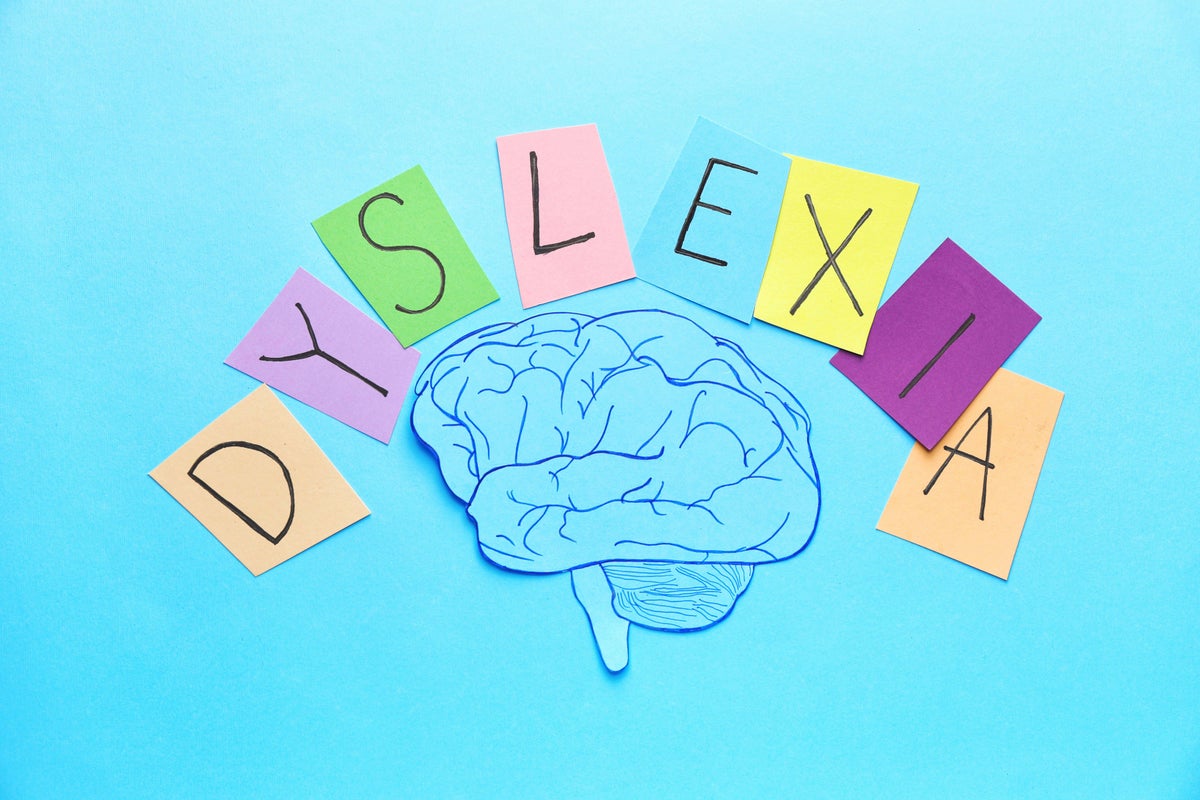
A new animated film has been developed to challenge negative attitudes and misconceptions about dyslexia, after research found that many children feel “hopeless” because of how the learning difference is often described.
The charity Made By Dyslexia, which is behind the animation, surveyed 5,000 dyslexic adults and young people, along with their parents and teachers, including 2,000 participants from the UK.
The findings showed that three-quarters of respondents felt that online information about dyslexia focuses too much on challenges with spelling, reading, and writing, while largely overlooking strengths such as problem-solving, creativity, and storytelling.
Meanwhile, nine out of ten participants said current descriptions negatively impact a child’s confidence in their future and more than half (55%) said terms like “lifelong learning disorder” and “word-blindness” can lead to feelings of hopelessness.
The animation, titled “What is dyslexia?”, tells the story of a young girl named Lola who is confronted with a discouraging view of her future after searching online about her dyslexia. The project has been in development for over a year and will premiere in London on Saturday.
We spoke to Kate Griggs, executive producer of the film and founder of Made By Dyslexia, who shared seven things she wishes everyone understood about dyslexia.
1. Dyslexia is a different way of processing information
“Dyslexia is a different way of processing information, and that comes with a pattern of challenges that most people associate with dyslexia such as difficulties with reading and spelling, and areas around literacy that people often find easy,” explains Griggs. “Maths can also be a challenge for dyslexic people.”
2. There are still lots of misunderstandings about dyslexia
“We spend most of our time at school thinking we’re not as good as everybody else as there’s still this misunderstanding that dyslexia somehow can mean you’re not as smart as other people, and that’s just absolutely not the case,” says Griggs. “It’s quite normal to not bounce out of school thinking that you’re absolutely brilliant, but I would say that learning more about dyslexia can really help with confidence.
“I would encourage people to learn about dyslexic thinking and the strengths that go with it, because the minute you start understanding those, it really will flip how you see dyslexia.”
3. A ‘spiky profile’ is an indication of dyslexia
“The real telltale sign of dyslexia is what we would call a ‘spiky profile’, which means that you’re really good at some things, much better than your peers or colleagues, but then you also are not very good at other things, and they’re often things that other people find really easy,” explains Griggs. “When you see that combination of superpowers and kryptonite, that’s a sign that you might be dyslexic.”
4. People can’t ‘grow out’ of dyslexia
“Dyslexia is a different way of processing information, so whether you’re nine or 90, you are still going to process information in that way,” says Griggs. “So, I think understanding that it’s a different way of thinking is the most important thing we can do at any age.”
She highlights that many people don’t realise they are dyslexic until later in life because it wasn’t picked up at school.
“There’s a statistic that 80% of dyslexic people leave school without their dyslexia being identified,” says Griggs. “Often it’s discovered when people have children who are struggling to learn in particular areas at school, which prompts the parent to start thinking, actually, that’s the way I was. Maybe I might be dyslexic.”
5. Dyslexia often runs in families
“Dyslexia is genetic and hereditary, so it often runs in families,” says Griggs. “It’s physically the way that your brain works, so just like creativity often runs in families, so does dyslexia.
“But that doesn’t mean if you are dyslexic, you will automatically have a dyslexic child. You’re likely to, but it doesn’t always happen.”
6. Dyslexia comes with a pattern of strengths
“What most people don’t know is that with dyslexia comes this massive pattern of strengths,” says Griggs. “Strengths around dyslexia include complex problem solving, creativity, innovation, people skills and emotional intelligence.
“Dyslexic thinking was added as a skill on LinkedIn and is now a sought-after skill in the workplace because these are really important valuable skills.”
7. People with dyslexia are often more curious
“I think the one thing that tends to flow through every dyslexic person is curiosity,” says Griggs. “People with dyslexia often try to find a different way of doing things, rather than actually settling for the status quo or what other people think is the right way.”