


 Africana55 Radio

This website uses cookies so that we can provide you with the best user experience possible. Cookie information is stored in your browser and performs functions such as recognising you when you return to our website and helping our team to understand which sections of the website you find most interesting and useful.
July is somewhat synonymous with the quintessential sunny holiday - it’s the peak of summer, the start of school holidays and high season in many places.
Tim Hentschel, CEO and co-founder of HotelPlanner.com, said July “continues to be one of the most sought-after months for travel, but in 2026 the decision-making process has become far more considered”.
“Travellers are no longer simply defaulting to the hottest destinations, they’re weighing up factors like comfort, crowd levels and overall experience.
“While Southern Europe remains a cornerstone of July travel, with its dependable sunshine and vibrant peak-season atmosphere, there’s a growing awareness around extremes.
“As a result, many travellers are broadening their horizons, mixing classic beach destinations with cooler, more spacious alternatives that offer a different pace.”
So where should you go this year?
Canada
July 1 marks Canada Day, celebrating independence, and fittingly, it’s also a great month to travel to the North American country.
The first of the month sees a lights and fireworks show at Niagara Falls, as part of the Niagara Parks Two Nation Celebration, or LeBreton Flats Park in Ottawa will also be hosting a free all-day event with Canadian musicians and activities.
From July 3-12, the not-for-profit Calgary Stampede in Calgary, Alberta, celebrates Western heritage and culture, featuring the world’s largest rodeo.
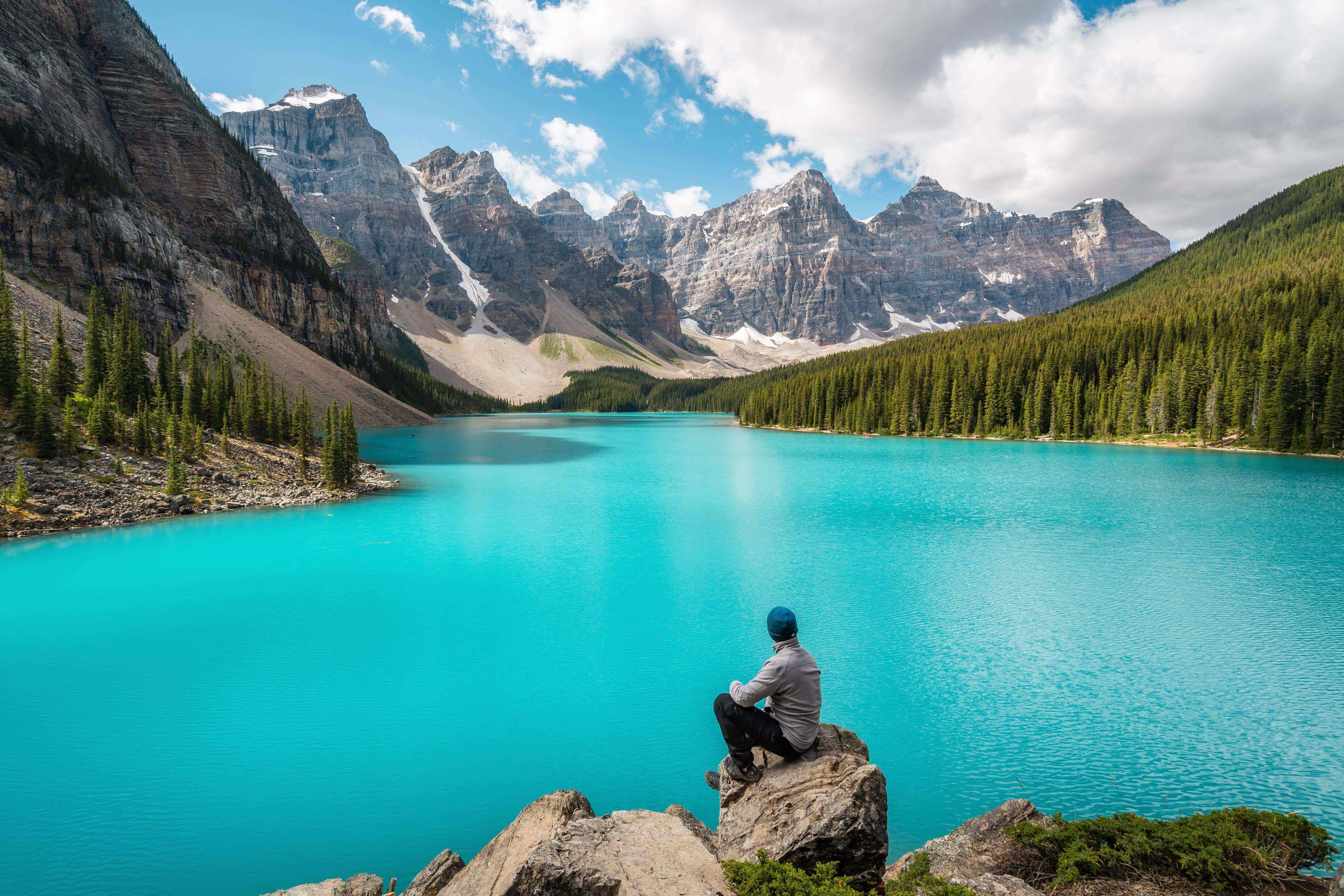
For nature-lovers, the scale of Canada’s great outdoors can feel unlike anywhere else in the world. The Rockies offer dramatic natural beauty in July, with long, sunny days for hiking, turquoise lakes and wildlife spotting for bears and elk.
Banff National Park, home to the popular and pristine Lake Louise, and Jasper National Park both offer accessible hiking trails with breathtaking views. But the less crowded Yoho (for rugged glacier trails) and Kootenay (for grasslands and rivers) in British Columbia, are well worth a visit, and the Yukon’s Ivvavik National Park offers arctic hiking experiences in the remote wilderness, off-the-grid wildlife viewing and a peek into the region’s Inuit culture, the communities’ traditional way of life still protected and practised today.
Slovenia
When the beaches of western Europe are swarming in the summer heat, look further east.
Sam Bruce, co-founder of Much Better Adventures, says: “We see a lot of our customers (adventure travellers who are typically allergic to crowds) tend to look beyond the classic tourism spots to lesser-visited destinations – or those with more space.
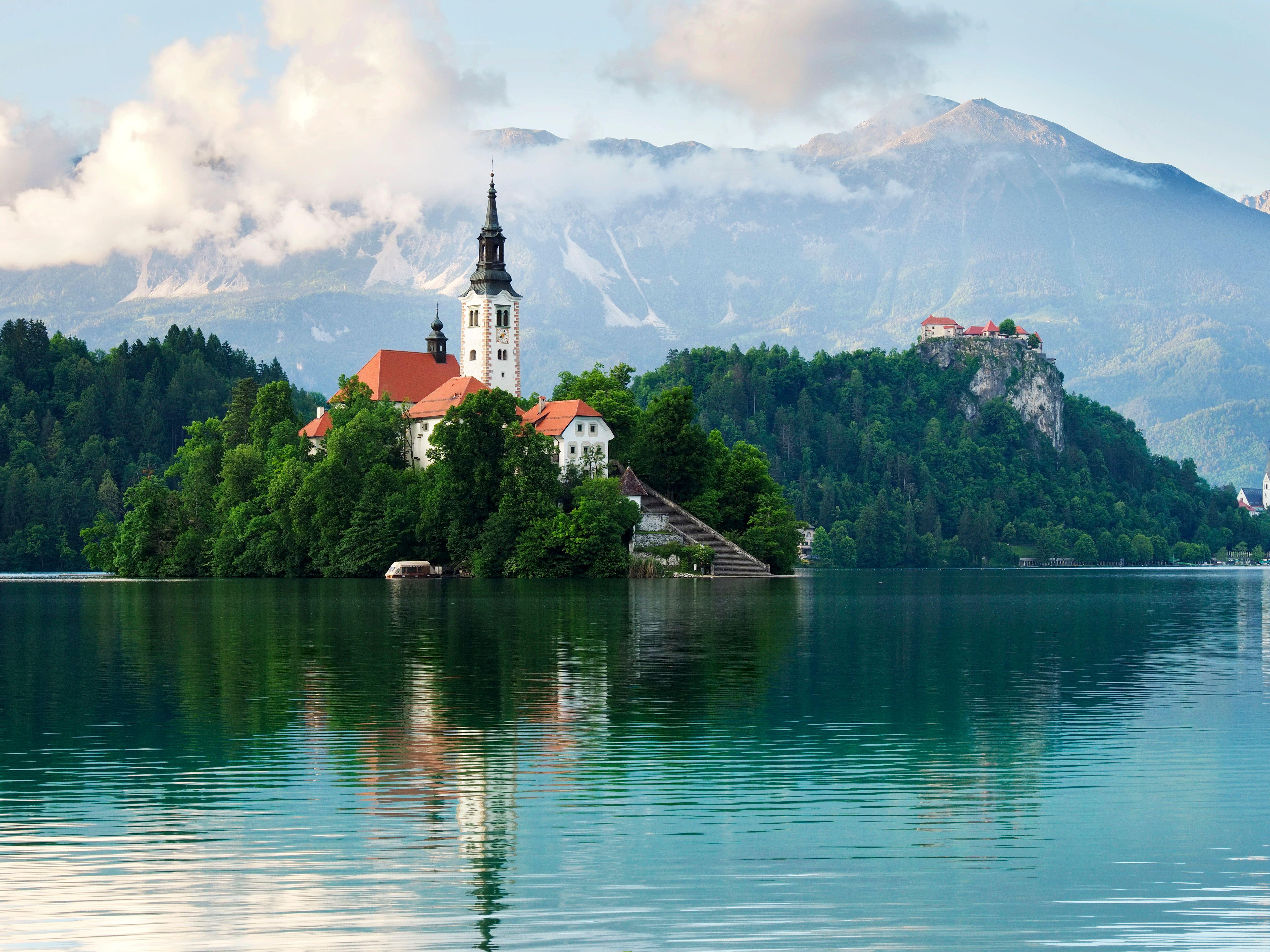
“Slovenia is a brilliant example. Almost 60 per cent of the country is covered in forest, so it’s extremely green. The Soča Valley has this extraordinary turquoise river, running through the Julian Alps, which are every bit as beautiful as the Alps in France or Austria but far less crowded.”
The picturesque Lake Bled will be busier in July but it’s a not-to-be-missed highlight of Slovenia – and probably the country’s most iconic image. While Lake Bohinj is Slovenia’s largest natural lake, and Bovec is a perfect base (between the Julian Alps and the Soča River) in Triglav National Park for water-based activities in the summer sunshine.
Montenegro
In a similar vein, Montenegro is “still undiscovered by a lot of even seasoned travellers”, says Bruce, yet offers “serious scenery and adventure”.
A wholly underrated destination, the Southeastern European country offers a unique mix of beaches along the Adriatic coast, hiker-friendly mountains, bright blue lakes and pretty, traditional old towns.
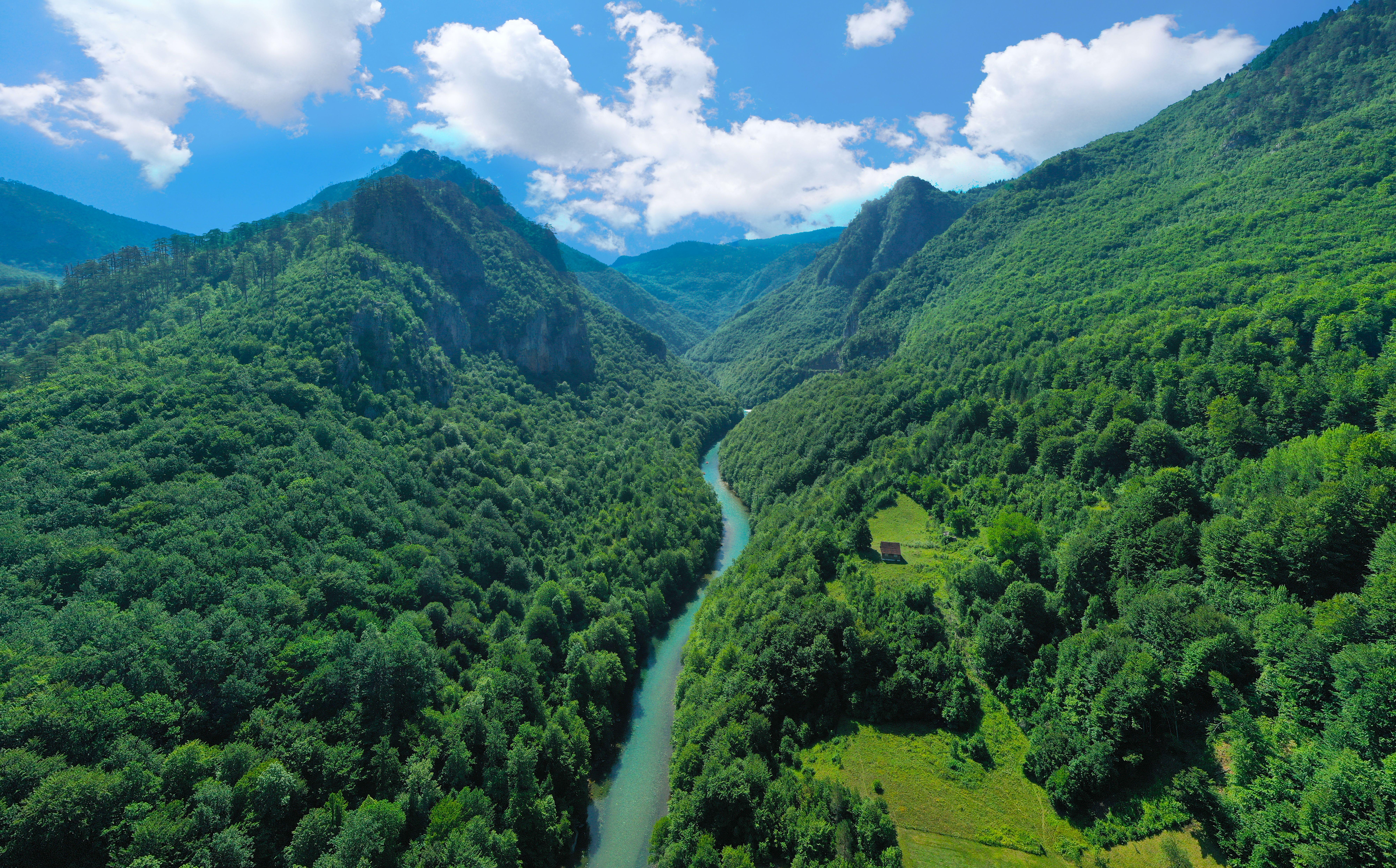
He recommends packrafting (a raft that’s light enough to pack down and hike with) down the Tara, Europe’s deepest canyon with a river cutting through it.
According to Bruce, Durmitor National Park is “a UNESCO World Heritage Site without the traffic. It’s home to these immense, dramatic, wild landscapes and some fantastic mountain climbs”.
Norway
If you’re looking for cooler temperatures in July, consider Scandinavia.
“In northern Europe, Norway in midsummer is magic,” says Bruce. “There’s endless light, long days, epic fjords, and wild camping that is completely natural. Our fjord kayaking trips are some of our customers’ favourites. People go once and start planning their return before they’re even home.”
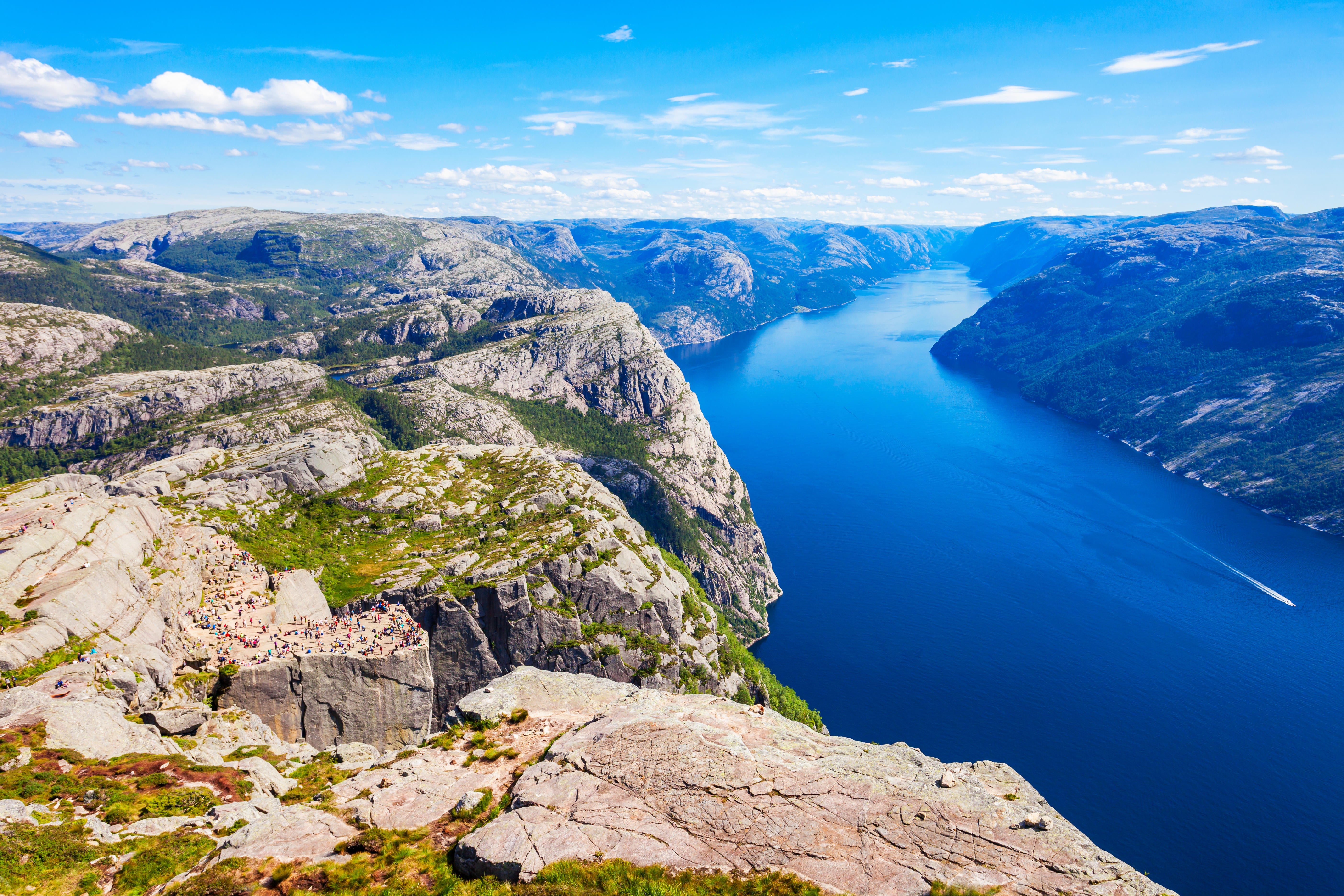
For Hentschel, Norway stands out for its fjord regions. Here, “July brings long daylight hours and comfortable temperatures. It’s an ideal destination for travellers prioritising nature, outdoor activities and dramatic scenery.”
Jersey
If you want to escape any possibility of delays with Europe’s new EES system for travel to Schengen countries, either staying domestic or hopping across to the Channel Islands might really appeal.
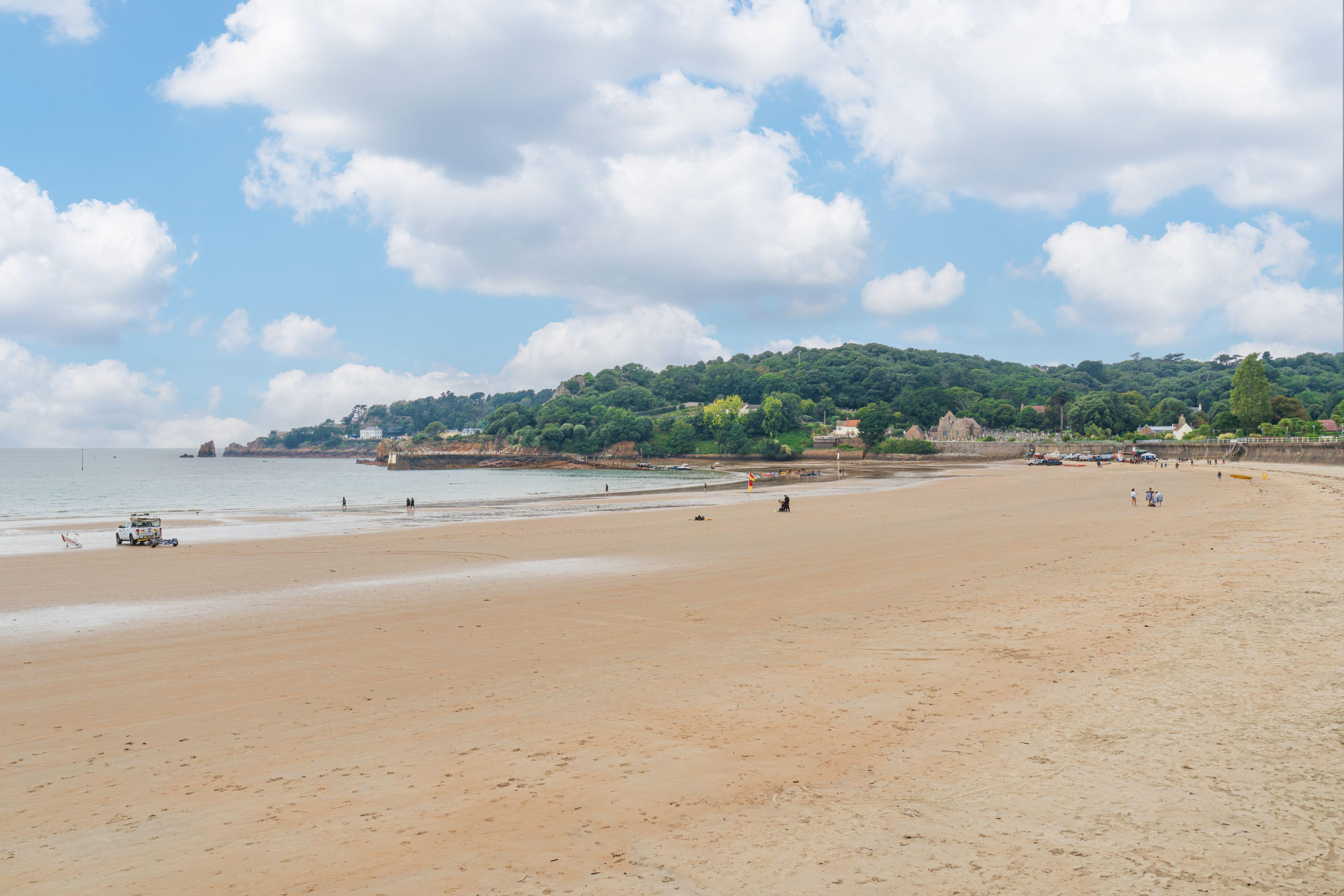
Tricia Handley-Hughes, UK and Ireland managing director at InteleTravel, says: “Jersey offers passport-free travel with a flight under an hour. Connectivity to the island is rising with the new easyJet flights from London Southend Airport to Jersey and it’s a great option if you want the beautiful beaches but not the long flights.”
Puglia, Italy
‘Italy’s heel’ on the southwest of the country may be hot in July, but for those who love the heat, Puglia is generally a good-value alternative to the well-known hotspots.

With its reputation as ‘the new Tuscany’ in full swing from the early 2020s, visitor numbers have increased year-on-year. It may be less of a ‘hidden gem’ today but the region retains its rustic charm, rural feel and ‘cucina povera’ (peasant cooking) cuisine.
“Puglia in Italy offers a more laid-back alternative to Italy’s major hotspots,” agrees Hentschel. “Known for its whitewashed towns, Adriatic coastline and exceptional local cuisine, it delivers an authentic summer experience without the intensity and crowds of cities like Rome or Florence.”