


 Africana55 Radio

This website uses cookies so that we can provide you with the best user experience possible. Cookie information is stored in your browser and performs functions such as recognising you when you return to our website and helping our team to understand which sections of the website you find most interesting and useful.
Nigeria's government has moved to cap jet fuel prices and allow airlines to purchase supplies on credit, in an effort to avert widespread flight disruptions caused by escalating fuel costs.
A government document, seen by Reuters, indicates that the Nigerian Midstream and Downstream Petroleum Regulatory Authority (NMDPRA) has set price limits for aviation fuel.
In Lagos, the price should range from 1,760 naira to 1,988 naira ($1.29 to $1.46)) per litre, while in Abuja, it is capped between 1,809 naira and 2,037 naira. These benchmarks are based on figures from 17 to 23 April.
However, the NMDPRA cautioned that prices could still fluctuate upwards due to market volatility linked to the US-Iran conflict and increased supplier expenses.
Neither the NMDPRA nor the aviation ministry immediately responded to requests for comment.
This intervention follows urgent discussions prompted by airlines, who had warned that jet fuel prices had surged by over 270 per cent. Such increases have already led to higher fares and raised the prospect of significant capacity reductions across the sector.
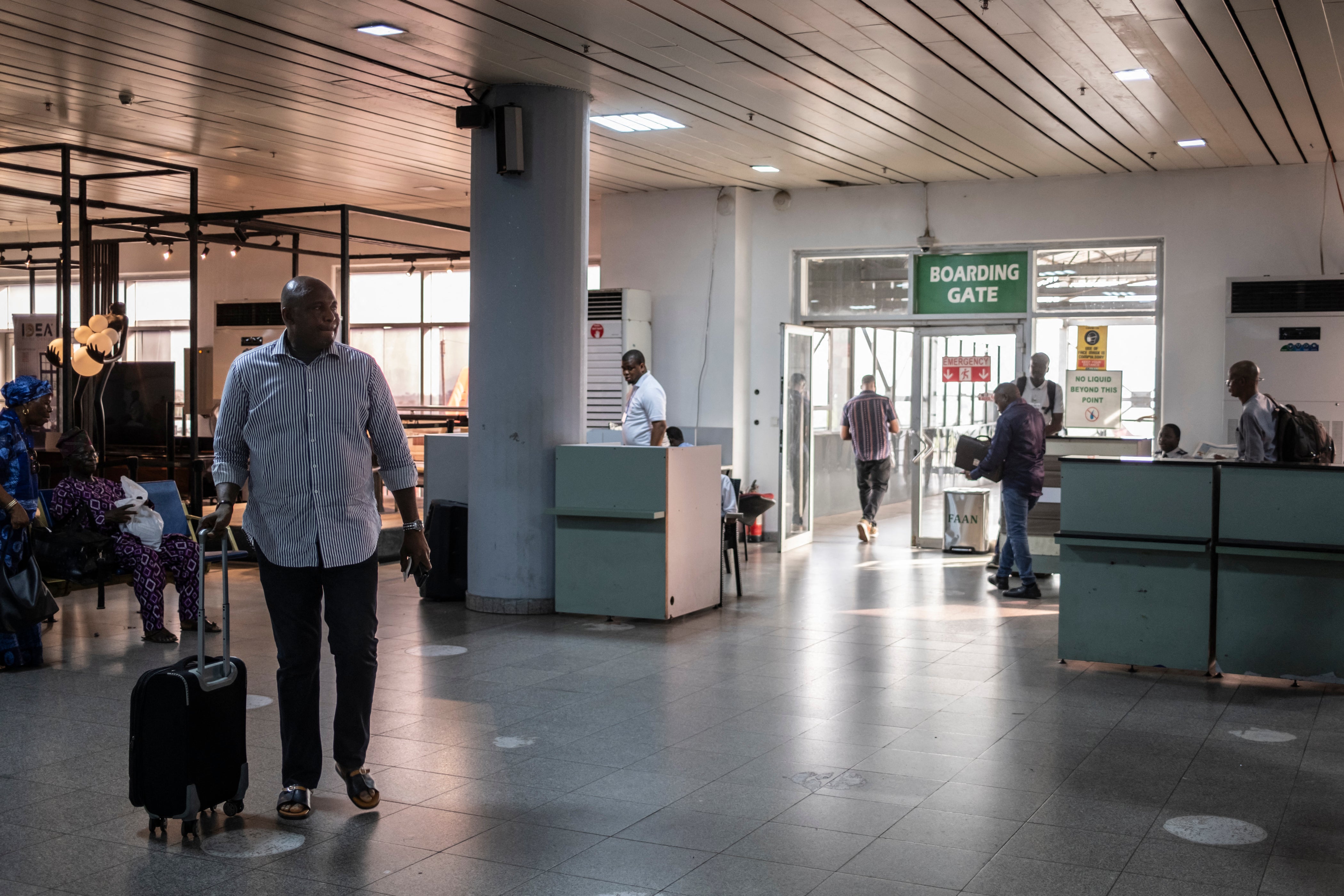
Last week, President Bola Tinubu approved a 30 per cent relief on airlines' debts to aviation agencies.
He also mandated fuel marketers, airlines, and regulators to agree on a "fair" fuel price within 72 hours, aiming to prevent a complete shutdown of the industry.
The talks also agreed to grant airlines a 30-day credit window to pay for fuel and tasked the aviation ministry with mediating debt disputes between operators and oil marketers, according to the document.
A technical committee convened by the NMDPRA recommended that fuel marketers sell directly to airlines within the indicated price range to cut costs and improve supply-chain transparency, the document said.
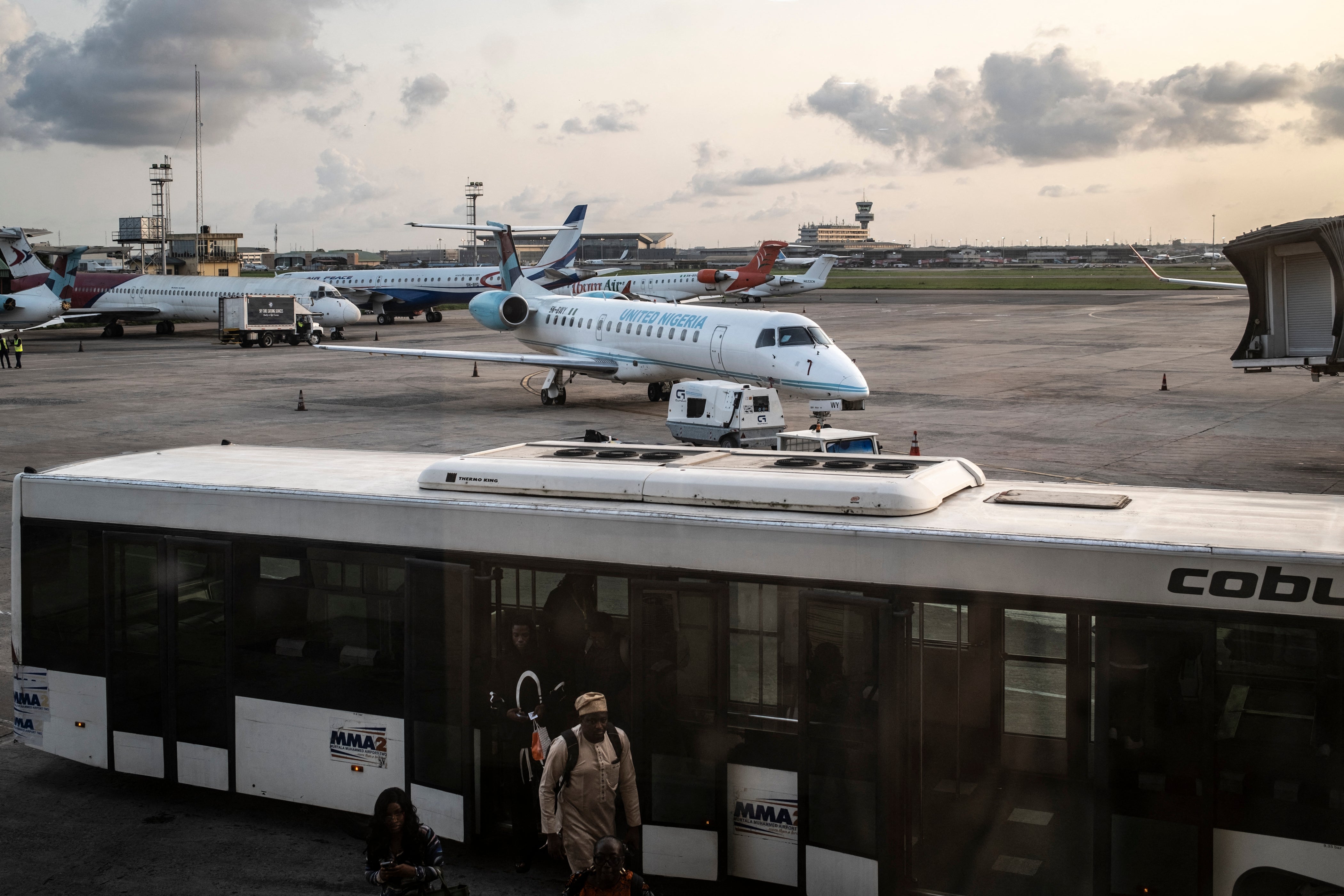
The committee also urged regulators to engage Dangote Petroleum Refinery and Petrochemicals over recently increased premiums applied to international benchmarks used to price jet fuel.
Other recommendations include validating airside fuel distributors with adequate infrastructure - potentially reducing the number of authorised suppliers at airports - and considering jet fuel for Nigeria's naira-for-crude initiative to limit airlines' foreign exchange exposure.