


 Africana55 Radio

This website uses cookies so that we can provide you with the best user experience possible. Cookie information is stored in your browser and performs functions such as recognising you when you return to our website and helping our team to understand which sections of the website you find most interesting and useful.
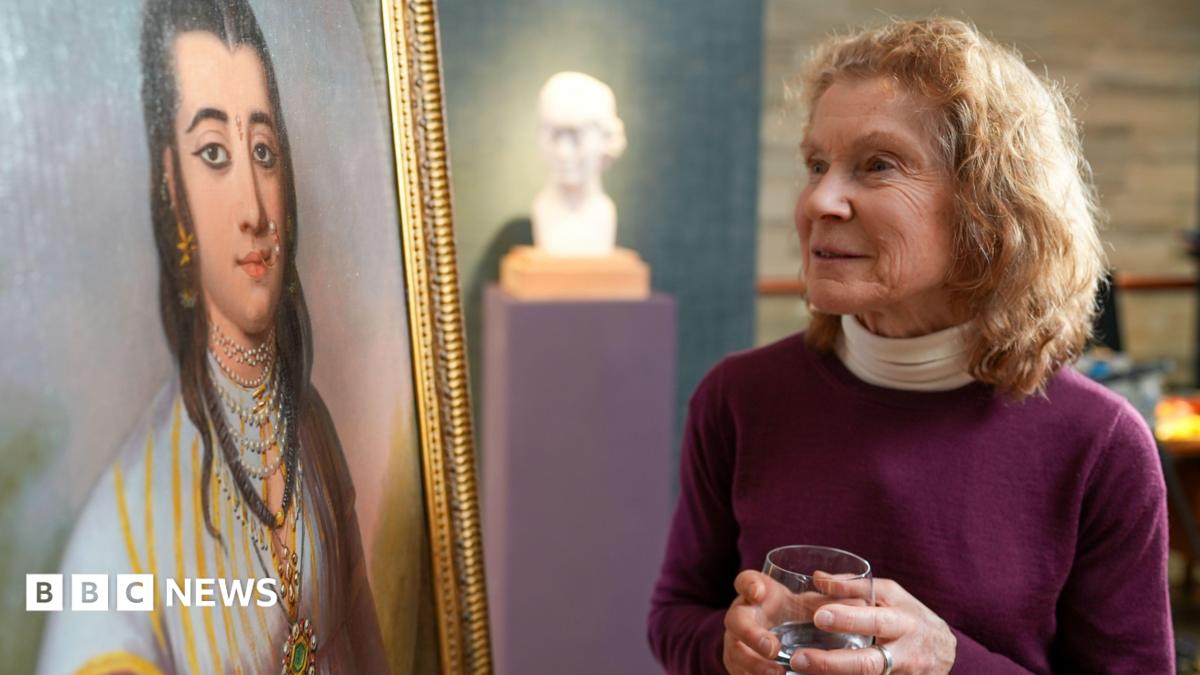
After being told of the work's authenticity and the projected value, Wedderburn said: "It's wonderful, it's unbelievable. Thank you so much.
"It's just so important to me that it's by Katherine Read, because of the family connection, but also because of who she was."
She added: "The more that we find out about Katherine Read, the more I think she was just a wonderful woman, she was just super."
Read, a well-known portraitist at the time, studied in Europe, moved professionally in elite circles and was so successful that she was paid more handsomely than her better-known contemporaries, including Gainsborough.
However, like many other female artists, she was largely forgotten, as fashions changed and some of her portraits were re-attributed to male artists.
The Fake or Fortune team authenticated the painting by trying to find other Read works to compare it to, trawling through family archives, speaking to experts and gathering letters and wills that brought fresh insight into Read's life in India.
They pieced together the story of the people she may have painted in Chennai in India, known then as Madras, including the Nawabs of Arcot, the local Mughal rulers.
Explaining his analysis, Greig said: "The evidence from the dossier that to me was the strongest was the technical analysis done by the Courtauld.
"The similarity of the portrait of [her niece] Helena Beatson: the pigments, the modelling of the figures, the brushwork, were very conclusive."
The work is thought to be the earliest recorded painting of an Indian sitter by a European female artist.