


 Africana55 Radio

This website uses cookies so that we can provide you with the best user experience possible. Cookie information is stored in your browser and performs functions such as recognising you when you return to our website and helping our team to understand which sections of the website you find most interesting and useful.
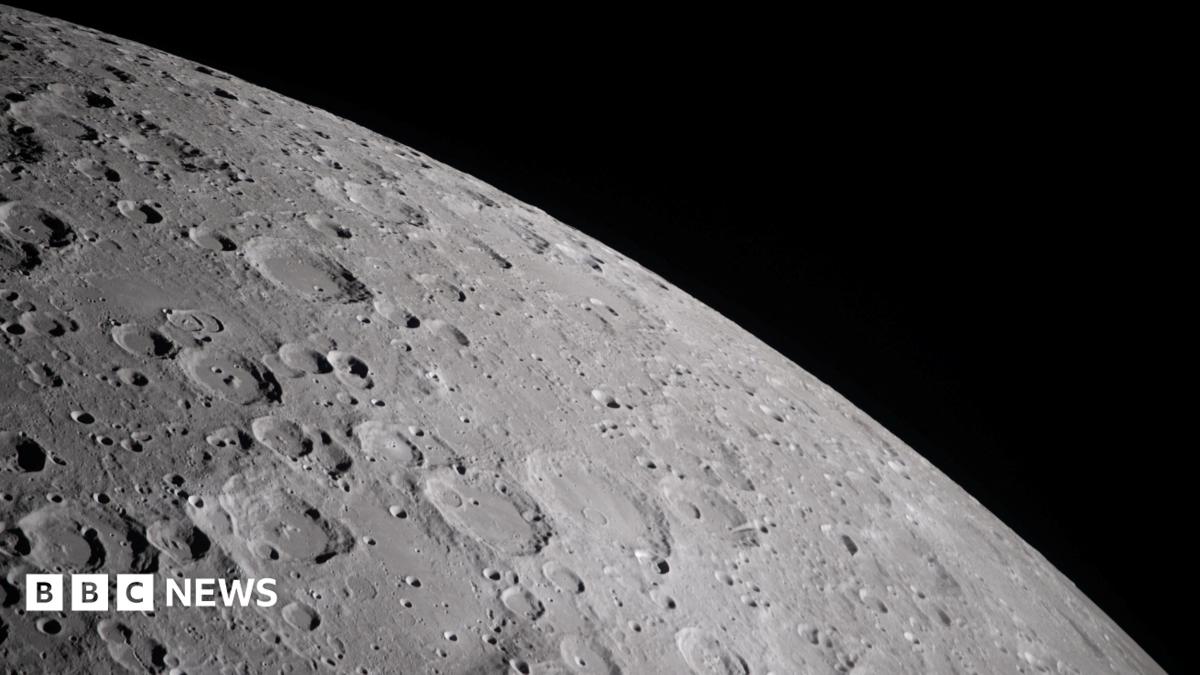
The science and probably the first images will come from powerful telescopes in the Americas where the sky was still dark. Even then, turning the detection of a 14m object hitting the lunar surface 385,000km away won't be easy.
Image processing to clean up the picture can take hours, days or even weeks, as scientists check and process the data.
Because researchers already know the rocket's exact size, speed and point of impact, this collision turns from being a random accident into a rare, controlled experiment.
It is a dream moment for planetary scientists because it lets them test their models of how impacts dig out craters, throw debris across the surface, and send tremors through the Moon's interior.
That has real practical value.
Understanding how much rock and dust an impact throws up will help engineers design safer landers and future Moon bases, working out how far flying debris can travel and how hard the ground might shake nearby.