


 Africana55 Radio

This website uses cookies so that we can provide you with the best user experience possible. Cookie information is stored in your browser and performs functions such as recognising you when you return to our website and helping our team to understand which sections of the website you find most interesting and useful.
School is back in session and with it, growing numbers of bans on smartphones.
Bans are in place in a number of states, including Ohio, Colorado, Vermont and Michigan, with the hopes of keeping students better focused on schoolwork throughout the day.
But children typically have a significant increase in screen time use over summer, leaving many parents wondering how to make the transition, research from entertainment platform Lingokids shows. Half of American parents believe their child may have a smartphone addiction, according to therapy center Grateful Care ABA, leaving kids at risk of depression, obesity and insufficient sleep.
But taking phones away cold turkey may do more harm than good, experts point out. Phones can provide social connection, entertainment and an escape from kids’ daily lives, according to the non-profit Child Mind Institute. Giving a child time to adjust to the coming change isn’t asking permission, child development specialist and author of You Are The Parent, Dr. Siggie Cohen told The Independent.
“And importantly, pushback doesn't mean the boundary is wrong. Your child may be frustrated. They may complain. That's okay. You can support them through that discomfort without immediately changing the limit,” she said.

A slower transition is preferable to confiscating a device. Communication is a key part of that transition to less screen time, and making a child feel like a part of the decision.
"So rather than the night before saying 'alright, we're back to no devices' we want to be planning it and thinking about it and talking about it a few weeks in advance,” Dr. Sarah Edwards, a child and adolescent psychiatrist at the University of Maryland Golisano Children's Hospital, told CBS News.
A good first step is writing down a schedule with your child and brain-storming ideas about how to keep away from digital distractions, Julia Storm, a digital wellness educator, said.
A visual guide, like a timetable, can help children understand why hours of screen time just won’t fit into their busy days anymore.
A schedule can include setting limits on phone usage throughout the day, asking kids to put phones away during meals, car rides and, importantly, before bedtime.
Sleep is crucial for young brains to develop and nighttime phone use can keep kids awake. Children who don’t get enough sleep have been shown to have differences in brain structure and mood issues, the National Institutes of Health says.
Establishing the bedroom and other shared family areas as screen-free zones can fight those negative health impacts and strengthen relationships between family members, San Diego health system Scripps Health says.
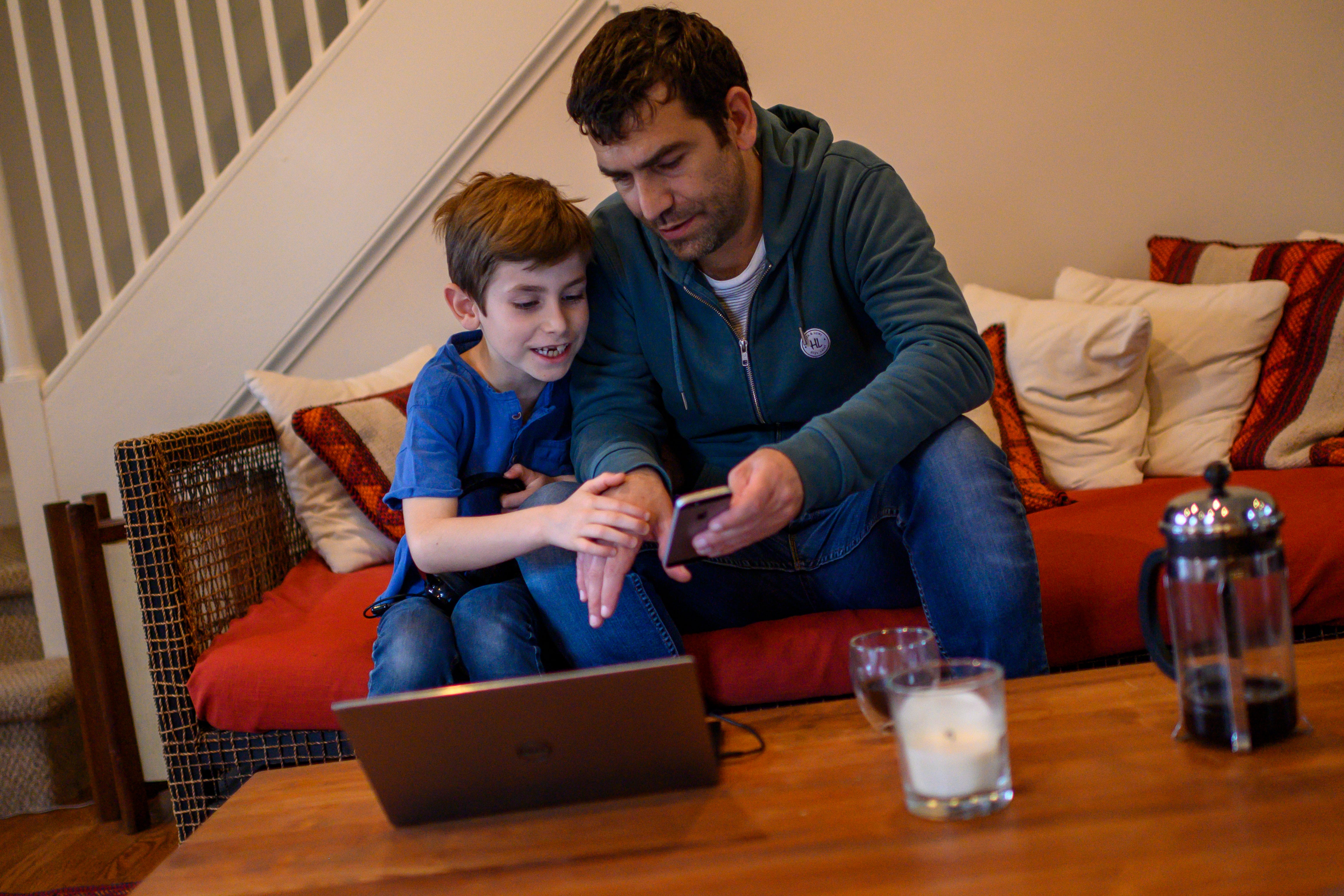
In the living room or kitchen, replace phone use with creative and engaging activities, such as baking or arts and crafts.
Cutting access to a child’s phone use doesn’t need to be an “all or nothing approach,” Dr. Nick DeBlasio, Medical Director of the Pediatric Primary Care Center at Cincinnati Children’s, told The Independent via email.
“I think there is always room for some dialogue on the some of the minor points such as ‘it is OK to have screen time for 30 minutes after school or does all homework need to be completed first?’ he said. “These fine points are great discussion points for kids and parents to decide together.”
It may seem counterintuitive but certain smartphone apps can help teens learn to self-regulate. Dr. Catherine Steiner-Adair, author of The Big Disconnect, told the Child Mind Institute that she recommends using apps, like Rescue Time and Freedom, to track phone use and block certain websites.
The type of screen time matters, too. Screen time that promotes educational opportunities, creative expression and developing skills skill may offer benefits for children, pediatrician Dr. Danielle Grant told the American Medical Association.
She said that “active screen time promoting educational games or interaction with friends can help support social development and skills.”