


 Africana55 Radio


This website uses cookies so that we can provide you with the best user experience possible. Cookie information is stored in your browser and performs functions such as recognising you when you return to our website and helping our team to understand which sections of the website you find most interesting and useful.

Want to bookmark your favourite articles and stories to read or reference later? Start your Independent Membership today.
Already a member? Log in
The food on our plates shapes far more than physical health; it can also influence our feelings, thoughts and actions.
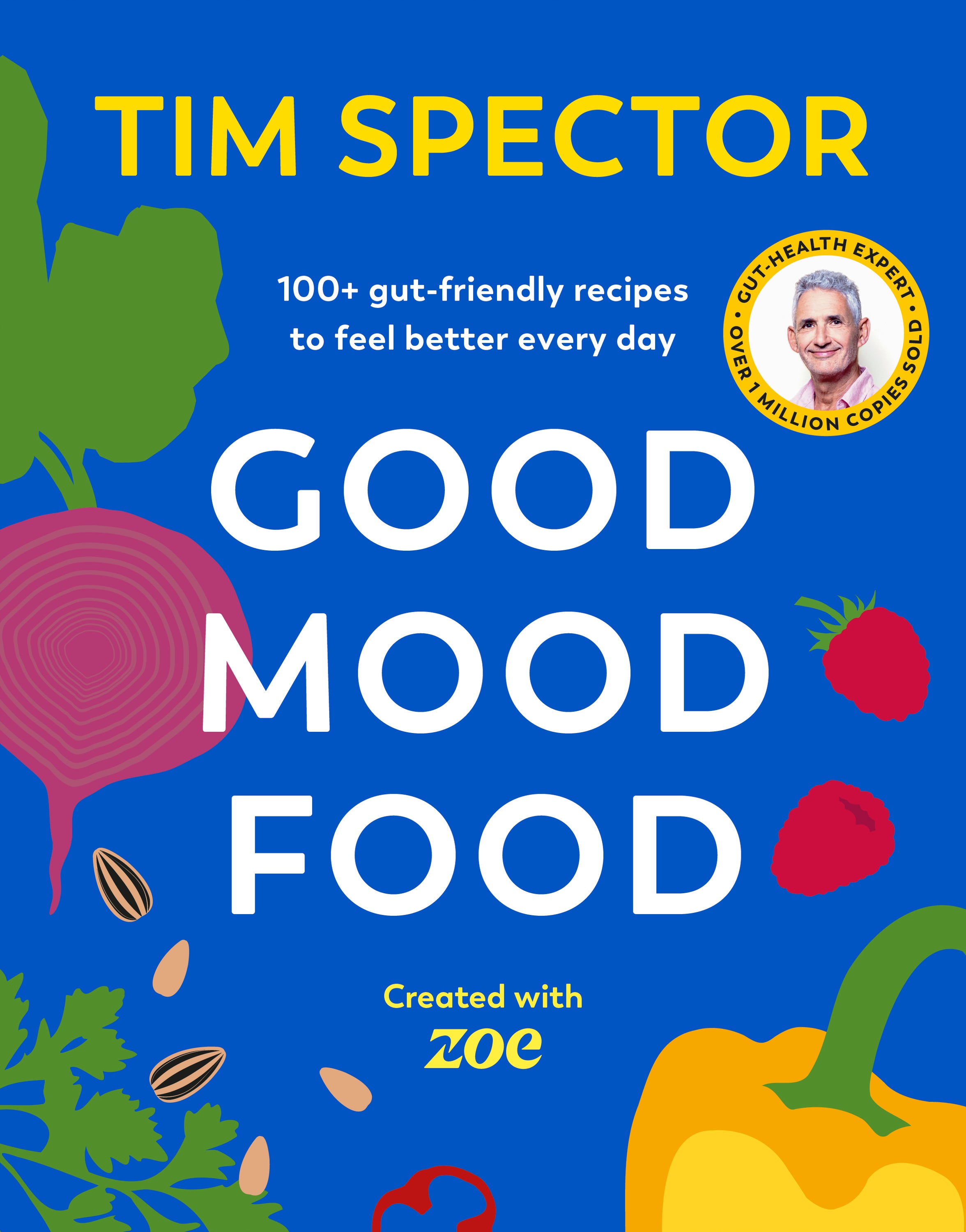
According to Tim Spector, a medical doctor, gut health expert, scientific co-founder of health science company ZOE and professor of epidemiology at King’s College London, the relationship between the gut and brain is more powerful than many people realise.
In his new cookbook, Good Mood Food, written alongside Dr Federica Amati and featuring recipes by Kathryn Bruton, Spector investigates how the food we eat shapes our mood, energy levels and long-term brain health.
The book aims to make improving gut health accessible, affordable and enjoyable, with everything from comforting family favourites to quick and easy snacks.
“There’s a lot of recent science particularly linking the gut and the brain that most people don’t know about,” Spector says. “There’s also big advances in the gut microbiome and neuroscience – so I wanted to write a book that showed people that the brain is not totally in charge of us – a lot of the orders of how we behave come from our gut.”
So, how exactly does the gut-brain connection work, and what foods should we be incorporating into our diets?
Understanding the gut-brain connection
Our gut is home to trillions of microbes, which Spector describes as “little mini pharmacies” working together to produce chemicals that can influence different functions throughout the body.
He explains that what we eat can change how these microbes behave, with certain foods potentially contributing to inflammation.
“If you eat junk food such as high-fat, ultra-processed ready meals or fast foods, they change your microbes and they stop producing some of the good chemicals like short-chain fatty acids and that has an effect on your immune system,” he says.
“They produce what we call pro-inflammatory signals – signalling to your immune system, which is also lining your gut, that the body’s under threat.
“That might cause this low-level inflammation which is like in a state of fight or flight all the time.”
While inflammation is an important part of the body’s response to infection or injury, Spector explains that persistent inflammation can have a negative impact on wellbeing.
“Inflammation is wonderful when you have a trauma or infection and it goes up and down but what’s happening with bad food is it’s never going down,” he says.
“It stays at this level, which is a like a minor alert for the body and it sends signals to the brain.”
“The brain thinks it’s got an infection or it’s unwell and reacts in a way that’s normal for the brain.
“It means you stay in bed, you won’t want to meet friends, you’re not interested in food or sex – you’re basically in recovery mode.”

Spector adds: “The opposite then occurs if you have a healthy meal full of fibre. This engages your gut microbes who’ve now got lots to eat.
“They break down the fibre into these short-chain fatty acids. These are the ones that tell your immune system to calm down.”
What foods should we reach for when we’re feeling low?
When we’re tired, stressed or feeling anxious, it can be tempting to reach for sugary snacks, takeaway meals or other convenient comfort foods.
However, Spector explains that these cravings can sometimes work against what our bodies need.
“If you understand what your body is trying to do – you’ve got to try and overcome that and the book has lots of healthy snacks in there that should fill you up and do the job,” he says.

Rather than focusing on eating less, he encourages people to choose foods that are satisfying and provide longer-lasting energy.
“It’s made me understand that you need to fill up. If you just have things like a sugary snack or drink, it just makes you hungry and increases the inflammation, making it worse.”
What affordable foods should we keep in our kitchens?
Eating well doesn’t necessarily mean buying expensive ingredients or completely overhauling your weekly food shop.
For Spector, a few simple kitchen staples can make it easier to prepare nutritious meals and snacks throughout the week.

“I always have a mixed bag of nuts for a snack,” he says.
“I would probably always have full-fat Greek yogurt as it fills you up and it’s a fermented food and it’s got protein.”
He also recommends keeping frozen berries in the freezer and tins of mixed beans in the cupboard.
Can our diet reduce the risk of cognitive decline?
Beyond its potential impact on our day-to-day mood and energy levels, Spector believes diet also has an important role to play in protecting our brains as we get older.
“We all need to be thinking of ways to improve our risk of dementia,” he says, emphasising the importance of dietary quality.
“A really good diet – if you include reducing things like diabetes – will approximately half your rate of getting dementia,” claims Spector.
“It doesn’t take it to zero, but it will significantly reduce it.”
He explains that the immune system is also linked to dementia, and highlights foods such as oily fish and nuts as potentially beneficial additions to a balanced diet.
“There’s also evidence from Japanese studies that eating mushrooms twice a week reduces your risk as well,” he says.
“It is quite hard to do everything – that’s why changing recipes and thinking about variety is really important.”
Can comfort food still be good for your gut?
Despite the emphasis on nutrition and gut health, Spector is keen to stress that eating well doesn’t mean giving up the foods we love.
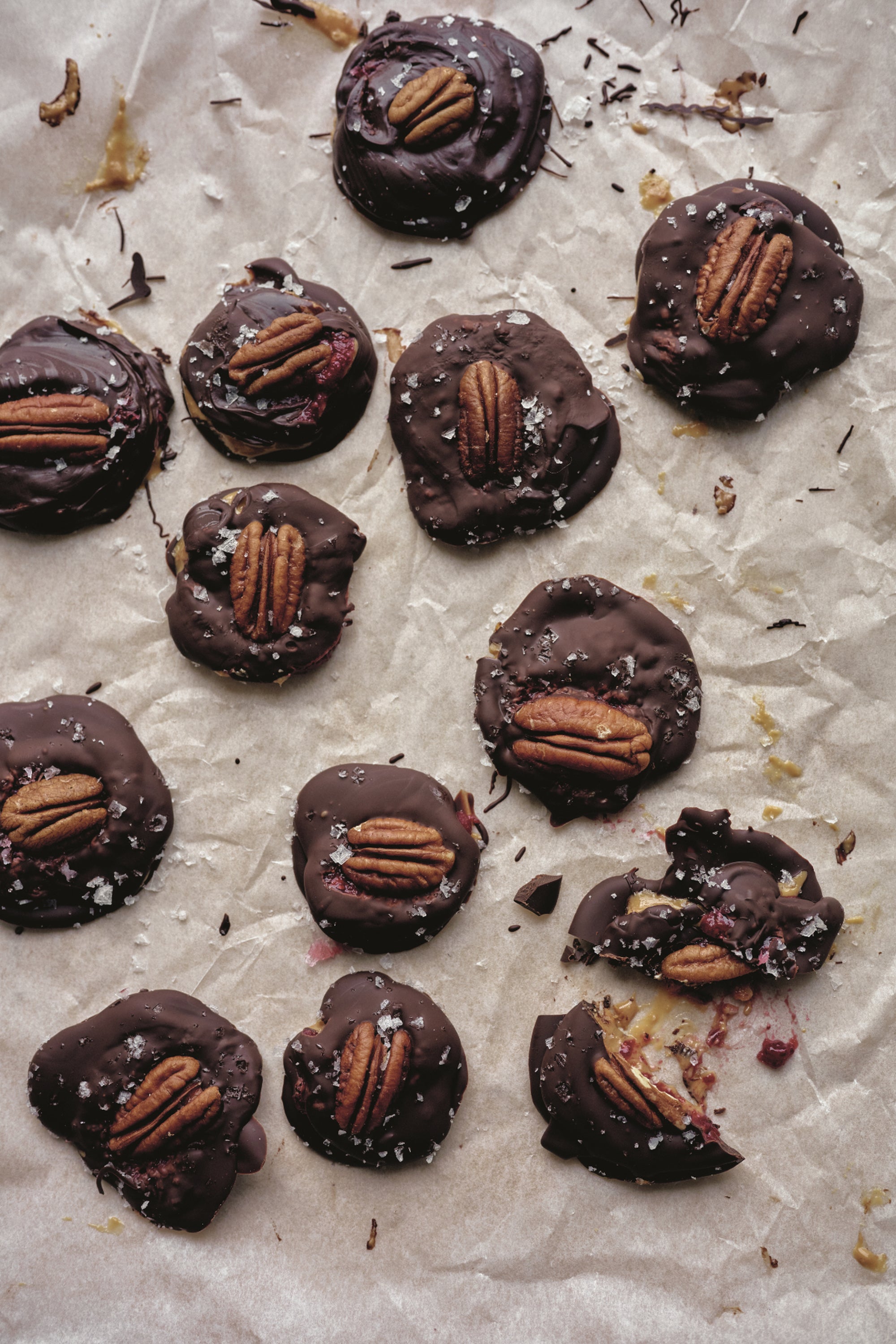
The book includes several familiar comfort dishes, reworked with ingredients designed to support gut health – think chocolate pecan bites or cheese and kimchi toastie.
“In the book, we’ve got half a dozen classic comfort foods that we’ve revised with a gut-friendly twist on them that when you make, they still give you that buzz and that nice feeling inside,” he explains.
“We’ve got a mac and cheese in there – a healthy one rather than one that’s going to leave you feeling unwell.
“We’ve got fish and chips, lasagne, spaghetti bolognese and a green curry.”
For Spector, these are the kinds of dishes he would naturally gravitate towards when feeling down or in need of something comforting.
“All things that I associate with, when I’m a bit down, will pick me up,” he says.
“It’s just a reminder that you can have something that’s really tasty and helpful for you and make you feel better.
“You can have these rich flavours – it’s not about eating salads or reducing what you eat. This isn’t a diet book – it’s about giving people actually more on their plate.”
Good Mood Food by Tim Spector, with Dr Federica Amati and recipes by Kathryn Bruton, is published in hardback by Jonathan Cape, priced £30. All photography by Issy Croker. Available October 22.