


 Africana55 Radio


This website uses cookies so that we can provide you with the best user experience possible. Cookie information is stored in your browser and performs functions such as recognising you when you return to our website and helping our team to understand which sections of the website you find most interesting and useful.

Want to bookmark your favourite articles and stories to read or reference later? Start your Independent Membership today.
Already a member? Log in
Ask anyone who’s single if they’d rather be dating in a different era, and I’ll guarantee the answer will be a resounding yes. They might even screech the word at you, manically and hysterically, just to drive home how disastrous it feels to be navigating the world of romance right now.
As for where they’d like to be instead, there are a few perennially popular eras: surely everyone would love to flirt with Hemingway in a flapper dress in 1920s Paris? Or have a dance with Cher at Studio 54 in 1970s New York. But one that we all return to over and over again is the Regency era, specifically the period captured by Jane Austen in two of her most popular novels, Sense and Sensibility and Pride and Prejudice.
Now, fans can relive their fantasies in two major adaptations, with Daisy Edgar-Jones fronting a new Sense and Sensibility released in cinemas last month, and Dolly Alderton’s upcoming version of Pride and Prejudice for Netflix, which stars Emma Corrin and Jack Lowden. Cue frenzied excitement among single women everywhere who can superimpose themselves in Austen’s Arcadian romantic world and momentarily forget about some of the tech-induced toxicity that defines their own.
Don’t get me wrong, part of what makes these stories so popular today is how relevant they still feel. Emotionally, Austen’s characters experience many of the trials and tribulations we do. We bicker with our families; we judge one another too quickly; and we encounter the same world-shattering pain that occurs when someone breaks our hearts.
But all of that might’ve felt a little easier to parse in a pre-digital age. One when you couldn’t instantly stalk the man who just rejected you on Instagram, finding meaning in whenever he watches one of your Stories, and inventing entire narratives about what he might be thinking and feeling when he posts one of his own: “Is that restaurant photo a reference to that time we ate in a restaurant together?!” And so on.
You also couldn’t survey someone’s new partner online, diving deep into their LinkedIn page and comparing each of their achievements to yours, wondering if the reason that person broke your heart was that you didn’t get an A in your GCSE maths exam and their new partner did. Or maybe it was because they landed work experience at that high-flying advertising agency whereas you were turned down from all those competitive grad schemes.
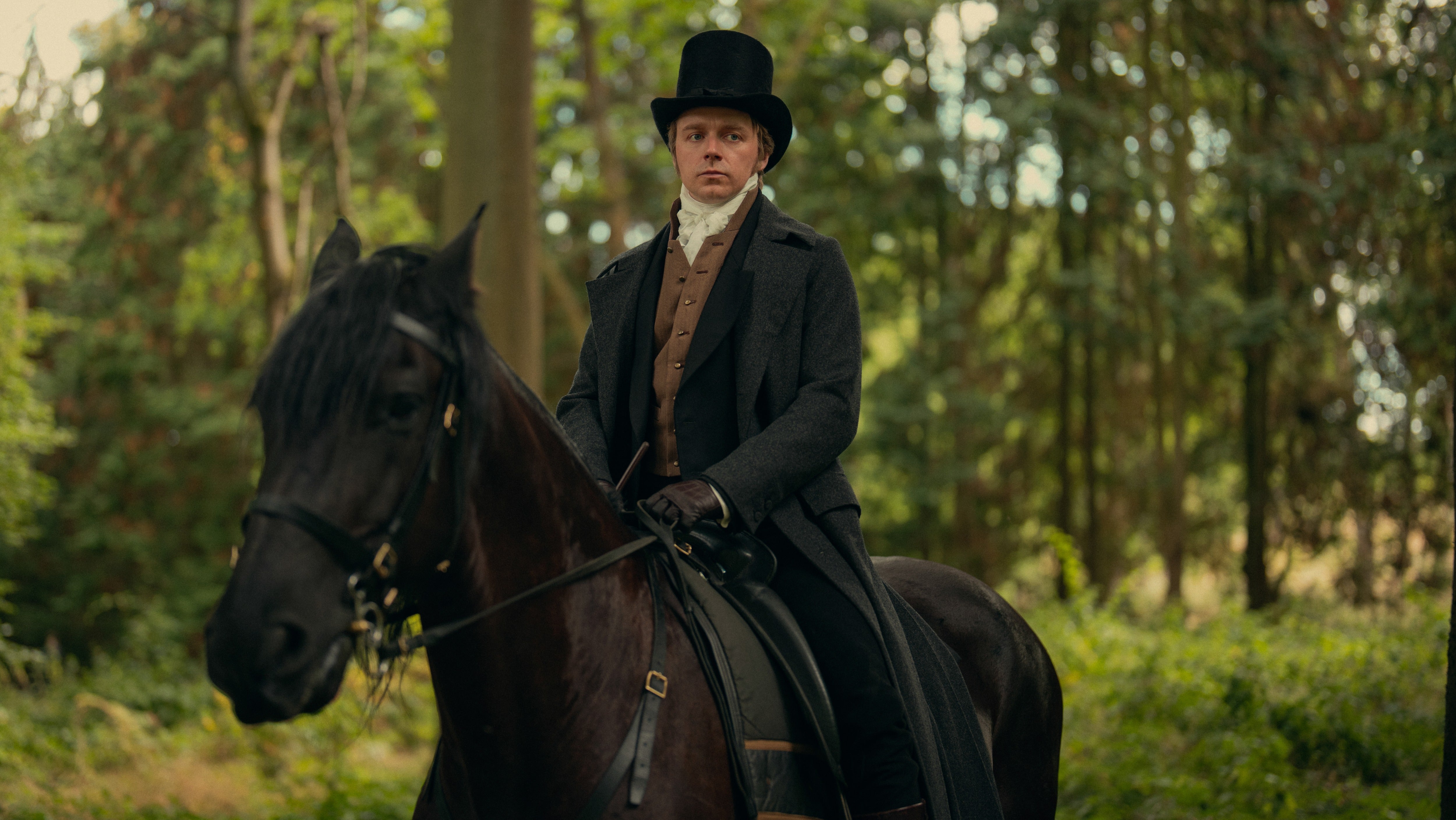
It sounds silly, but this degree of digital paranoia is one of the key facets of what makes dating today feel so unbearable; we have too much information, too much technology, and not enough human interaction. Take texting. In the Regency era, you couldn’t send messages to someone you fancied and see the exact moment at which someone read them, could you? You could just meet a person and then see if they sent you a letter asking to “promenade” again, instead of live-watching them read and ignore your WhatsApp messages, sending you into a deep state of psychosis.
“In more than 20 years working with women on relationships, intimacy and personal development, I've seen how the search for love can become an exercise in analysing messages, managing uncertainty and trying to appear desirable,” says Kaye Smith, a psychotherapist and behavioural health coach. “[Austen’s] stories offer something many women feel is missing: romance that unfolds through observation, emotional tension and meaningful choices rather than endless digital interaction.”
Manners were more prevalent then, too. In the late 1700s and early 1800s, men asked women they were interested in to dance at balls, politely and courteously. Chivalry was woven into their behaviour: they sent flowers, handwritten letters, and made in-person gestures because it was the only way of showing their affections. Today, we get texts reading: “u up?”
These stories offer something many women feel is missing: romance that unfolds through observation, emotional tension and meaningful choices rather than endless digital interaction
Kaye Smith, a psychotherapist and behavioural health coach
Obviously, it was hardly a utopia. The whole unmarried women being forbidden from spending time with men thing doesn’t sound ideal, nor do the debutante balls, where women as young as 17 were presented to society as if to offer them onto the marriage market like meat to a butcher. Being single in your late twenties and thirties back then would’ve also resulted in being outcast by society. And don’t get me started on the litany of legal and societal restrictions imposed on anyone who veered outside of traditional gender and sexuality norms.ins
Still, parts of it appeal, especially all those high-octane dances, assemblies, concerts, and performances that would be held for those at the upper echelons of society to find a partner. Imagine if single people today were given a calendar of glitzy events specifically designed to help them find love. Even attending a party where you know everyone there is single can be an enormous help, given so few of us approach one another IRL these days; hence why singles nights have been on the rise.
The instant gratification that defines today’s dating scene is a key part of the problem; we’re used to getting everything immediately. So often, we make rash decisions and judgements based on a person’s profile before getting to know them. “I think we're romanticising Jane Austen's world because modern dating has made uncertainty feel normal, and our nervous systems are exhausted by it,” says Rebecca Mackillop, lead therapist at online therapy centre, Brain Botanics.
“Pride and Prejudice and Sense and Sensibility offer something dating apps often struggle to provide: the experience of being gradually known, rather than instantly evaluated. Elizabeth Bennet isn't chosen because she has the perfect profile. She's loved by someone who comes to understand her character.” Ultimately, all any of us want to feel when we’re dating someone is that we’re being seen. It’s a lot harder to obtain that feeling when we aren’t really giving anyone the chance to do just that, because one mistake or “ick”, and we’re off, swiping through the next batch of available suitors.
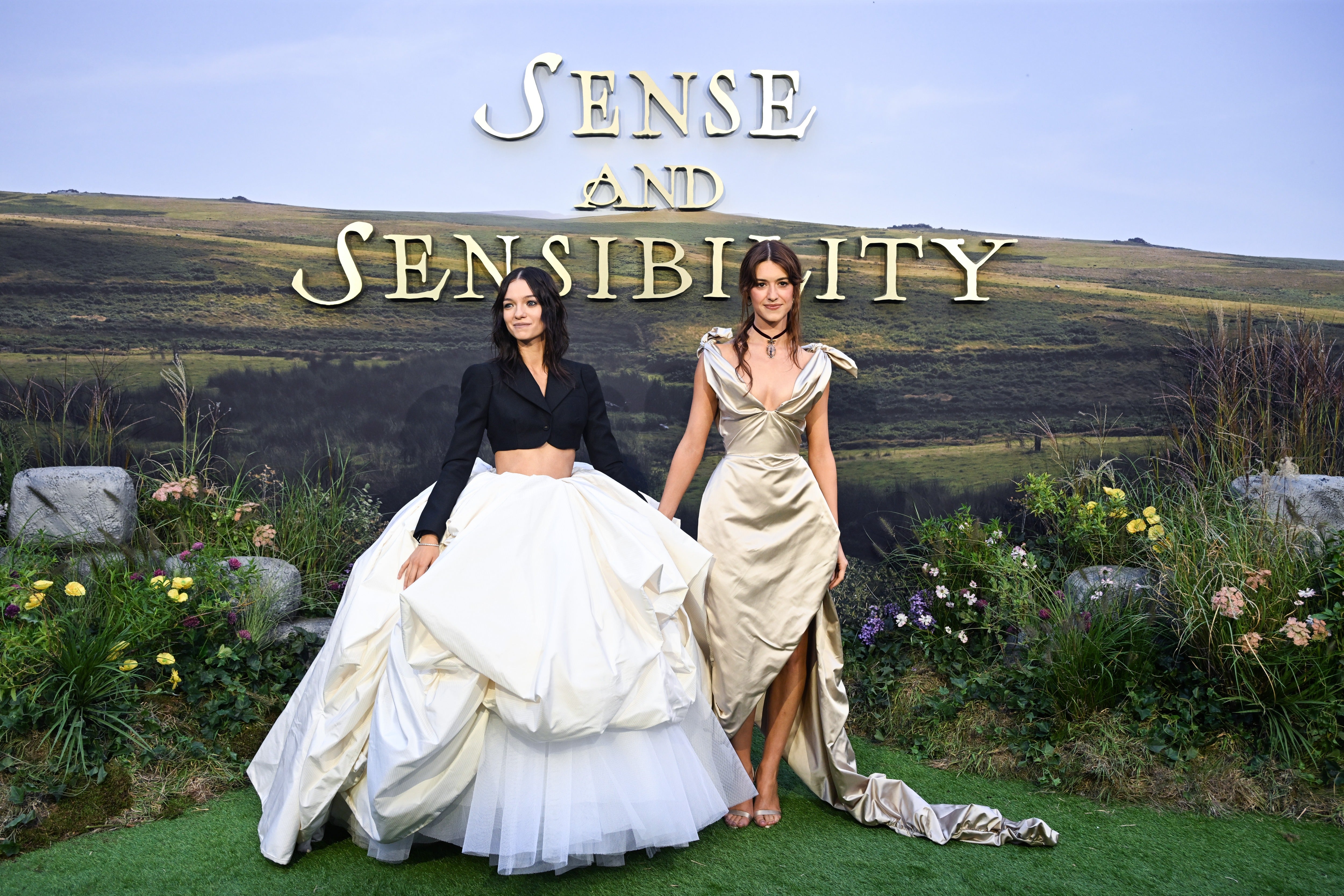
So, how can we interweave a bit of Regency-style dating into our modern love lives? “My advice would be to stop treating every date like a job interview,” suggests Kendall Maloof, Clinical Director at Eagle Creek Recovery in Idaho. “Instead of sitting across from someone and mentally checking whether they meet all your requirements, do something together. Go for a walk, visit an exhibition, or find an activity that gives you something to talk about.”
It might also help to impose some strict boundaries on how long you give someone before making a call on whether or not they might be right for you. “If you enjoyed someone's company but didn't feel an immediate spark, there's nothing wrong with meeting them again,” adds Maloof. “Attraction doesn't always happen in the first hour. And if you do meet someone you genuinely like, perhaps stop spending so much time looking at who else is available. Give yourself a chance to enjoy getting to know that person without constantly comparing them to someone you haven't even met.”
We could also all enjoy being a little more intentional in dating, particularly when it comes to how we communicate. We might not be sending handwritten letters, but putting a bit more thought into our texts and calling people rather than messaging them could be transformative when it comes to helping you build real, lasting connections. “Technology has made finding people easier than ever,” says Maloof. “But what it hasn't done is make building a meaningful relationship any easier. That part still requires two people who are willing to give each other their time and attention.” As it stands, no piece of tech rivals the benefits of that.