


 Africana55 Radio


This website uses cookies so that we can provide you with the best user experience possible. Cookie information is stored in your browser and performs functions such as recognising you when you return to our website and helping our team to understand which sections of the website you find most interesting and useful.

Want to bookmark your favourite articles and stories to read or reference later? Start your Independent Membership today.
Already a member? Log in
Affordable Care Act open enrollment has begun and Americans face higher costs and fewer healthcare coverage options.
The open enrollment window for the marketplace, also known as Obamacare, opens on Sunday in most states and closes on Jan. 15.
Health insurance bought through the Affordable Care Act marketplaces is expected to cost 13% more on average in 2027, according to an analysis of new CMS data by the healthcare research nonprofit KFF.
Aside from higher premiums and fewer coverage options in 2027, anyone planning to sign up should also brace for expiring financial assistance, rising rates, potential delays in working with a broker, new restrictions on immigrants, and stricter enrollment checks.
Financial help, including premium tax credits and cost-sharing reductions, is now restricted for many groups of people who were previously eligible. Healthcare experts predict less coverage and higher prices across the board.
Increases are driven by multiple factors
Cynthia Cox, a vice president and director of the ACA program at KFF, said the increase is primarily driven by rising healthcare costs, hospital market concentration, and potential factors such as the No Surprises Act, which took effect in 2022 and bans surprise billing, or the rising availability of GLP-1 drugs.
The people who will be most affected by the new increases are those who do not qualify for a subsidy.
“They may or may not be able to afford to continue to keep their coverage into next year,” Cox said, adding that “a lot of them have already moved into bronze plans, which are the cheapest plans."
A CMS fact sheet about open enrollment distributed Friday says “Americans using HealthCare.gov will have robust access to low-cost plans.”
The price of ACA insurance has skyrocketed for many people during Trump's second term after Republicans opposed extending COVID-era subsidies that had helped offset the costs of health insurance for most enrollees during Democratic President Joe Biden's administration.
That resulted in 1.2 million fewer people signing up for coverage in the exchanges.
Nearly 20 million people in US are actively enrolled in ACA plans
As of February, roughly 19.2 million people in the United States were actively enrolled in ACA marketplace health plans, according to the Department of Health and Human Services website.
The number of enrollees grew during the COVID-19 pandemic, when enhanced subsidies became available through the American Rescue Plan Act and Inflation Reduction Act, both signed into law by Biden.
New regulations starting in 2027 will also limit tax credits for certain lawfully present immigrants, which could result in an additional 1 million uninsured individuals over time.
The Trump administration has also been removing ACA enrollees from the program as part of its ongoing campaign against what it characterizes as waste, fraud and abuse.
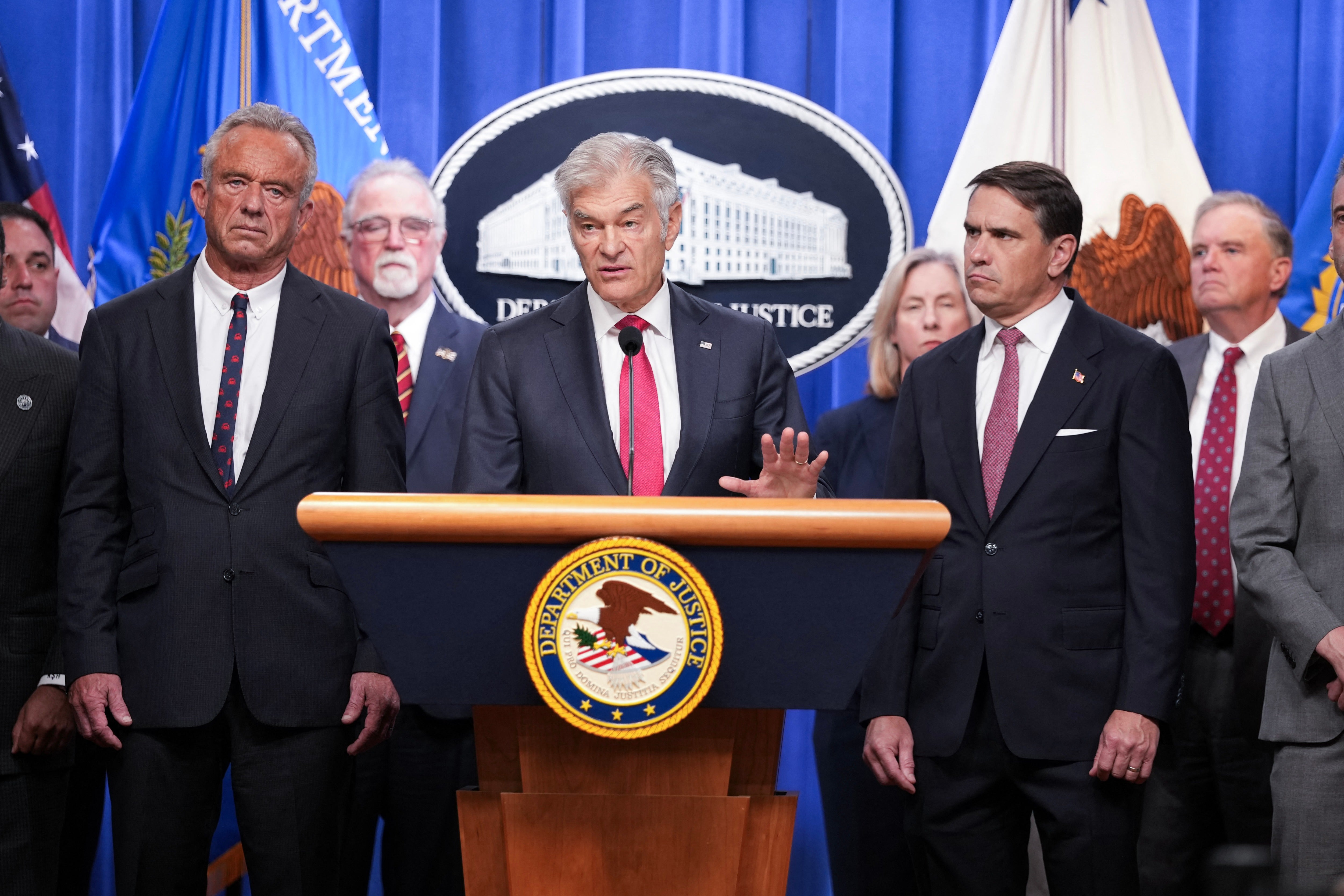
In September, Vice President JD Vance and other officials in the Republican administration announced plans to remove 760,000 ACA enrollees from public healthcare exchanges, alleging the individuals were fraudulently enrolled in the program or simply did not exist.
Vance said the discovery and canceled subsidy payments for hundreds of thousands of people from the exchanges, part of an administration-wide crackdown on fraud, would result in $2.2 billion in cost savings.
It's unclear how many more people will drop off of ACA coverage in 2027, Cox said.
But with higher premiums, immigration eligibility changes and the anti-fraud efforts, “I think there’s going to be fewer people enrolled in this market, but it’s going to be harder to understand why.”