


 Africana55 Radio


This website uses cookies so that we can provide you with the best user experience possible. Cookie information is stored in your browser and performs functions such as recognising you when you return to our website and helping our team to understand which sections of the website you find most interesting and useful.

Want to bookmark your favourite articles and stories to read or reference later? Start your Independent Membership today.
Already a member? Log in
Pet food begins life not in a factory, but in a field. For many of their pets’ favourite foods, grains and cereals are key ingredients, providing energy, fibre and essential nutrients.
But as British farmers face increasingly unpredictable weather, rising input costs and historical soil depletion, the future supply of these everyday ingredients is becoming more uncertain.
We’re seeing more crops under strain. In Bedfordshire, farmer and agronomist Clare Donkin reports her 2026 wheat harvest is around 30 per cent below expectations following a hot, dry summer.
She is not alone – the year’s wheat harvest was England’s worst on record, as reported in Energy and Climate Intelligence Unit (ECIU) 2026 Harvest Analysis. Swings between drought and heavy rainfall have taken their toll, making it harder to maintain consistent yields.
For pet food manufacturers, this matters: cereals and vegetable proteins are key building blocks of many balanced recipes.
How regenerative agriculture helps protect ingredients for the future
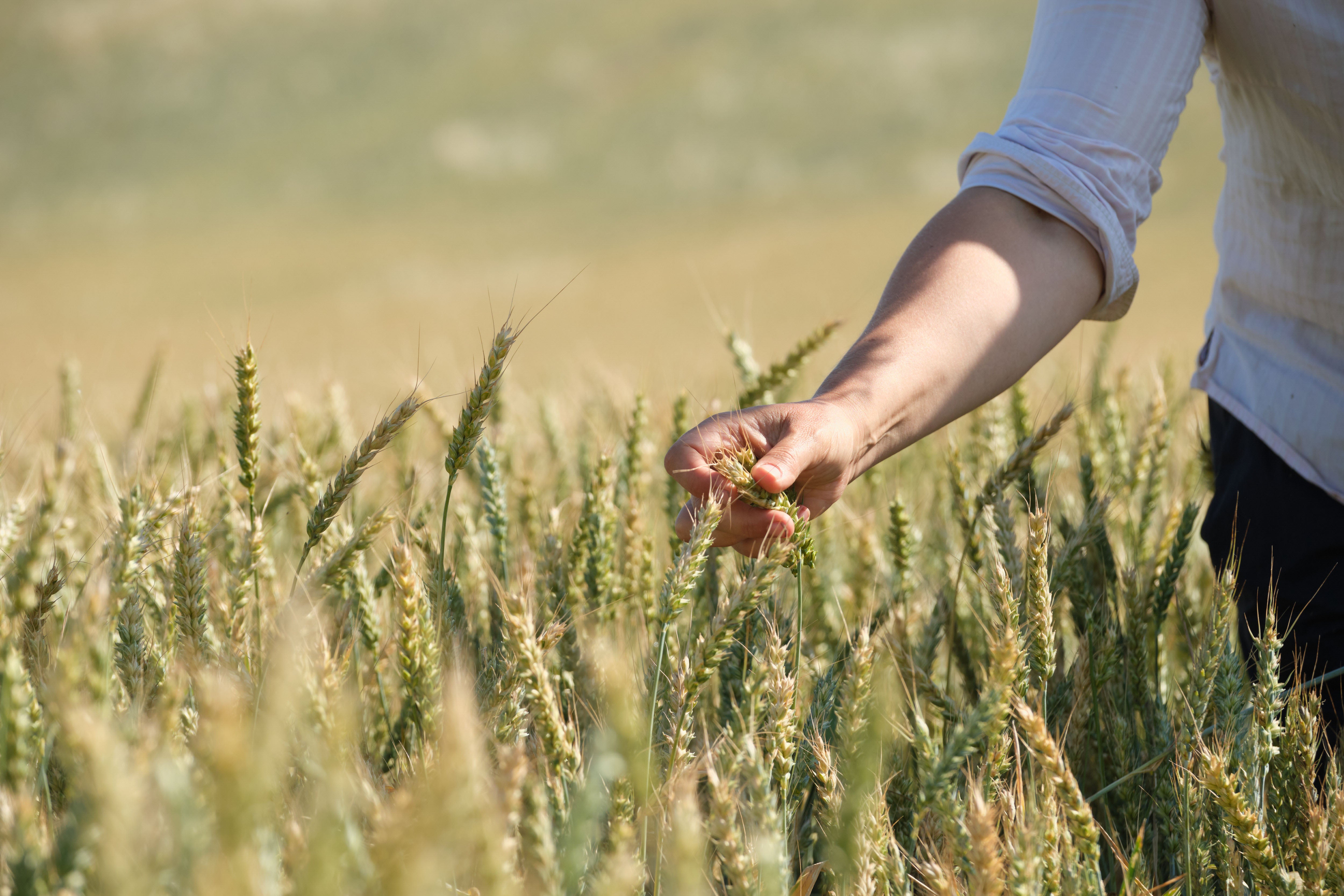
In response, many farmers across the UK are adapting their practices. A 2026 Censuswide survey commissioned by Purina found rising fertiliser and input costs were the strongest motivation for farmers considering new methods (32 per cent), followed by greater swings between wet and dry conditions (22 per cent), prolonged dry periods (21 per cent) and concerns about soil health (20 per cent).
More than 80 per cent of farmers agreed that the more unpredictable the weather becomes, the more important it is to understand and protect the soil on their farm.
Furthermore, 87 per cent said they were more likely to consider changing how they farm to improve soil health and weather resilience than five years ago, while 86 per cent were combining traditional practices with modern tools such as soil testing, biological testing or precision technology.
Many are turning to an approach known as ‘regenerative agriculture’. This is not a single technique or a fixed checklist; instead, it is a holistic approach to farming that aims to restore soil health, improve water management, increase biodiversity and support farmers’ long-term livelihoods.
Practical regenerative techniques include planting cover crops such as legumes and mustard to protect soil between harvesting one crop and drilling the next, reducing ploughing to preserve soil structure and microbial life, and improving the management of nutrients added to the soil.
Reducing synthetic fertiliser use is another important step, alongside rotating crops to diversify root systems and break pest cycles, and planting trees and hedgerows to stabilise topsoil and support wildlife.
In the past five years, 29 per cent of farmers surveyed said they had introduced or increased planting or maintaining hedgerows, while 23 per cent had introduced or increased the use of cover crops to keep soil covered.
However, over a quarter of farmers (28 per cent) cited the initial cost of changing practices as a barrier to adopting regenerative farming methods.
Supporting UK farmers through collaboration
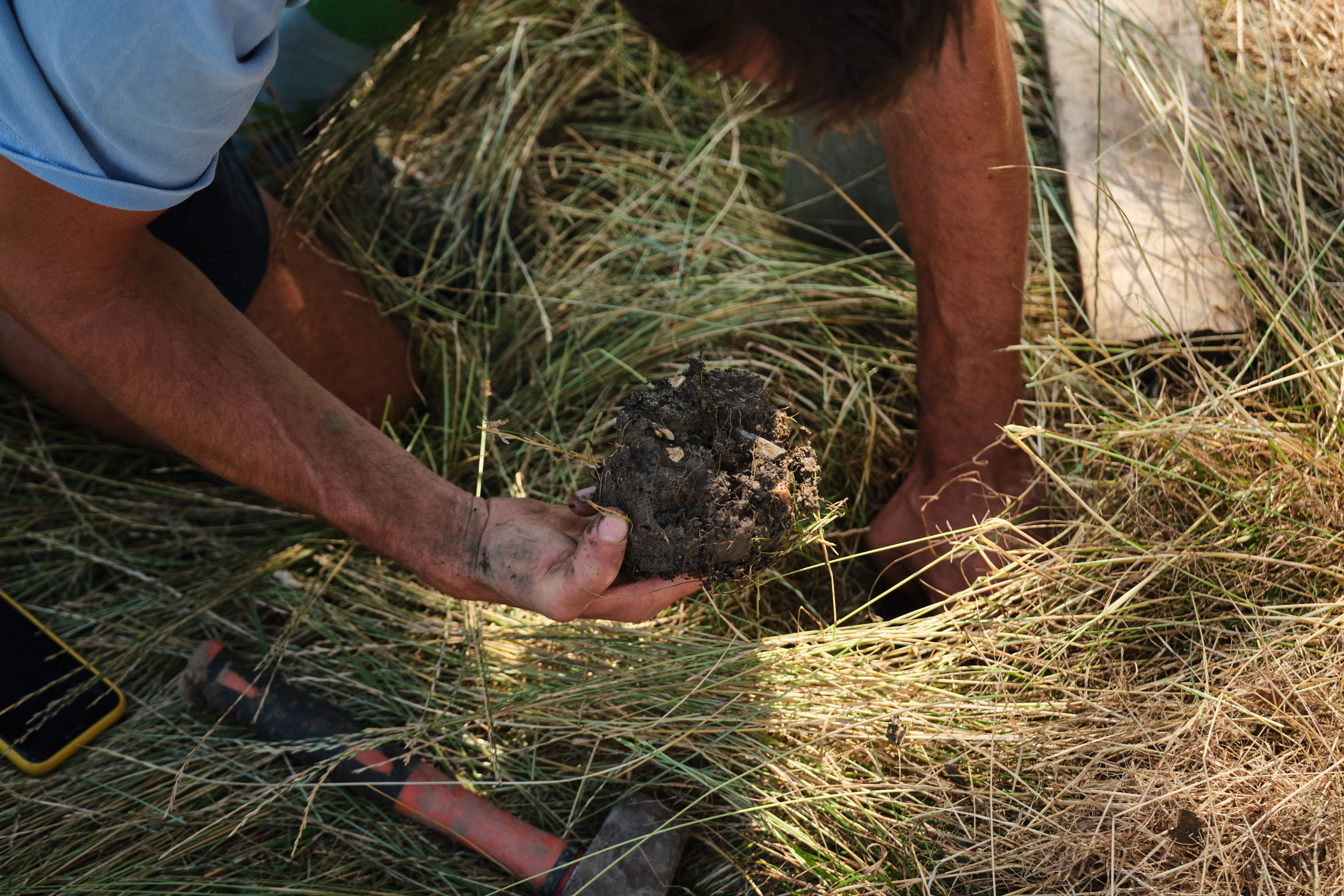
This is where targeted industry support plays a vital role. In the UK, Purina is funding 110 wheat farmers through a partnership with Landscape Enterprise Networks (LENs). Under this scheme, farmers received funding from Purina to support the adoption of regenerative practices, and can apply for special ‘innovation’ funding to test new ideas most suited to their soil and landscape.
For farmers like Donkin, the support is both practical and strategic, allowing her to take risks and try new things, knowing she doesn’t have to shoulder the cost alone. “We cannot control when it rains,” she says, “but we can understand our soil better and make changes that may help the farm cope over time.”
Microbial testing, legumes, cover crops and reduced cultivation are already helping her reduce synthetic nitrogen fertiliser use, cutting input costs and building active soil biology.
Claire Robinson-Davies, Corporate Affairs & Sustainability Director at Purina UK & I, notes that LENs provides farmers with funding, expertise and the flexibility to trial practices suited to their land.
“This is not about promising an instant answer to difficult weather,” she explains. “Claire Donkin’s experience shows both the scale of the challenge and why testing new approaches now to build future resilience is so important.”
By the end of 2025, 29 per cent of Purina Europe’s cereals and vegetable proteins were sourced from farmers adopting regenerative agriculture practices. The company’s goal is to reach 50 per cent by 2030.
Securing the future of pet food ingredients
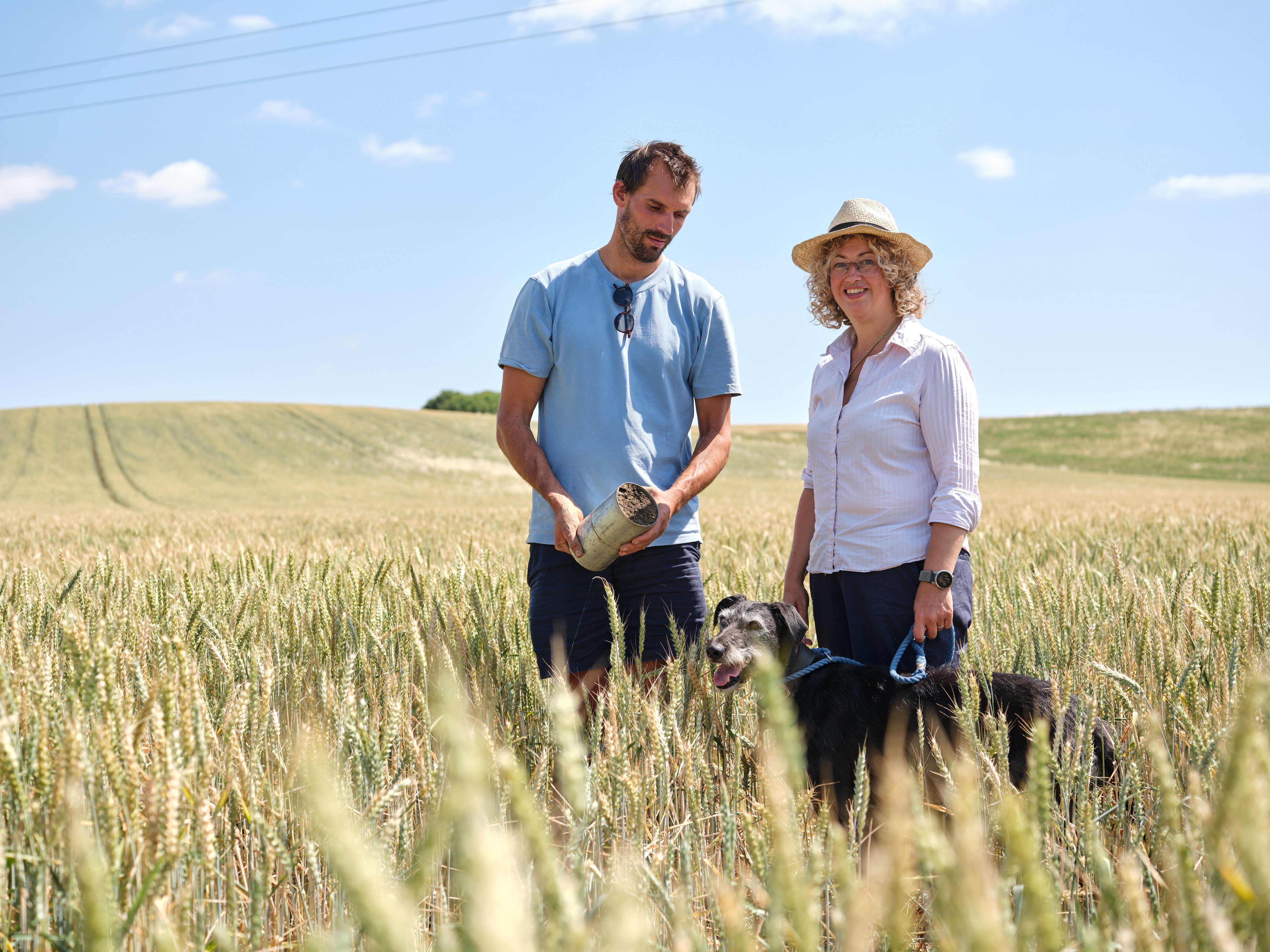
Regenerative agriculture is not an overnight fix; it is a long-term investment in the resilience of British farming and the shared landscapes that support it.
Healthy soils help make harvests more resilient. As research from the European Environment Agency highlights, crops grown in well-structured, biodiverse soils absorb climate shocks far better – helping farms cope during extreme weather while reducing the need for costly chemical inputs
That resilience helps ensure pet food manufacturers can rely more consistently on key ingredients like grains and cereals, helping buffer against crop volatility when harvests face climate challenges.
For Purina, supporting farmers is part of a wider commitment to supply chain resilience – helping ensure that the essential ingredients used in pet nutrition remain available.
The underlying principle is simple: supporting farmers today helps keep pets nourished tomorrow, while caring for the landscapes they love to explore.
Find out more about Purina’s commitments to pets, people and the communities they operate in: Purina in Society - Our Commitments To You | Purina