


 Africana55 Radio

This website uses cookies so that we can provide you with the best user experience possible. Cookie information is stored in your browser and performs functions such as recognising you when you return to our website and helping our team to understand which sections of the website you find most interesting and useful.
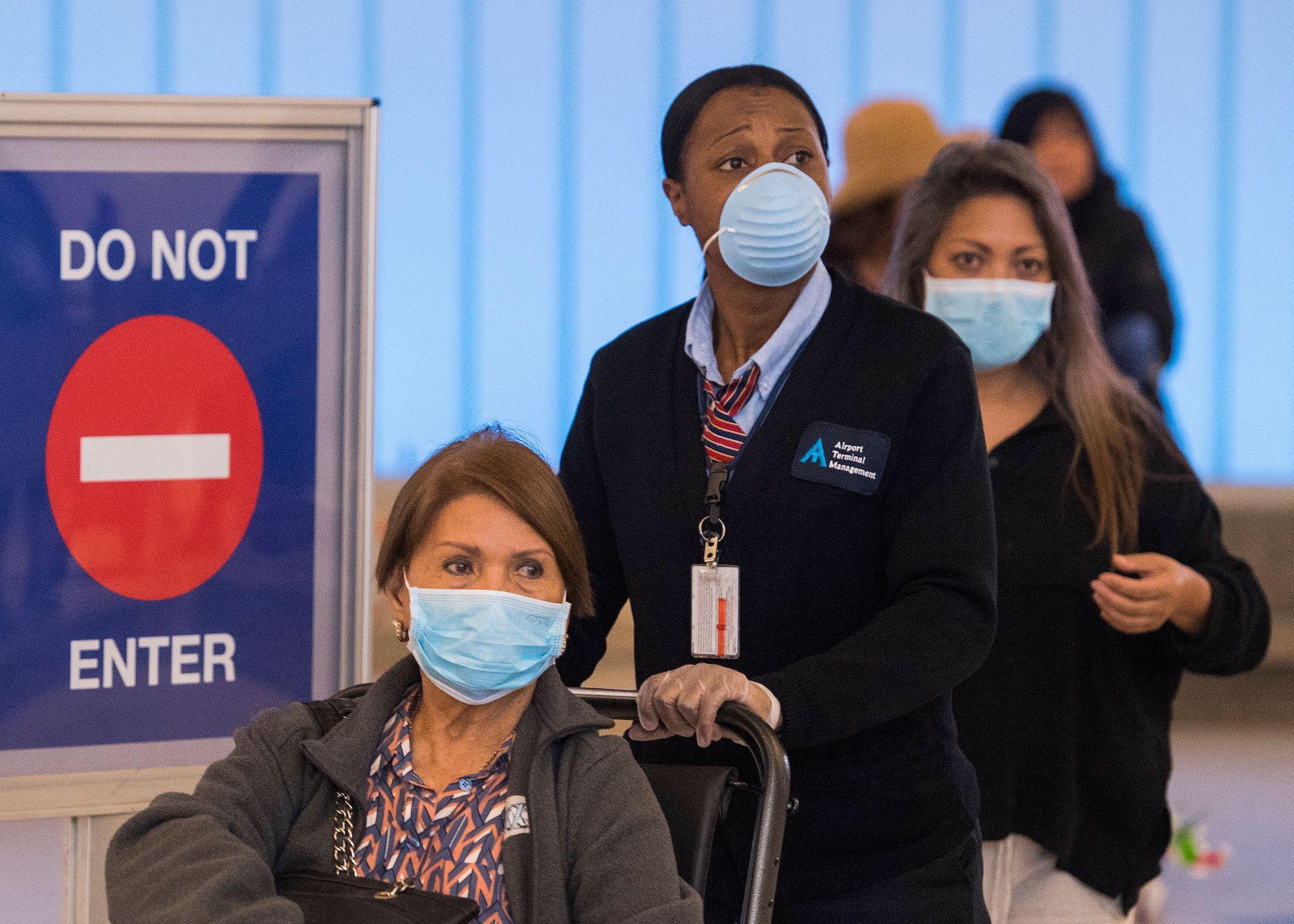
As increasingly extreme measures are being taken to halt the spread of coronavirus, or Covid-19, new travel bans and advisories are being introduced on a daily basis.
Here are the key travel bans you need to know about.
India
As of 12pm GMT on 13 March, the Government of India has suspended all tourist visas and e-visas granted on or before 11 March.
“All existing visas, except diplomatic, official, UN/international organizations, employment, project visas, stand suspended till 15 April 2020,” it said in a statement.
Visas of those already in India remain valid, however, and they may contact the nearest FRRO for visa extension or conversion.
All those entering India, including Indian nationals, are advised against non-essential travel.
Those arriving having visited China, France, Germany, Iran, Italy, South Korea and Spain will be put into a 14-day quarantine.
Czech Republic
The Czech Republic has closed its borders to travellers from 15 nations, including the UK, amid the global coronavirus pandemic.
Prime Minister Andrej Babis declared a 30-day state of emergency, with foreign nationals travelling from Germany, Austria, Italy, Sweden, Norway, France, Netherlands, Belgium, Spain, Denmark, Switzerland, China, South Korea, Iran and the UK all banned from entering the country.
Czech citizens have also been barred from entering the above nations.
Foreigners with permanent Czech residency and cross-border workers will be exempt from the ban.
The ban comes into effect at 11pm GMT on 13 March.
Italy
One of worst-affected countries in the world, Italy has been on lock-down since 9 March, when a national quarantine was imposed. The Italian authorities have advised against travel for tourism purposes throughout Italy, and said that tourists already on holiday in Italy should limit their movements to those necessary to returning home.
Although airports remain open, airline schedules are subject to change and flights are being cancelled all the time, with the majority of carriers ceasing to operate direct flights between Italy and the UK after 13 March.
The Foreign Office advises against all but essential travel to Italy and says: “British tourists in Italy should contact their airline operators as soon as possible to arrange return to the UK.”
Train companies are also reducing services, including to Milan Malpensa airport, and some cross-border bus companies are cancelling their services. Although ports remain open, cruise ship passengers are barred from disembarking.
As part of the new measures, many businesses are closed, including ski resorts.
Slovakia
Slovakia is stopping all international travel to and from the country and introducing border checks.
Prime Minister Peter Pellegrini said that the country’s international airports would close and international bus and train travel would also be halted.
Guatemala
Guаtеmаlа аnnоunсеd іt іѕ bаnnіng citizens from Eurореаn соuntrіеѕ, Іrаn, Сhіnа, Ѕоuth Коrеа аnd Nоrth Коrеа from entering tо рrеvеnt thе ѕрrеаd оf thе соrоnаvіruѕ. The rules came into effect on 12 March.
US
A new travel advisory issued by President Trump on Wednesday night has banned entry to the US for foreign nationals who have visited European countries in the last two weeks.
The ban, which is aimed at quelling the spread of coronavirus in the States, applies to those who have been to countries within the Schengen Area, but not to the UK and Ireland.
The 26 Schengen countries are: Austria, Belgium, Czech Republic, Denmark, Estonia, Finland, France, Germany, Greece, Hungary, Iceland, Italy, Latvia, Liechtenstein, Lithuania, Luxembourg, Malta, The Netherlands, Norway, Poland, Portugal, Slovakia, Slovenia, Spain, Sweden and Switzerland.
Created with Sketch.
Created with Sketch.
1/11 Ben Gurion International airport, Israel
Reuters
2/11 Daxing International Airport, Beijing
AFP via Getty
3/11 Taoyuan International Airport, Taiwan
EPA
4/11 Noi Bai International Airport, Vietnam
AFP via Getty
5/11 Haneda Airport, Tokyo
Reuters
6/11 Changsha Huanghua International Airport, China
Reuters
7/11 Shanghai Pudong Airport in Shanghai, China
EPA
8/11 Daxing International Airport, Beijing
AFP via Getty
9/11 Haneda Airport, Tokyo
Reuters
10/11 Shanghai Pudong Airport in Shanghai, China
EPA
11/11 Noi Bai International Airport, Vietnam
AFP via Getty
1/11 Ben Gurion International airport, Israel
Reuters
2/11 Daxing International Airport, Beijing
AFP via Getty
3/11 Taoyuan International Airport, Taiwan
EPA
4/11 Noi Bai International Airport, Vietnam
AFP via Getty
5/11 Haneda Airport, Tokyo
Reuters
6/11 Changsha Huanghua International Airport, China
Reuters
7/11 Shanghai Pudong Airport in Shanghai, China
EPA
8/11 Daxing International Airport, Beijing
AFP via Getty
9/11 Haneda Airport, Tokyo
Reuters
10/11 Shanghai Pudong Airport in Shanghai, China
EPA
11/11 Noi Bai International Airport, Vietnam
AFP via Getty
Legal permanent US residents and the immediate family members of US citizens will still be permitted entry back into the States.
The advisory is in place for 30 days, starting from 11.59pm on 13 March (3.59am on 14 March in the UK).
It follows the entry ban on all foreign travellers who have been in China or Iran in the last 14 days.
Australia
Australia has imposed travel bans on foreign nationals from China, South Korea, Iran and Italy, and requires Australians and permanent residents returning from those countries to self-isolate for a fortnight.
Citizens are also being asked to “reconsider your need to travel overseas at this time, regardless of your destination, age or health”. Prime Minister Scott Morrison said: “Only essential travel should be considered if you are going overseas from this point forward.”
Japan
Japan has banned entry to passengers who have been in affected regions of China, South Korea or Italy within the last 14 days. Japanese nationals, their spouses and children are exempt.
Thailand
Thailand has suspended its visa exemption policy for travellers from Hong Kong, South Korea and Italy.
Visa on arrival has also been stopped for 18 countries: Bulgaria, Bhutan, Cyprus, Ethiopia, Fiji, Georgia, India, Kazakhstan, Malta, Mexico, Nauru, Papua New Guinea, Romania, Russia, Saudi Arabia, Uzbekistan, Vanuatu and China.
Travellers must apply for visas in advance and present a medical certificate to show they don’t have coronavirus.
Norway
Anyone arriving in Norway from outside the Nordic countries (Denmark, Finland, Iceland, Norway and Sweden, plus Greenland, the Faroe Islands and the Åland Islands) is being told to self-isolate for two weeks, regardless of whether they have symptoms or not, according to the Norwegian Health Directorate.
The restrictions run until 26 March.
Singapore
All new visitors who have travelled to mainland China (not including Hong Kong, Macau and Taiwan) within the last 14 days, will not be allowed to enter or transit through Singapore. This will include travellers who transit in mainland China to Singapore regardless of the duration and whether they had cleared immigration in China.
As of 4 March 2020, all new visitors with recent travel history to Iran, northern Italy or the Republic of Korea within the last 14 days will not be allowed to enter into or transit through Singapore.
From 11.59pm on 15 March 2020, all new visitors who have travelled to France, Germany, Italy and Spain within the last 14 days will not be allowed to enter or transit through Singapore.
Israel
The Israeli Authorities have advised that from 11 March they will extend their entry restrictions to include travellers from the UK. This means no UK travellers will be able to enter Israel unless they can prove they will be placed in home quarantine for 14 days after their arrival.
Peru
Peru has said it is suspending al flights from Europe and Asia.
Paraguay
All direct flights to and from Europe are cancelled from 13 March up to and including 26 March.
Bolivia
In Bolivia, interim President Jeanine Anez said officials would suspend flights to and from Europe.
Argentina
The country will stop issuing visas to travellers and suspend flights from countries including the United States, China, Japan, South Korea and European countries.
Honduras
Honduras is restricting entry of people coming from Europe, China, Iran and South Korea.