


 Africana55 Radio

This website uses cookies so that we can provide you with the best user experience possible. Cookie information is stored in your browser and performs functions such as recognising you when you return to our website and helping our team to understand which sections of the website you find most interesting and useful.
The St George’s flag was once considered a “safe”, more inclusive, alternative to the union jack after the latter was co-opted by the National Front in the Seventies. It became cool in the Nineties thanks to David Baddiel and Frank Skinner’s football song, though while that era is back in fashion, the red and white flag is too – for all the wrong reasons.
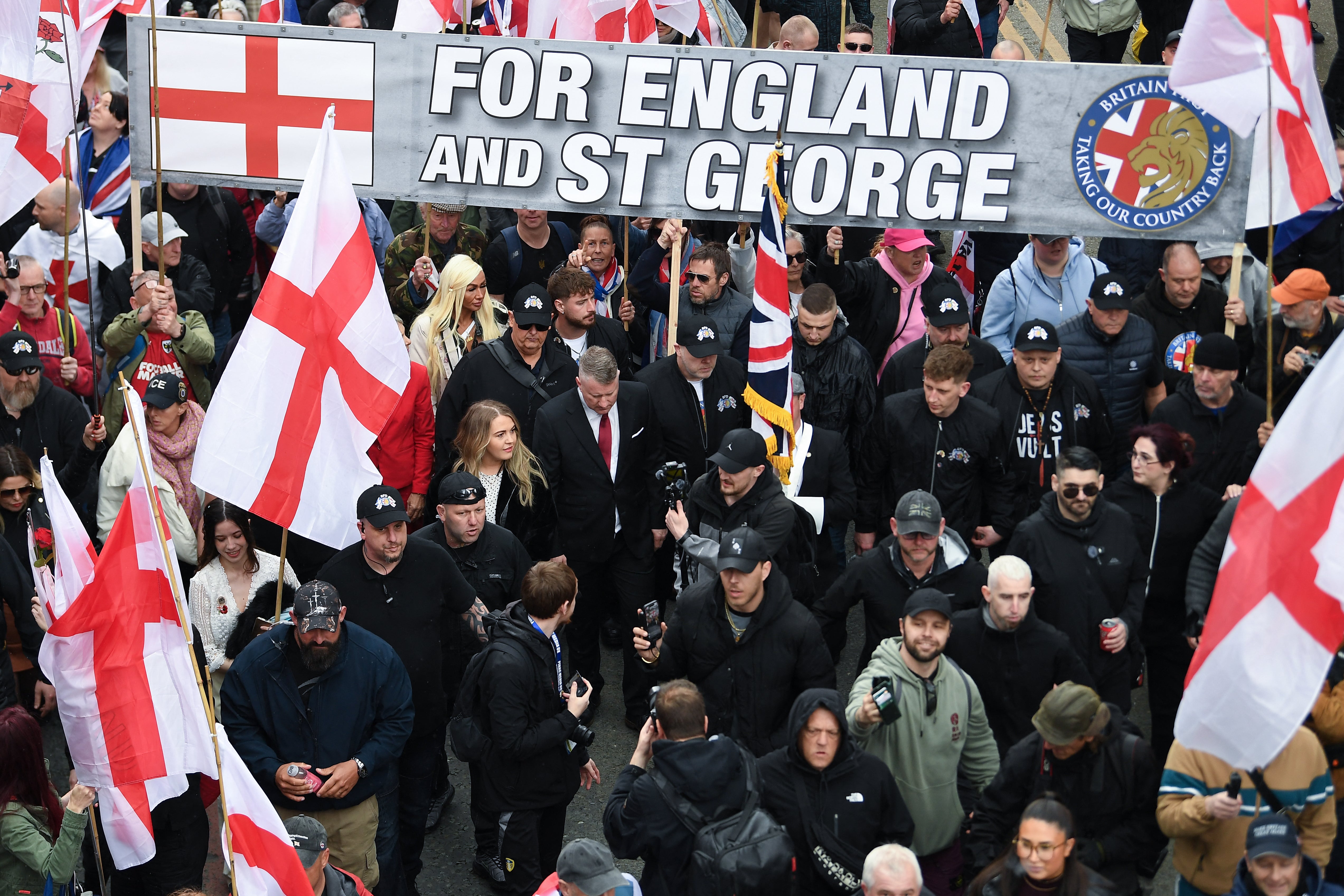
It featured heavily in last summer’s anti-asylum hotel protests, far-right poster boy Tommy Robinson’s overflowing Unite the Kingdom march, and Paul Golding’s arrest-heavy Britain First rallies, and the recent spate of “flagging” has to put it lightly – been a PR nightmare.
“Your dad paints flags on roundabouts” is now the playground’s hottest insult. Decidedly, the St George cross is not cool; it’s a big ick.
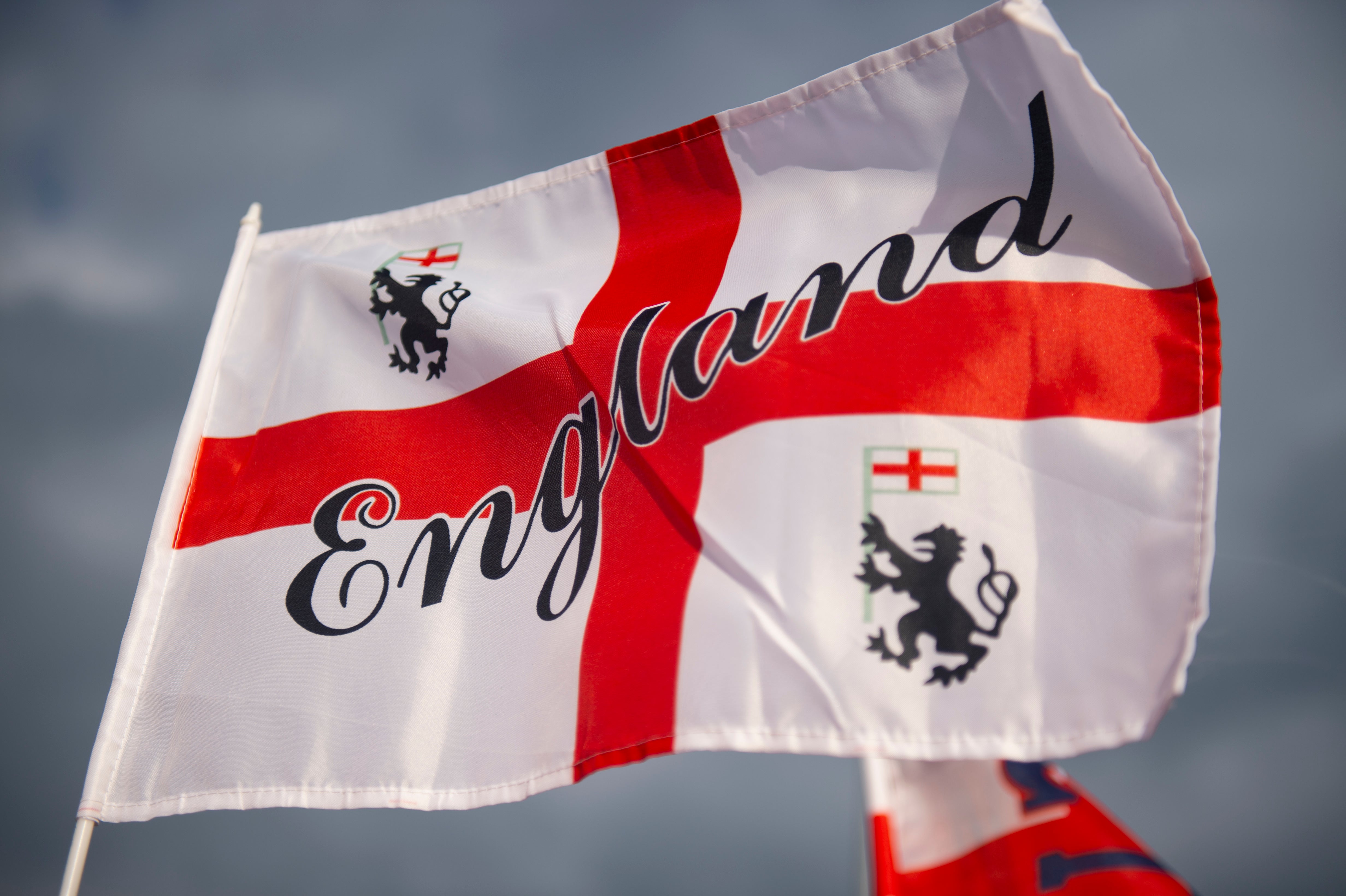
Which is why I was so surprised to walk past the proudly named St George store in Notting Hill; a sister shop to Brandy Melville (the controversial one-size-fits-all clothing brand beloved by in-the-know tweens and teens from Covent Garden to California) that was completely covered in England merch. Traditional flags in one corner, a St George’s pennant in the other – and a busy, bustling, shopfloor.
Notably, Brandy Melville is known for its collegiate designs, learning from labels like Ralph Lauren, who drove Gen-Z to the point of hysteria with the popularity of their £375 “Iconic Flag Jumper”. To adapt to the UK market, the outlet swapped the star-spangled banner for the St George’s cross, which girls are buying – but aren’t totally sure if they can wear outside.
“I’m wondering if it’s too ‘controversial’ to wear to work?” an academic researcher, who found the jumper “cute”, nervously asked Reddit of the garment, now looming in her wardrobe. Many replied that it was.
“My initial reaction when I see an England flag outside someone’s house or along the road is to recoil,” says 26-year-old Liverpudlian fashion journalist Rachel Griffiths, who sees the flag as a symbol of “oppression”.
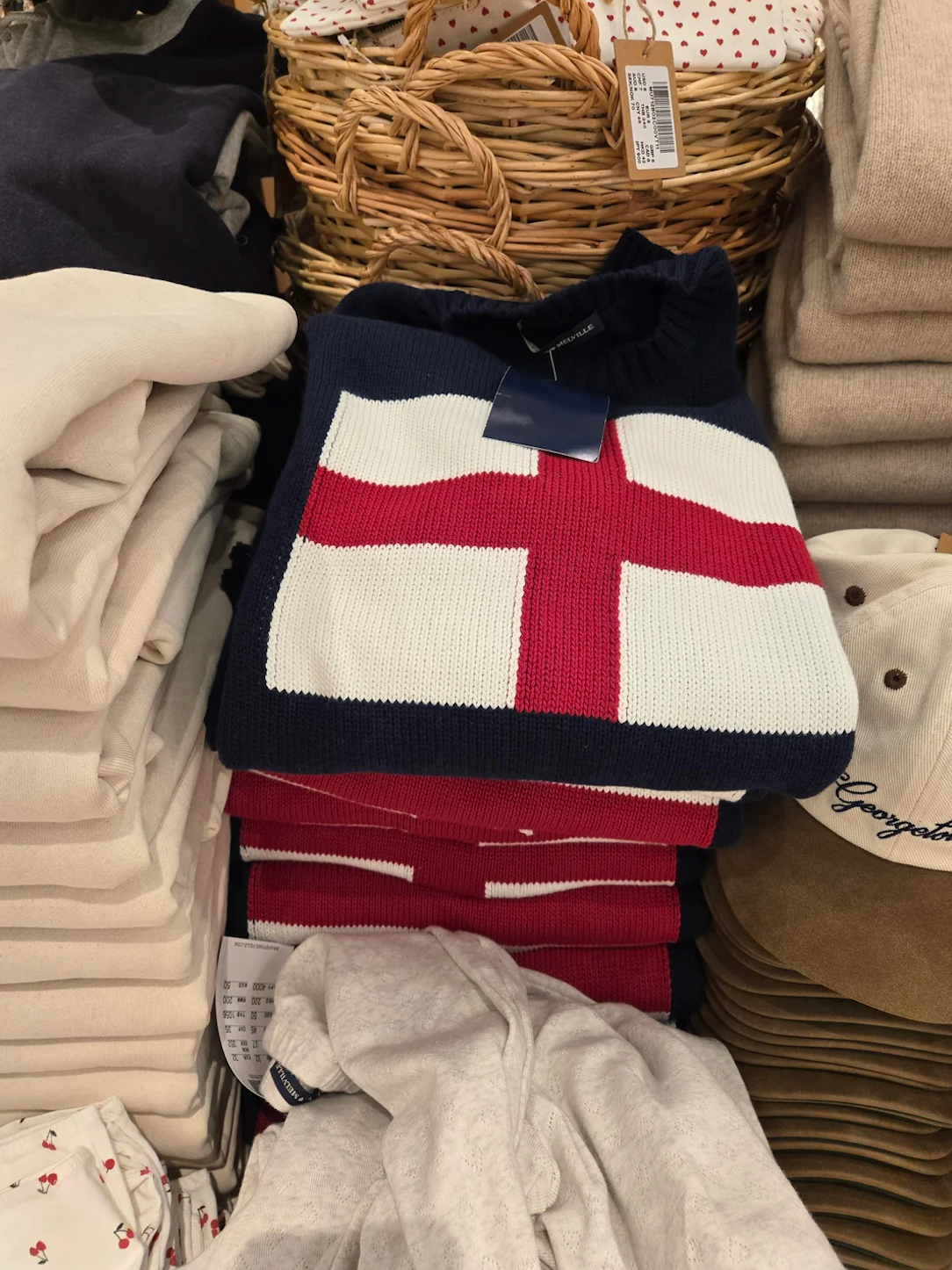
“While in no way do I think that people wearing a Brandy sweatshirt are linked to the aggression towards or villainisation of immigrants, I do think that if people are walking around thinking that their choices aren’t related to that and can be divorced from it, they are wrong,” Griffiths adds. “It’s involved in the same conversation.”
If statistics are to be believed, England has made a sad impression on those aged between 14 and 29. In February last year, YouGov found that 50 per cent of Gen Z believe the country is racist. Meanwhile, just 41 per cent said they’re proud to be British – half the level among young people 20 years ago – and the incessant flag-raising doesn’t appear to be helping.
After last summer’s demonstrations, 29-year-old Manchester-based artist Freya Wysocki wanted to engage with the flag’s ever-darkening context and attempt to rewrite the narrative. She joined the Everyone Welcome project, where creatives in the area used the England flag as a canvas for their own designs, which were centred on unity instead of division.
“What I love about living in the UK is how kind people are around me – I wanted to represent that within the flag,” Wysocki says. “So, I used a lot of hands and arms to show that welcoming hug, or holding out half to help someone out, with the arms wrapping around the red parts of the flag; it symbolises that care that I want people to put into their daily lives.”
Today, Wysocki still wouldn’t put an England flag outside her house – but she would put up one of her designs. “I don’t want to be associated with Britain First and the St George’s cross still very much feels like a symbol of that movement,” she says. “Which is ironic because Saint George was born in modern-day Turkey and raised in Palestine – he never visited England and they’re calling for people who aren’t from here to get out.”
Punks reclaimed the Union Jack in the Seventies by adding their own slogans to it, ripping it up, and wearing it. Sex Pistols released the anti-establishment anthem “God Save the Queen” in 1977, taking to the stage in provocative designs by Vivienne Westwood. The Union Jack became not just a token of national pride but a symbol of rebellion, irony, and anti-establishment anger. The band made it acceptable and powerful for youth culture to play with national symbols in a provocative way.
RuPaul’s Drag Race UK star Bimini Bon-Boulash (Thomas Hibbetts) brought this energy to the anti-far-right march in London earlier this month, stepping out in a red and white bikini, black fishnet tights, and towering heels with a St George’s cross painted across their face. In front of Trafalgar Square, they graffitied the words “No place for h8” across an England flag and made their way through the streets.
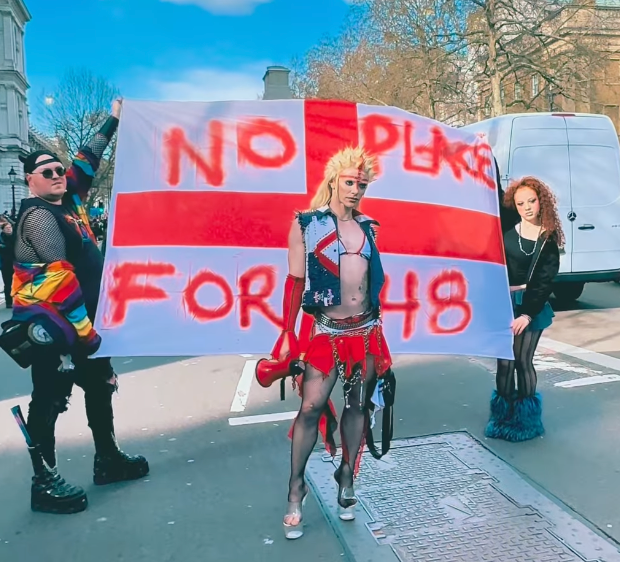
“For too long, the flag has been weaponised by the far-right. It’s been used to intimidate, to divide, and to push a narrow, exclusionary vision of what it means to be English. But we don’t have to surrender our symbols to fascism,” they said. “I wore this flag to stand for a version of this country that belongs to all of us. England is built on diversity, community, and solidarity. When we let the far-right own the flag, we let them own the narrative. It’s time to take it back and redefine it,” they declared.
For this attempt at inclusive patriotism, they were met with death threats.
And long before, football rehabilitated the England flag as a symbol of inclusion and celebration during the Euro 1996 tournament. David Baddiel, Frank Skinner, and The Lightning Seeds’ “Three Lions” blasted on the radio, the team made it through to the semi-final on penalties, and fans merrily swarmed through the streets wrapped in England flags, together.
Even more recently, Corbin Shaw, a 27-year-old artist and football fan from Sheffield, has become known for using the England flag as his canvas. For the 2024 Euros, he emblazoned the slogan “God Save the Team” across the flag, to remind people to treat players with respect after Bukayo Saka, Jadon Sancho and Marcus Rashford experienced discriminatory online abuse after missing their penalties in the 2020 final against Italy.
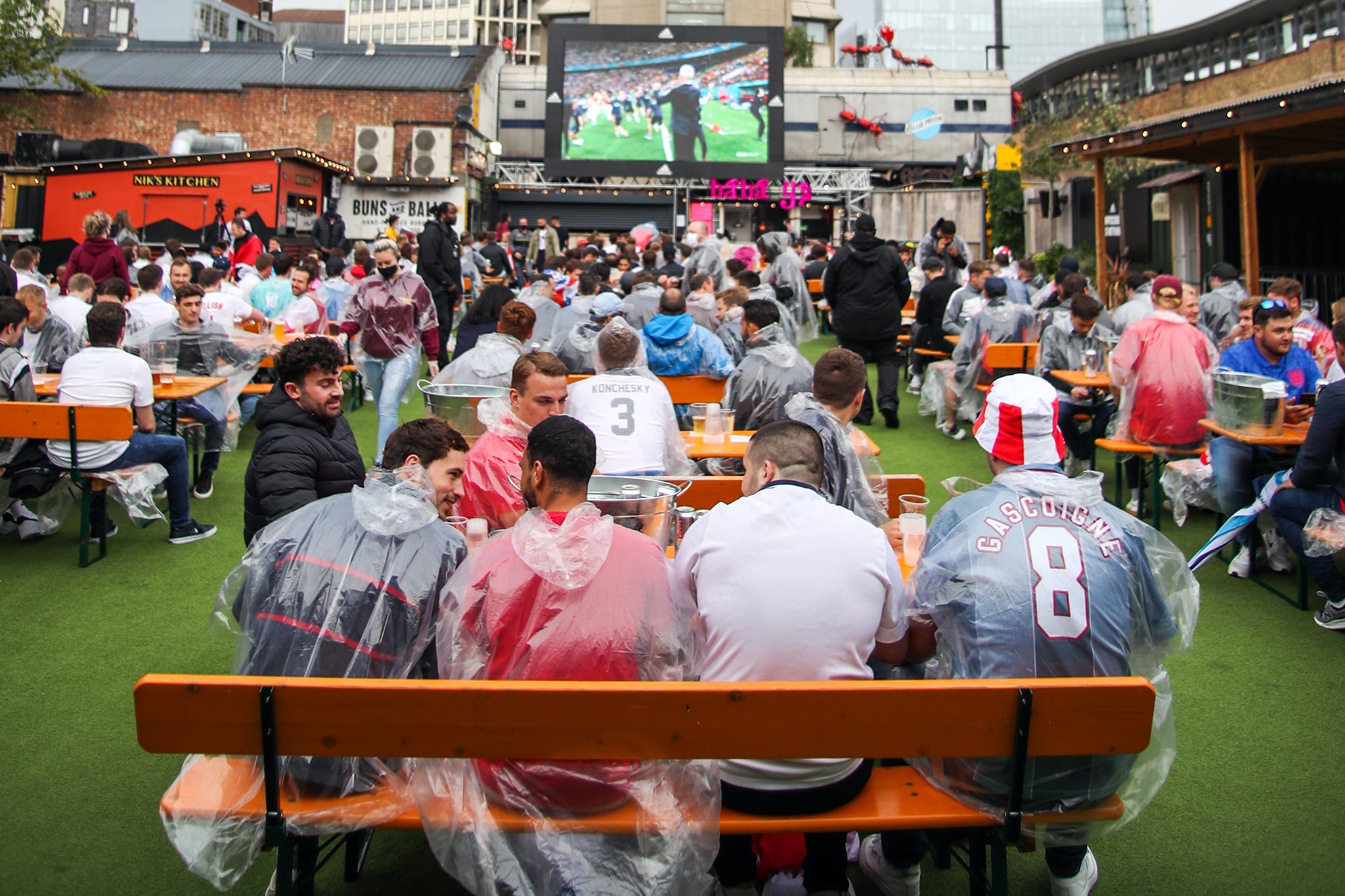
For the 2022 World Cup, Shaw made “He’s Coming Home” flags in collaboration with Women’s Aid to highlight the increased frequency (by as much as 38 per cent) of domestic abuse during tournaments. The following year, he exhibited “Terrified of the Neighbours” flags that pointed to how the nation is “fueled on fear” of each other.
“I’m not ashamed of the flag. I’m not ashamed to be English,” he says. “England makes me proud and the flag is part of my visual language. But it is in a funny place right now,” Shaw adds of the division and far-right riots. “I’m very interested to see how brands and companies use it when the World Cup is on this year because it’s in a very contentious spot.”
Nike caused a stir during the 2024 Euros when they made the St George’s cross on their England strip red, purple and blue, instead of the traditional red-on-white. England’s then-manager Gareth Southgate admitted this “playful update” had left him “a little bit lost”. Nevertheless, the kit was Nike’s strongest-selling England strip of the past decade. Notably, this year’s kit doesn’t appear to have any form of cross on it at all.
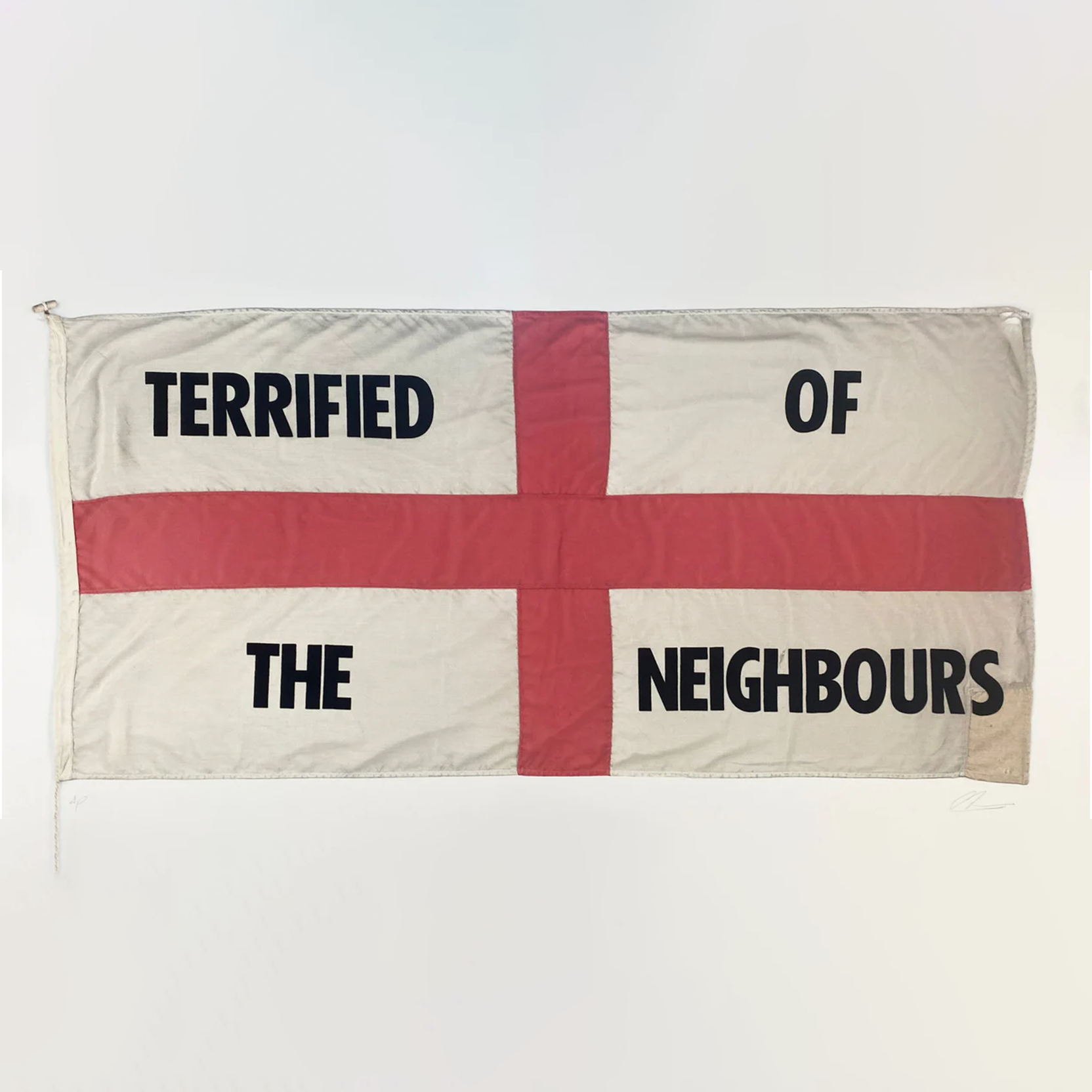
“It has been co-opted by the far right; recently, it's a symbol favoured by the extreme nationalists more than ever in my lifetime,” Shaw says of the necessity for brands to still engage.
“It’s important, for people like me, and artists with a more biracial diaspora, to make work using it,” he affirms. “Fans, people, brands and companies need to get behind it and the England team because we have to work with what we have,” he adds. “It’s who we are and it shouldn’t be taken away from us.”
“We have to work with it publicly to show who actually lives here: hard-working people. It’s just about being more honest about what England actually looks like.”