


 Africana55 Radio

This website uses cookies so that we can provide you with the best user experience possible. Cookie information is stored in your browser and performs functions such as recognising you when you return to our website and helping our team to understand which sections of the website you find most interesting and useful.
The UK government has said it is "closely monitoring" the nation's jet fuel stocks amidst growing concerns over a potential shortage. This comes as airlines prepare for possible disruptions to air travel.
Despite the looming threat, UK airlines have insisted they are "not currently seeing a shortage of jet fuel," according to an update issued by the Department for Transport (DfT) on Friday evening. The DfT noted that carriers typically purchase fuel in advance and airports maintain their own reserves.
However, airports are set to ease regulations, allowing airlines to cancel flights without forfeiting their allocated "slots" – the scheduled times for take-off or landing – should fuel scarcity prevent them from operating.
Passengers have been advised by the DfT to check directly with their airlines before embarking on journeys and to ensure they hold appropriate travel insurance.
The fuel crisis is unfolding as global oil prices continue to surge, a direct consequence of the US-Israel conflict with Iran and the strategic closure of the Strait of Hormuz.
“There is no current need to change upcoming travel plans,” the DfT statement said.
“Since the closure of the Strait of Hormuz, we have been closely monitoring UK jet fuel stocks and working with airlines, airports and fuel suppliers to ensure passengers keep moving and businesses are supported.
“Government regularly meets with industry to monitor risks, understand pressures and ensure clear communication with passengers, should circumstances change.”
It added: “We recognise that families may be concerned, and that aviation and tourism businesses are operating in challenging global conditions.
“We are working hand in hand with industry to help flights keep operating.”
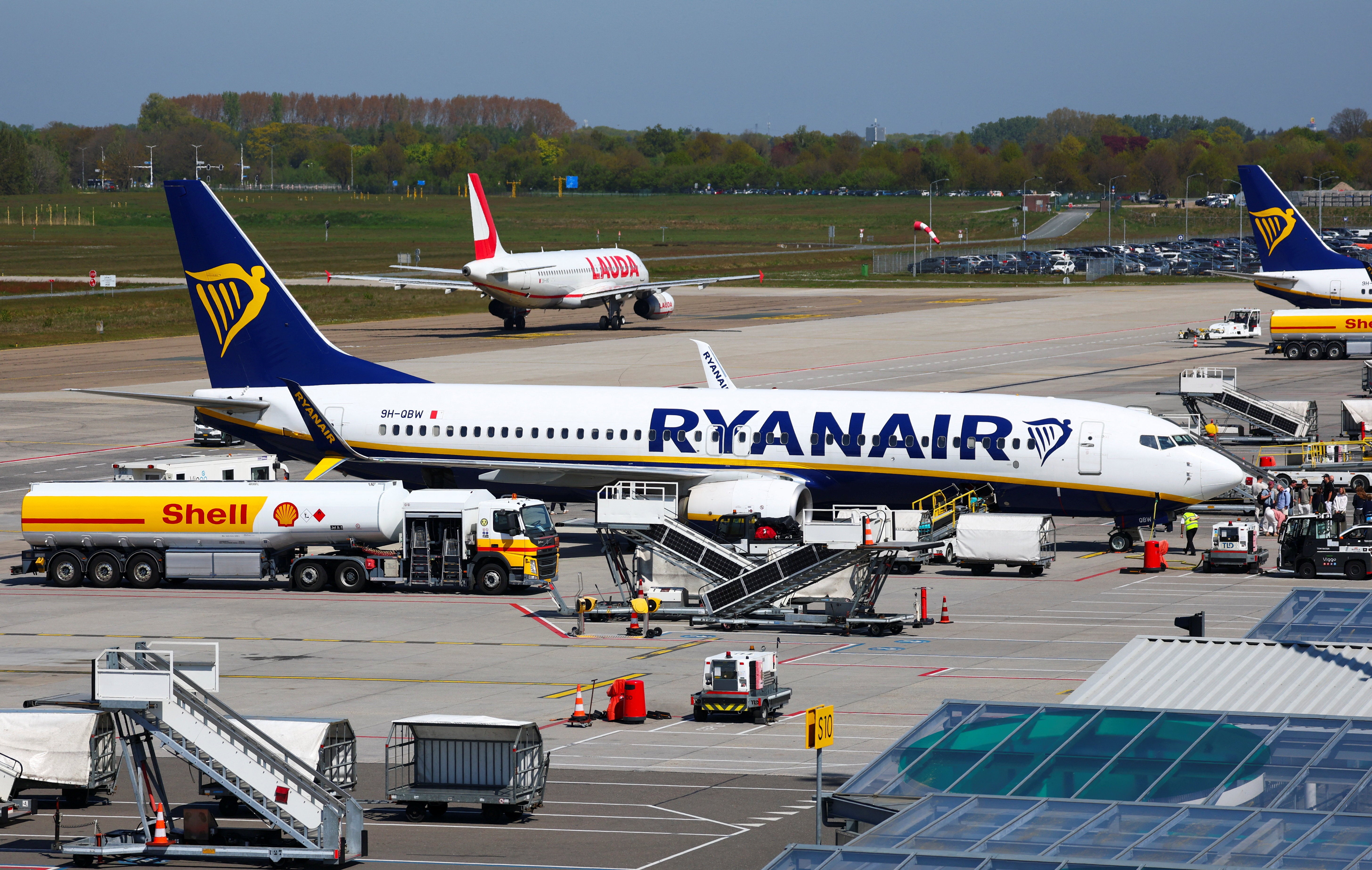
The DfT said airlines will also no longer be required to follow the “use it or lose it” rule at UK airports, whereby airlines must use at least 80% of their allocated slots during a season to keep them for the following year.
“Airport Coordination Limited, the independent body that manages slot allocation at UK airports, has updated its guidance so that airlines will not lose their slots if fuel shortages prevent them from flying,” the DfT update said.
“Airlines can now apply for an exemption from the ‘use it or lose it’ rule in these circumstances.”
A spokesperson for Jet2 said its flight schedule remains unaffected for the foreseeable future.
“We remain in continual dialogue with our fuel suppliers, as is standard practice,” the spokesperson said.
“Based on the conversations we have been having, we see no reason not to look forward to operating our scheduled programme of flights and holidays as normal.”
The airline also confirmed there will be no surcharge on any booked flights or holidays to cover cost increases, including those linked to jet fuel.
“Amidst speculation that some airlines and travel companies may introduce such surcharges, which would mean their customers facing additional costs after making a booking, Jet2 has removed the surcharge provision across all flights and holidays, even though the company has never previously applied them,” the airline announced on Friday.
Steve Heapy, CEO of Jet2, said: “Holidaymakers should have every right to book their hard-earned break in the sun, without worrying about being hit with additional costs, and they can have that complete assurance when they book a flight or holiday with Jet2.
“As a result of today’s announcement, customers booking with Jet2 know that they are locking in their price without additional cost surprises later and we strongly believe that is the right thing to do by them.”
It is understood that Virgin Atlantic and easyJet are also expecting to operate as normal.