


 Africana55 Radio

This website uses cookies so that we can provide you with the best user experience possible. Cookie information is stored in your browser and performs functions such as recognising you when you return to our website and helping our team to understand which sections of the website you find most interesting and useful.
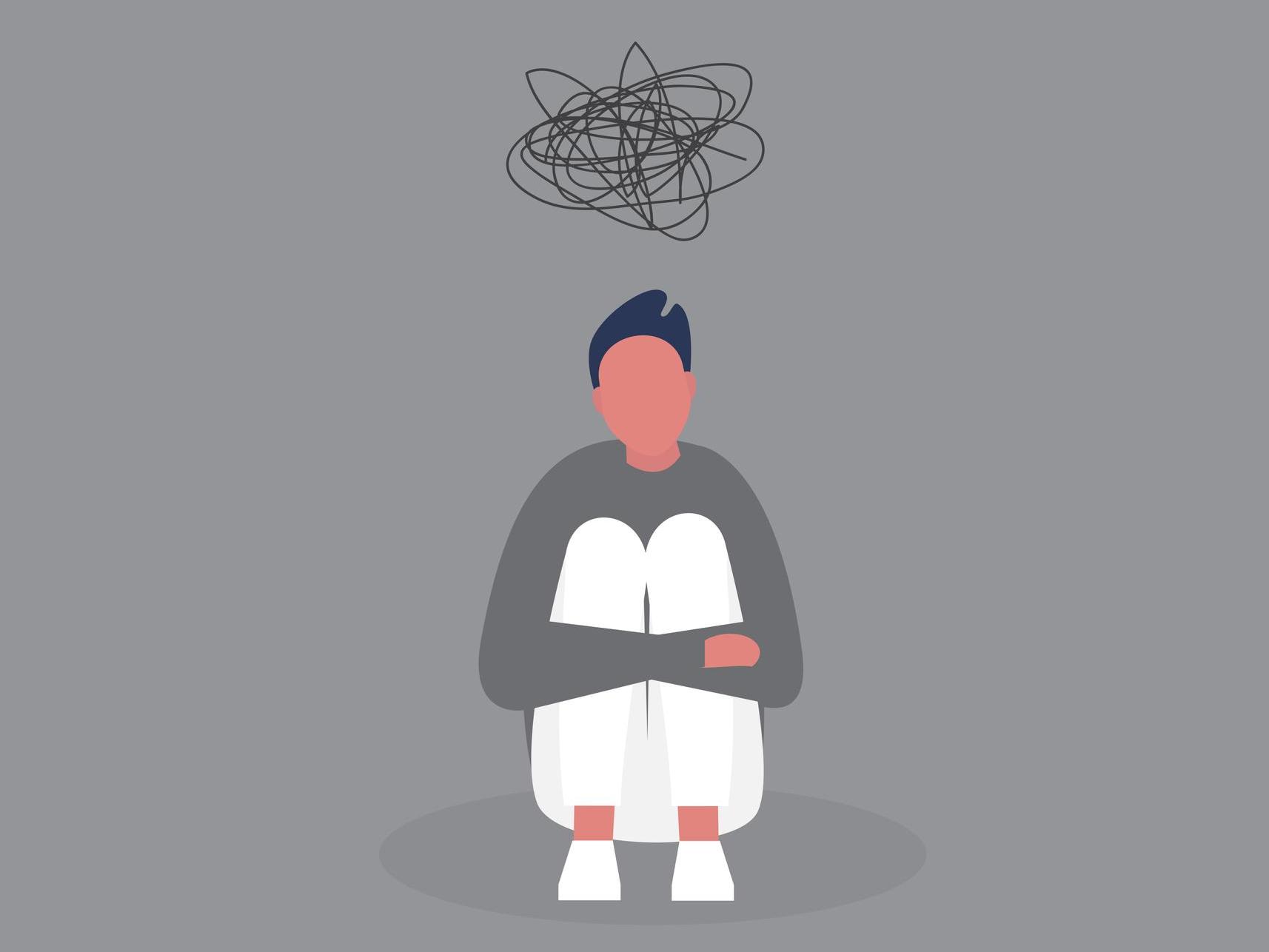
Where we might have once lived our lives tied to a diary - meetings, dinners with friends, exercise classes and holidays to break up monotony - the coronavirus outbreak has rendered calendars somewhat obsolete.
And as the UK settles into its sixth week in lockdown it seems many of us (particularly those working from home) are starting to lose track of time.
Sure, you might be able to mix things up by varying the time of your Zoom drinks or going for your walk in the evening instead of the morning, but every day is pretty much the same when you’re stuck at home indefinitely.
And those working through the pandemic may at least be able to distinguish between the weekdays and weekends, but for the millions of Britons who have been furloughed, it is even harder to separate one day from the next.
Google searches for “what day is it?” have been steadily rising throughout lockdown as people desperately try to recover a semblance of normality.
Likewise, the phrase has been trending on social media, with more than 307,600 posts under the hashtag #WhatDayIsIt on Instagram demonstrating how many people are struggling with the phenomenon.
Why does lockdown confuse our sense of time?
Struggling with time is only normal given the pandemic has ruptured our sense of routine, says Mary E. McNaughton-Cassill, clinical psychology professor at the University of Texas.
“During normal times our days, weeks and months follow predictable patterns,” she tells The Independent. “How we dress, what we eat, when we go to bed and when we wake up are all dictated by our work, school and leisure routines.” This reliance on structure is why certain activities or forms of behaviour have become synonymous with the days of the week.
Hence why phrases such as “for a Monday” and “it’s almost Friday” have become common parlance for describing a certain mood or pattern of behaviours. For example, struggling with motivation on a Monday and being elated on a Friday, McNaughton-Cassill explains.
But in lockdown, of course, many of these cues have been eliminated. Our homes are no longer places to unwind. They are our schools, nurseries, offices, cafes, co-working spaces, bars and cinemas.
“Even when we have time off, restaurants and theatres are closed, and the sporting events that we rely on for entertainment have been suspended,” adds McNaughton-Cassill. “The result is that the days tend to run together, and in the absence of clear differences between the days it becomes hard to tell them apart.”
It’s a similar feeling to when we are on holiday or unwell, and therefore aren’t following our normal routines. This is particularly true for those working from home who would normally structure their days around their office hours and their commute.
“Now, there are fewer work-related cues for people to pace their days,” says McNaughton-Cassill, which is why we don’t simply lose track of the days, but of the time, too.
Without a commute or social plans, we also have more time to spend at home than ever before. Hence why we may find ourselves engaging in comforting and escapist activities to fill that time, such as binge-watching a TV series or spending hours on social media.
“Such activities can also blur time,” says McNaughton-Cassill, “because we aren’t paying attention to the real world things going on around us”. Increased screentime can also hinder our sleep and lead to feelings of “grogginess“, which too can disrupt our sense of time.
Created with Sketch.
Created with Sketch.
1/29
A man walks down a deserted Camden High Street
Photos Angela Christofilou
2/29
Goodge Street Station is one of the many stations closed to help reduce the spread
Angela Christofilou
3/29
An empty street in the heart of Chinatown
Angela Christofilou
4/29
People in masks in Chinatown a day after the lockdown
Angela Christofilou
5/29
A near-empty Piccadilly Circus during the first week of lockdown
Angela Christofilou
6/29
Sonja, my neighbour, who I photographed while taking a short walk. It was nice to briefly chat even from a distance
Angela Christofilou
7/29
A couple sit on the empty steps of the statue Eros in Piccadilly Circus
Angela Christofilou
8/29
Making sure I stay two-meters apart – D’Arblay Street, Soho
Angela Christofilou
9/29
A mannequin behind a shop window. UK stores have closed until further notice
Angela Christofilou
10/29
A notice displayed on a shop window in Camden
Angela Christofilou
11/29
As part of the lockdown, all non-essential shops have been ordered to close.Image from Camden High Street
Angela Christofilou
12/29
A skateboarder wearing a mask utilises his exercise allowance in the Camden area
Angela Christofilou
13/29
Communities have been coming together in a time of need
Angela Christofilou
14/29
A woman stands alone in a deserted Oxford Street. Up until a few weeks ago, on average, half a million people visited the street per day
Angela Christofilou
15/29
A couple walk hand in hand down a street in Soho, a day before the stricter lockdown was announced
Angela Christofilou
16/29
During the first week of March, shoppers focused on stockpiling necessities ahead of a countrywide lockdown
Angela Christofilou
17/29
Many supermarkers are operating a queuing system to make sure only a limited amount of customers are allowed in at anyone time
Angela Christofilou
18/29
‘Stay Safe’ – Curzon cinemas are temporarily closed under the new measures
Angela Christofilou
19/29
Pubs, restaurants and bars were ordered to shut as part of the lockdown
Angela Christofilou
20/29 Camden High Street
There are fears that coronavirus could lead to permanent closure of struggling shops
Angela Christofilou
21/29
Camden Town is eerily silent on a normal working day
Angela Christofilou
22/29
Shops and supermarkets ran out of hand sanitisers in the first week of the lockdown. As we approach the end of the second week most shops now have started to stock up
Angela Christofilou
23/29
Empty streets around Soho
Angela Christofilou
24/29
A noticeboard on Camden High Street urges the public to stay at home
Angela Christofilou
25/29
Camden High Street, one of London’s busiest tourist streets turns quiet
Angela Christofilou
26/29
Thriller Live confirmed its West End run ended in the wake of the coronavirus outbreak
Angela Christofilou
27/29
Empty and eerie Soho streets after stricter rules on social distancing announced
Angela Christofilou
28/29
A woman pauses for a cigarette on Hanway Street, behind Tottenham Court Road
Angela Christofilou
29/29
A man steps outside onto Hanway Street, that sits behind what is usually a bustling retail hub
Angela Christofilou
1/29
A man walks down a deserted Camden High Street
Photos Angela Christofilou
2/29
Goodge Street Station is one of the many stations closed to help reduce the spread
Angela Christofilou
3/29
An empty street in the heart of Chinatown
Angela Christofilou
4/29
People in masks in Chinatown a day after the lockdown
Angela Christofilou
5/29
A near-empty Piccadilly Circus during the first week of lockdown
Angela Christofilou
6/29
Sonja, my neighbour, who I photographed while taking a short walk. It was nice to briefly chat even from a distance
Angela Christofilou
7/29
A couple sit on the empty steps of the statue Eros in Piccadilly Circus
Angela Christofilou
8/29
Making sure I stay two-meters apart – D’Arblay Street, Soho
Angela Christofilou
9/29
A mannequin behind a shop window. UK stores have closed until further notice
Angela Christofilou
10/29
A notice displayed on a shop window in Camden
Angela Christofilou
11/29
As part of the lockdown, all non-essential shops have been ordered to close.Image from Camden High Street
Angela Christofilou
12/29
A skateboarder wearing a mask utilises his exercise allowance in the Camden area
Angela Christofilou
13/29
Communities have been coming together in a time of need
Angela Christofilou
14/29
A woman stands alone in a deserted Oxford Street. Up until a few weeks ago, on average, half a million people visited the street per day
Angela Christofilou
15/29
A couple walk hand in hand down a street in Soho, a day before the stricter lockdown was announced
Angela Christofilou
16/29
During the first week of March, shoppers focused on stockpiling necessities ahead of a countrywide lockdown
Angela Christofilou
17/29
Many supermarkers are operating a queuing system to make sure only a limited amount of customers are allowed in at anyone time
Angela Christofilou
18/29
‘Stay Safe’ – Curzon cinemas are temporarily closed under the new measures
Angela Christofilou
19/29
Pubs, restaurants and bars were ordered to shut as part of the lockdown
Angela Christofilou
20/29 Camden High Street
There are fears that coronavirus could lead to permanent closure of struggling shops
Angela Christofilou
21/29
Camden Town is eerily silent on a normal working day
Angela Christofilou
22/29
Shops and supermarkets ran out of hand sanitisers in the first week of the lockdown. As we approach the end of the second week most shops now have started to stock up
Angela Christofilou
23/29
Empty streets around Soho
Angela Christofilou
24/29
A noticeboard on Camden High Street urges the public to stay at home
Angela Christofilou
25/29
Camden High Street, one of London’s busiest tourist streets turns quiet
Angela Christofilou
26/29
Thriller Live confirmed its West End run ended in the wake of the coronavirus outbreak
Angela Christofilou
27/29
Empty and eerie Soho streets after stricter rules on social distancing announced
Angela Christofilou
28/29
A woman pauses for a cigarette on Hanway Street, behind Tottenham Court Road
Angela Christofilou
29/29
A man steps outside onto Hanway Street, that sits behind what is usually a bustling retail hub
Angela Christofilou
This effect of losing one’s sense of time has also been observed in explorers who visit isolated areas, says Dr Natasha Bijlani, consultant psychiatrist at the Priory Hospital in Roehampton.
“We see it in those who have either deliberately isolated themselves from society in the wilderness or in those who have become lost during their expeditions,” she tells The Independent. “It is also evident in prisoners in solitary confinement.”
Can we do anything about it?
To those experiencing difficulties remembering the time or what day it is, Dr Bijlani suggests enforcing structure and rhythm into your daily routine. “Try to wake up at the same time each day, eat healthy meals at regular intervals and ensure adequate hydration throughout the day,” she says, adding that it’s best too avoid excessive alcohol as this will disrupt your sleeping patterns even further.
Other tips include getting exercise where possible, not remaining sitting for prolonged periods of time and setting some boundaries on your working hours, avoiding working overtime. “Try and create a different structure for the weekend from the weekdays, too,” she adds, “so you are able to differentiate between them”.
Given that we don’t know how long this period of lockdown will last, McNaughton-Cassill explains that it is also important to try and come to terms with this new reality.
“Setting specific goals, and scheduling time to achieve them in addition to our other obligations, can help us to structure the days, and feel more productive,” she adds. This will also provide a sense of achievement, something many of us have been lacking in lockdown.
McNaughton-Cassill remains optimistic that, if handled correctly, lockdown will fly by and before we know it, we’ll be back to feeling anxious about our over-scheduled lives: “Ironically, once we contain this virus and things go back to normal, we may find ourselves missing this less structured time.”