


 Africana55 Radio

This website uses cookies so that we can provide you with the best user experience possible. Cookie information is stored in your browser and performs functions such as recognising you when you return to our website and helping our team to understand which sections of the website you find most interesting and useful.

Want to bookmark your favourite articles and stories to read or reference later? Start your Independent Membership today.
Already a member? Log in
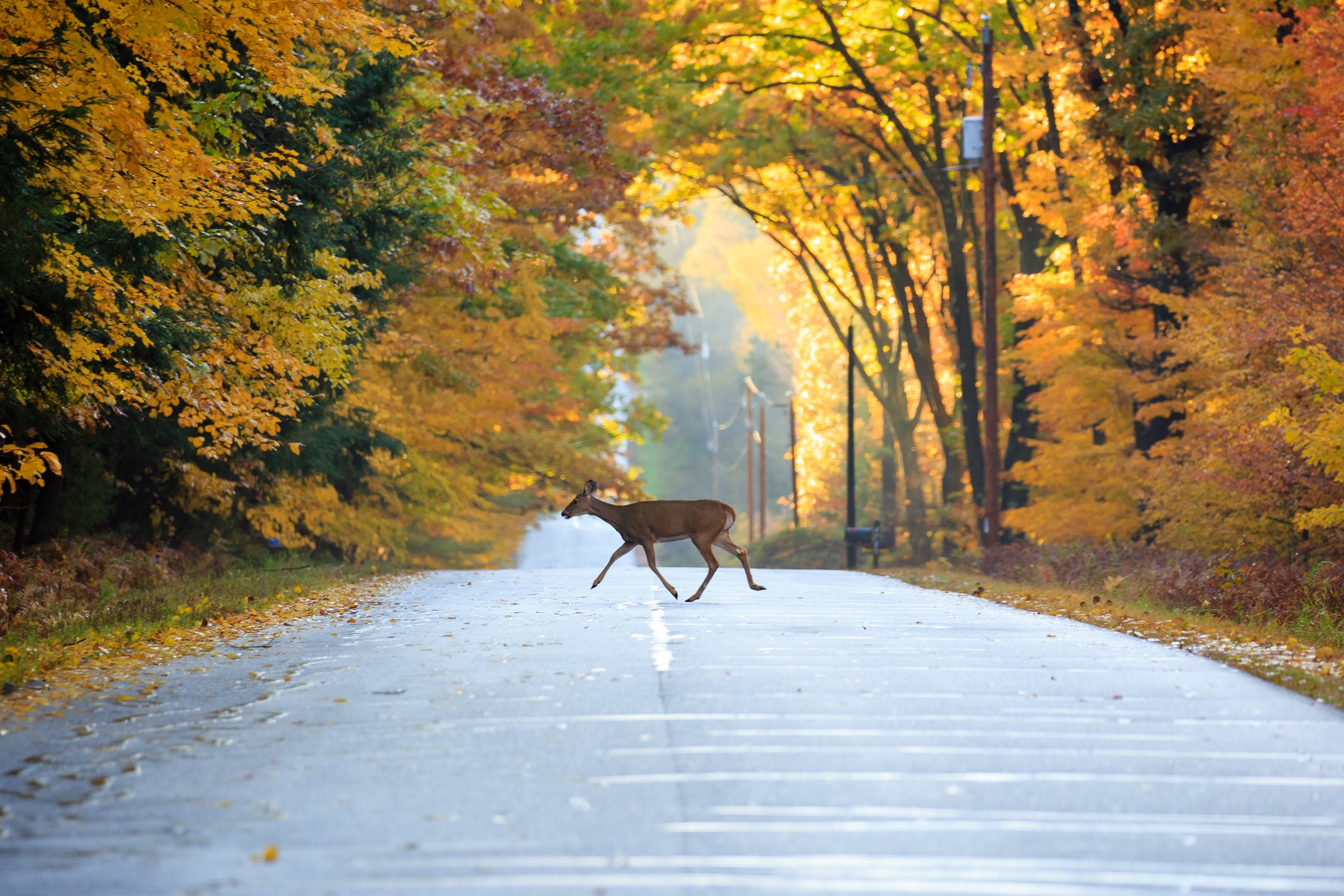
Drivers across the UK are being advised to exercise extra caution behind the wheel as the peak season for deer-related vehicle collisions draws near.
GEM Motoring Assist has noted that October through to December is traditionally the highest-risk period for strikes, as the annual 'autumn rut' overlaps with darker evenings and busy rush-hour travel.
The road safety organisation warned that such incidents are not limited to quiet rural roads, with animals frequently straying onto major A-roads and dual carriageways while travelling between fields and suburban gardens.
Figures provided by the British Deer Society indicate that upwards of 40,000 deer die in collisions nationwide every year. Meanwhile, the RSPCA estimates show the resulting vehicle damage costs drivers at least £17 million on an annual basis.
James Luckhurst, GEM head of road safety, said: “The next few weeks bring a predictable seasonal risk, but it is one that can catch drivers out on even familiar roads.
“Deer can emerge from cover with very little warning, and darker evening journeys reduce the time available to react. We want drivers to recognise the risk, reduce speed where deer may be present and keep scanning the road and verges ahead.
“If a deer runs into your path, your priority must be to remain in control. Brake firmly if it is safe to do so, but avoid a sudden swerve. A sharp change of direction can put you into the path of an oncoming vehicle, take you off the road or lead to a much more serious collision.”
Drivers are being advised to slow down and stay alert – particularly in areas where deer warning signs are installed – and expect deer to be crossing roads at dawn and dusk. If a collision looks unavoidable, motorists shouldn’t swerve, as this could push them into oncoming traffic, a ditch or other obstacles at the roadside.