


 Africana55 Radio

This website uses cookies so that we can provide you with the best user experience possible. Cookie information is stored in your browser and performs functions such as recognising you when you return to our website and helping our team to understand which sections of the website you find most interesting and useful.

Want to bookmark your favourite articles and stories to read or reference later? Start your Independent Membership today.
Already a member? Log in
France was the first country I visited abroad after being diagnosed with coeliac disease last year. Just two months after being told I had to adhere to a strict gluten-free diet for life, I stayed in the middle of the countryside for a friend’s wedding and had a bit of a shock.
In true French style, I was surrounded by delicious but unspecified cured meats, and it was almost impossible to avoid crumbs from French baguettes everywhere. With no shops nearby, I was limited in what I could safely eat on that trip.
Coeliac disease affects an estimated one in 100 people and is an autoimmune condition. For those with the illness, even tiny amounts of gluten in wheat, barley, rye and spelt make the body’s immune system attack its own tissues, and this can cause nasty short-term symptoms such as stomach pain and nausea, and serious long-term complications like cancer.
As a result of my first experience in France, I approached a holiday to Paris this summer with trepidation, but I was assured by others with allergies that the capital is well prepared. But is that actually true?
Hotels
When the Metro quickly whisked me away from the Eurostar terminal to the cool and eclectic Le Pigalle hotel, the staff were so confident in catering for me I truly thought Paris would be a doddle.
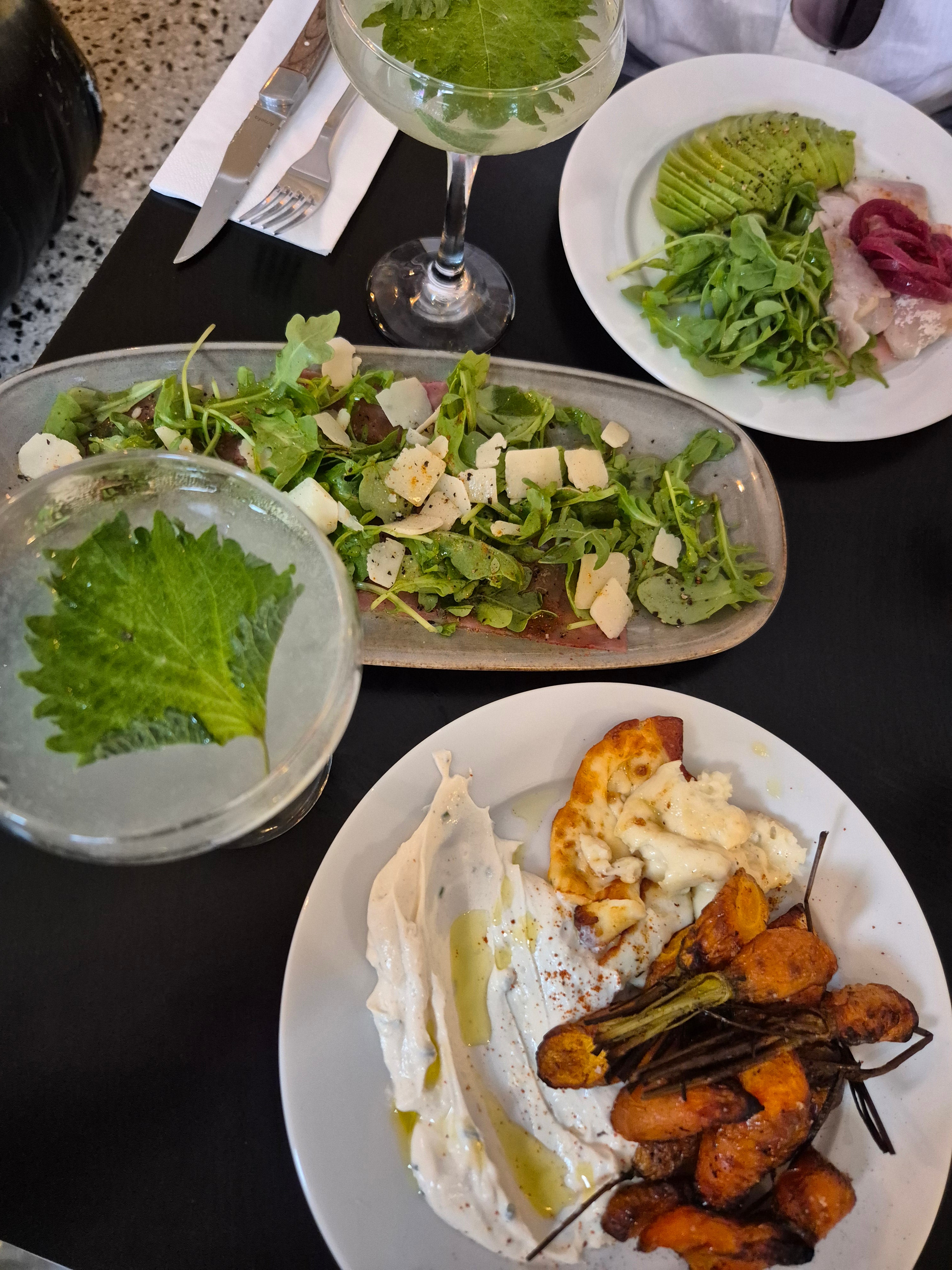
Soon after arriving, we enjoyed a sharing lunch of small plates including sea bream ceviche and grilled carrots and halloumi, which felt fresh and wholesome, accompanied by surprisingly strong cocktails. There could have been more gluten-free options – a lot of the menu I couldn’t eat – but the staff were clear on what I could have and were aware of the need to prepare everything separately. Breakfast was similar, with the main option for coeliacs being a freshly cooked omelette, but it was perfectly seasoned and not rubbery at all.
Our room at Le Pigalle was cheeky and quirky, with some adult-only imagery around the room nodding to the background of the area, which used to be famous as Paris’s main red-light district. It even had a bathtub perfect for a romantic getaway.
Read more: The best hotels in Paris
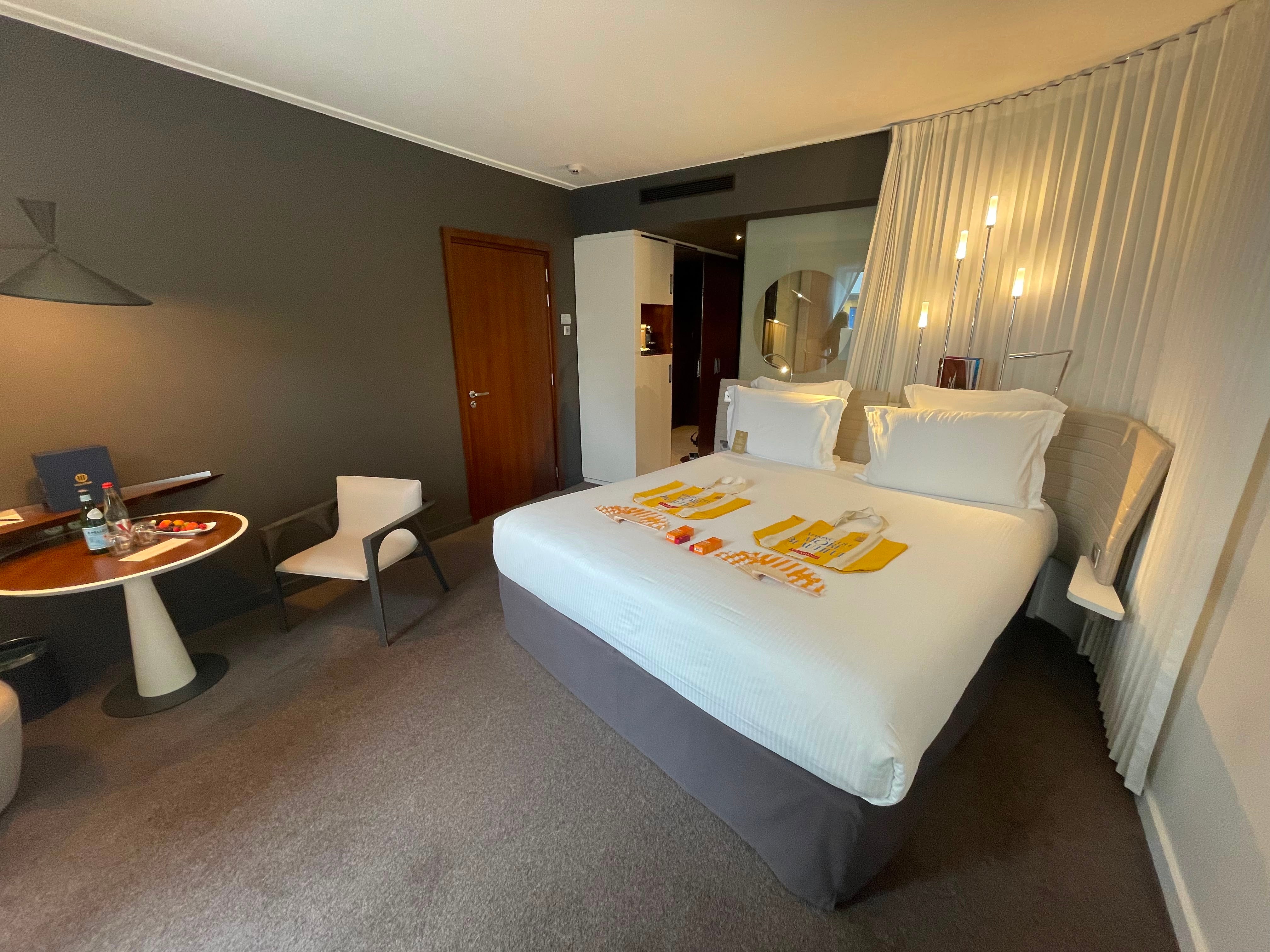
Buoyed by my positive experience at the first property, we headed over to Molitor Hotel, which also has a fascinating history. Originally a public facility, the pool was classified as a historic monument in 1990, after falling into disrepair and closing the previous year. The Accor Group redeveloped the pool, maintaining its Art Deco style and reopening it as a five-star hotel over a decade ago. The rooms are spacious and clean, and align well with the building’s history – for example, by including photos of what the pool used to look like – while remaining modern.
However, the food unfortunately did not live up to the hotel’s obviously high standards. On sitting down in Molitor’s airy rooftop restaurant, I was delighted to see most of the menu was labelled as gluten-free, and the staff assured me my order would be handled separately due to my coeliac disease. After a tasty main of tender lamb skewers, I started to relax, and we ordered the fresh berries with cream and chocolate mousse for dessert to share, which were both labelled gluten-free. I was suspicious of the biscuit on top of the mousse, so I checked with the waiter and I was assured it contained no gluten. Unfortunately, after I had eaten a couple of bites, they came back and told me it was not gluten-free, despite the menu labelling.
I will spare the details, but I was unwell that evening and it ruined an evening of my holiday. Staff at the hotel were receptive to our feedback and assured me they would review their menu and staff training, and they also apologised by offering room upgrades. But the whole experience was a huge knock to my confidence in travelling with coeliac disease. I was very lucky I only ate a small amount, as otherwise the effects may have been even worse.
A spokesperson for Molitor Hotel told The Independent: “We are truly sorry for the incident that occurred. Our chef has personally reviewed all the components across every food and beverage outlet in the establishment to ensure that no other dish was affected by this unfortunate error, and that no other shortcoming was identified in our menus or our allergen list.”
Bakeries
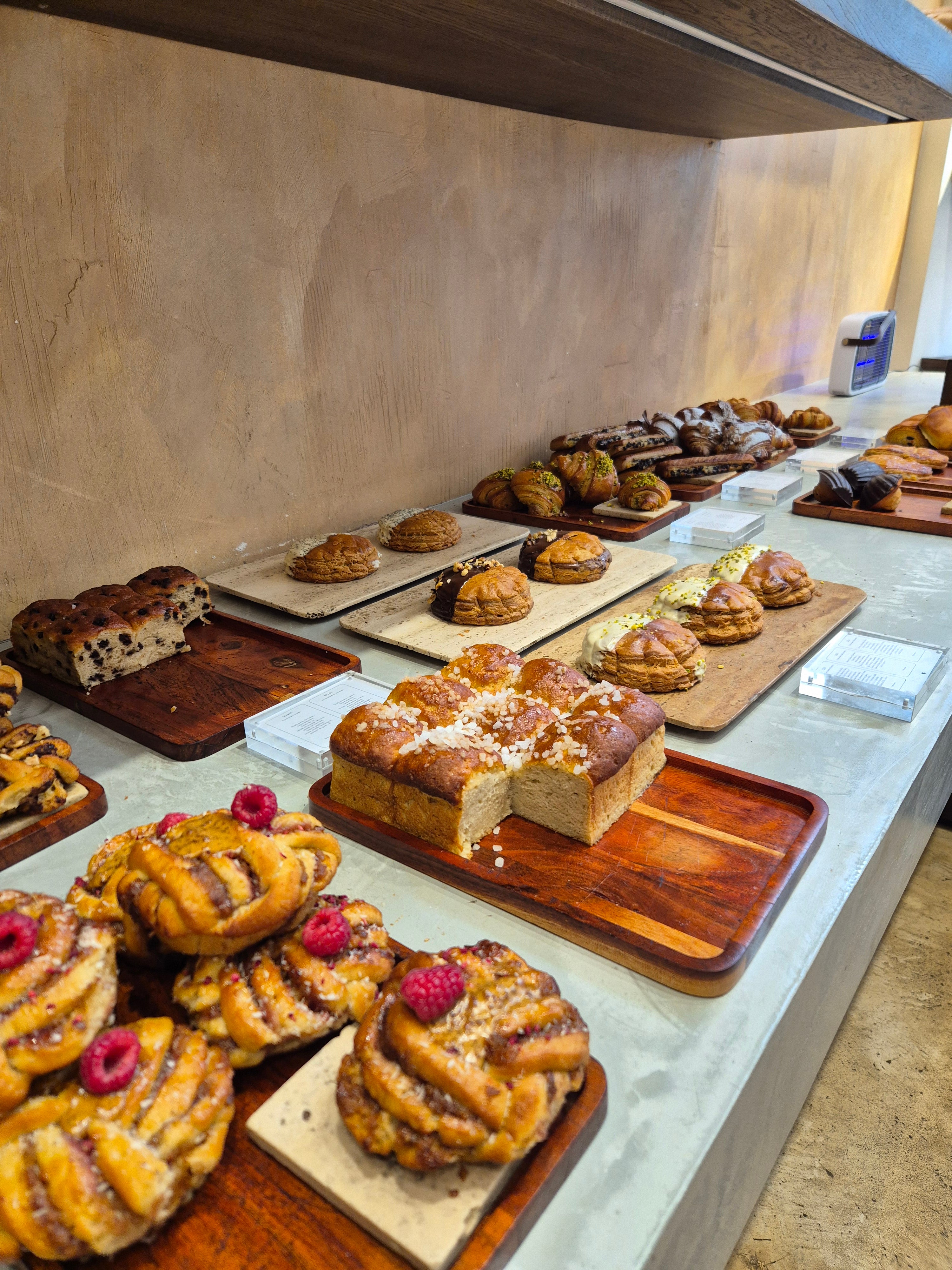
As a result of not feeling confident enough to eat breakfast at Molitor Hotel, I ended up being forced to explore the gluten-free bakeries Paris had to offer in the mornings, in a slight silver lining to what had happened.
I had to visit the much-hyped Copains, which has opened several branches in Paris recently, and two in London just this year. The bakery – whose name reflects the French words for “friends” and “bread” – does not treat the avoidance of gluten as a restriction. And coeliacs like me are in for a treat, as there are so many options, from classic croissants and pastries to fruit tarts, chocolate éclairs and even breakfast rolls. Everything I tried was delicious, but admittedly, quite expensive for what you got.
I also tried Noglu, a less well-known gluten-free bakery in Paris, but I would argue it was equally good quality. Spoilt for choice, I opted for an almond pastry and a peanut cookie, and my non-coeliac husband could not believe they did not contain gluten.
Read more: What is bakery tourism? Top destinations to visit to find the ultimate sweet treat
Restaurants
There are plenty of restaurants that offer gluten-free options in Paris, which was a relief considering my previous experience.
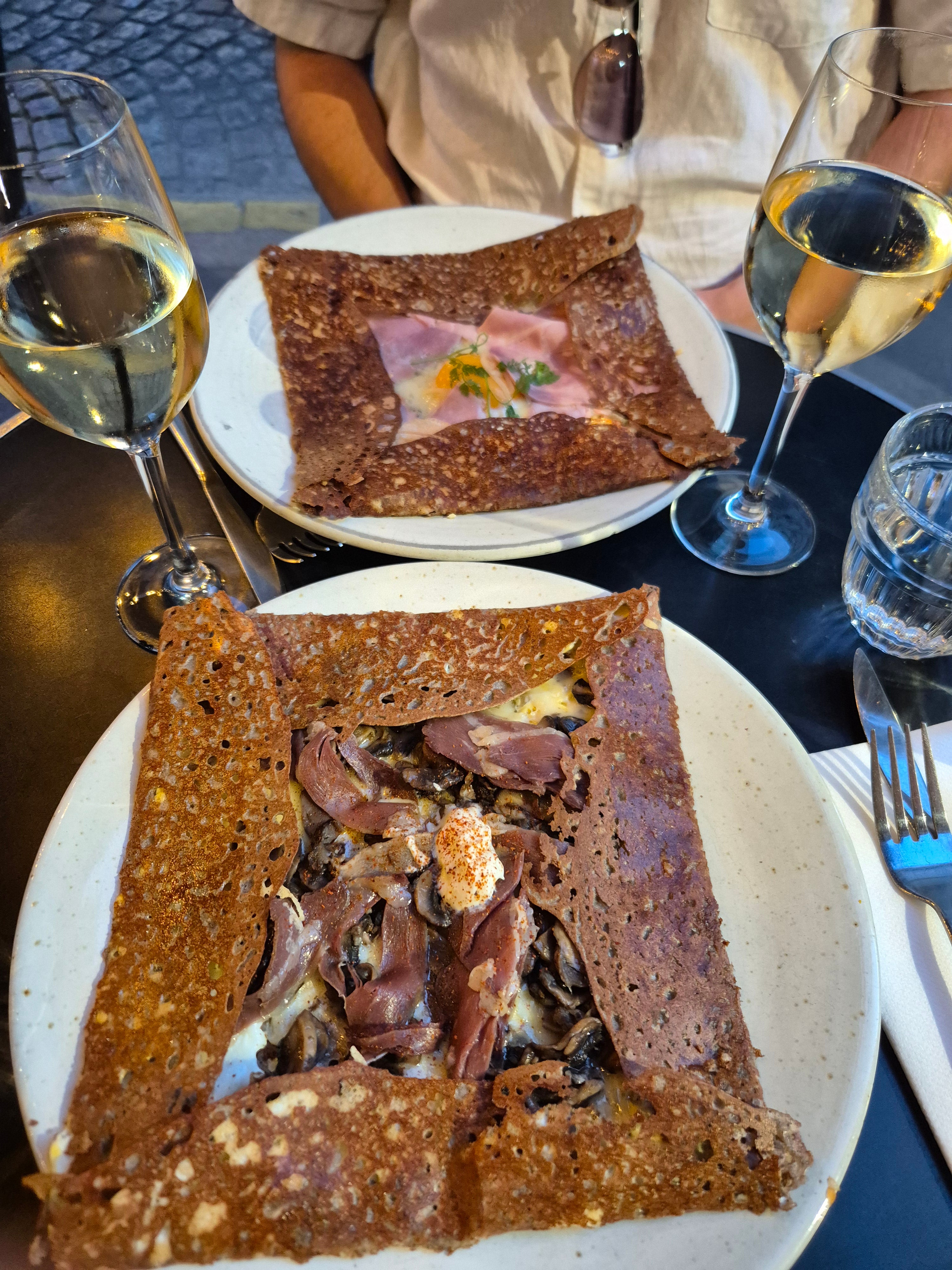
My best find – recommended by another coeliac friend – was Breizh Café, of which there are several branches around the city and is ideal for lunch or a light evening meal. It serves traditional Breton galettes made using buckwheat, grown on the chain’s own farm in Brittany, which is naturally gluten-free. Although wheat crêpes are also served, staff are knowledgeable about avoiding cross-contamination. I tried the signature truffle Brittany ham, comté and fried egg savoury galette, and returned later in my trip for a sweet dessert galette too.
Another solid option is Loulou, an Australian diner in the Latin Quarter, just minutes from Notre-Dame Cathedral. The majority of its menu can be made gluten-free, and it even has a separate fryer for its chips, which was exciting as I often can’t eat them. I opted for the chicken parmigiana, which admittedly wasn’t very French or Australian, but I couldn’t resist crunchy, cheesy, gluten-free breaded chicken.
Finally, if you’re looking for a special holiday treat, I could not recommend enough the tasting menu at Passionné, a Michelin Guide fine-dining restaurant in Rue Bergère. It offers a completely adapted gluten-free menu so those with coeliac disease don’t miss out, and seemed accommodating for allergies generally. I ate a meal heavy with seafood – the caviar, trout three ways and tea-flavoured dessert stood out.
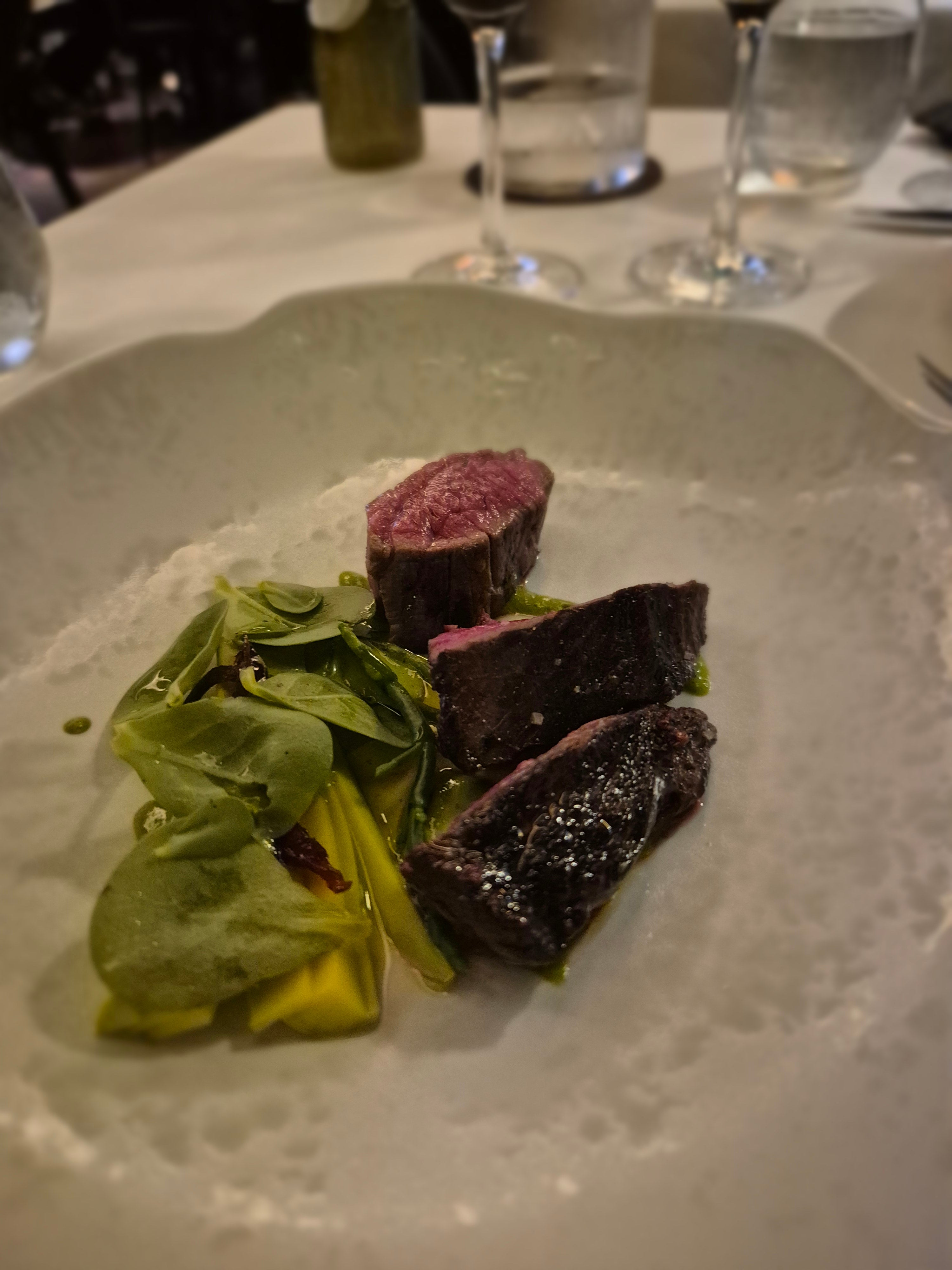
Despite a difficult experience at Molitor Hotel, some of the other amazing food I ate in Paris started to heal my coeliac panic and restore my confidence. But leaving my holiday still feeling slightly unwell has left me with an important reminder that travelling with dietary requirements has its risks, and I will need to remain cautious in future to protect my health.
Sian stayed in Paris as a guest of Le Pigalle and Molitor Hotel
How to get there
The Eurostar travels from St Pancras in London to Gare du Nord in Paris, with standard train tickets from £39. Journey time is around two hours and 30 minutes.
Where to stay
Le Pigalle is a stylish four-star boutique hotel situated in the vibrant South Pigalle district, just a five-minute walk from the famous Moulin Rouge. Rooms start from £215 per night.
Molitor Hotel is a five-star property featuring a spa just a stone’s throw away from many major sporting landmarks of Paris – and was even the birthplace of the bikini. Rooms start from £500 per night.
Read more: These are our choices for affordable Paris hotels