


 Africana55 Radio


This website uses cookies so that we can provide you with the best user experience possible. Cookie information is stored in your browser and performs functions such as recognising you when you return to our website and helping our team to understand which sections of the website you find most interesting and useful.

Want to bookmark your favourite articles and stories to read or reference later? Start your Independent Membership today.
Already a member? Log in
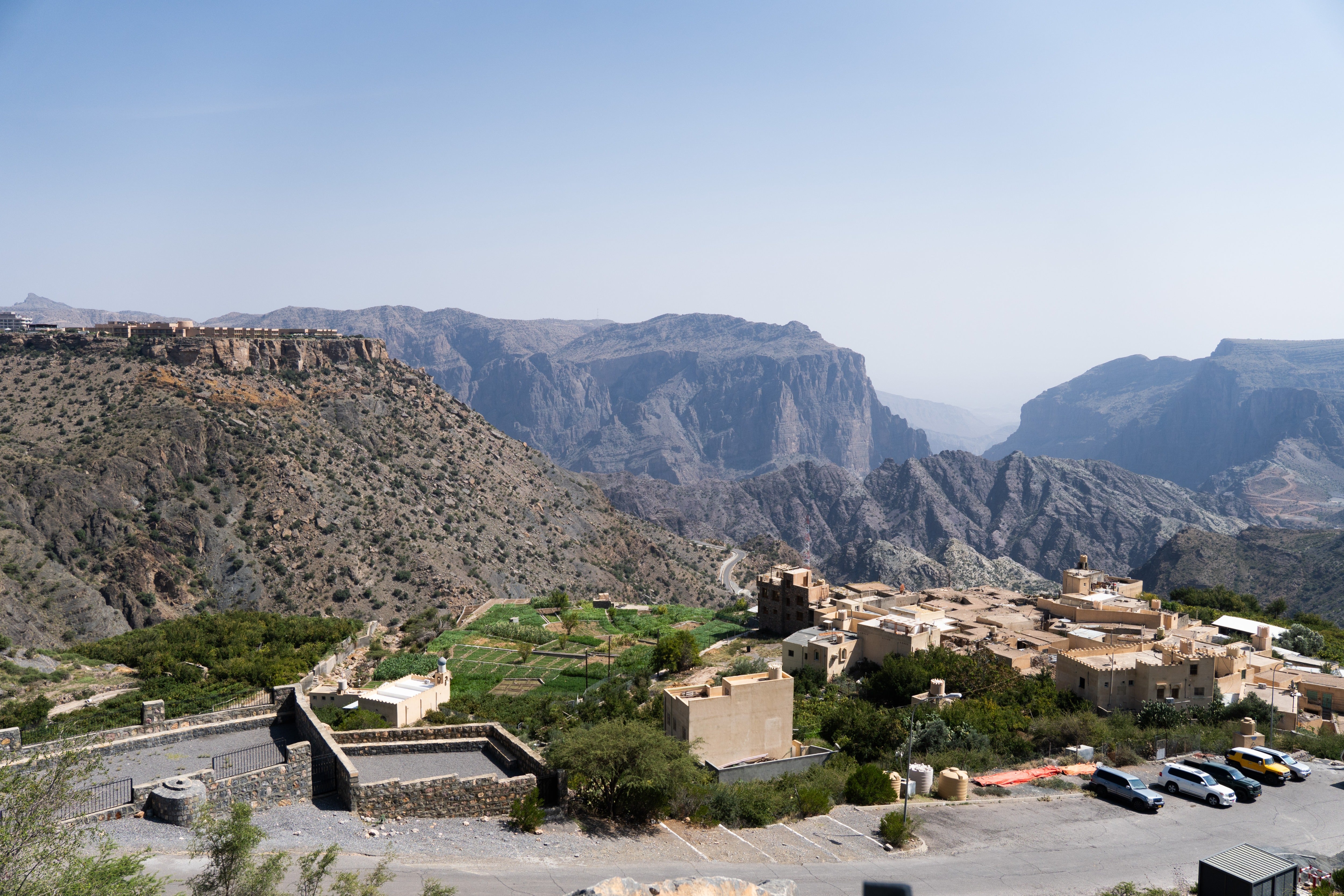
Driving across Oman’s spectacular Jebel Akhdar, mountain guide Hassan AlDaghari loves showing visitors an unexpected side of the Middle East.
The climate here is a cool 27 degrees in summer, and the place – which literally translates to “green mountain” – is famed for unparalleled access to rock climbing and hiking, as well as its rose harvests and an abundant pomegranate season.
“For people who like adventure, this is the right place,” the Omani local tells me, as the 4x4 rumbles along a mountainous road framed by juniper and olive trees, along with wild donkeys. “You can engage with the locals here easily, and can really feel the experience.”
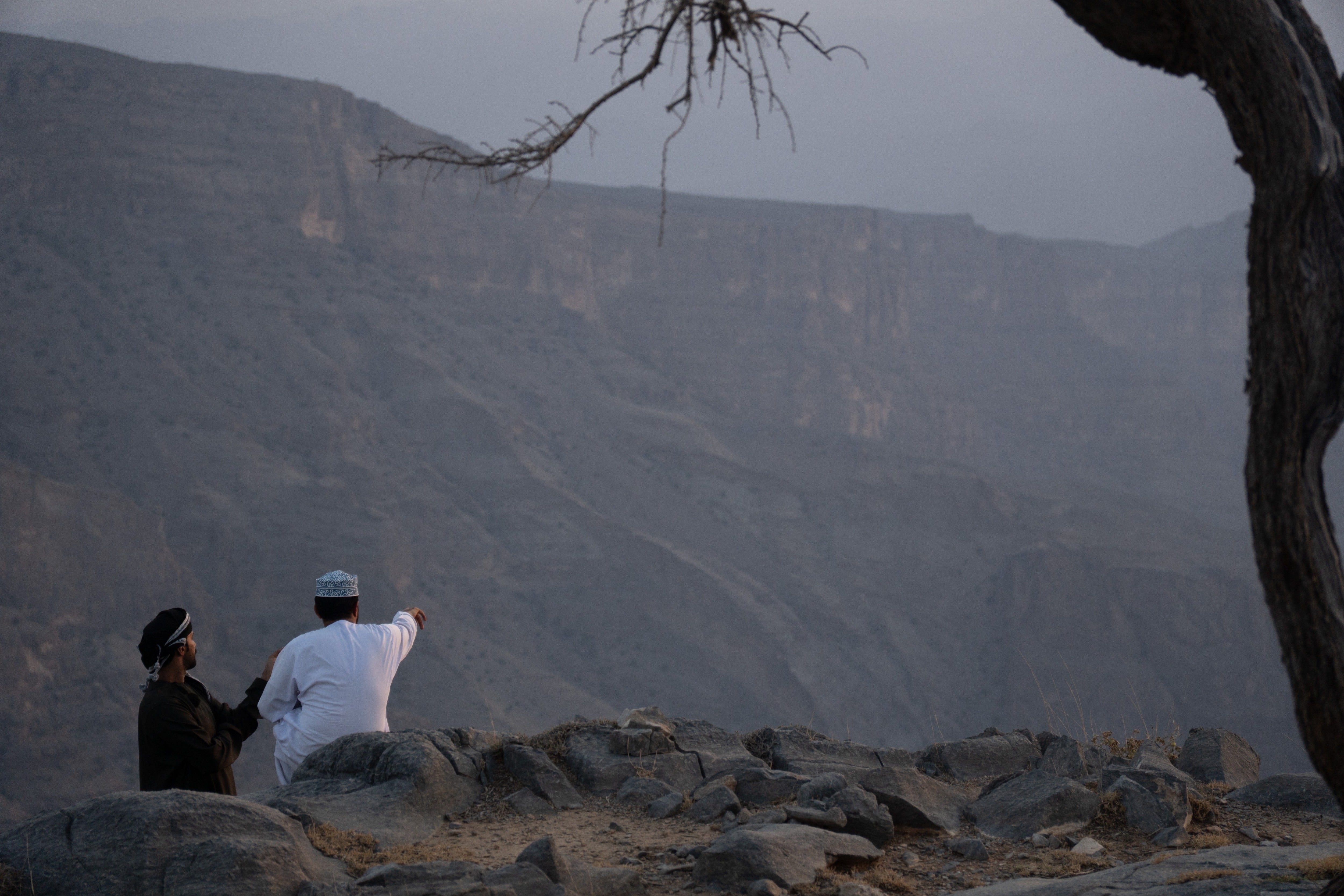
The past year has been a hard one for the tourism sector here – as shown by the notable absence of tourists in the Jebel Akhdar mountains.
“Even though the situation here in Oman is good, tourists are still worried about flying,” Hassan adds, nodding to recent regional tensions that no one here asked for. “We hope [for more tourists], but you can tell from reservations … it’s still quiet.”
Read more: The winter sun Spain alternative with Luke Skywalker’s childhood home
Oman’s growing tourism industry is eager to change that and draw more visitors to a destination that remains surprisingly under the radar.
Framed by the United Arab Emirates, Saudi Arabia and Yemen, Oman is a vast coastal country steeped in history and shaped by cultural nuances from across the Indian Ocean. Common languages include English, Arabic, Urdu, and Swahili, and some of its best food – like new Muscat restaurant Mesa – draws on the coastal flavours of Zanzibar, a former colony with which it shares deep cultural ties.
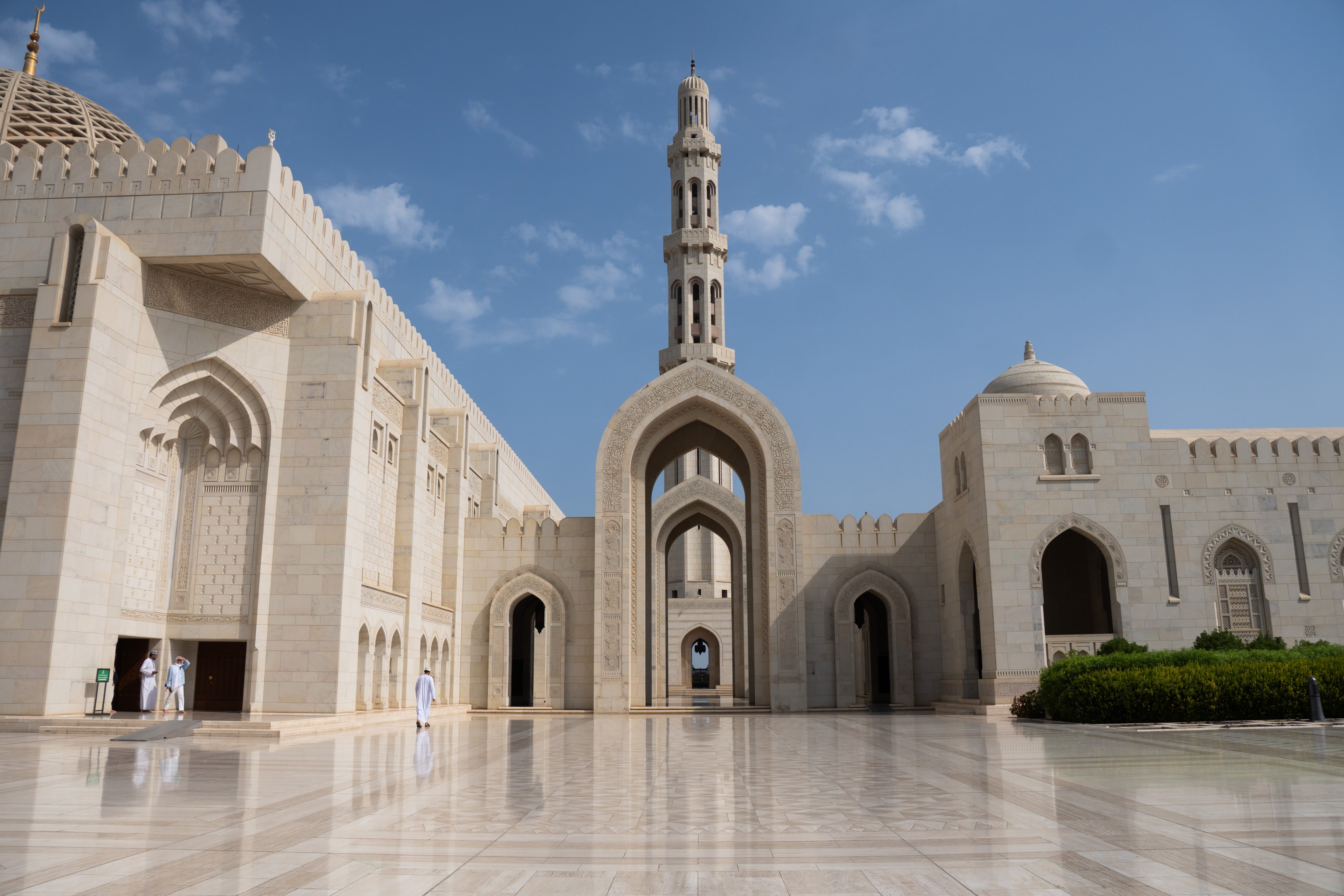
Home to just 5.5 million people, the sprawling country is also the epitome of an off-the-beaten-path travel destination. In cities like Muscat and Nizwa, clouds of frankincense waft through meandering souks and streets of pale pink architecture. And beyond the cities lie uncrowded mountains, deserts, and oceans with an understated feel you don’t get in other Gulf countries.
But the sultanate also sits beside the Strait of Hormuz, meaning it’s been drawn into geopolitical discourse that’s taken a toll on tourism, despite its neutrality. According to Hotelier, hotel guests have declined 13 per cent this year compared to the one prior, and tour operators note that visitors remain hesitant about Gulf travel.
“Oman is the Switzerland of the Arabic Islamic countries,” tour guide Yesser Marhoon Al Mamaari explains about the place he passionately calls home. He owns Al Maamari Tours, a private tour company and car rental, introducing people from around the world to Oman’s colourful cities and natural escapes, and he has several bookings lined up with international guests.
“The most important things in Oman are, first, the people are so friendly; second, it is very safe; and third, it is clean,” Yesser continues. “It’s easy to connect and talk with the locals.”
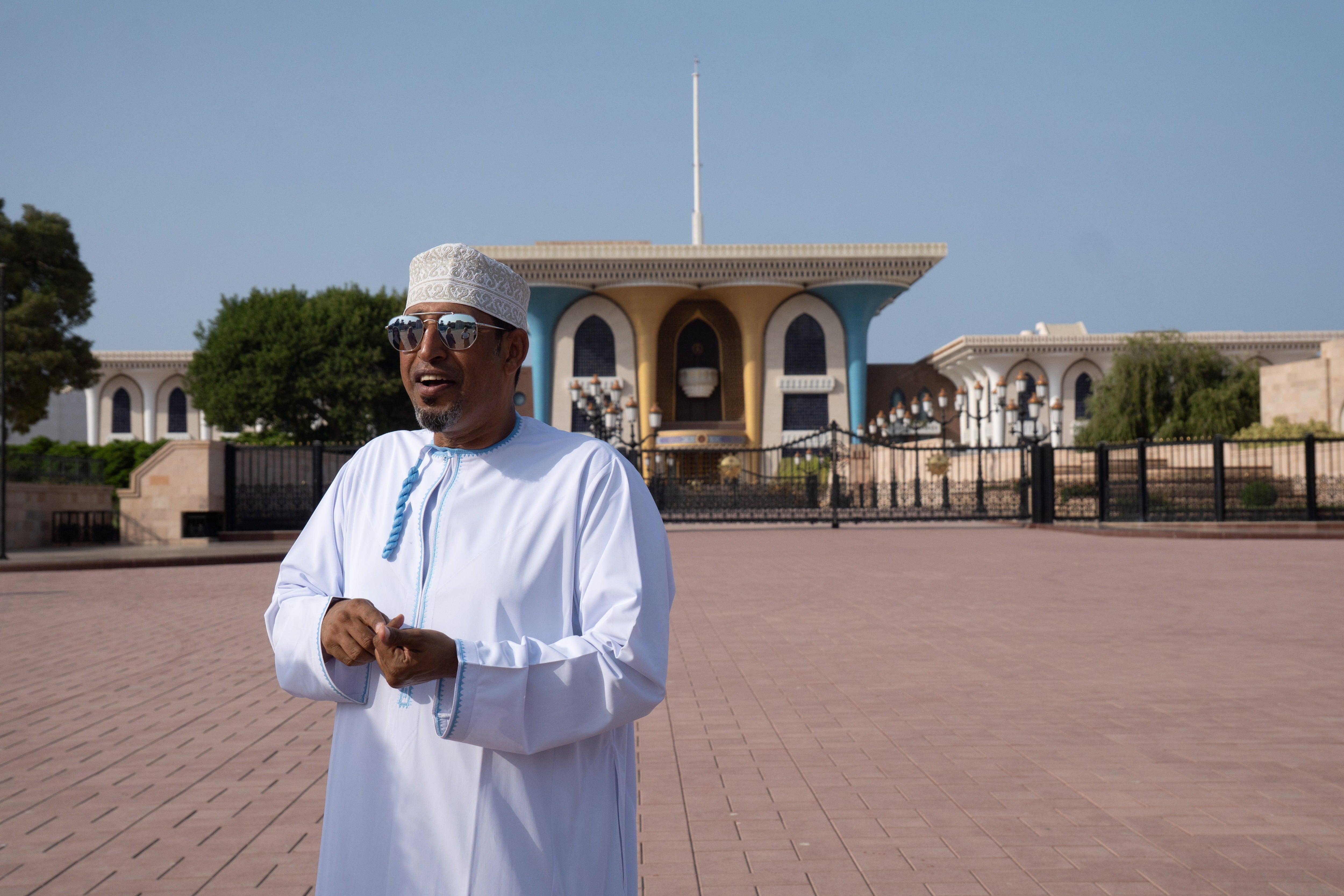
Among Oman’s unique selling points is the ability to experience dramatically different terrain in a single day. As the road drops from the cool heights of Jebel Akhdar, temperatures climb again into the high 30s as the Arabian desert and its camels come into view. Releasing some air from the jeep tyres, tour groups can then zip across red sands into the still heart of the Sharqiyah Sands desert – famed for dune bashing, sandboarding and an all-around quiet.
A silent desert breeze wafts around Desert Nights camp where I meet assistant manager Mike Jiwan. The luxury five-star resort, one of a handful of desert camps here, boasts 88 rooms with high tented ceilings, some even containing private swimming pools overlooking the dunes.
Read more: Cairo after dark - under the stars in Giza, a new Egypt is emerging
“A lot of people come out here just to relax and enjoy the quietness,” he says, referring to the couples and families looking to switch off among the golden sand. He’s also convinced the country’s appeal extends beyond its landscapes. “My favourite part? The people. They’re amazing,” Mike explains. “And you know, we have the sea, we have the mountains, and we have the sand.”
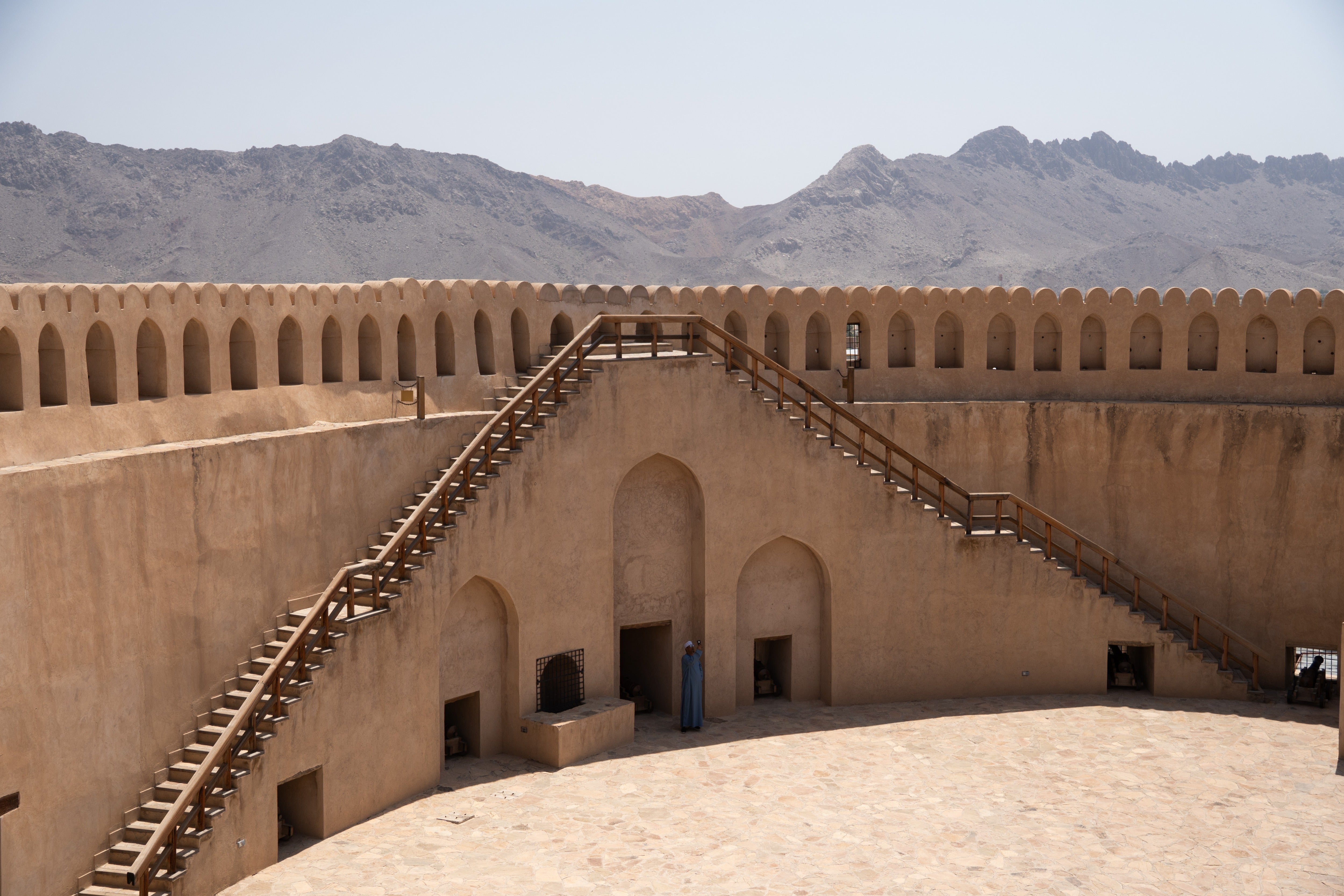
Mike anticipates Oman’s high season starting in October will coincide with an increase in luxury camp reservations, though bookings are picking up slowly. Some suggest that regional travel routes may have had an impact. Flight connections often transit through major hubs like the UAE and Saudi Arabia that experienced disruption earlier this year.
“At the moment, we get many requests, but also many cancellations,” says Yesser. “Not because of Oman, but because of airlines and because of the situation in neighbouring countries.” Muscat airport, meanwhile, has remained open throughout the year and even boasts direct flights from London’s Heathrow with Oman Air.
Hotel managers like Mike suggest that, to truly understand the situation, people need to come and see Oman for themselves.
“A lot of tourists don’t realise that we’re a neutral country,” he continues. “They feel that it’s all a war zone… until people like you come and visit us and then see what it actually is.”
Read more: Muscat city guide - where to stay, eat, drink and shop
And signs suggest Oman’s largely undiscovered sights are slowly earning their place on the map. This coincides with major investments in the country’s tourism infrastructure, from swanky new hotels such as Muscat’s newly opened TiVoli LA VIE hotel to the development of a new road into the mountains that’ll unlock better access for regional travel. Along Oman’s expansive coastline, further signs of development appear at its luxury Al Mouj Marina – a gateway to the region’s ocean activities.
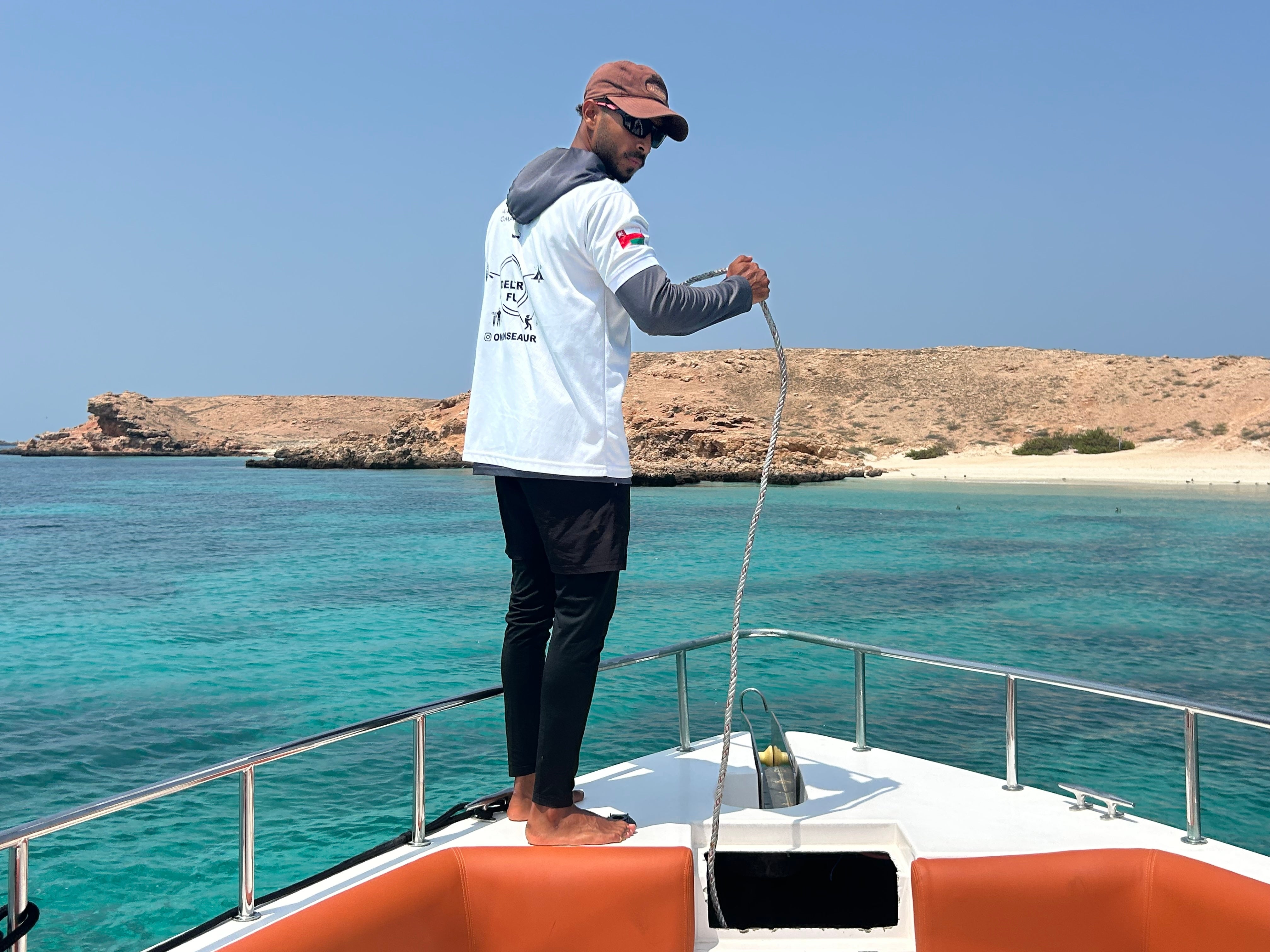
As the speedboat floats across warm, turquoise waters out of the marina, Oman Sea Tour guide Abdallah AlMugheiry highlights the growing appeal of Oman’s quiet waters, adding that tourists are back.
“We’re getting customers almost every day, sometimes morning and afternoon,” he explains about visits to Dimaniyat Islands, where visitors can snorkel alongside wild turtles and even spot a whale shark without the throngs of tourists found in other ocean destinations.
Visitors who decided to press ahead with holidays to Oman also tell me they’re glad they did. Anna and Alex, two guests from Switzerland, sit at the edge of the Anantara resort’s infinity pool, overlooking a breathtaking canyon dotted with quaint mountainside villages. There’s even a famed spot here known as Diana’s Point, where Princess Diana once stopped by helicopter to admire the views. And just below on the cliffside, a Via Ferrata route welcomes those looking for a little more thrill.
The Swiss nationals said they’d also heard Oman referred to as the “Switzerland of the Middle East”, a comparison they weren’t opposed to.
“We booked before everything started with the conflict, so we were not sure if we should go, but then we decided to go anyway because sometimes in the news it’s overstretched,” they explain, concluding: “it’s safe, the people are very friendly.”
Looking out across the valley, they’re struck by the peacefulness of their surroundings. “It’s not so busy,” Anna said. “I mean, if you compare it to Dubai, it’s completely different. There, you always feel the rush, and here, it’s like everything has settled down.”
Gulf tourism is already showing signs of recovery, yet broader geopolitics undoubtedly remain a consideration for visitors to the region. Recent escalations between Yemen’s Houthis and Saudi Arabia, as well as fresh US State Department warnings for its citizens, are a good enough reason to stay up to date with FCDO travel advice.
Yet the message is clear among Oman’s tour operators: the Middle East is not a monolith.
“People need to realise that Oman is not part of what's going on around us,” Mike adds. “There is still a possibility… but Oman is in a much better situation than all the rest of the GCC [Gulf Cooperation Council].”
Tamara’s trip was supported by Visit Oman
How to get there
Oman Air operates daily, and sometimes double-daily, flights from London Heathrow direct to Muscat, costing roughly £400 return. Flight time is around seven hours.