


 Africana55 Radio

This website uses cookies so that we can provide you with the best user experience possible. Cookie information is stored in your browser and performs functions such as recognising you when you return to our website and helping our team to understand which sections of the website you find most interesting and useful.
I've visited Buckingham Palace twice – once through the State Rooms on a lazy summer afternoon, and once onto the lawns for a garden party. Both times I left with the same strange feeling. Dazzled by its sheer scale with ceilings that seemed to belong to a different atmosphere and rooms that made me recalibrate what the word “room” means. I also felt oddly removed from it, as if the palace was performing its grandeur at me, rather than sharing it. Like a velvet rope that never disappeared. After all, someone lived there.
So when news broke that King Charles and Queen Camilla won’t be moving into the palace once its £369m refurbishment concludes next year – choosing instead to remain at Clarence House – the question worth asking isn’t why. It’s whether the Royal Household is bold enough to write the next chapter differently.
The palace welcomes just over 580,000 visitors during its summer opening, which may sound respectable until you set it beside the Palace of Versailles, drawing over ten times as many year-round. The difference isn't history or grandeur; both have those in abundance. The difference is access.
Palace officials say the new arrangement will enable greater public access, which is the easy part. Ambition is another matter. The building has 775 rooms, yet only 19 State Rooms are opened to visitors, including the Throne Room watched over by carved figures of English history and the Blue Drawing Room with its grand Erard piano. What's on offer has always been carefully curated.
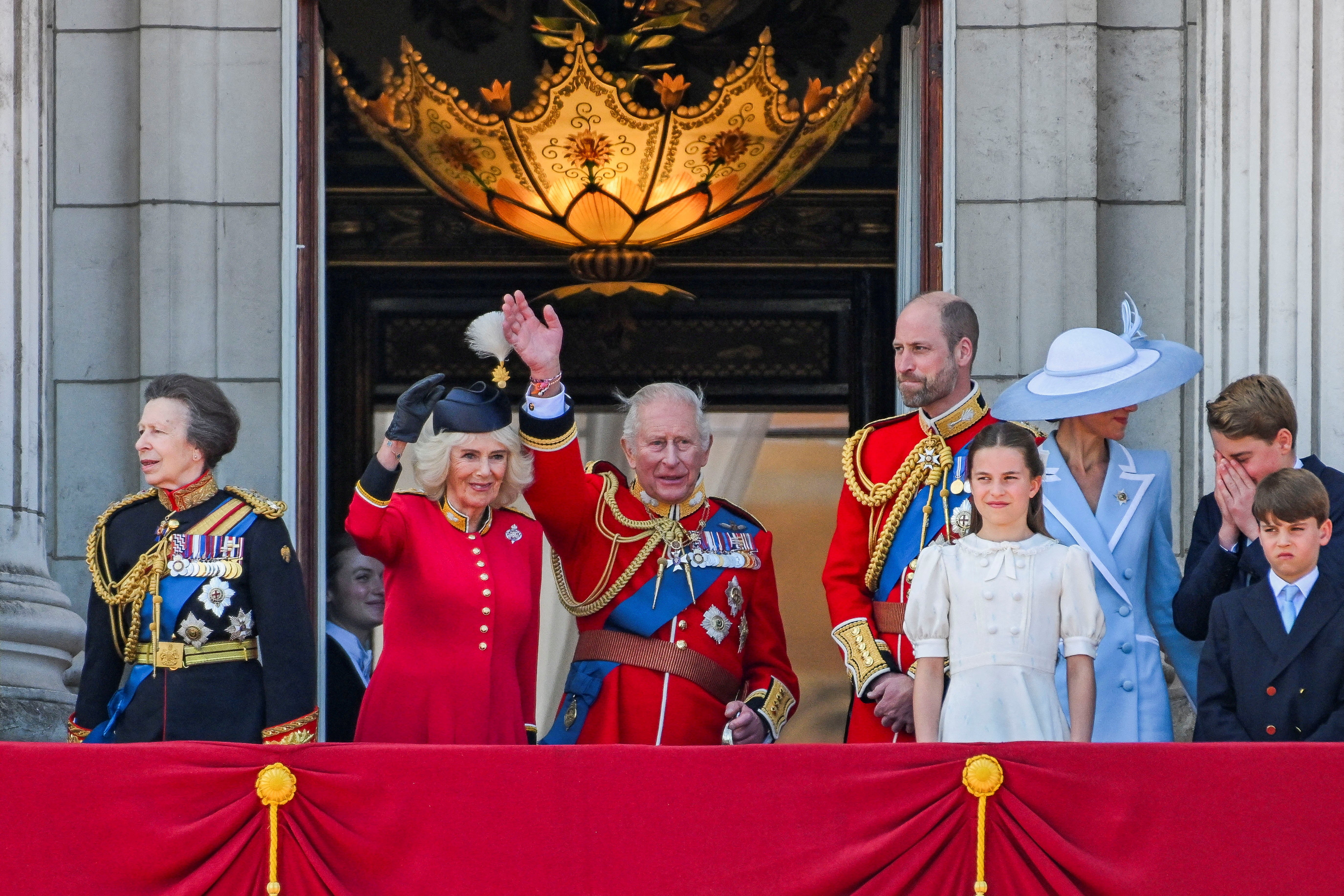
Imagine visiting the late Queen’s private apartments, or stepping out onto that famous balcony. Imagine descending into the underground tunnel system used for discreet royal passage, or encountering more of the one million objects in the Royal Collection. Somewhere in those stores is a terracotta bust of a young Henry VIII, a face before it became a costume – that alone is worth an afternoon. The Royal Collection Trust, which manages the palace’s visitor experience, will need to be braver than it has ever been.
James Chalmers, Keeper of the Privy Purse, has said Buckingham Palace will remain “the ceremonial and operational centre of royal life”. Perhaps the velvet rope isn't going anywhere. But then again, they said the same thing about Windsor.
Windsor Castle, open year-round, attracted over 1.2 million visitors in 2025 – double the number Buckingham Palace manages in its summer slot. That gap isn't about prestige; it's about a door that stays open. With genuine year-round access and the storytelling those rooms and corridors deserve, there is serious room to grow.
What Charles's decision offers, if the Royal Household is bold enough to take it, is a second act for the most famous address in the country. Not a diminishment of the monarchy, but an opening of it – the kind of shift that turns an institution people cherish from a distance into one they feel, however briefly, belongs to them too.
The lights will be on at Buckingham Palace, but no one will be home. That feeling of being awed but held at arm's length? I'd like to go back and find it gone.
Read more: King and Queen will not live at Buckingham Palace after £370m refurb