


 Africana55 Radio


This website uses cookies so that we can provide you with the best user experience possible. Cookie information is stored in your browser and performs functions such as recognising you when you return to our website and helping our team to understand which sections of the website you find most interesting and useful.

Want to bookmark your favourite articles and stories to read or reference later? Start your Independent Membership today.
Already a member? Log in
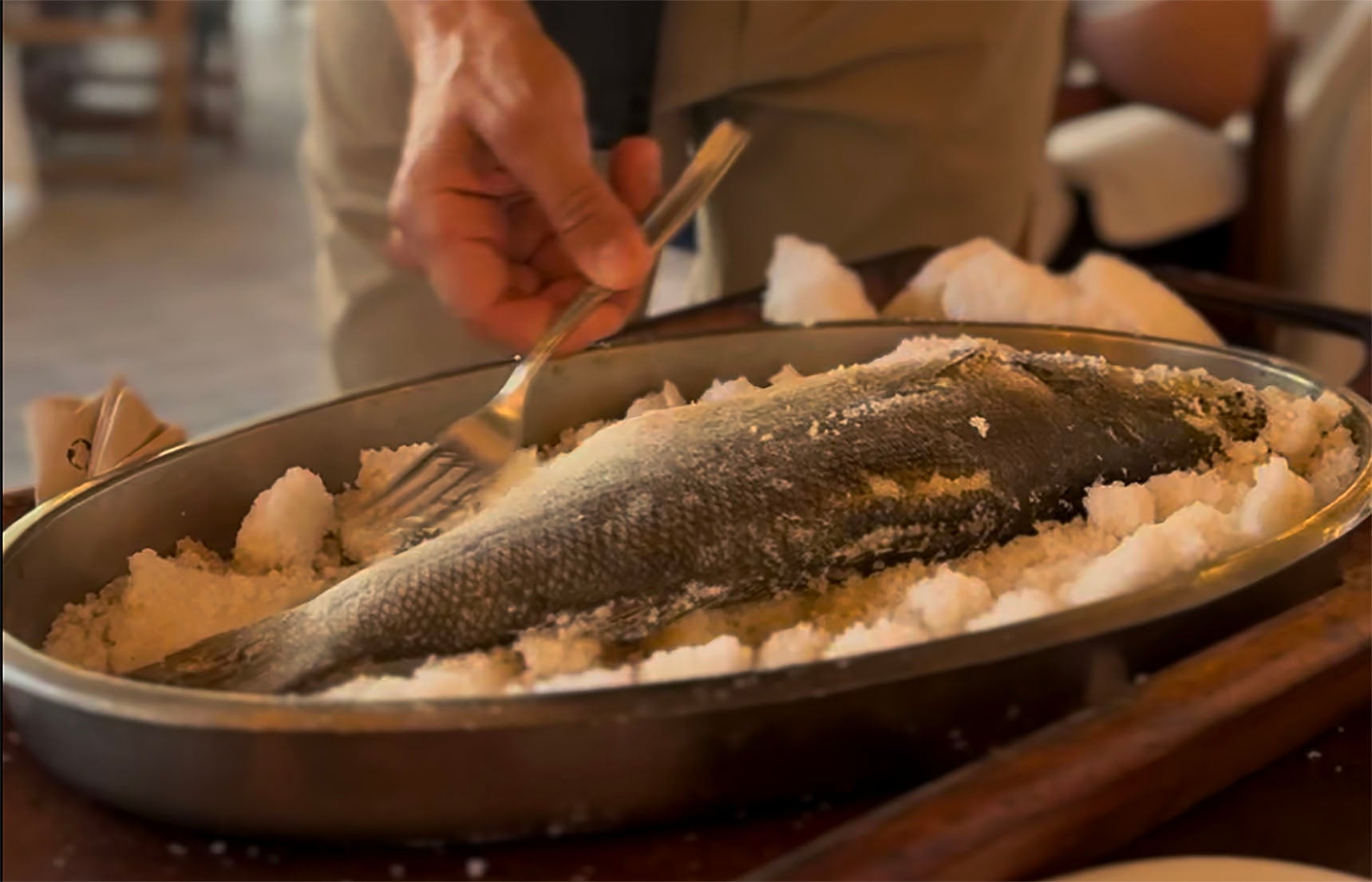
I watched, fascinated, as waiter Manuel expertly separated the flesh from the bones of my salt-baked sea bass. Behind him, diners spilt out of the restaurant onto the cobbled streets of Ciutadella’s port, drinks in hand, chatting in Spanish. The scent of paella hung in the warm early-autumn air.
Spain has always been my favourite destination for good food. I was last here on my birthday, intent on consuming my body weight in Basque cheesecake. But instead of heading to San Sebastian (where the dessert has found fame), I found myself in Ciutadella… and liked it enough to return just months later for another friend’s birthday.
It’s easy to understand why San Sebastian might be the obvious choice for travellers with food on their minds. The Basque city has one of the highest concentrations of Michelin stars per square kilometre in the world (nine restaurants with 16 Michelin stars within a 25 km radius), along with its famed pintxos bars. The food is hyper local, and menus follow the seasons.
Yet Ciutadella rivals much of what makes San Sebastian an appealing food destination. Three of its restaurants – Smoix, Godai and Aquiara – feature in the Michelin Guide, alongside Ca Na Pilar, Torralbenc, Santa Mariana and Es Cranc in the surrounding area, and, much like San Sebastian, Ciutadella has a strong tradition of kilometre zero gastronomy, where restaurants draw heavily on ingredients produced close to where they are consumed.
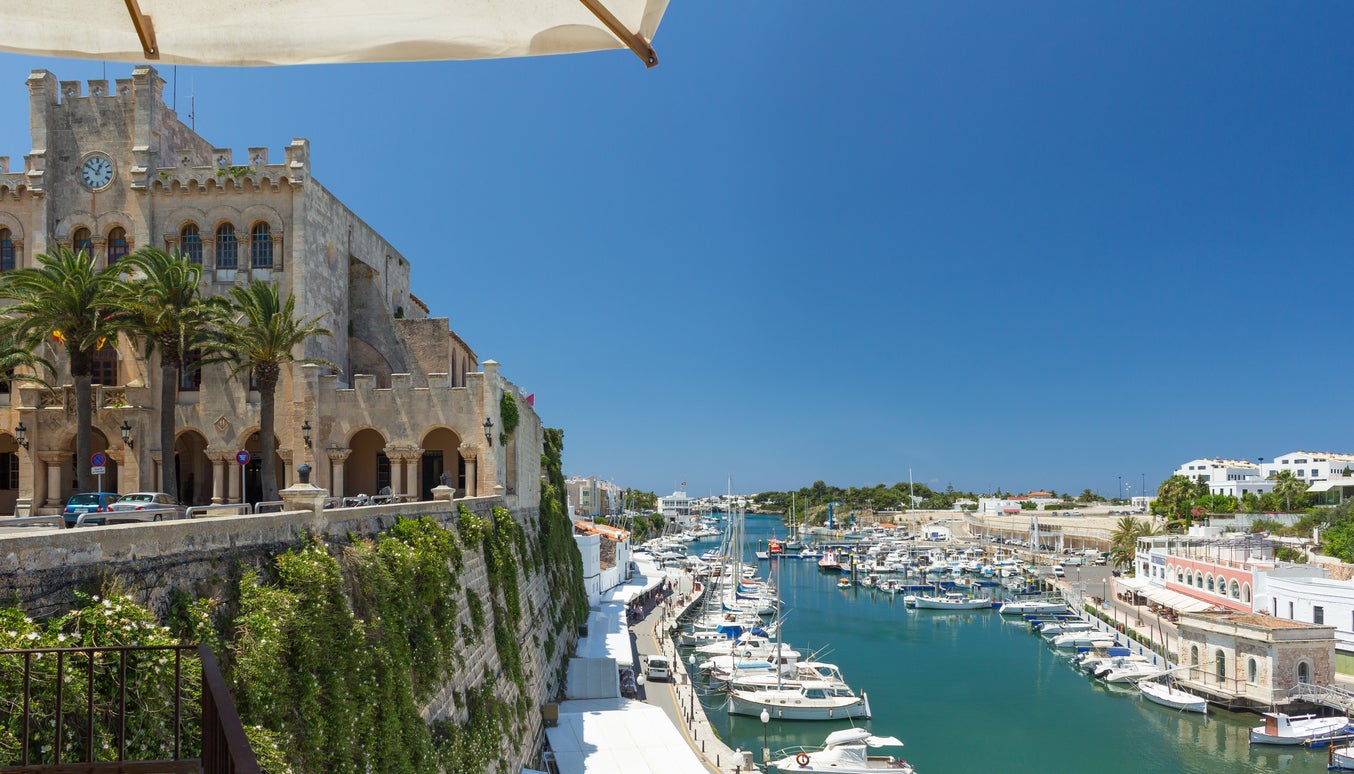
The city participates in Menorca’s Custòdia Agrària, or land stewardship scheme, which works with local farms to reduce the environmental impact of agriculture and livestock farming and helps connect participating producers with markets, shops and businesses across the island.
Read more: I visited the quiet Balearic island where beaches rival the Maldives
Aquarium, where I ate the salt-baked fish, is a good example of how that approach extends beyond simply sourcing ingredients locally. Much of the restaurant's seafood comes from fishermen in Ciutadella, and the kitchen uses almost everything that arrives, adopting a nose-to-tail approach. A single lobster can be used across several dishes, including caldereta, Menorca’s traditional seafood stew.
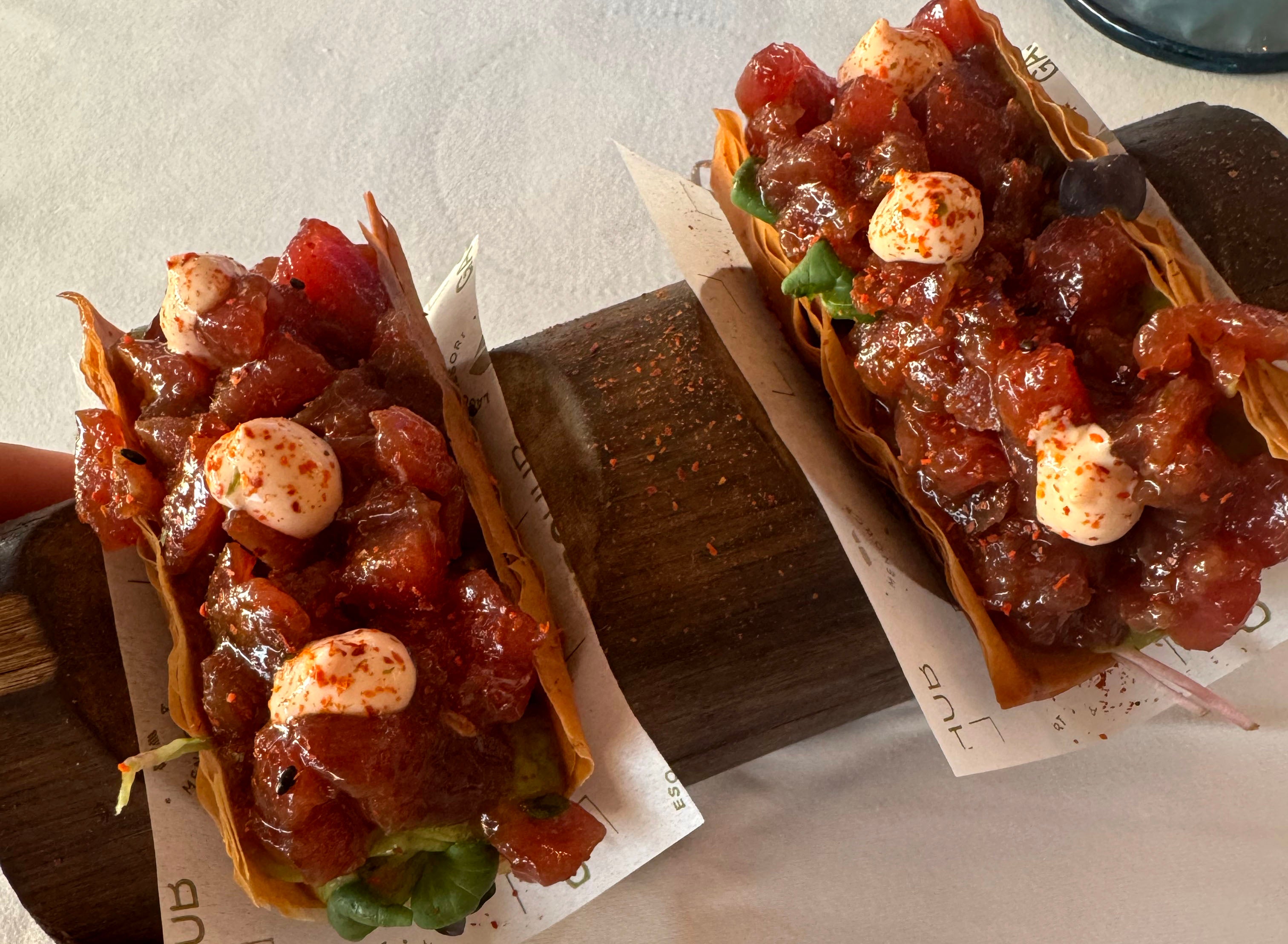
Back at the table, the waiter squeezed lemon over my fish before bringing out Aquarium’s red tuna japo taco. It won first prize for Spain’s best bluefin tuna tapa at the national GourmeTapa competition in 2023. One bite made the win easy to understand: the crisp taco shell cracked to reveal unctuous tuna and creamy guacamole lifted by zingy Japanese spices.
The sun was setting over Ciutadella, and there was little room for dessert, but Manuel insisted I try their Basque cheesecake.
“I can guarantee that it is the best Basque cheesecake you will eat in all of Menorca,” he said, with such conviction that I gave in.
I gently tapped my spoon against the cake’s crust. Breaking through the dark, caramelised top revealed a soft, almost molten centre, and there was a Menorcan twist: the cheesecake was made with the island’s protected Queso Mahón Menorca, for which the milk must come from local cows, rather than the commercially available cream cheese more commonly used in San Sebastian cheesecakes. Manuel’s confidence turned out to be entirely justified.
The next day, I continued my foodie exploration, making my way through the town centre towards its waterfront promenade. It was noon, and groups of friends lingered over coffees and tortillas at pavement tables, discussing plans to visit the 17th-century Castell de Sant Nicolau watchtower. Tourists filed out of the Cathedral Basilica of Santa María de Ciutadella, a 14th-century Gothic cathedral built on the site of a former mosque, its neo-Classical facade glistening in the autumn sun. There were certainly visitors, but none of the sense of being swallowed by the crowds that have become increasingly difficult to escape in San Sebastian.
When I arrived at Fang i Aram, a popular vegetarian and vegan restaurant near the sea, for lunch the interior was packed, with diners seated on mismatched recycled chairs.
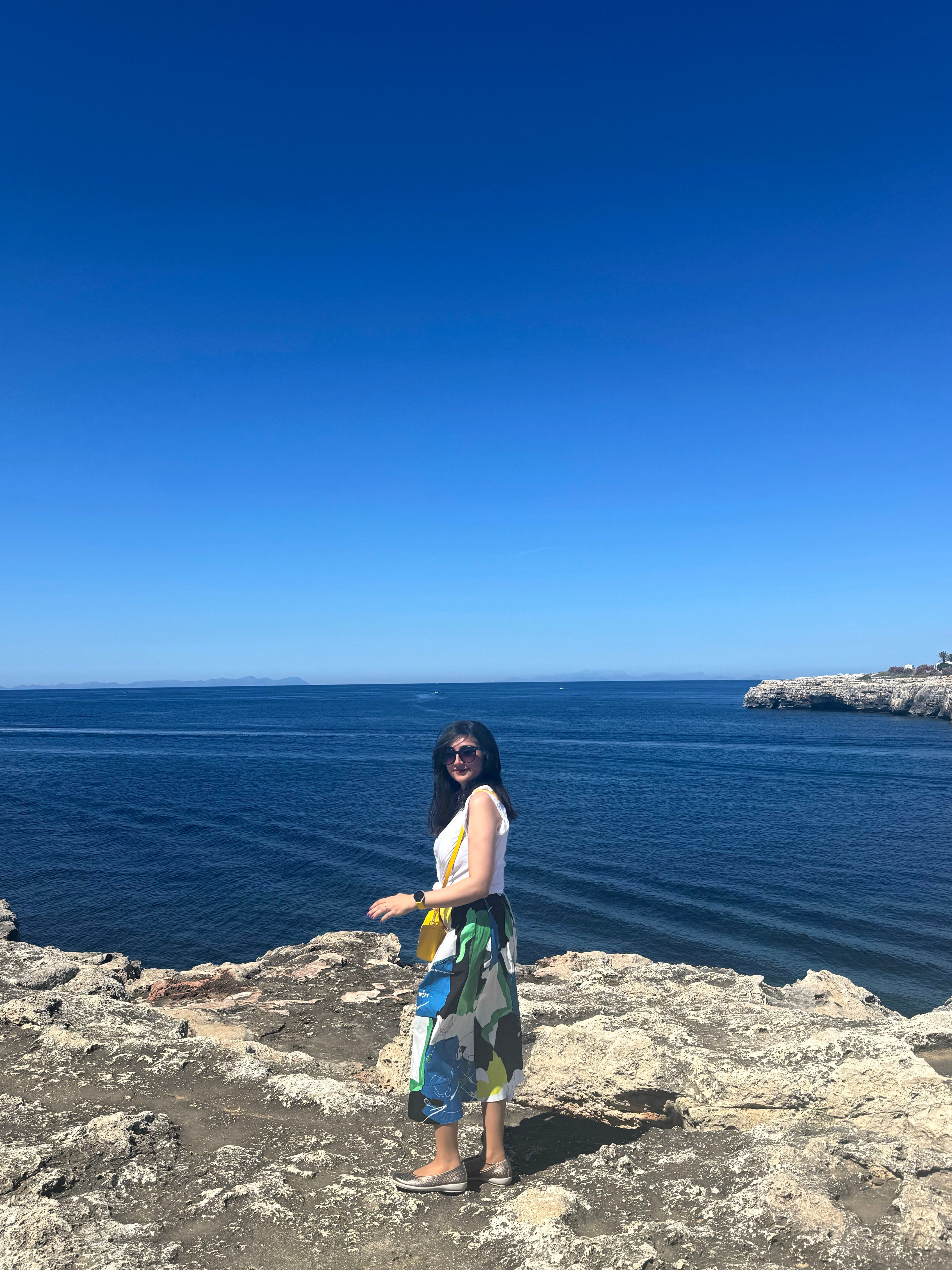
Like the Basque Country, Menorca’s Mediterranean diet features plenty of vegetables, and at Fang i Aram, I found an inventive menu that put them to creative use: aubergine cannelloni with sweet potato sauce, courgette ravioli stuffed with cauliflower sauce, and stuffed piquillo peppers with a pea and spinach sauce. On the walk back to the port, I detoured to Sa Farola Lighthouse, which sits on a hill overlooking the Balearic Sea toward Mallorca.
Read more: I have coeliac disease but this European city made me fall in love with food again
Dinner that evening was at the Mexican-Mediterranean fusion restaurant Katú de Smoix, set up by Smoix's chef. It reminded me of San Sebastian’s Topa Sukaldería, which takes a similar approach by combining Basque ingredients with Latin American cooking.
Despite the changing seasons, the evening was pleasantly warm, with diners spilling out onto the outdoor patio. It was my friend’s birthday, and we ordered the set menu: six tapas-style dishes per person, chef’s choice. Highlights included corn fritters, Katú’s signature fish ceviche, and green bean pasta served with a seasonal fruit salad. Instead of a traditional birthday cake, staff brought out plates of tarta tres leches – the classic Mexican milk cake.
Read more: I went on a Barcelona food safari with ‘Spain’s best pastry chef’ to discover where the locals eat
In typical Spanish fashion, most diners in the city were just heading to dinner as we left Katú around 9pm. Pampa, another famed tapas restaurant close by, was filling up, with tables sharing cheeseboards and cocktails. Neighbourhood cats gazed up hopefully at diners’ feet, waiting for someone to share a bite.
As night fell and another evening of wining and dining commenced, it was clear that other visitors were also in love with Ciutadella’s restaurant scene, much of it shaped by a commitment to sustainable practices. The Basque Country may have its pintxos bars, but here, on the other side of Spain, the Balearic island of Menorca was making a compelling case in its own right. Two visits to Ciutadella in a matter of months had proven that for me too. I strongly suspect there will be a third.
How to do it
Fly direct to Mahón, the capital of Menorca, from London with easyJet, Jet2, Ryanair, British Airways and TUI Airways from £41 per person, return without baggage. You can also reach Mahón from Manchester, Birmingham, Bristol, Edinburgh, Glasgow, Liverpool, Newcastle, Leeds Bradford, East Midlands, Bournemouth and Belfast, although many routes are seasonal.
From Mahón Airport, take the number 10 bus to Mahón bus station (€2.80; £2.37), then the L01 bus to Ciutadella (€5.75; £4.87). The journey takes approximately 90 minutes, depending on connections. Alternatively, a prebooked private transfer to Ciutadella costs around €57 (£48) one way, and takes about 50 minutes.
Where to stay
S’Enclova Petit Hotel
Rooms start from £61 per night for a deluxe double room based on two adults sharing. The hotel is a five-minute walk from the Cathedral Basilica of Santa María de Ciutadella and a 15-minute walk from Platja Gran (Gran Beach).
Hotel Los 5 Sentidos
This five-bedroom bed and breakfast has rooms starting from £110 per night (standard room for two adults), including breakfast. It is set a five-minute walk from the town centre.
This article was originally published in October 2026