


 Africana55 Radio

This website uses cookies so that we can provide you with the best user experience possible. Cookie information is stored in your browser and performs functions such as recognising you when you return to our website and helping our team to understand which sections of the website you find most interesting and useful.
South Sudan is heading for famine, UN agencies have warned, as conflict seals off communities and the aid system that might have reached them runs short of money.
The warning, issued jointly by the three UN agencies – the Food and Agriculture Organisation (FAO), the World Food Programme (WFP) and UNICEF – places 56 per cent of the country's 12 million population at high levels of hunger. The figure breaks down into 5.3 million in a hunger crisis, 2.5 million facing hunger emergency and 73,300 in hunger catastrophe - the most severe classification, with the latter increasing 160 per cent in six months.
The agencies warn of a credible famine risk in four counties in the northern Upper Nile region and the central Jonglei region, with 11 counties across those states and Unity projected to reach extremely critical malnutrition by July.
Famine, under the international classification system, means at least 20 per cent of households face an extreme lack of food, acute malnutrition rates exceed 30 per cent and people are dying. Children can weigh as little as half as much as they should for their age – their bodies consuming muscle and organ tissue once fat reserves are gone. It is a condition that is reversible if caught early enough.
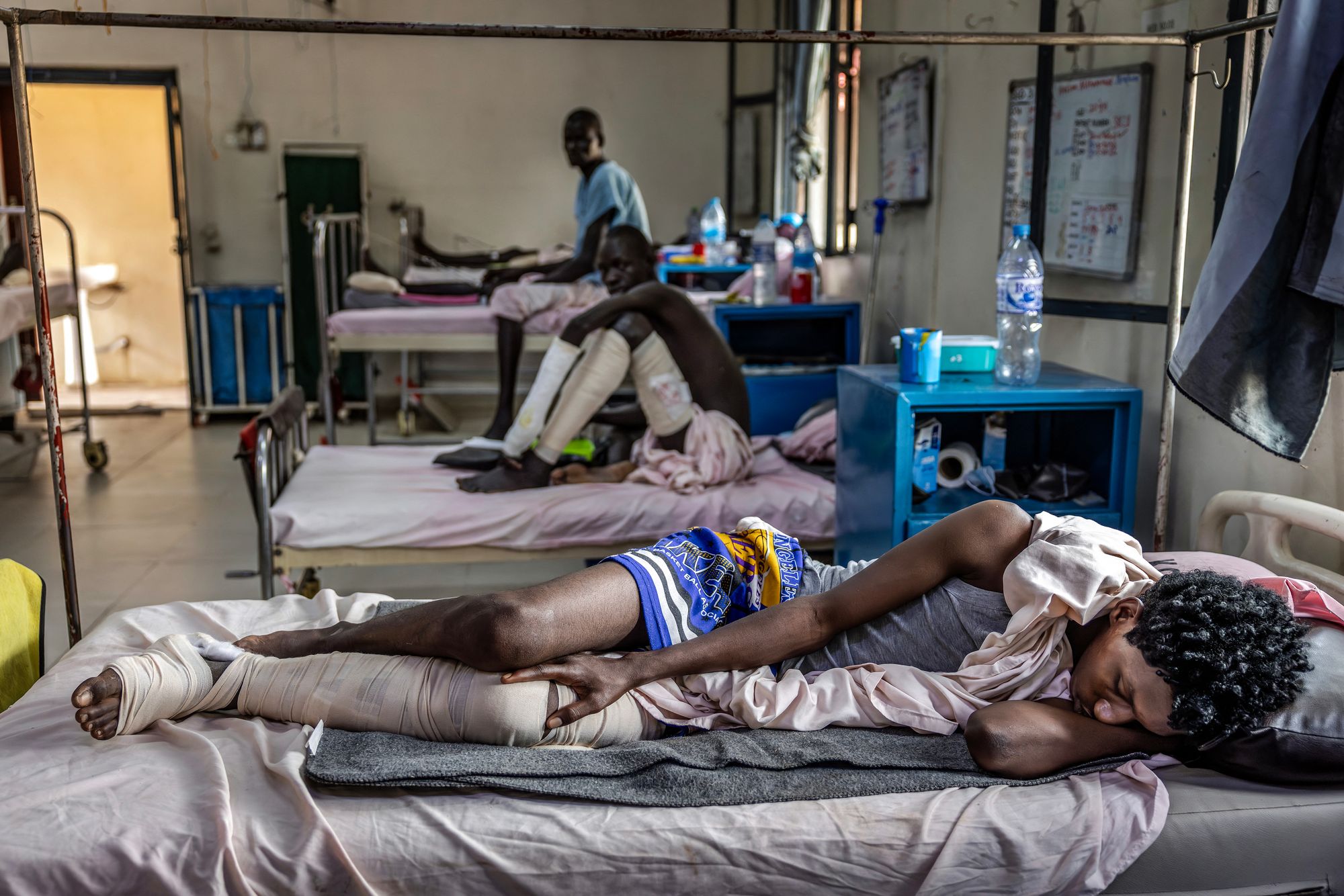
In Maban County, Upper Nile, a doctor at the local hospital told The Independent there is no electricity because there is no fuel. No malaria tests, nor IV fluids or blood bags. Surgeons performed caesarean sections this week with almost no medicines. His colleagues are leaving and he hasn't received all of his monthly pay in seven months.
“[The] hospital is worse now. Staff are running away... We don't know what to do”, he said. His family has not eaten in seven days, he adds, and a sack of sorghum [the grain the population depends on] has now reached unaffordable prices.
The doctor in Maban ends his message: “Thank you for following our situation. Our life is not easy.”
Since the international famine classification system was created, famine has been formally declared just five times. Somalia in 2011, South Sudan twice in 2017 and 2020, Sudan’s Darfur region in 2024 and Gaza last year marking the first declaration ever made outside Africa.
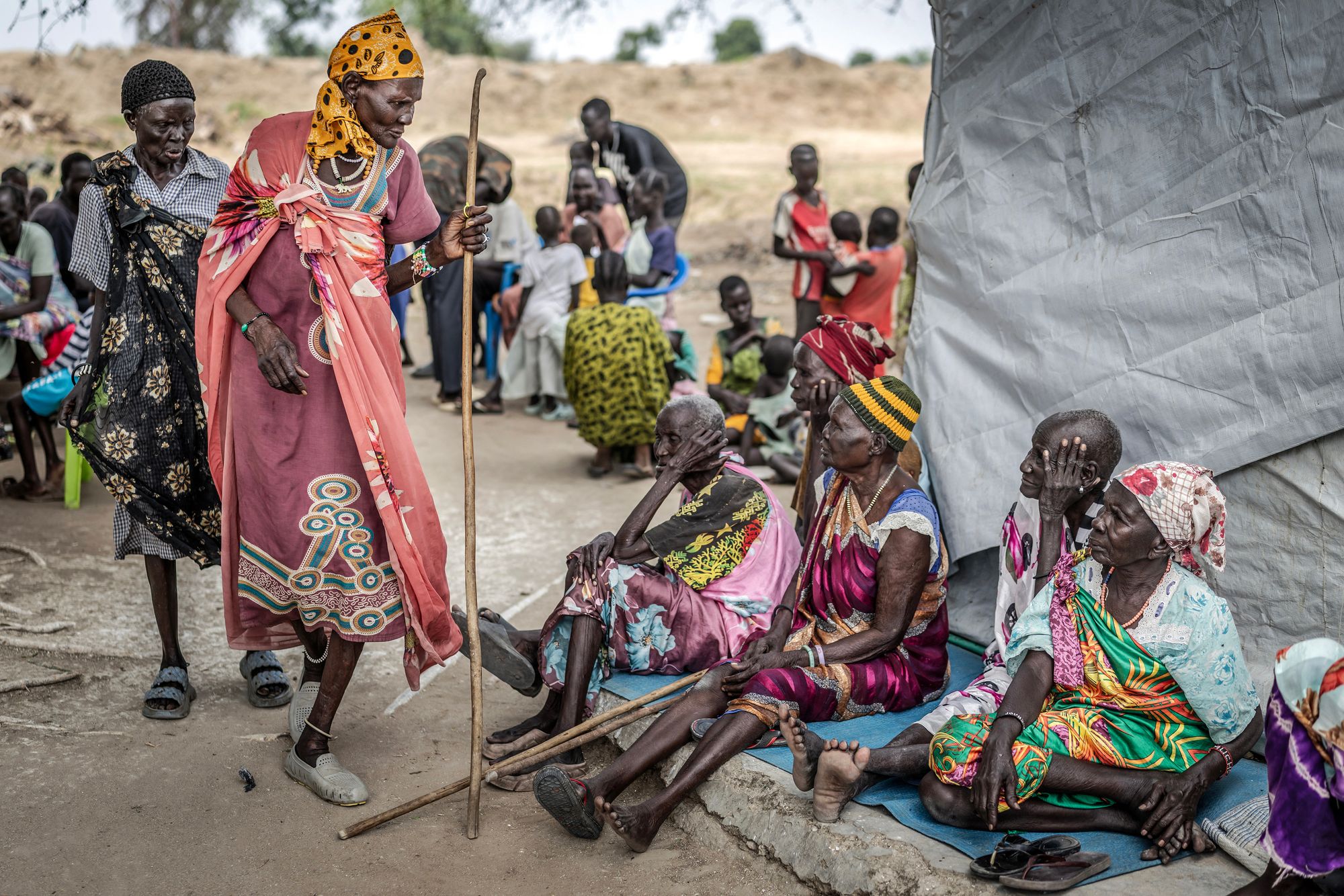
Nearly 2.2 million children under five across South Sudan are acutely malnourished – 100,000 more than six months ago – and 700,000 face severe acute malnutrition by July. Another 1.2 million pregnant and breastfeeding women are acutely malnourished.
WFP's director of emergencies, Ross Smith, said the agency is in “a critical race against time” to reach remote locations before the rainy season cuts off access. In Jonglei alone, nearly 300,000 people have been displaced, leaving communities unreachable.
WFP, FAO and UNICEF have called on the international community and governments "to act immediately.” But global aid cuts make this far more difficult. The US cut its foreign assistance by 57 per cent in 2025, UK aid has fallen to its lowest level since 2008 and Norway, Germany and France have all reduced their budgets. Rein Paulsen of the FAO warned the crisis is erasing real progress - South Sudan had been rebuilding its agricultural production before conflict and climate shocks reversed it. He said: “We cannot afford to lose the hard-won gains made in recent years.”
On top of that, since the US and Israel launched strikes on Iran in late February, Iran's Revolutionary Guard has blockaded the Strait of Hormuz. Oil prices rose from $60 (£44) a barrel to a peak of $126 and currently sit around $107. The World Bank describes it as the largest oil supply shock on record. The Strait carries not just oil but a quarter of the worlds fertiliser supply, along with medicines, therapeutic foods and the humanitarian supplies that aid agencies route through hubs in Dubai and India to communities across Africa.
Save the Children has calculated that every $5 rise in oil prices adds $340,000 a month to its shipping, fuel and medical supply costs – equivalent to a month of aid for nearly 40,000 children. Willem Zuidema, the charity's global supply chain director, said: “We are being squeezed from both ends. While world leaders are cutting aid budgets, conflict is driving up the cost of every shipment, every sachet of food, every medical kit we send.”
International charity the International Rescue Committee (IRC) has called for a humanitarian corridor through the Strait after $130,000 of pharmaceutical supplies destined for Sudan were left stranded in Dubai. “When vital shipping routes like the Strait of Hormuz are disrupted, the impact is not abstract - it is measured in empty shelves, shuttered clinics and lives at risk”, said IRC president David Miliband. South Sudan, dependent on the same hubs, is facing a similar situation..
If the conflict proves prolonged, the World Bank warns, rising food prices could push 45 million more people into acute food insecurity this year. For South Sudan those aren't projected figures. They describe a country already in famine conditions, already defunded, already waiting for supplies that may not arrive before the rains make roads impassable.
Lucia Elmi, UNICEF's director of emergencies, said: “We are witnessing a deadly downward spiral. Every day of delayed humanitarian access is a day a child's life and future hang in the balance.”
This article has been produced as part of The Independent’s Rethinking Global Aid project