


 Africana55 Radio

This website uses cookies so that we can provide you with the best user experience possible. Cookie information is stored in your browser and performs functions such as recognising you when you return to our website and helping our team to understand which sections of the website you find most interesting and useful.
Want to bookmark your favourite articles and stories to read or reference later? Start your Independent Premium subscription today.
`; document.body.appendChild(modal); modal.addEventListener('click', () => { document.cookie = 'mos-plan-select=; Max-Age=0; path=/; expires=Thu, 01 Jan 1970 00:00:00 UTC;'; }); modal.querySelector('.subscribe-link')?.addEventListener('click', (e) => { e.preventDefault(); document.cookie = 'mos-plan-select=; Max-Age=0; path=/; expires=Thu, 01 Jan 1970 00:00:00 UTC;'; setTimeout(() => { window.location.href = 'https://www.independent.co.uk/subscribe?regSourceMethod=Bookmarks'; }, 500); });
});
]]>
Venice is exploring plans to extend its tourist entry fee to cover a broader portion of the year while raising daily rates to as much as €30 ($34), according to a senior official in the city government.
Budget and taxation councillor Michele Zuin stated that the current €5 to €10 fee was insufficient to curb overtourism, explaining that the proposed 2027 pricing would still require discussion and agreement with the national government.
"The current €5-10 charge is affordable for virtually everyone; the risk is that it no longer has the deterrent effect that this measure is supposed to have," Zuin told regional daily Il Gazzettino’s Sunday edition.
In statements widely covered by national media on Monday, the councillor noted there was "even talk of (going up to) €50", but added that authorities could ultimately cap the charge at €30.
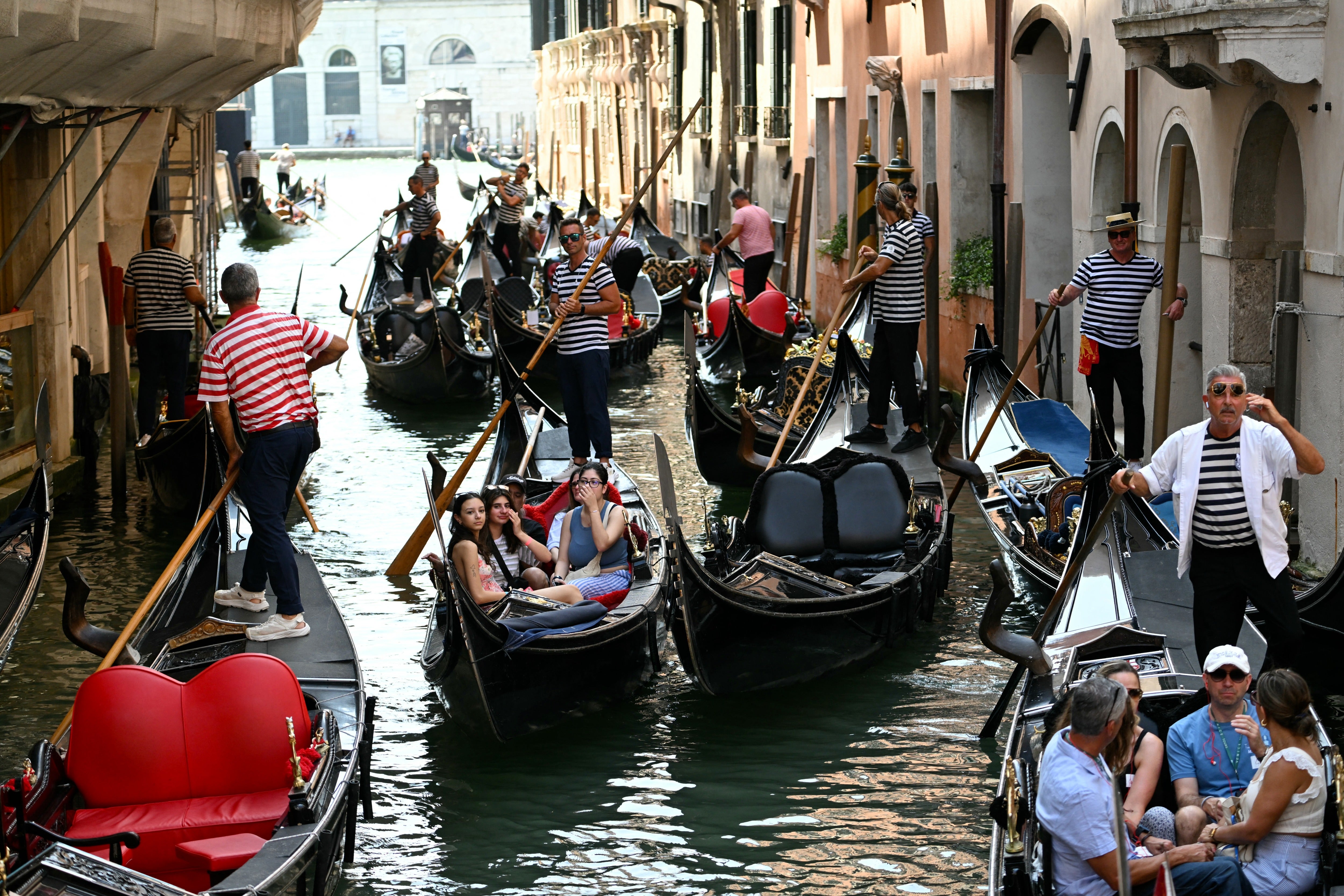
Venice's new mayor, Simone Venturini, said in July that the current 10-euro fee has not done enough to deter visitors on peak days.
Instead of a fixed higher fee, Venturini said at the time that the city wanted to enact a form of surge-pricing which would see the charge rise with demand on the busiest days.
“We spend 100 million euros a year just to maintain Venice physically, and nobody gives us that money. Not Europe. Not the Italian state,” said Venturini, who was elected mayor in June after serving as the city’s top tourism official when the day-tripper tax was launched.
”International critics don’t pay it either. It’s paid by the people of Venice, and in part through tourism taxes.”
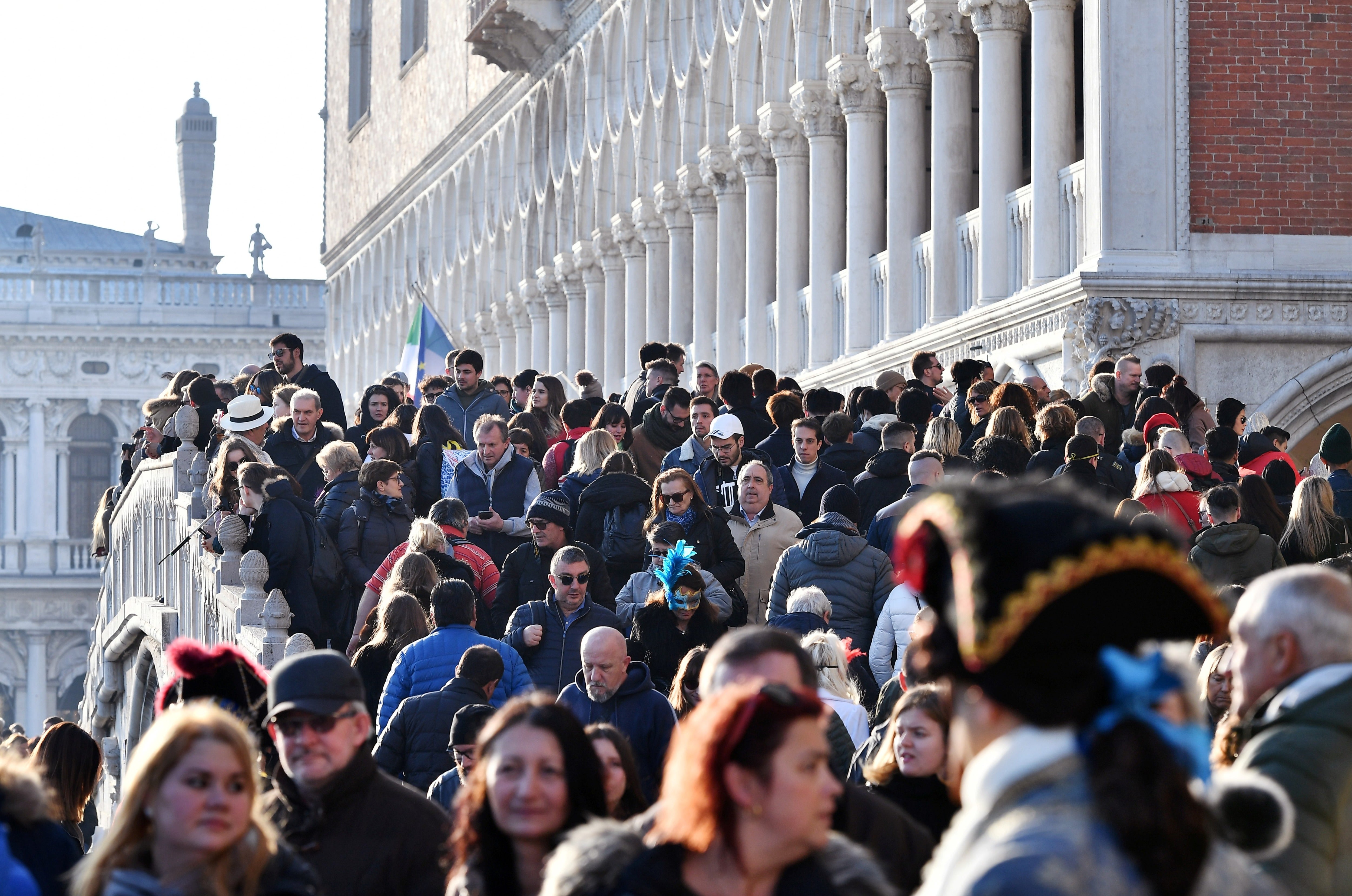
First launched in 2024 as a global precedent, the tourist scheme applies exclusively to day-trippers. Those booking early secure lower rates, while exemptions remain for groups such as children under 14.
In 2026, the tax operated on designated dates from April 3 to July 26, running between 8.30 a.m. and 4 p.m., raising more than €5.2 million for the city coffers through nearly 680,000 ticket sales.
In a destination struggling with longstanding overtourism and population decline, local officials maintain the system encourages visitors away from peak periods, such as the May Day public holiday. ($1 = 0.8711 euros)