


 Africana55 Radio

This website uses cookies so that we can provide you with the best user experience possible. Cookie information is stored in your browser and performs functions such as recognising you when you return to our website and helping our team to understand which sections of the website you find most interesting and useful.
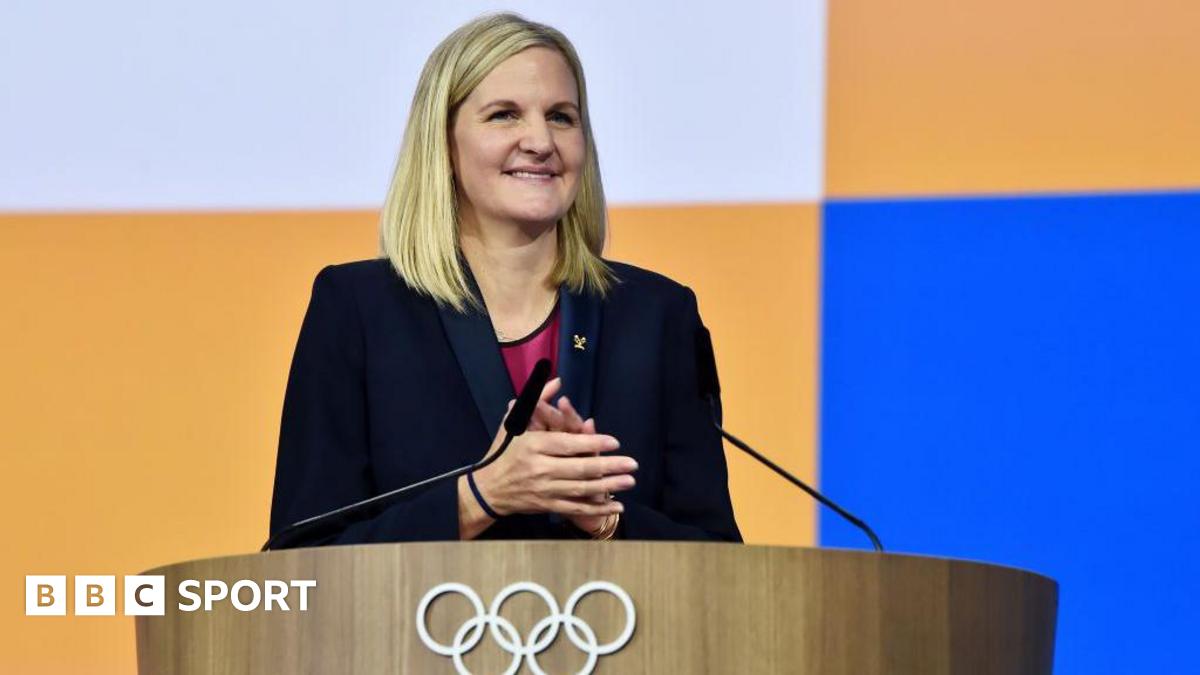
The presidential vote took place at a luxury hotel in a seaside resort about 60 miles south of the Greek town of Olympia, the birthplace of the ancient Games.
IOC members had to hand in their phones before a secret electronic ballot at about 14:30 GMT.
The campaign process restricted candidates to 15-minute presentations at a private event in January, with media barred and no scope for questions from members afterwards.
Endorsements by members were not allowed, nor was any criticism of rival candidates, meaning behind-the-scenes lobbying played an important role.
British Olympic Association CEO Andy Anson congratulated Coventry, saying: "We know her well and look forward to working together to grow the Olympic movement's global relevance and commercial success."
Russia hopes Coventry's victory will lead to its return from sporting exile. Russian athletes have not competed at the Olympics under their own flag since 2016, following the state-run doping scandal and then the war in Ukraine.
"We look forward to a stronger, more independent, and more prosperous Olympic movement under a new leader, and to Russia returning to the Olympic podium," Russian sports minister Mikhail Degtyarev, who is also head of the Russian Olympic Committee, wrote on his Telegram account.
Coventry has faced criticism in Zimbabwe in her capacity as sports minister since 2018, but defended her association with the government of controversial president Emmerson Mnangagwa.
Governmental interference in football resulted in Fifa banning Zimbabwe from the international game in 2022, while last year the United States imposed sanctions on Mnangagwa and other senior officials for corruption and human rights abuses.