


 Africana55 Radio

This website uses cookies so that we can provide you with the best user experience possible. Cookie information is stored in your browser and performs functions such as recognising you when you return to our website and helping our team to understand which sections of the website you find most interesting and useful.
Australians would be able to enjoy foreign holidays at cheaper rates after the government significantly relaxed its travel warnings for several Middle Eastern countries.
The government lifted its blanket travel bans for Gulf nations on Tuesday after US president Donald Trump announced a peace deal with Iran.
The deal is expected to be formally signed in Geneva, Switzerland, on Friday.
Foreign minister Penny Wong confirmed that the "do not travel" advisory had been lowered for the UAE, Qatar, Bahrain, Israel, and Kuwait.
The government now advises Australians to “reconsider your need to travel” to the Middle East as the security situation can deteriorate rapidly with little to no warning. Those who do travel are urged to closely monitor warnings, avoid crowds and prepare for emergency scenarios, including military escalations.
"We continue to urge Australians to postpone non-essential travel," the minister said.
The new travel guidelines enable Australian citizens to visit and transit through major Gulf air hubs with the security of insurance coverage.
Dean Long, chief of the Australian Travel Industry Association, welcomed the decision, calling it "sensible". “For many Australians, these hubs are the connecting points that get them to the UK, Europe, India and Africa," Mr Long said.
"We’re not saying anyone should be holidaying in the UAE,” he added, “but this should give people the confidence and the insurance they require to travel through to Europe."
However, some regions of Israel, including the border areas with Gaza and Lebanon, are still classified as “do not travel”.
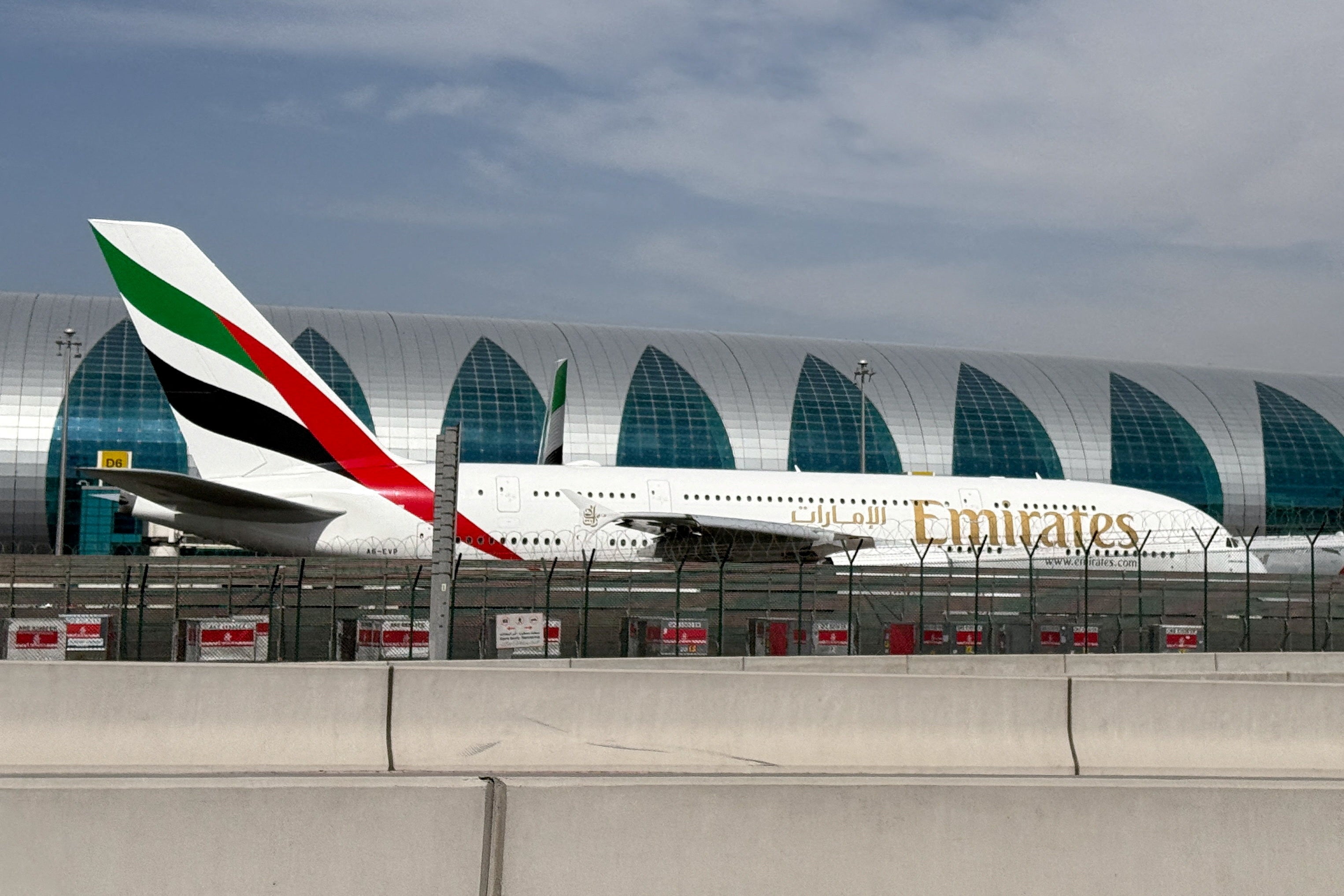
The relaxation in travel advice is particularly positive for Gulf airlines.
Before the US and Israel launched a war on Iran in 28 February, these carriers transported more than half of all passengers flying from Europe to Australia, New Zealand, and the Pacific Islands, according to aviation data firm Cirium. The change could signal a cautious return to pre-war travel patterns for the region.
Many Australian travellers concerned about the risk from missiles and drones, flight disruptions, and lack of travel insurance coverage had preferred flights on carriers such as Qantas Airways, Singapore Airlines and Hong Kong's Cathay Pacific Airways that transited in Asia, driving up airfares.
The Flight Centre Travel Group said on Wednesday that travellers with forward bookings to Europe routed via the Middle East had typically amended or cancelled plans due in part to the government’s warning.
FCTG leisure chief executive James Kavanagh said the downgrade in the travel advice was "the news a lot of Aussie travellers have been waiting for”.
He added that the absence of travel insurance for people transiting through the Gulf hubs had been a barrier in recent months.
The peace deal, meanwhile, led to oil prices falling below $80 a barrel, igniting hopes that jet fuel prices would fall and bring down soaring airfares along with it.
Mr Kavanagh said the advisory change also unlocked value fares that Middle East carriers had been offering but travellers had been unable to utilise without insurance. He cited fares of around A$1,400 ($989) for October departures and around A$2,000 ($1,411) for August peak travel season.
Emirates president Tim Clark told reporters it would roll out incentives aimed at winning back travellers worried about the war, focusing on reliability and customer support rather than lower fares because the oil price remained high.
Other countries could follow Australia in easing Middle East travel restrictions in the coming days. The UK updated its travel advice for Jordan earlier this month, reclassifying most parts of the country as safe for travel.
Nathan Gee, head of Asia Pacific transportation research at BofA Global Research, said restored travel insurance and more competitive pricing should help Gulf carriers regain share on routes from Australia to Europe and the UK, but the shift was likely to be gradual rather than swift.
"In the near term, Asian carriers such as Singapore Airlines are still well positioned as a portion of travellers continue to favour Asian hubs for greater certainty and smoother transit," Mr Gee said.
Since long-haul bookings were typically made five-six months in advance, he added, the stronger pricing environment should extend into the next few quarters for Singapore Airlines and Cathay Pacific even as Gulf carriers restored capacity and stepped up competition.